
Sugar Snails
Sugar Snails are soft, spiraled pastries brushed with butter and sugar, then baked until the edges turn golden and the sugar caramelizes into a light, glossy finish. They look a lot like the cinnamon rolls you already know, but they take a simpler path.
There is no thick frosting, no heavy spice blend, and no long list of filling ingredients. Just tender dough, rich butter, and sweet sugar working together.
That simplicity is exactly why these pastries show up so often in European style bakeries. They are the kind of treat people reach for with a cup of coffee or tea, and they feel just as natural on a slow weekend morning as they do on a brunch table or an afternoon snack tray.
What makes a sugar snail so appealing is the contrast inside a single bite. The outside is lightly crisp where the sugar caramelizes. The inside stays soft, buttery, and tender. Because the dough spirals through each slice, every bite carries a little of the buttery edge and a little of the soft center.

If you have never baked with yeast before, this is a gentle place to begin. The dough is forgiving, the shaping is simple, and most of the process is waiting rather than doing.
Experienced bakers will find it just as rewarding, because the result depends on techniques you already trust: a good knead, a proper rise, and a steady oven temperature.
There are two ways to make sugar snails, and both are covered here. One is a yeast dough version that gives you the classic soft bakery style pastry. The other is a quick version built on refrigerated puff pastry or crescent dough that moves from counter to oven in a fraction of the time.
If you enjoy the flavor of toasted butter and sugar in baked goods, these Brown Butter Sugar Cookies come from the same cozy corner of the kitchen.
Jump to:
- Sugar Snails
- Why You’ll Love Sugar Snails
- Ingredient Notes & Details
- Step by Step Instructions
- Storage Tips
- Variations
- Ingredients
- Instructions
- Recipe details
- FAQs
- What are sugar snails and how do they differ from cinnamon rolls?
- How do you make sugar snails with puff pastry for a quick version?
- What is the best way to cut sugar snails without smashing the dough?
- Can sugar snails be made ahead of time and how should they be stored?
- Sugar Snails (Yeast Dough) + Sugar Snails (Yeast Dough Variation)
- Ingredients
- Instructions
- Last Step:
- Did you make this recipe?
Why You’ll Love Sugar Snails
There are plenty of reasons these pastries earn a permanent spot in a baking rotation.
- Simple ingredients. No complicated fillings or toppings are needed, so the shopping list stays short.
- Soft and buttery texture. The inside stays tender while the edges turn lightly crisp and caramelized.
- Less sweet than cinnamon rolls. There is no heavy icing to cover up the flavor of the pastry itself.
- Easy to customize. A pinch of spice, a little citrus zest, or a light glaze can change the whole mood.
- Right for any hour. Serve them at brunch, or as a sweet finish to dinner with coffee.
The dough itself is quiet and uncomplicated, which is what lets the butter and sugar stand out. You are not hiding anything under frosting, and you are not balancing five competing flavors. What you taste is what you put in.
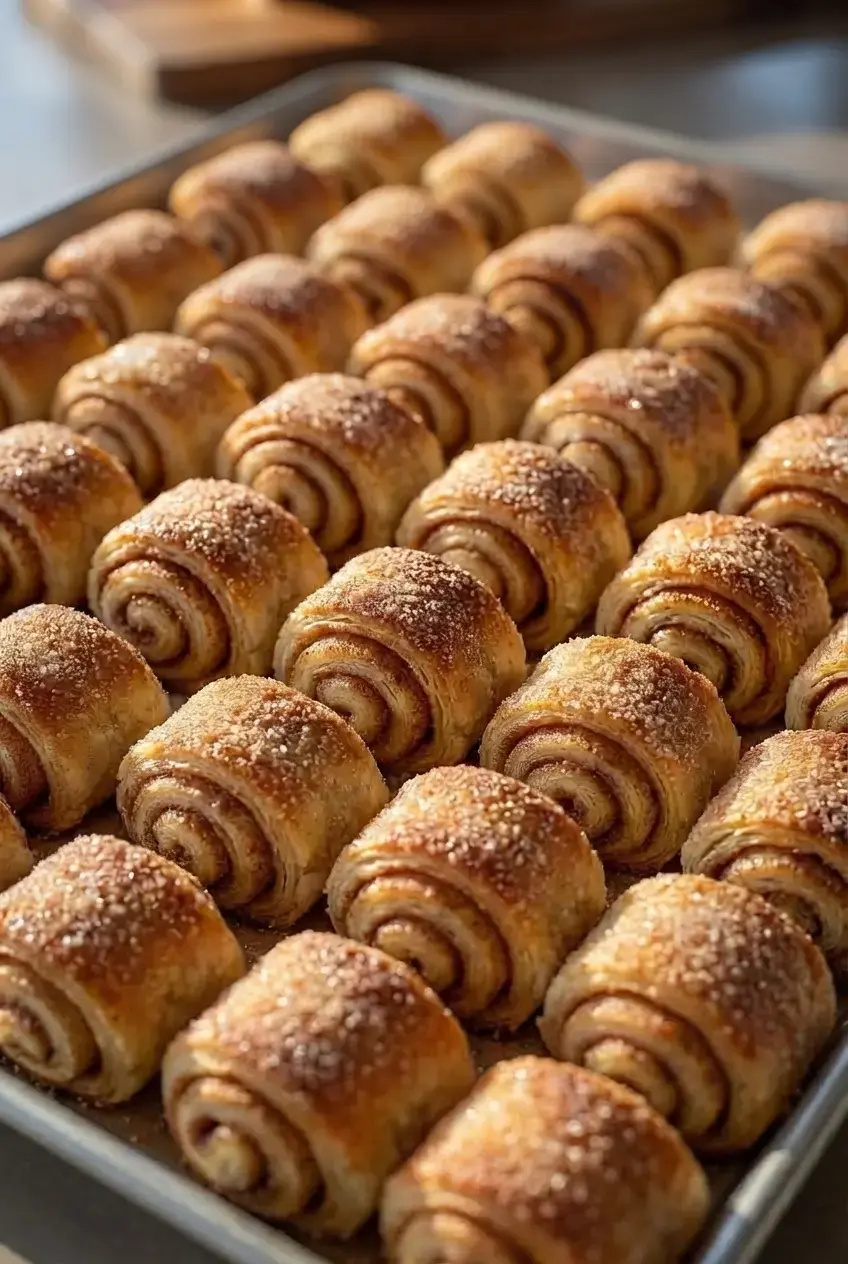
If you have only ever baked cinnamon rolls, think of sugar snails as the calmer, more everyday cousin.
Ingredient Notes & Details
Good sugar snails start with understanding what each ingredient is doing. None of them are difficult to find, but a few small details make a real difference in the final texture.

- All purpose flour gives the dough structure while keeping it soft. Spoon it into the measuring cup and level it off, because scooping straight from the bag packs in extra flour and can leave the dough dry.
- Yeast, whether active dry or instant, will both work. It needs to be fresh, since yeast past its prime will not give you the rise you are looking for.
- Whole milk adds richness, though 2% milk also works well. Warm it slightly so it wakes the yeast up without getting hot enough to harm it.
- Unsalted butter lets you control the salt level in the dough. Softened butter is essential for spreading, so set it out ahead of time.
- Granulated sugar creates the signature caramelized sweetness, both in the filling and along the edges.
- Egg adds richness and helps bind the dough together.
- Salt enhances flavor and balances the sweetness. It is only a small amount, but it should not be skipped.
A soft, slightly tacky dough is the goal. If yours feels stiff or dry while you are kneading, a teaspoon of milk can loosen it. If it sticks to your hands more than you would like, a light dusting of flour will settle it down.
Step by Step Instructions
This is the yeast dough version, the one that gives you soft, bakery style spirals with tender layers inside. Read through the steps once before you begin so the timing feels familiar.
- Warm the milk. Heat it until it is just warm to the touch, not hot. Mix it with the yeast and a teaspoon of sugar, then let it sit until foamy.
- Build the dough. Add the remaining sugar, the egg, melted butter, salt, and flour. Mix until a soft dough forms.
- Knead. Work the dough by hand or with a mixer for 8 to 10 minutes, until it is smooth and elastic. It should feel slightly tacky but not sticky.
- Let it rise. Place the dough in a lightly greased bowl, cover it, and leave it in a warm spot until it has doubled in size, about 1 to 1 1/2 hours.
- Roll it out. Turn the dough onto a lightly floured surface and roll it into a large rectangle.
- Add the filling. Spread softened butter evenly over the dough, then sprinkle generously with granulated sugar.
- Shape the snails. Roll the dough tightly from the long side into a log, then slice it into even pieces using a sharp knife or dental floss.
- Second rise. Arrange the snails in a baking dish, cover them, and let them rise for 30 to 45 minutes until puffy.
- Bake. Bake at 350°F (175°C) for 20 to 25 minutes, until the snails are golden and fragrant.
- Rest before serving. Let them sit for 10 minutes so the sugar sets into a glossy finish.
The second rise is the step people are most tempted to skip, and it is also the one that decides how light the finished pastry feels. Puffy dough that springs back gently when you touch it is ready for the oven.
If your kitchen runs cool, a warm spot can be as simple as an oven that was turned on briefly and then switched off, with the door left cracked open. The dough does not need heat, it needs stillness and a little patience.
Unflavored dental floss is the cleanest way to cut spirals. Slide it under the log, cross the ends over the top, and pull through without squashing the dough.
Storage Tips
Sugar snails keep well, which makes them a practical make ahead bake for a busy week.
| Storage method | How long they keep | How to serve them |
|---|---|---|
| Airtight container at room temperature | Up to 2 days | As they are, or warmed for a few seconds |
| Refrigerator | Up to 5 days | Reheat gently before serving |
| Freezer | Up to 2 months | Thaw, then warm before enjoying |
Room temperature is the easiest choice for a day or two, as long as the container is airtight so the edges do not dry out. After that, the refrigerator is the safer place to store them.
They firm up slightly when chilled, so a gentle reheat brings the softness right back. If you are planning further ahead, freeze the baked snails, then thaw and warm them whenever a craving shows up.
Variations
The base recipe is deliberately plain, which makes it a good starting point for small changes.
- Vanilla sugar snails. Add vanilla bean paste or vanilla extract to the butter filling for a softer, rounder sweetness.
- Cinnamon sugar snails. Sprinkle cinnamon into the sugar for a warmer, more familiar flavor.
- Lemon sugar snails. Add lemon zest to the sugar for a bright, citrusy edge.
- Nutty sugar snails. Sprinkle finely chopped almonds or pecans over the sugar before rolling.
- Glazed sugar snails. Drizzle with a simple powdered sugar glaze if you want a little extra sweetness on top.
If you like the idea of a filled, swirled roll taken in a richer direction, this Biscoff Cookie Butter Cinnamon Rolls recipe follows the same shape with a bolder filling.
For a faster route to the same buttery, sugar coated spirals, here is the quick version built on refrigerated dough. It skips the yeast entirely and still delivers a soft center with crisp, caramelized edges.
Ingredients
- 1 sheet refrigerated puff pastry or crescent dough, thawed
- 1/4 cup unsalted butter, melted
- 1/3 cup granulated sugar
- 1/2 tsp ground cinnamon
- 1/4 tsp vanilla extract, optional
- Powdered sugar for dusting, optional
Because the dough is already prepared, the butter and sugar are really the whole story here. Keep the cinnamon light if you want the butter flavor to lead.
Instructions
- Preheat the oven to 375°F (190°C) and line a baking sheet with parchment paper.
- In a small bowl, mix the sugar and cinnamon. Stir in the vanilla if you are using it.
- Unroll the dough on a clean surface, brush it evenly with the melted butter, then sprinkle the sugar mixture over the top.
- Starting from the long edge, roll the dough into a tight log and slice it into 1 inch rounds.
- Place the slices cut side up on the prepared baking sheet, spacing them slightly apart. Bake for 15 to 18 minutes, until puffed and golden.
- Cool slightly, dust with powdered sugar if you like, and serve warm or at room temperature.
These come together quickly enough for a spontaneous weekend bake. If you are serving them to guests, warm them for a few minutes and let the smell do the introduction.
Both methods in this guide follow the original sugar snails recipe, which is also where the ingredient notes and storage guidance come from.
Recipe details
| Detail | Value |
|---|---|
| Prep time | 10 minutes |
| Total time | 40 minutes |
| Servings | 12 |
| Oven temperature | 375°F (190°C) |
One batch of the quick version makes 12 servings, which is enough for a small brunch spread or a few days of coffee breaks.
Whether you take the slow route with yeast or the quick route with refrigerated dough, sugar snails reward you with something simple and satisfying. Soft layers, caramelized sugar, and the smell of butter filling the kitchen are hard to argue with.
FAQs
What are sugar snails and how do they differ from cinnamon rolls?
How do you make sugar snails with puff pastry for a quick version?
What is the best way to cut sugar snails without smashing the dough?
Can sugar snails be made ahead of time and how should they be stored?

Sugar Snails (Yeast Dough) + Sugar Snails (Yeast Dough Variation)
Sugar Snails Sugar Snails are soft, spiraled pastries brushed with butter and sugar, then baked until the edges turn golden and the sugar caramelizes into a light, glossy finish. They look a lot like the cinnamon rolls you already know, but they take a simpler path.
Ingredients
Sugar Snails (Yeast Dough)
1 sheet refrigerated puff pastry or crescent dough, thawed
1/4 cup unsalted butter, melted
1/3 cup granulated sugar
1/2 tsp ground cinnamon
1/4 tsp vanilla extract
Powdered sugar, for dusting
Sugar Snails (Yeast Dough Variation)
Dough
all-purpose flour
yeast, active dry or instant
milk, warm
butter, unsalted, softened
granulated sugar
egg
salt
Filling
butter, softened for spreading
granulated sugar
Instructions
Sugar Snails (Yeast Dough)
1-Preheat oven to 375°F (190°C): Preheat oven to 375°F (190°C). Line a baking sheet with parchment paper.
2-In a small bowl, mix sugar and: In a small bowl, mix sugar and cinnamon. Stir in vanilla if using.
3-Unroll the dough on a clean surface: Unroll the dough on a clean surface. Brush evenly with melted butter, then sprinkle the sugar mixture over the top.
4-Starting from the long edge, roll the: Starting from the long edge, roll the dough into a tight log. Slice into 1-inch rounds.
5-Place slices cut-side up on the prepared: Place slices cut-side up on the prepared baking sheet, spacing slightly apart. Bake for 15-18 minutes, until puffed and golden.
6-Cool slightly, then dust with powdered sugar: Cool slightly, then dust with powdered sugar if desired. Serve warm or at room temperature.
Sugar Snails (Yeast Dough Variation)
7-Warm the milk until just warm to: Warm the milk until just warm to the touch (not hot). Mix with yeast and a teaspoon of sugar and let it sit until foamy.
8-Add the remaining sugar, egg, melted butter,: Add the remaining sugar, egg, melted butter, salt, and flour. Mix until a soft dough forms.
9-Knead by hand or mixer for 8-10: Knead by hand or mixer for 8-10 minutes until smooth and elastic. The dough should be slightly tacky but not sticky.
10-Place dough in a lightly greased bowl,: Place dough in a lightly greased bowl, cover, and let rise in a warm spot until doubled in size (about 1-1½ hours).
11-Roll dough into a large rectangle on: Roll dough into a large rectangle on a lightly floured surface.
12-Spread softened butter evenly over the dough,: Spread softened butter evenly over the dough, then sprinkle generously with granulated sugar.
13-Roll tightly from the long side into: Roll tightly from the long side into a log. Slice into even pieces using a sharp knife or dental floss.
14-Arrange snails in a baking dish, cover,: Arrange snails in a baking dish, cover, and let rise for 30-45 minutes until puffy.
15-Bake at 350°F (175°C) for 20-25 minutes: Bake at 350°F (175°C) for 20-25 minutes until golden and fragrant.
16-Let rest for 10 minutes before serving: Let rest for 10 minutes before serving so the sugar sets into a glossy finish.
Last Step:
Please leave a rating and comment letting us know how you liked this recipe! This helps our business to thrive and continue providing free, high-quality recipes for you.- Method: bake