Why You’ll Love These Fermented Pickles
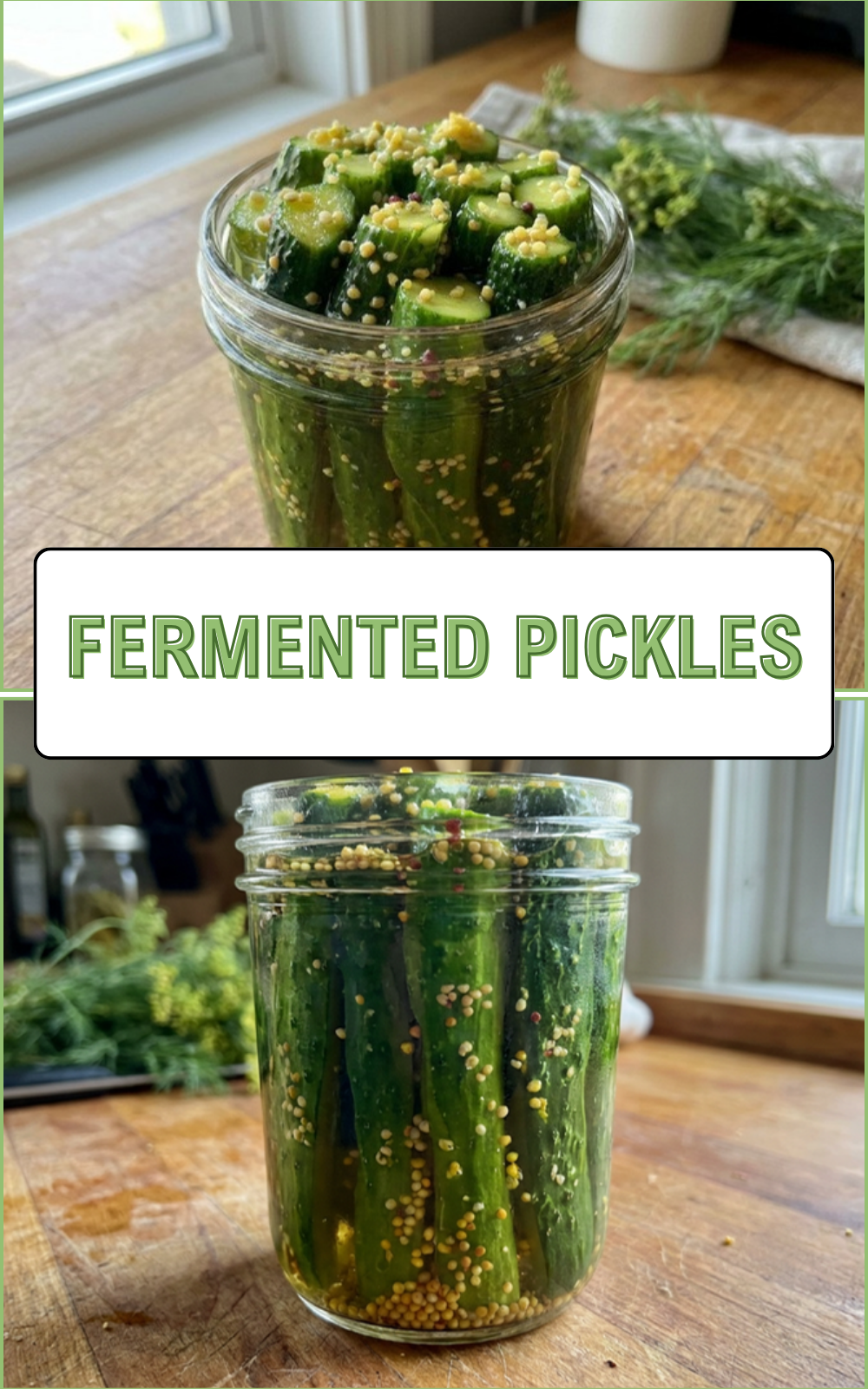
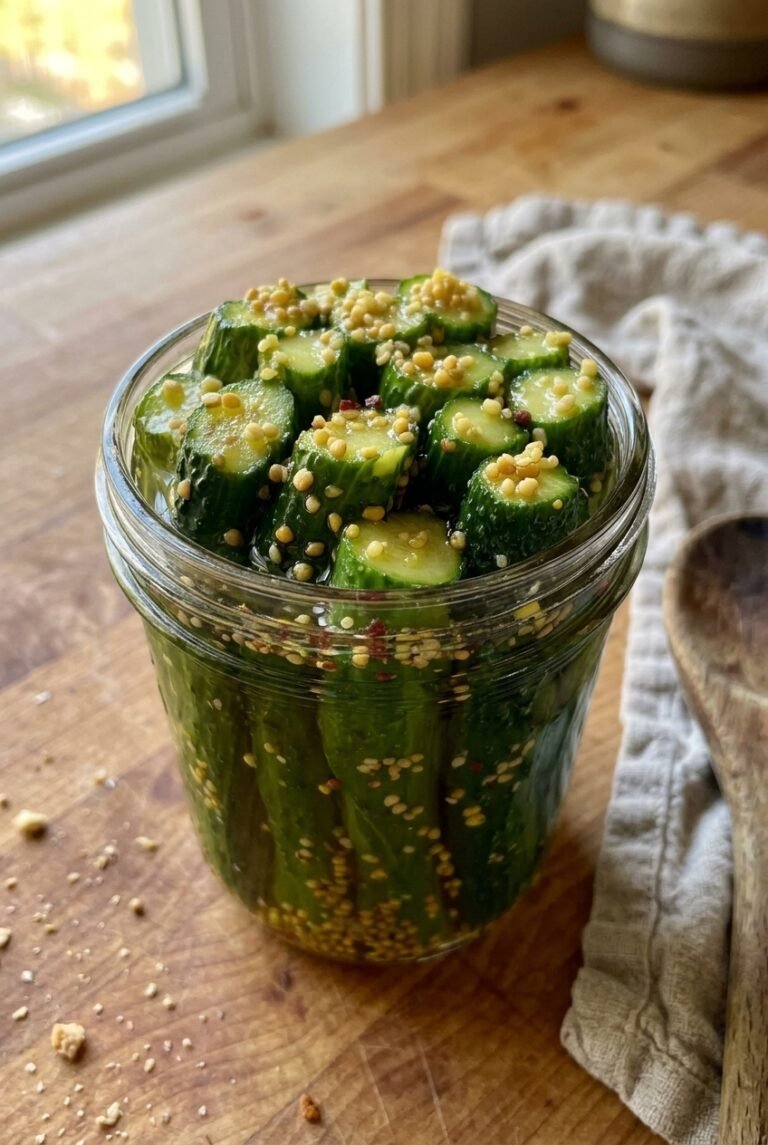
There is something so satisfying about making Fermented Pickles at home. They are crisp, tangy, and full of that old-fashioned flavor people keep coming back for. If you have ever wanted a simple homemade pickle recipe that feels fun, rewarding, and just a little bit magical, this one is for you.
For more background on the health side of fermented foods, you can also read this helpful overview from Cedars-Sinai on the health benefits of fermented foods. It is a great match for anyone curious about why these pickles are such a smart addition to the table.
- Easy to make: This recipe uses a simple salt brine, fresh cucumbers, garlic, dill, and spices. No complicated equipment is needed, just a clean jar, a weight, and a cool spot in your kitchen.
- Great for gut-friendly eating: Naturally fermented pickles can fit well into a diet-conscious lifestyle. They offer a flavorful way to enjoy preserved vegetables with very few calories per serving.
- Flexible for many diets: These pickles are naturally vegan, gluten-free, and easy to adapt. You can keep them mild, make them garlicky, or add chili heat depending on your taste.
- Bold, classic flavor: The mix of dill, garlic, mustard seeds, coriander, and fennel gives these fermented pickles a deep, savory taste that is far more exciting than store-bought jars.
Once you make a batch of fermented pickles at home, it is hard to go back. The crunch, the scent, and that bright sour bite make them a real kitchen favorite.
Jump to:
- Why You’ll Love These Fermented Pickles
- Essential Ingredients for Fermented Pickles
- Main Ingredients
- Special Dietary Options
- How to Prepare the Perfect Fermented Pickles: Step-by-Step Guide
- First Step: Wash and prep the cucumbers
- Second Step: Make the brine
- Third Step: Wash everything that touches the pickles
- Fourth Step: Layer the flavor in the jar
- Fifth Step: Add the brine and keep everything submerged
- Sixth Step: Cover loosely and ferment
- Seventh Step: Taste, refrigerate, and finish
- Dietary Substitutions to Customize Your Fermented Pickles
- Protein and Main Component Alternatives
- Vegetable, Sauce, and Seasoning Modifications
- Mastering Fermented Pickles: Advanced Tips and Variations
- Pro cooking techniques
- Flavor variations
- Presentation tips
- Make-ahead options
- How to Store Fermented Pickles: Best Practices
- Refrigeration
- Freezing
- Reheating
- Meal prep considerations
- FAQs: Frequently Asked Questions About Fermented Pickles
- What are fermented pickles?
- How long does it take to ferment pickles?
- How do I make fermented pickles at home?
- Are fermented pickles safe to eat?
- How do you store fermented pickles after fermenting?
- Fermented Pickles
- Ingredients
- Instructions
- Last Step:
- Notes
- Nutrition
- Did you make this recipe?
Essential Ingredients for Fermented Pickles
Gathering the right ingredients is the first step to making great Fermented Pickles. Use cucumbers that are close to the same size so they ferment at the same pace. Fresh dill, sliced garlic, and a measured salt brine do most of the work, while the spices build that classic deli-style flavor.
Main Ingredients
- 2 to 2.5 pounds pickling cucumbers – Choose cucumbers that are firm and all similar size for even fermentation and better crunch.
- 5 cups filtered or tap water – Use water that is not overly chlorinated so the natural fermentation can move along properly.
- 2 tablespoons fine sea salt or Himalayan salt – This creates the salt brine that preserves the cucumbers and supports fermentation.
- 1/4 teaspoon turmeric, optional – Adds color and a warm earthiness if you want a golden tint.
- 1 teaspoon fennel seeds – Brings a sweet, light licorice note.
- 1 teaspoon coriander seeds – Adds citrusy warmth.
- 1 teaspoon allspice – Gives the brine a cozy, rounded flavor.
- 1 teaspoon peppercorns – Adds gentle spice, with the option to add more if you like extra bite.
- 1 teaspoon dill seeds – Reinforces the classic dill pickle flavor.
- 1 teaspoon mustard seeds – Adds sharp, savory depth.
- 1 teaspoon celery seeds – Lends a familiar pickle-house flavor.
- 10 to 20 garlic cloves, sliced – Garlic gives the pickles their bold, savory aroma and flavor.
- 1/2 onion, thinly sliced, optional – Adds a little sweetness and a stronger fermented taste.
- Big handful of fresh dill – Fresh dill gives the brine its signature garden-fresh flavor.
- 1 to 3 fresh red chilies, or dried arbol chilies, or chili flakes, optional – Adds heat if you want spicy fermented pickles.
- 3 to 4 bay leaves, or a grape leaf, or oak leaf – Helps keep the pickles crisp during fermentation.
Special Dietary Options
- Vegan: This recipe is already fully plant-based.
- Gluten-free: All listed ingredients are naturally gluten-free, as long as your spices are plain and not blended with fillers.
- Low-calorie: Keep portions modest and skip optional add-ins if you want the lightest version.
| Ingredient | Why It Matters |
|---|---|
| Salt brine | Creates the safe environment needed for natural fermentation |
| Garlic and dill | Deliver the familiar flavor people expect from fermented pickles |
| Bay leaf, grape leaf, or oak leaf | Helps support a firmer pickle texture |
| Chilies | Adds heat for a bold, spicy finish |
For a tasty meal pairing idea, these pickles are especially good beside something rich and comforting like slow cooker beef brisket or alongside a cozy dinner such as au gratin potatoes.
How to Prepare the Perfect Fermented Pickles: Step-by-Step Guide
First Step: Wash and prep the cucumbers
Start by washing the cucumbers well under cool running water. Trim about 1/16 inch from the flower end of each cucumber, because that little tip can make the pickles soften faster. This small step matters a lot if you want crisp fermented pickles that still have a good snap after a few days.
Next, place the cucumbers in an ice water bath for 15 to 30 minutes. This helps firm them up before they go into the jar. If you are using especially small cucumbers, keep the soaking time on the shorter side so they do not absorb too much water.
Second Step: Make the brine
Mix 2 tablespoons of fine sea salt or Himalayan salt with 5 cups of cold filtered or lightly chlorinated tap water. Stir until the salt dissolves fully. The brine should look clear, with no gritty salt left at the bottom of the bowl or measuring jug.
This salt level gives you a good traditional ferment. It is strong enough to support safe fermentation while still letting the cucumbers develop that tangy, lively taste people love in homemade fermented pickles. If you are using different jar sizes, keep the same ratio so the brine stays balanced.
Third Step: Wash everything that touches the pickles
Wash your hands, jars, lids, weights, spoons, and any utensils you plan to use. Clean tools help keep the ferment on the right track. A two-quart mason jar is a great choice for this batch size, and it gives you enough room for the cucumbers, spices, and brine.
Clean hands and a clean jar are a big deal here. Fermentation works best when the friendly bacteria have a fresh, tidy place to do their job.
Fourth Step: Layer the flavor in the jar
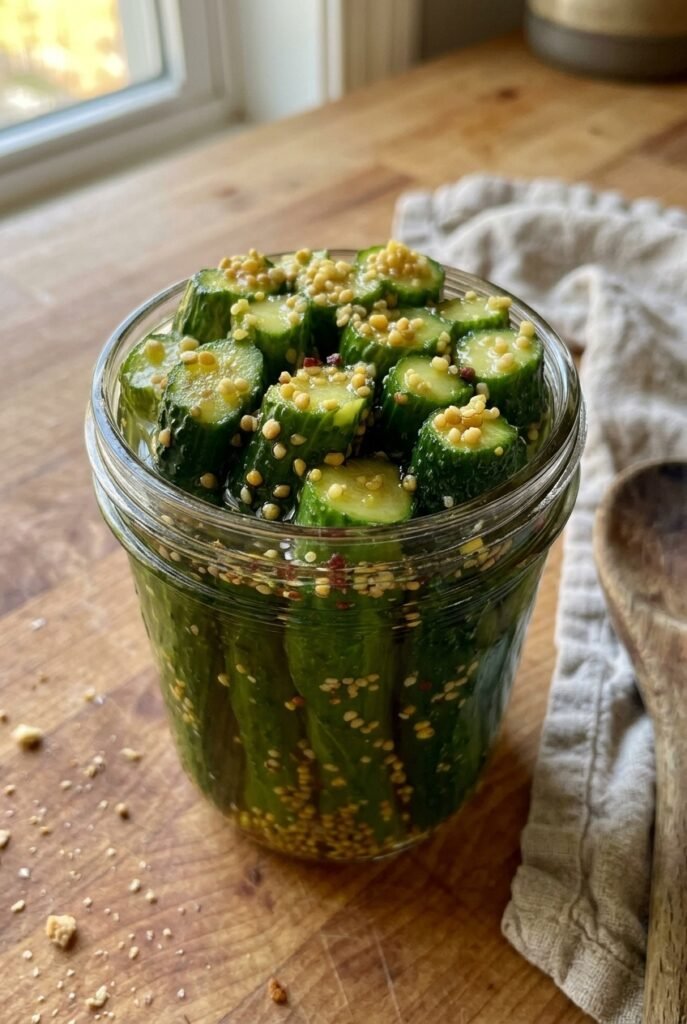
Place the spices, fresh dill, sliced garlic, onions if using, and turmeric if using into the bottom of the jar. Then start packing in the cucumbers. Tuck the bay leaves, grape leaf, or oak leaf in between the cucumbers as you go. If you want a spicy batch, add the red chilies, arbol chilies, or chili flakes at this stage too.
Press everything in firmly, but do not smash the cucumbers. You want a snug fit so the brine can cover the vegetables well. Packing the jar this way helps the flavors spread evenly through every spear or whole cucumber.
Fifth Step: Add the brine and keep everything submerged
Pour the salt brine over the cucumbers until they are covered, leaving about 1.5 inches of headroom at the top of the jar. This space helps prevent overflow once fermentation begins. Then place a clean weight on top to keep the cucumbers beneath the brine line.
This part is one of the most important steps for fermented pickles. Anything that floats above the brine can turn moldy. If some spices float, try to push them down or remove them from the surface so only the cucumbers and aromatics stay under the liquid.
Sixth Step: Cover loosely and ferment
Cover the jar loosely and place it in a cool, dark spot for 2 to 3 days. A temperature between 60 and 70°F is ideal if you want crisp pickles. Warmer rooms can move faster, but they may also soften the cucumbers more quickly.
After 2 days, check the jar for bubbles or a little overflow. Both are normal signs that the fermentation is active. If the jar looks fizzy, you can tighten the lid and burp it daily to release pressure. Keep the jar out of direct sunlight while it ferments.
Seventh Step: Taste, refrigerate, and finish
Once the pickles taste tangy and smell fresh, garlicky, and pleasantly sour, move them to the refrigerator. Refrigeration slows the fermentation so the flavor stays where you like it. The pickles can keep developing slowly in the fridge, but the cold will help protect the crunch.
If you want a softer, sharper pickle, let them ferment a little longer before chilling. If you like a firmer, milder pickle, move them to the fridge sooner. This recipe has a prep time of about 4 days and a total time of about 4 days, which makes it a great project for a long weekend.
| Fermentation Stage | What You Should See | What To Do |
|---|---|---|
| Day 1 | Little to no bubbling | Keep jar in a cool, dark place |
| Day 2 | Bubbles and possible overflow | Check the lid and burp if needed |
| Day 3 | Tangy aroma and active brine | Taste and refrigerate when ready |

Dietary Substitutions to Customize Your Fermented Pickles
Protein and Main Component Alternatives
Since this recipe is all about vegetables, there is no protein to swap in. That makes these fermented pickles a nice fit for vegan, vegetarian, and lighter eating plans. If you want a lower-sodium style, you can reduce the batch size rather than cutting the salt too much, because the brine needs enough salt to do its job.
If cucumbers are hard to find, use other firm pickling vegetables in a separate batch, such as carrots, green beans, or cauliflower florets. Keep in mind that different vegetables ferment at slightly different speeds, so it helps to pack similar sizes together. For busy parents or students, making one jar at a time is often the easiest way to learn the process.
Vegetable, Sauce, and Seasoning Modifications
You can adjust the seasoning to match what you have in the pantry. Skip the onion for a cleaner dill flavor, or leave out the turmeric if you want the brine to stay bright and clear. If you love spice, add more peppercorns, more fresh chilies, or a pinch of chili flakes.
For a softer flavor, use just dill, garlic, and mustard seeds. For a more complex jar, keep the full spice mix with fennel, coriander, allspice, celery seed, and dill seed. If you enjoy pairing pickles with savory meals, these work very well next to dishes like slow cooker Italian lemon chicken or jambalaya.
Mastering Fermented Pickles: Advanced Tips and Variations
Once you have made one batch of fermented pickles, it becomes easy to play with the flavor. The best tip is to keep the fermentation room cool, around 60 to 70°F, because that range tends to give you crisp pickles with a clean tang. If you leave them longer, the flavor gets stronger and the texture gets softer, which some people love.
Pro cooking techniques
- Use cucumbers that are all close in size so they finish fermenting evenly.
- Always remove the blossom end to slow softening.
- Keep all cucumbers below the brine line with a weight.
- Burp the jar daily if the ferment gets fizzy.
- Watch for a fresh, tangy, garlic-like smell. That is what good fermented pickles should smell like.
Flavor variations
Try a spicy batch with more chilies and peppercorns, or make a softer herbal version with extra dill and less garlic. You can also swap in a grape leaf or oak leaf if you have one, since both can help support a firmer bite. The pickles taste great with sandwiches, grain bowls, barbecue plates, and snack boards.
Presentation tips
Serve the pickles chilled in a small bowl with a few dill sprigs on top. If you want them to look extra pretty, slice a few into spears or coins and layer them beside your main dish. Their bright green color and fresh herb scent always catch the eye.
Make-ahead options
This is a perfect make-ahead recipe for busy weeks. Mix the brine, prep the cucumbers, and pack the jar the night before if needed. Then let the ferment do its thing while you handle the rest of your week. That is one of the reasons homemade fermented pickles are such a favorite for working professionals and students alike.
How to Store Fermented Pickles: Best Practices
Refrigeration
Once the pickles taste the way you like, store them in the refrigerator in the same jar or a clean sealed container. Keep the cucumbers submerged in brine for the best texture and flavor. Cold storage slows fermentation and helps them stay crisp longer.
Freezing
Freezing is not the best choice if you want to keep the crunchy texture, but it can work for longer storage if needed. Expect the pickles to soften after thawing. If you do freeze them, place them in a freezer-safe container and leave a little space for expansion.
Reheating
Fermented pickles are usually served cold, so reheating is not needed. If you want them warm in a cooked dish, add them at the very end so they do not lose too much texture. Heat can dull their crisp bite fast.
Meal prep considerations
These pickles are great for meal prep because a small jar can brighten up several meals through the week. Add them to burgers, rice bowls, sandwiches, or cheese plates. If your brine level drops over time, top it off with a little extra salted water so the pickles stay covered.
FAQs: Frequently Asked Questions About Fermented Pickles
What are fermented pickles?
How long does it take to ferment pickles?
How do I make fermented pickles at home?
Are fermented pickles safe to eat?
How do you store fermented pickles after fermenting?
Fermented Pickles
🥒 Probiotic-rich fermented garlic dill pickles—crisp tangy crunch boosts gut health naturally, no vinegar needed.
🧄 30-min setup 3-day ferment: spice-customizable, fridge-stable months for endless snacking!
- Total Time: 3 days
- Yield: ½ gallon (8-10 servings)
Ingredients
– 2 to 2.5 pounds pickling cucumbers
– 5 cups filtered or tap water
– 2 tablespoons fine sea salt or Himalayan salt
– 1/4 teaspoon turmeric, optional
– 1 teaspoon fennel seeds
– 1 teaspoon coriander seeds
– 1 teaspoon allspice
– 1 teaspoon peppercorns
– 1 teaspoon dill seeds
– 1 teaspoon mustard seeds
– 1 teaspoon celery seeds
– 10 to 20 garlic cloves, sliced
– 1/2 onion, thinly sliced, optional
– Big handful of fresh dill
– 1 to 3 fresh red chilies, or dried arbol chilies, or chili flakes, optional
– 3 to 4 bay leaves, or a grape leaf, or oak leaf
Instructions
1-First Step: Wash and prep the cucumbers Start by washing the cucumbers well under cool running water. Trim about 1/16 inch from the flower end of each cucumber, because that little tip can make the pickles soften faster. This small step matters a lot if you want crisp fermented pickles that still have a good snap after a few days. Next, place the cucumbers in an ice water bath for 15 to 30 minutes. This helps firm them up before they go into the jar. If you are using especially small cucumbers, keep the soaking time on the shorter side so they do not absorb too much water.
2-Second Step: Make the brine Mix 2 tablespoons of fine sea salt or Himalayan salt with 5 cups of cold filtered or lightly chlorinated tap water. Stir until the salt dissolves fully. The brine should look clear, with no gritty salt left at the bottom of the bowl or measuring jug. This salt level gives you a good traditional ferment. It is strong enough to support safe fermentation while still letting the cucumbers develop that tangy, lively taste people love in homemade fermented pickles. If you are using different jar sizes, keep the same ratio so the brine stays balanced.
3-Third Step: Wash everything that touches the pickles Wash your hands, jars, lids, weights, spoons, and any utensils you plan to use. Clean tools help keep the ferment on the right track. A two-quart mason jar is a great choice for this batch size, and it gives you enough room for the cucumbers, spices, and brine. Clean hands and a clean jar are a big deal here. Fermentation works best when the friendly bacteria have a fresh, tidy place to do their job.
4-Fourth Step: Layer the flavor in the jar Place the spices, fresh dill, sliced garlic, onions if using, and turmeric if using into the bottom of the jar. Then start packing in the cucumbers. Tuck the bay leaves, grape leaf, or oak leaf in between the cucumbers as you go. If you want a spicy batch, add the red chilies, arbol chilies, or chili flakes at this stage too. Press everything in firmly, but do not smash the cucumbers. You want a snug fit so the brine can cover the vegetables well. Packing the jar this way helps the flavors spread evenly through every spear or whole cucumber.
5-Fifth Step: Add the brine and keep everything submerged Pour the salt brine over the cucumbers until they are covered, leaving about 1.5 inches of headroom at the top of the jar. This space helps prevent overflow once fermentation begins. Then place a clean weight on top to keep the cucumbers beneath the brine line. This part is one of the most important steps for fermented pickles. Anything that floats above the brine can turn moldy. If some spices float, try to push them down or remove them from the surface so only the cucumbers and aromatics stay under the liquid.
6-Sixth Step: Cover loosely and ferment Cover the jar loosely and place it in a cool, dark spot for 2 to 3 days. A temperature between 60 and 70°F is ideal if you want crisp pickles. Warmer rooms can move faster, but they may also soften the cucumbers more quickly. After 2 days, check the jar for bubbles or a little overflow. Both are normal signs that the fermentation is active. If the jar looks fizzy, you can tighten the lid and burp it daily to release pressure. Keep the jar out of direct sunlight while it ferments.
7-Seventh Step: Taste, refrigerate, and finish Once the pickles taste tangy and smell fresh, garlicky, and pleasantly sour, move them to the refrigerator. Refrigeration slows the fermentation so the flavor stays where you like it. The pickles can keep developing slowly in the fridge, but the cold will help protect the crunch. If you want a softer, sharper pickle, let them ferment a little longer before chilling. If you like a firmer, milder pickle, move them to the fridge sooner. This recipe has a prep time of about 4 days and a total time of about 4 days, which makes it a great project for a long weekend.
Last Step:
Please leave a rating and comment letting us know how you liked this recipe! This helps our business to thrive and continue providing free, high-quality recipes for you.Notes
🌡️ Ferment 60-70°F for crunchiest results.
⚖️ Weights essential—submerged prevents mold/kahm yeast.
👃 Fresh tangy garlic aroma good; funky smell means discard.
- Prep Time: 30 minutes
- Fermentation: 2-3 days
- Cook Time: 0 minutes
- Category: Condiments
- Method: Ferment
- Cuisine: American
- Diet: Vegan, Gluten-Free, Keto, Low-Calorie
Nutrition
- Serving Size: ¼ cup
- Calories: 16 kcal
- Sugar: 1g
- Sodium: 300mg
- Fat: 0g
- Saturated Fat: 0g
- Unsaturated Fat: 0g
- Trans Fat: 0g
- Carbohydrates: 4g
- Fiber: 1g
- Protein: 1g
- Cholesterol: 0mg