Why You Will Love This Teriyaki Salmon Bowl
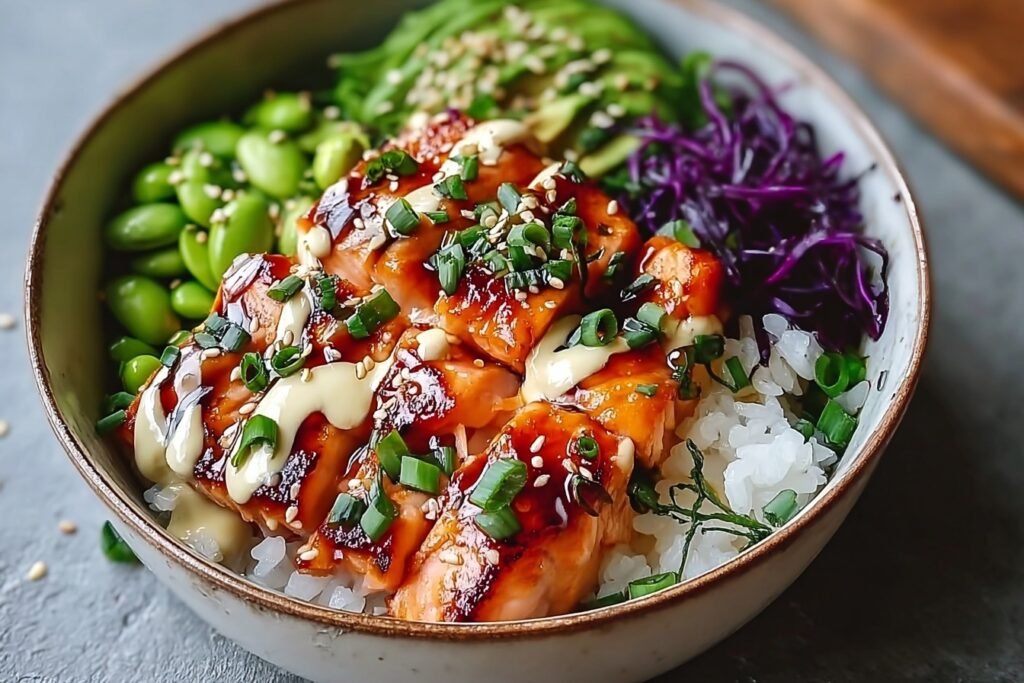
This Teriyaki Salmon Bowl is one of those meals that feels fresh, satisfying, and easy to pull off on a busy night. It gives you a full dinner in about 30 minutes, and it brings together protein, grains, crisp vegetables, and a glossy sweet-savory sauce in one bowl.
- Easy to make: The recipe uses simple steps, basic pantry staples, and fast broiling, so it fits weeknights, packed schedules, and last-minute dinner plans.
- Good for you: Salmon brings high-quality protein and omega-3 fats, while brown rice, quinoa, or cauliflower rice can add balance depending on your goals.
- Flexible for many diets: You can swap the rice for quinoa or cauliflower rice, adjust the veggies, or choose a lighter base to fit different eating styles.
- Big flavor in every bite: The teriyaki sauce mixes coconut aminos, honey, garlic, ginger, and sesame oil for a rich glaze that tastes bold without feeling heavy.
According to the Cleveland Clinic’s guide to salmon benefits, salmon is packed with nutrients that make it a smart choice for regular meals. That is a big reason this bowl works so well for home cooks who want something comforting and nourishing at the same time.
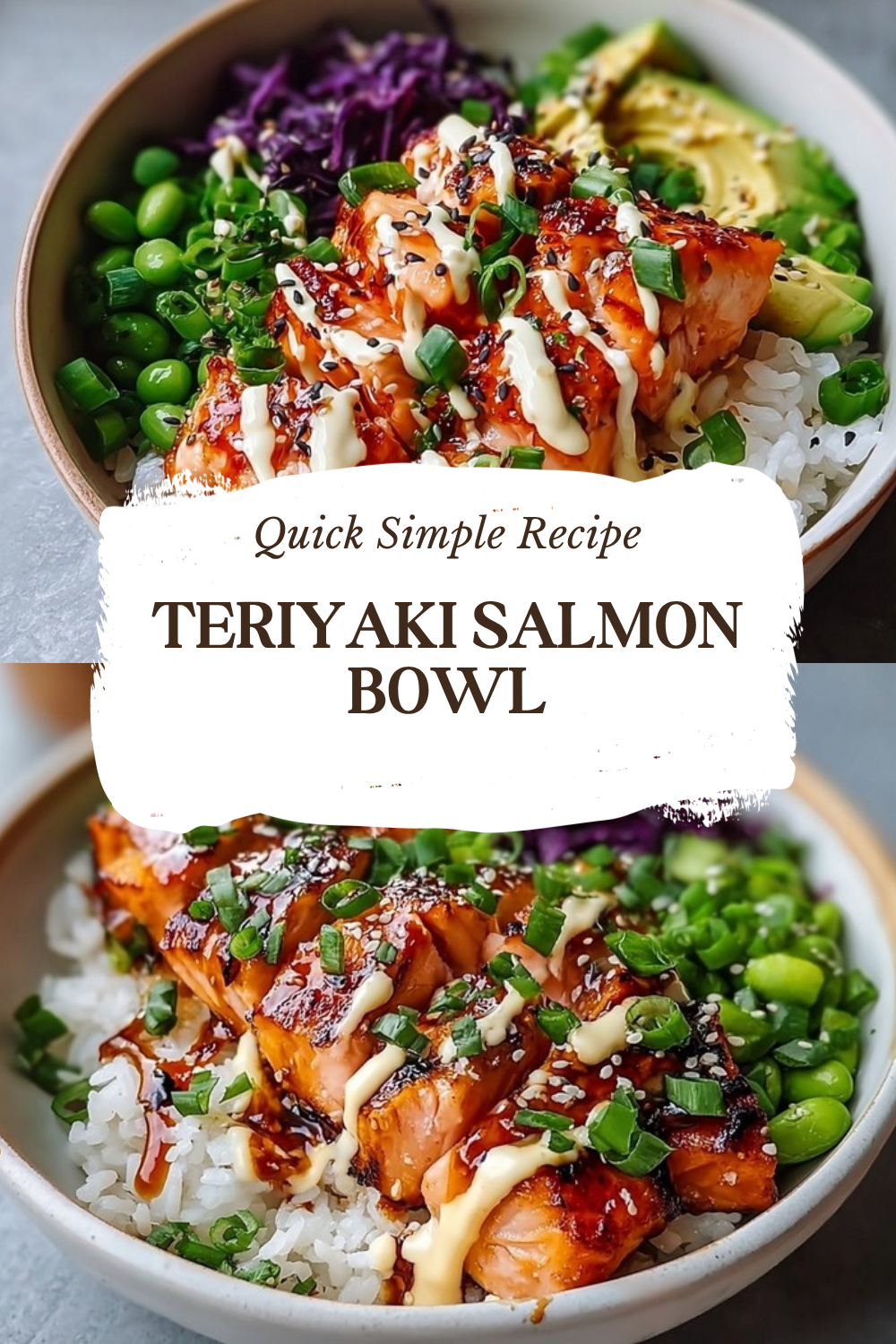
Good to know: This bowl gives you a balanced mix of carbs, protein, healthy fats, and vegetables, which helps make it filling enough for lunch or dinner.
If you like easy meals with fresh ingredients, you may also enjoy the other simple recipes on Recipes Valentina.
Jump to:
- Why You Will Love This Teriyaki Salmon Bowl
- Essential Ingredients for Teriyaki Salmon Bowl
- Main Ingredients
- Teriyaki Sauce Ingredients
- Special Dietary Options
- How to Prepare the Perfect Teriyaki Salmon Bowl: Step-by-Step Guide
- First Step: Gather and prep everything
- Second Step: Mix the teriyaki sauce
- Third Step: Marinate the salmon lightly
- Fourth Step: Prepare the oven and baking sheet
- Fifth Step: Broil the salmon
- Sixth Step: Thicken the sauce
- Seventh Step: Build the bowls
- Final Step: Finish and serve
- Dietary Substitutions to Customize Your Teriyaki Salmon Bowl
- Protein and Main Component Alternatives
- Vegetable, Sauce, and Seasoning Modifications
- Mastering Teriyaki Salmon Bowl: Advanced Tips and Variations
- Pro cooking techniques
- Flavor variations
- Presentation tips
- Make-ahead options
- How to Store Teriyaki Salmon Bowl: Best Practices
- FAQs: Frequently Asked Questions About Teriyaki Salmon Bowl
- Is teriyaki salmon bowl healthy?
- What vegetables pair well with teriyaki salmon bowl?
- Can you make teriyaki salmon bowl grain-free?
- What’s the best rice for teriyaki salmon bowl?
- How do you store leftover teriyaki salmon bowl?
- Teriyaki Salmon Bowl
- Ingredients
- Instructions
- Last Step:
- Notes
- Nutrition
- Did you make this recipe?
Essential Ingredients for Teriyaki Salmon Bowl
These ingredients make 4 servings, with each bowl built for flavor, color, and a satisfying texture.
Main Ingredients
- 4 salmon filets, 5 to 6 ounces each – The main protein, broiled until tender and flaky.
- 3 cups cooked brown rice or white rice – Creates the base of the bowl; you can also use cooked quinoa or cauliflower rice.
- 2 cups chopped cucumber – Adds cool crunch and freshness.
- 1 cup shelled edamame, cooked and cooled – Adds plant protein and a soft bite.
- 1 cup shredded or julienned carrots – Brings color, sweetness, and crunch.
- 1 medium avocado, sliced – Adds creaminess and helps balance the teriyaki flavor.
- 2 green onions, thinly sliced – Gives a fresh, mild onion finish.
- Sesame seeds, optional – Adds texture and a classic finishing touch.
Teriyaki Sauce Ingredients
- 1/2 cup coconut aminos – A soy sauce style base with a milder, slightly sweet flavor.
- 1/4 cup honey – Adds sweetness and helps the sauce glaze the salmon.
- 1 tablespoon rice vinegar – Brightens the sauce and balances the sweetness.
- 1 tablespoon toasted sesame oil – Brings nutty depth and rich aroma.
- 3 garlic cloves, minced, about 1 tablespoon – Adds savory flavor.
- 1 teaspoon grated fresh ginger or 1/2 teaspoon dried ginger – Adds warmth and a clean, zesty note.
- 1 1/2 tablespoons cornstarch – Thickens the sauce so it clings to the salmon and rice.
- 2 tablespoons warm water – Dissolves the cornstarch before it is stirred into the sauce.
Special Dietary Options
- Vegan: Swap salmon for tofu, tempeh, or roasted chickpeas, and use maple syrup instead of honey.
- Gluten-free: Coconut aminos is already a great gluten-free choice, and rice, quinoa, or cauliflower rice all fit well.
- Low-calorie: Use cauliflower rice, add more cucumber and greens, and keep avocado to a smaller portion if you want a lighter bowl.
How to Prepare the Perfect Teriyaki Salmon Bowl: Step-by-Step Guide
This recipe is simple enough for a weeknight, but it still feels like a complete meal. The key is to work in order so the sauce, salmon, and bowl toppings are ready around the same time.
First Step: Gather and prep everything
Start by setting out your ingredients and preparing the vegetables. Chop the cucumber, shred or julienne the carrots, slice the avocado, and thinly slice the green onions. If you are using rice or quinoa, make sure it is already cooked and warm. You can also use frozen rice or quinoa if you want to save time.
Place the salmon filets in a shallow dish and set them aside. If the salmon has excess moisture, pat it dry first with paper towels. This small step helps the fish broil better and gives it a nicer texture.
Second Step: Mix the teriyaki sauce
In a bowl or measuring cup, combine 1/2 cup coconut aminos, 1/4 cup honey, 1 tablespoon rice vinegar, 1 tablespoon toasted sesame oil, 3 minced garlic cloves, and 1 teaspoon grated fresh ginger. Whisk until the mixture looks smooth and well blended.
This sauce is the heart of the dish. Coconut aminos gives the savory base, honey adds sweetness, and the ginger and garlic bring fresh depth. The rice vinegar keeps the flavor from feeling too heavy.
Third Step: Marinate the salmon lightly
Pour about 1/3 cup of the sauce over the salmon in the shallow dish. Turn the filets so they are coated, then place them skin-side up while they rest. You do not need a long marinade here. Even a short soak gives the fish plenty of flavor before broiling.
Tip: A short marinade works well because the sauce is strong and the salmon cooks quickly under the broiler.
Fourth Step: Prepare the oven and baking sheet
Preheat the oven broiler. Line a baking sheet with foil for easier cleanup. Once the broiler is hot, place the salmon on the sheet skin-side down. Broiling works fast, so stay nearby and keep an eye on the fish.
If you want more even cooking, place the baking sheet on the top rack but not so close that the salmon burns. The fish should cook for about 7 to 8 minutes, depending on the thickness of the filets.
Fifth Step: Broil the salmon
Broil the salmon until it flakes easily with a fork. The surface should look lightly glazed, and the center should be just cooked through. Avoid overcooking, since salmon can dry out quickly under high heat.
If your filets are on the thicker side, you may need an extra minute or two. If they are thinner, start checking a little early. The best salmon is tender, moist, and easy to break apart.
Sixth Step: Thicken the sauce
While the salmon cooks, pour the remaining sauce into a saucepan and bring it to a simmer over medium heat. In a small bowl, mix 1 1/2 tablespoons cornstarch with 2 tablespoons warm water until smooth. Add the cornstarch mixture to the simmering sauce and stir well.
Let the sauce continue to simmer until it thickens. This usually takes just a short time. You want a glossy sauce that can drizzle over the bowl and cling to the salmon, rice, and vegetables.
Seventh Step: Build the bowls
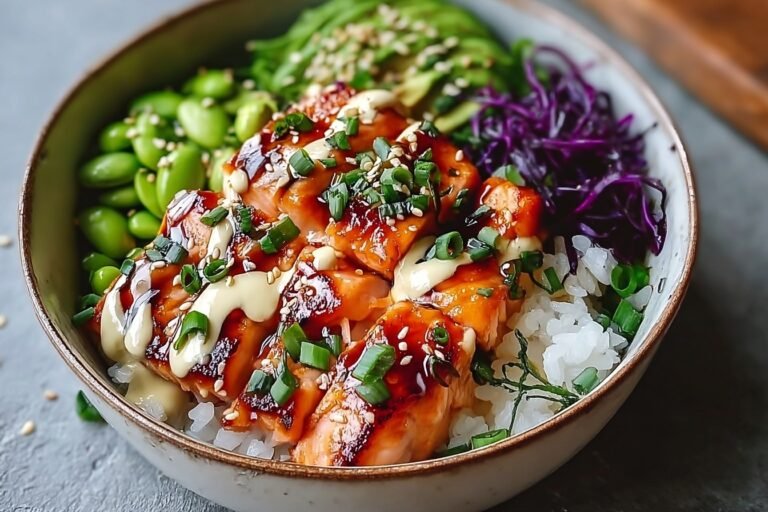
Divide the cooked rice among four bowls. Top each bowl with salmon, then add the cucumber, edamame, carrots, avocado, and green onions. Spoon the thickened teriyaki sauce over the top so every layer gets coated with flavor.
The beauty of a bowl meal is that each person gets a little of everything in every bite. The rice soaks up the sauce, the vegetables add freshness, and the avocado softens the bold teriyaki flavor.
Final Step: Finish and serve
Sprinkle sesame seeds over the top if you like a little crunch and a classic finish. Serve the bowls right away while the salmon is warm and the sauce is glossy. If you want more texture, add extra cucumber or a few fresh radish slices on top.
For another reliable meal idea with a similar balance of comfort and nutrition, you may also like this simple weeknight dinner from Recipes Valentina.

Dietary Substitutions to Customize Your Teriyaki Salmon Bowl
Protein and Main Component Alternatives
If salmon is not available, or if you want a different protein, there are plenty of easy swaps. The sauce works well with other proteins because it has a sweet and savory flavor that pairs with many ingredients.
- Tofu: Use extra-firm tofu, press it first, then bake or pan-sear it until golden.
- Chicken: Boneless chicken thighs or breasts work well if you want a milder flavor.
- Shrimp: Cook quickly and absorb the teriyaki sauce nicely.
- Tempeh: A great plant-based option with a firm texture and nutty taste.
Vegetable, Sauce, and Seasoning Modifications
You can change the vegetables based on season, budget, or what is already in your fridge. Add thinly sliced radishes, bell peppers, purple cabbage, mushrooms, asparagus, green beans, broccoli, or microgreens for more color and crunch. For a roasted flavor, try lightly roasting broccoli or green beans before adding them to the bowl.
If you want to change the sauce, use maple syrup instead of honey for a vegan version, or add a little chili paste if you like heat. You can also add a sprinkle of furikake for extra umami. For a grain-free bowl, cauliflower rice is a great swap and keeps the meal light while still feeling complete.
Mastering Teriyaki Salmon Bowl: Advanced Tips and Variations
Once you make this bowl a few times, it becomes easy to adjust for your own taste and schedule. A few small habits can make the dish taste even better and help it fit your routine.
Pro cooking techniques
Pat the salmon dry before cooking. This helps the surface broil more cleanly and improves texture. Also, do not skip the simmer step for the sauce. The cornstarch slurry needs heat to thicken properly, and a sauce that is too thin will slide off the rice instead of coating it.
If you want a slightly deeper flavor, let the salmon sit in the sauce for a few extra minutes before broiling. Just do not marinate it too long, since the fish cooks fast and the sauce contains honey, which can brown quickly.
Flavor variations
Add sliced radishes for sharp crunch, or use bell peppers for sweetness. You can also mix in extra edamame or serve the bowl with a spoonful of pickled vegetables for contrast. A pinch of chili flakes, sesame chili oil, or ginger paste can shift the flavor in a new direction without changing the basic method.
Presentation tips
Layer the rice first, then place the salmon slightly off center so the toppings show. Arrange the cucumber, carrots, edamame, and avocado in sections for a colorful look. Finish with green onions and sesame seeds right before serving. A neat bowl not only looks great but also makes it easier to get a little of each ingredient in every bite.
Make-ahead options
Cook the rice or quinoa ahead of time and store it in the fridge. You can also chop the vegetables earlier in the day. If you are meal prepping, keep the salmon, rice, and fresh toppings in separate containers. Then warm the grains and salmon just before serving and add avocado at the end.
| Component | Prep Ahead | Best Storage |
|---|---|---|
| Rice or quinoa | Yes | Fridge, airtight container |
| Vegetables | Yes | Fridge, separate container |
| Salmon | Yes, cooked | Fridge, separate container |
| Avocado | Best fresh | Slice just before serving |
How to Store Teriyaki Salmon Bowl: Best Practices
Store leftover salmon, rice, and vegetables in airtight containers in the fridge for up to 3 days. For the best texture, keep the sauce separate if possible. This helps prevent the rice and veggies from getting soggy.
You can freeze the cooked salmon and rice, though fresh cucumber and avocado are best added later. If freezing, leave out the delicate toppings and add them after reheating. Reheat the salmon and rice gently in the microwave or on the stovetop until warm. If the sauce thickens too much after chilling, stir in a small splash of water when reheating.
For meal prep, portion the bowls into containers, but wait to add avocado, sauce, and sesame seeds until just before eating. That keeps the meal fresh and more enjoyable.
FAQs: Frequently Asked Questions About Teriyaki Salmon Bowl
Is teriyaki salmon bowl healthy?
What vegetables pair well with teriyaki salmon bowl?
Can you make teriyaki salmon bowl grain-free?
What’s the best rice for teriyaki salmon bowl?
How do you store leftover teriyaki salmon bowl?
Teriyaki Salmon Bowl
🍣 Flaky salmon glazed in sweet-savory teriyaki over fluffy rice and crisp veggies – balanced, omega-3 packed meal in 30 minutes!
🥗 Quick-assembly bowls bursting with flavor, protein, and freshness – ideal for busy weeknights or healthy meal prep.
- Total Time: 30 minutes
- Yield: 4 servings
Ingredients
– 4 salmon filets, 5 to 6 ounces each for the main protein
– 3 cups cooked brown rice or white rice for the base of the bowl
– 2 cups chopped cucumber for cool crunch and freshness
– 1 cup shelled edamame, cooked and cooled for plant protein and a soft bite
– 1 cup shredded or julienned carrots for color, sweetness, and crunch
– 1 medium avocado, sliced for creaminess and to balance the teriyaki flavor
– 2 green onions, thinly sliced for a fresh, mild onion finish
– Sesame seeds, optional for texture and a classic finishing touch
– 1/2 cup coconut aminos for a soy sauce style base
– 1/4 cup honey for sweetness and to glaze the salmon
– 1 tablespoon rice vinegar to brighten the sauce and balance the sweetness
– 1 tablespoon toasted sesame oil for nutty depth and rich aroma
– 3 garlic cloves, minced, about 1 tablespoon for savory flavor
– 1 teaspoon grated fresh ginger or 1/2 teaspoon dried ginger for warmth and a zesty note
– 1 1/2 tablespoons cornstarch to thicken the sauce
– 2 tablespoons warm water to dissolve the cornstarch
Instructions
1-First Step: Gather and prep everything Start by setting out your ingredients and preparing the vegetables. Chop the cucumber, shred or julienne the carrots, slice the avocado, and thinly slice the green onions. If you are using rice or quinoa, make sure it is already cooked and warm. You can also use frozen rice or quinoa if you want to save time. Place the salmon filets in a shallow dish and set them aside. If the salmon has excess moisture, pat it dry first with paper towels. This small step helps the fish broil better and gives it a nicer texture.
2-Second Step: Mix the teriyaki sauce In a bowl or measuring cup, combine 1/2 cup coconut aminos, 1/4 cup honey, 1 tablespoon rice vinegar, 1 tablespoon toasted sesame oil, 3 minced garlic cloves, and 1 teaspoon grated fresh ginger. Whisk until the mixture looks smooth and well blended. This sauce is the heart of the dish. Coconut aminos gives the savory base, honey adds sweetness, and the ginger and garlic bring fresh depth. The rice vinegar keeps the flavor from feeling too heavy.
3-Third Step: Marinate the salmon lightly Pour about 1/3 cup of the sauce over the salmon in the shallow dish. Turn the filets so they are coated, then place them skin-side up while they rest. You do not need a long marinade here. Even a short soak gives the fish plenty of flavor before broiling.
4-Fourth Step: Prepare the oven and baking sheet Preheat the oven broiler. Line a baking sheet with foil for easier cleanup. Once the broiler is hot, place the salmon on the sheet skin-side down. Broiling works fast, so stay nearby and keep an eye on the fish. If you want more even cooking, place the baking sheet on the top rack but not so close that the salmon burns. The fish should cook for about 7 to 8 minutes, depending on the thickness of the filets.
5-Fifth Step: Broil the salmon Broil the salmon until it flakes easily with a fork. The surface should look lightly glazed, and the center should be just cooked through. Avoid overcooking, since salmon can dry out quickly under high heat. If your filets are on the thicker side, you may need an extra minute or two. If they are thinner, start checking a little early. The best salmon is tender, moist, and easy to break apart.
6-Sixth Step: Thicken the sauce While the salmon cooks, pour the remaining sauce into a saucepan and bring it to a simmer over medium heat. In a small bowl, mix 1 1/2 tablespoons cornstarch with 2 tablespoons warm water until smooth. Add the cornstarch mixture to the simmering sauce and stir well. Let the sauce continue to simmer until it thickens. This usually takes just a short time. You want a glossy sauce that can drizzle over the bowl and cling to the salmon, rice, and vegetables.
7-Seventh Step: Build the bowls Divide the cooked rice among four bowls. Top each bowl with salmon, then add the cucumber, edamame, carrots, avocado, and green onions. Spoon the thickened teriyaki sauce over the top so every layer gets coated with flavor. The beauty of a bowl meal is that each person gets a little of everything in every bite. The rice soaks up the sauce, the vegetables add freshness, and the avocado softens the bold teriyaki flavor.
8-Final Step: Finish and serve Sprinkle sesame seeds over the top if you like a little crunch and a classic finish. Serve the bowls right away while the salmon is warm and the sauce is glossy. If you want more texture, add extra cucumber or a few fresh radish slices on top.
Last Step:
Please leave a rating and comment letting us know how you liked this recipe! This helps our business to thrive and continue providing free, high-quality recipes for you.Notes
⏰ Use microwaveable frozen rice or quinoa to shave even more time off prep.
🌾 Substitute cauliflower rice for a low-carb, grain-free version.
❄️ Store cooked salmon, rice, and veggies separately in the fridge for up to 3 days for easy meal prep.
- Prep Time: 20 minutes
- Cook Time: 10 minutes
- Category: Main Dishes
- Method: Broil
- Cuisine: Asian Fusion
Nutrition
- Serving Size: 1 bowl
- Calories: 560
- Sugar: 19g
- Sodium: 450mg
- Fat: 18g
- Saturated Fat: 3g
- Unsaturated Fat: 15g
- Trans Fat: 0g
- Carbohydrates: 65g
- Fiber: 6g
- Protein: 40g
- Cholesterol: 80mg