

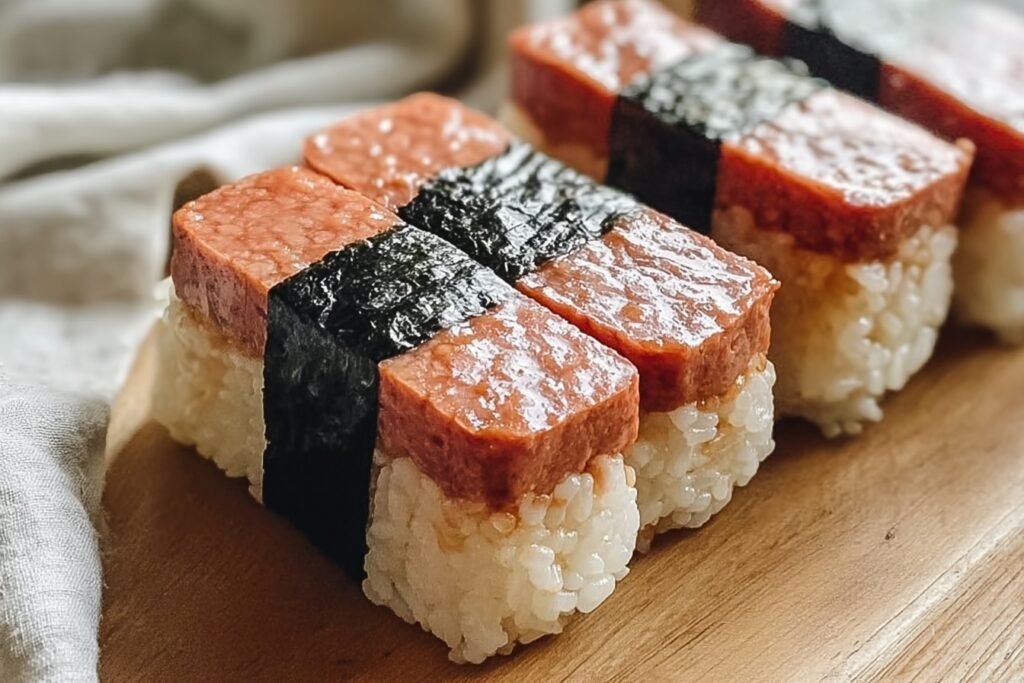
Why You’ll Love This Spam Musubi
If you have been craving a snack that is salty, sweet, filling, and easy to pack up, Spam Musubi is a total winner. This classic Hawaiian favorite brings together simple ingredients and big flavor, which is why so many home cooks come back to it again and again. It fits busy weeknights, lunch boxes, road trips, and those days when you just want something comforting without a lot of fuss.
- Easy to make: This Spam Musubi Recipe uses pantry staples and comes together fast. Once the rice is cooked, the rest moves along quickly, making it a smart choice for busy parents, students, and working professionals.
- Filling and satisfying: With sushi rice, luncheon meat, and nori seaweed, each piece offers a nice balance of carbs, protein, and flavor. It is the kind of snack that actually keeps you full.
- Flexible for different needs: You can swap in brown rice, low-sodium options, or plant-based ideas if you want a lighter or special-diet version of Easy Spam Musubi.
- Bold sweet-savory flavor: The mix of soy sauce, oyster sauce, and sugar gives the Spam a glossy glaze that tastes amazing with the plain rice and crisp seaweed.
Spam Musubi is one of those recipes that looks simple at first glance, but every bite feels like a little reward.
It is also a great recipe for anyone who likes make-ahead food. Whether you are cooking for a family dinner, a beach day, or a quick grab-and-go lunch, this Hawaiian Musubi recipe is handy, tasty, and fun to put together.
For more easy meal ideas, you may also like the recipes on Recipes Valentina.
Jump to:
- Why You’ll Love This Spam Musubi
- Essential Ingredients for Spam Musubi
- Main Ingredients
- Ingredient Notes That Help
- Special Dietary Options
- How to Prepare the Perfect Spam Musubi: Step-by-Step Guide
- First Step: Get the rice ready
- Second Step: Slice the luncheon meat
- Third Step: Mix the sauce
- Fourth Step: Cook the luncheon meat
- Fifth Step: Prepare the nori
- Sixth Step: Shape the rice
- Seventh Step: Add the Spam layer
- Eighth Step: Wrap it up
- Ninth Step: Finish and serve
- Dietary Substitutions to Customize Your Spam Musubi
- Protein and Main Component Alternatives
- Vegetable, Sauce, and Seasoning Modifications
- Mastering Spam Musubi: Advanced Tips and Variations
- Pro cooking techniques
- Flavor variations
- Presentation tips
- Make-ahead options
- How to Store Spam Musubi: Best Practices
- Refrigeration
- Freezing
- Reheating
- Meal prep considerations
- FAQs: Frequently Asked Questions About Spam Musubi
- What is spam musubi?
- How do you make spam musubi at home?
- Should spam musubi be eaten hot or cold?
- How long does spam musubi last in the fridge?
- Is spam musubi healthy?
- Spam Musubi
- Ingredients
- Instructions
- Last Step:
- Notes
- Nutrition
- Did you make this recipe?
Essential Ingredients for Spam Musubi
Before you start, gather everything so assembly goes smoothly. This Spam Musubi Recipe keeps the ingredient list short, which is one reason it is so popular with home cooks who want big flavor without a long shopping trip.
Main Ingredients
- 12 ounces canned luncheon meat – This is the heart of the recipe. When sliced and cooked, it becomes savory, lightly crisp, and perfect with the sweet glaze.
- 1/4 cup oyster sauce – Adds depth and a rich umami note that balances the sweetness.
- 1/4 cup soy sauce – Brings saltiness and that classic savory flavor many people expect in Hawaiian Spam Musubi.
- 1/2 cup sugar – Helps create the sticky glaze that coats the meat beautifully.
- 6 cups cooked sushi rice without vinegar mixture – Forms the soft base that holds the whole snack together. Sticky rice works best because it presses neatly into shape.
- Roasted nori seaweed cut into halves or thirds – Wraps the musubi and adds a crisp, ocean-like flavor.
- Furikake, optional – A tasty extra that adds sesame, seaweed, and savory seasoning to the rice.
Ingredient Notes That Help
| Ingredient | Why It Matters | Helpful Tip |
|---|---|---|
| Canned luncheon meat | Creates the salty base | Slice evenly so each piece cooks at the same rate |
| Rice | Holds the shape and softens the flavors | Use freshly cooked rice for the best texture |
| Nori | Adds structure and flavor | Wrap just before serving to keep it crisp |
Special Dietary Options
- Vegan: Swap the luncheon meat for grilled tofu, tempeh, or a plant-based Spam-style product.
- Gluten-free: Use certified gluten-free soy sauce or tamari, and check the oyster sauce label carefully.
- Low-calorie: Use less sugar, choose a lighter meat substitute, and serve with extra cucumber or steamed vegetables on the side.
For more background on seaweed, you can read this helpful article from Cleveland Clinic on seaweed benefits. If you want to compare meat options and nutrition details, this canned meat ingredient guide is also useful.
How to Prepare the Perfect Spam Musubi: Step-by-Step Guide
Making Easy Spam Musubi at home is a lot simpler than it looks. Once you get the rhythm of slicing, glazing, and layering, the whole process moves quickly. If you have a rice cooker and a skillet, you are already most of the way there.
First Step: Get the rice ready
Start by cooking 6 cups of sushi rice if it is not already done. Since this recipe uses cooked sushi rice without vinegar mixture, you want plain sticky rice that can hold its shape. Let the rice cool just enough so it is warm, but not steaming hot. This makes it easier to handle and shape.
Second Step: Slice the luncheon meat
Open the 12 ounces of canned luncheon meat and cut it into even slices, about 8 pieces total. Thinner slices work well because they cook faster and get a better golden edge. If you want neat, even pieces, a sharp knife makes the job much easier.
Third Step: Mix the sauce
In a small bowl, combine 1/4 cup oyster sauce, 1/4 cup soy sauce, and 1/2 cup sugar. Stir until the sugar starts to dissolve. This mixture turns into a sweet-savory glaze that gives Spam Musubi its signature taste.
Fourth Step: Cook the luncheon meat
Set a skillet over medium heat. Add the luncheon meat slices and cook them for about 2 to 3 minutes per side, until they start to brown. Pour in the sauce mixture and let it bubble gently. Turn the slices in the pan so every piece gets coated. Cook for another 2 to 4 minutes, until the glaze thickens and sticks to the meat.
Fifth Step: Prepare the nori
Cut the roasted nori seaweed into halves or thirds, depending on the size you want. If you are using a Spam can mold, narrower pieces often make wrapping easier. Keep the nori close by so you can assemble the musubi while the rice is still warm.
Sixth Step: Shape the rice
Line a clean Spam can, musubi mold, or rectangular measuring tool with plastic wrap. Spoon in a layer of rice and press it down firmly. Add a little furikake if you like that extra seasoning. The rice should be compact, but not smashed so hard that it turns dense.
Seventh Step: Add the Spam layer
Place one glazed slice of luncheon meat on top of the rice. Then add a second layer of rice over the meat if you want the traditional stacked look. Press gently so the layers stay together. If the rice sticks to your hands, dip your fingers in water first.
Eighth Step: Wrap it up
Lift the musubi from the mold and place a strip of nori around the center. The seaweed should wrap around the rice and Spam like a belt. Use a tiny dab of water to help seal the edge if needed.
Ninth Step: Finish and serve
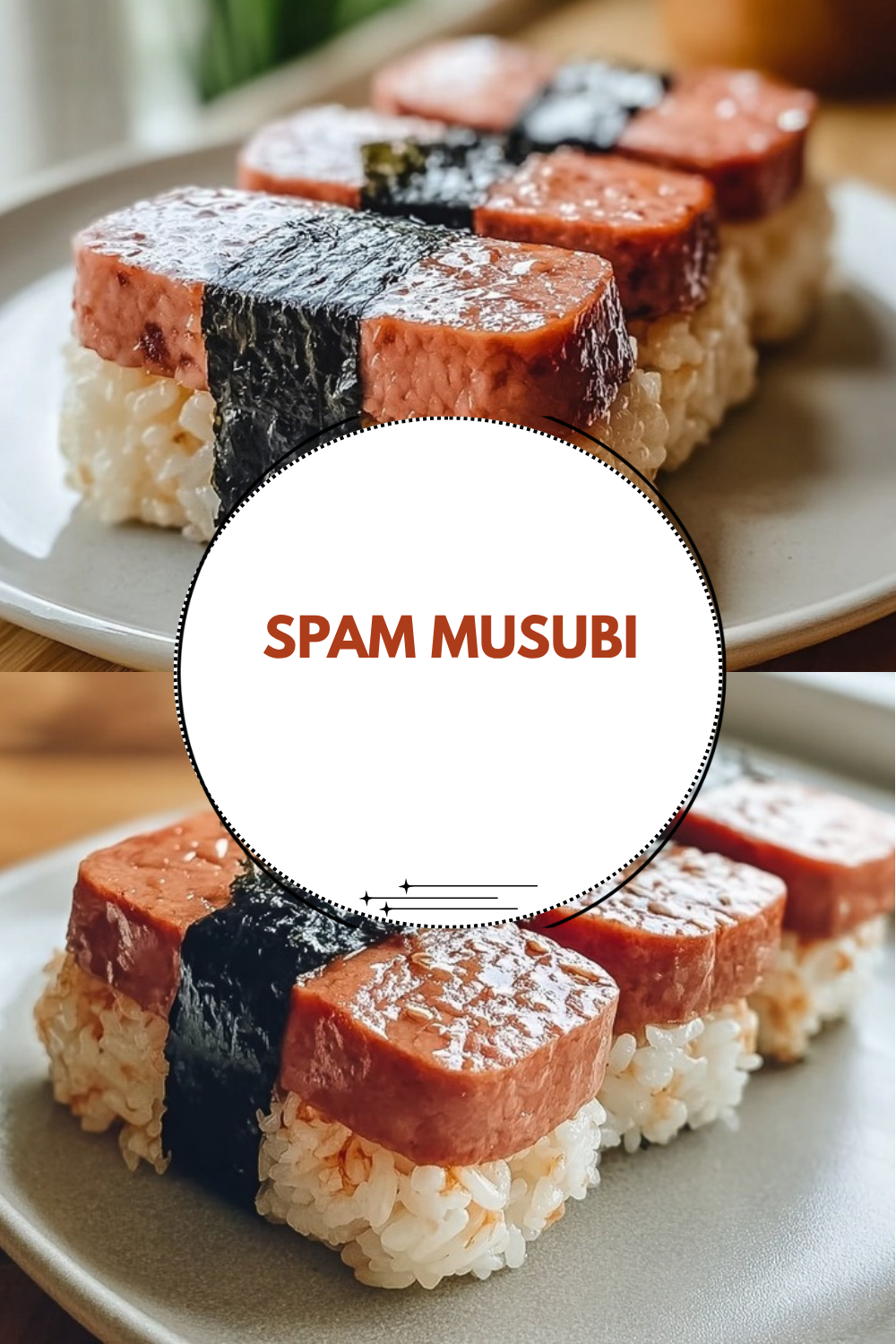
Let the Spam Musubi rest for 1 to 2 minutes so the shape sets. Serve it warm for the best texture. The rice should be soft, the Spam glossy, and the nori just crisp enough to give each bite a nice finish.
Quick tip: keep a small bowl of water nearby while assembling. Wet hands make shaping the rice much easier and less sticky.

Dietary Substitutions to Customize Your Spam Musubi
Protein and Main Component Alternatives
If you want to make this Hawaiian Spam Musubi Recipe fit different diets, there are several easy swaps. For a vegetarian version, use firm tofu, tempeh, or a plant-based luncheon meat. These options hold up well in the pan and still work with the sweet sauce. If you like a lighter protein, turkey luncheon meat can also work, though the flavor will be milder.
For the rice, brown sushi rice is a nice option if you want more fiber. It is a little less sticky than white sushi rice, but it still works if you pack it firmly. You can also use smaller rice portions for a lower-carb serving.
Vegetable, Sauce, and Seasoning Modifications
To add more freshness, tuck in thin cucumber sticks, avocado slices, or pickled vegetables. These add color and a cool contrast to the warm rice and savory meat. If you want a lower-sodium version, use reduced-sodium soy sauce and a smaller amount of oyster sauce. You can also cut back on the sugar a little and still get a good glaze.
Furikake is optional, but it adds a fun layer of flavor. If you do not have it, toasted sesame seeds, a pinch of salt, or a little extra nori crumbled over the rice can work too. Small changes like these make Easy Spam Musubi fit different tastes without losing its charm.
Mastering Spam Musubi: Advanced Tips and Variations
Pro cooking techniques
If you want your Spam Musubi Recipe to look clean and taste even better, a few small tricks help a lot. First, chill the canned luncheon meat for a few minutes before slicing if it feels too soft. That makes it easier to cut into even pieces. Second, let the sauce reduce just until it lightly coats the meat. If it cooks too long, it can get sticky in a bad way and turn bitter.
Also, do not overpack the rice. You want it firm enough to hold together, but still soft when you bite into it. A musubi mold helps, but a cleaned Spam can works just fine if you line it with plastic wrap.
Flavor variations
You can keep the classic Hawaiian Musubi flavor or mix things up a little. Try adding a fried egg for a breakfast-style version. A sprinkle of furikake inside and outside the rice gives more color and flavor. If you like a sweeter finish, brush on a little extra glaze right before wrapping.
For a spicy twist, stir in a small amount of chili sauce or serve with spicy mayo on the side. If you want a more filling version, add avocado or cucumber inside the musubi for freshness and texture.
Presentation tips
Slice each piece cleanly if you plan to serve it on a platter. Wiping the knife with a damp towel between cuts helps keep the edges neat. Place the musubi seam-side down so the nori stays in place. A little sesame sprinkle or a tiny bowl of dipping sauce on the side makes the plate look extra inviting.
Make-ahead options
You can cook the rice and glaze the Spam ahead of time, then assemble later in the day. If you are meal prepping for school or work, wrap each musubi individually so it stays together in a lunch bag. That makes Easy Hawaiian Spam Musubi a practical grab-and-go meal for busy schedules.
How to Store Spam Musubi: Best Practices
Spam Musubi tastes best fresh, but leftovers can still be very useful if you store them the right way.
Refrigeration
Wrap each piece tightly in plastic wrap or place it in an airtight container. Store it in the refrigerator for 1 to 2 days. The rice may firm up a bit, so try to eat it sooner rather than later.
Freezing
For longer storage, wrap the musubi individually, then place them in a freezer-safe bag or container. Freeze for up to 1 month. When you are ready to eat them, thaw in the fridge overnight.
Reheating
Warm refrigerated or thawed musubi in the microwave for 20 to 30 seconds, just until heated through. You can also use a steamer for gentle warming. Avoid overheating, since that can make the rice dry or chewy.
Meal prep considerations
If you are making a big batch, keep the nori separate until serving time when possible. That helps it stay from getting soft. This is especially helpful if you are packing lunch for work, school, or a day trip.
FAQs: Frequently Asked Questions About Spam Musubi
What is spam musubi?
How do you make spam musubi at home?
Should spam musubi be eaten hot or cold?
How long does spam musubi last in the fridge?
Is spam musubi healthy?
Spam Musubi
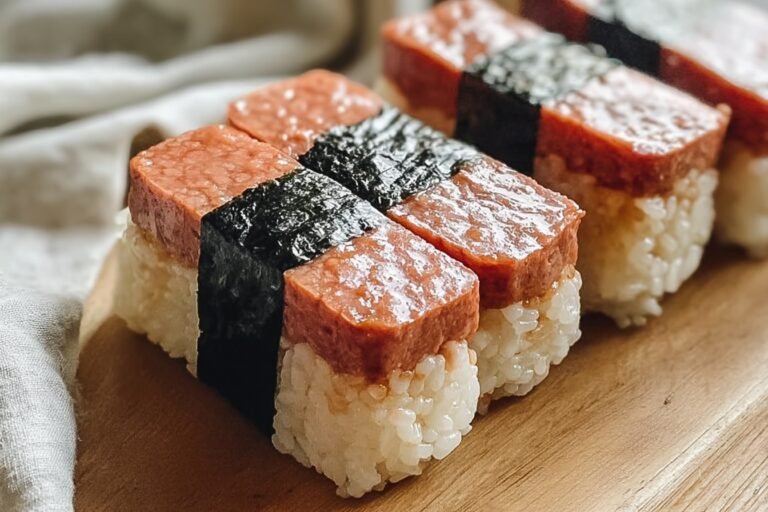
🍱 Crispy, glazed Spam atop sticky rice wrapped in nori – an easy Hawaiian street food favorite that’s portable and irresistible!
🏝️ Quick 30-minute recipe packed with savory-sweet flavors, perfect for snacks, lunches, or parties.
- Total Time: 30 minutes
- Yield: 8 musubi
Ingredients
– 12 ounces canned luncheon meat
– 1/4 cup oyster sauce
– 1/4 cup soy sauce
– 1/2 cup sugar
– 6 cups cooked sushi rice without vinegar mixture
– Roasted nori seaweed cut into halves or thirds
– Furikake, optional
Instructions
1-First Step: Get the rice ready Start by cooking 6 cups of sushi rice if it is not already done. Since this recipe uses cooked sushi rice without vinegar mixture, you want plain sticky rice that can hold its shape. Let the rice cool just enough so it is warm, but not steaming hot. This makes it easier to handle and shape.
2-Second Step: Slice the luncheon meat Open the 12 ounces of canned luncheon meat and cut it into even slices, about 8 pieces total. Thinner slices work well because they cook faster and get a better golden edge. If you want neat, even pieces, a sharp knife makes the job much easier.
3-Third Step: Mix the sauce In a small bowl, combine 1/4 cup oyster sauce, 1/4 cup soy sauce, and 1/2 cup sugar. Stir until the sugar starts to dissolve. This mixture turns into a sweet-savory glaze that gives Spam Musubi its signature taste.
4-Fourth Step: Cook the luncheon meat Set a skillet over medium heat. Add the luncheon meat slices and cook them for about 2 to 3 minutes per side, until they start to brown. Pour in the sauce mixture and let it bubble gently. Turn the slices in the pan so every piece gets coated. Cook for another 2 to 4 minutes, until the glaze thickens and sticks to the meat.
5-Fifth Step: Prepare the nori Cut the roasted nori seaweed into halves or thirds, depending on the size you want. If you are using a Spam can mold, narrower pieces often make wrapping easier. Keep the nori close by so you can assemble the musubi while the rice is still warm.
6-Sixth Step: Shape the rice Line a clean Spam can, musubi mold, or rectangular measuring tool with plastic wrap. Spoon in a layer of rice and press it down firmly. Add a little furikake if you like that extra seasoning. The rice should be compact, but not smashed so hard that it turns dense.
7-Seventh Step: Add the Spam layer Place one glazed slice of luncheon meat on top of the rice. Then add a second layer of rice over the meat if you want the traditional stacked look. Press gently so the layers stay together. If the rice sticks to your hands, dip your fingers in water first.
8-Eighth Step: Wrap it up Lift the musubi from the mold and place a strip of nori around the center. The seaweed should wrap around the rice and Spam like a belt. Use a tiny dab of water to help seal the edge if needed.
9-Ninth Step: Finish and serve Let the Spam Musubi rest for 1 to 2 minutes so the shape sets. Serve it warm for the best texture. The rice should be soft, the Spam glossy, and the nori just crisp enough to give each bite a nice finish.
Last Step:
Please leave a rating and comment letting us know how you liked this recipe! This helps our business to thrive and continue providing free, high-quality recipes for you.Notes
🔪 Slice Spam evenly for uniform cooking and presentation.
🍚 Use freshly cooked sushi rice for the best sticky texture that holds together.
🌿 Add furikake or sesame seeds for extra Hawaiian flair and flavor.
- Prep Time: 15 minutes
- Cook Time: 15 minutes
- Category: Snacks
- Method: Stovetop
- Cuisine: Hawaiian
Nutrition
- Serving Size: 1 musubi
- Calories: 380
- Sugar: 10g
- Sodium: 1200mg
- Fat: 12g
- Saturated Fat: 4g
- Unsaturated Fat: 8g
- Trans Fat: 0g
- Carbohydrates: 50g
- Fiber: 1g
- Protein: 12g
- Cholesterol: 30mg