Ingredients
– 1 cup creamy peanut butter – Provides the rich, nutty base flavor and contributes to the chewy texture
– 1/2 cup unsalted butter, softened – Adds richness and helps create the tender crumb structure
– 1/2 cup brown sugar, packed – Imparts moisture and deep caramel notes for chewiness
– 1/2 cup granulated sugar – Creates crisp edges while balancing sweetness
– 1 large egg, room temperature – Binds ingredients together and provides structure
– 1 teaspoon vanilla extract – Enhances the overall flavor profile
– 1 1/2 cups all-purpose flour – Forms the base structure of the cookie
– 1/2 teaspoon baking soda – Helps the cookies rise slightly and spread
– 1/4 teaspoon salt – Balances sweetness and intensifies flavors
Instructions
1-First Step: Preparation and Mise en Place Start by preheating your oven to 350°F (175°C) and lining two baking sheets with parchment paper or silicone baking mats. This preparation step ensures your cookies won’t stick and makes cleanup effortless. Measure all ingredients beforehand, having them at room temperature for optimal blending. Room temperature ingredients incorporate more smoothly, creating a uniform dough texture that bakes evenly. While the oven heats, clear your workspace and set out your mixing bowls, measuring cups, and utensils. Having everything organized before you begin makes the baking process more enjoyable and helps prevent mistakes. If you’re making dietary adaptations, prepare your substitutions now so they’re ready to use.
2-Second Step: Creaming the Base In a large mixing bowl, combine the softened butter and both sugars. Using an electric mixer on medium speed, beat these ingredients together for about 2-3 minutes until the mixture is light and fluffy. This step incorporates air into the batter, which contributes to the soft texture we want in our peanut butter cookie recipe. Add the peanut butter to the creamed mixture and continue beating until fully combined and smooth. The mixture should appear cohesive and creamy at this stage. Scrape down the sides of the bowl with a rubber spatula to ensure all ingredients are well incorporated. For those following dessert recipes that require precise timing, this creaming process is essential for achieving the perfect cookie texture.
3-Third Step: Adding Wet Ingredients Add the egg and vanilla extract to the peanut butter mixture. Beat on medium speed for another minute until the egg is fully incorporated and the mixture appears glossy. This step is crucial for binding the dough and providing structure to your cookies. Be careful not to overmix at this stage, which could develop too much gluten in the flour when we add it next. If you’re using any liquid substitutions for dietary needs, add them at this point. Vegan egg replacements should be fully prepared and added just like a regular egg. The batter should now be smooth and slightly thick, holding its shape when lifted with a spatula.
4-Fourth Step: Incorporating Dry Ingredients In a separate medium bowl, whisk together the flour, baking soda, and salt. This step ensures the leavening agent and salt are evenly distributed throughout the flour, which prevents pockets of saltiness or uneven rising in your finished cookies. Gradually add the dry ingredients to the wet mixture, mixing on low speed just until combined. Overmixing at this stage will result in tough cookies, so stop as soon as no flour streaks remain visible. The dough should be thick and slightly sticky but hold its shape when rolled into balls. For gluten-free versions, pay close attention to the dough consistency as alternative flours may absorb moisture differently.
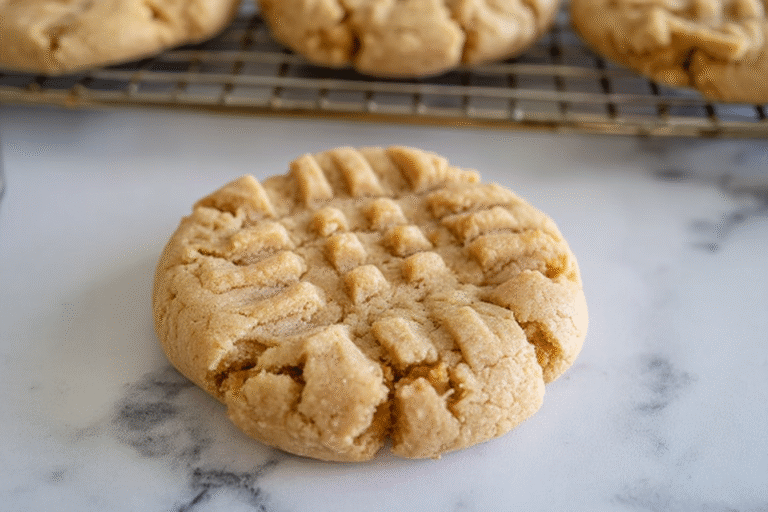
5-Fifth Step: Shaping and Baking Scoop portions of dough using a cookie scoop or tablespoon, rolling each portion into smooth balls about 1.5 inches in diameter. Place the dough balls on the prepared baking sheets, spacing them about 2 inches apart to allow for spreading. For that classic peanut butter cookie appearance, use a fork to create a crisscross pattern on top of each ball, dipping the fork in sugar between presses to prevent sticking. Bake the cookies for 10-12 minutes, or until the edges are set but the centers still look slightly soft. They will continue to firm up as they cool on the baking sheet. Remove from the oven and let cool on the pans for 5 minutes before transferring to a wire rack to cool completely. This resting period helps set the structure, ensuring your cookies maintain their perfect texture.
6-Final Step: Serving and Enjoying Once completely cooled, these soft peanut butter cookies are ready to enjoy. They pair wonderfully with a glass of cold milk, a hot cup of coffee, or your favorite tea. For an extra special presentation, you can drizzle melted chocolate over the cooled cookies or sandwich two together with a layer of chocolate ganache or peanut butter frosting. These cookies keep well at room temperature for several days, making them perfect for bake sales, cookie exchanges, or simply having a homemade treat on hand throughout the week. The recipe yields approximately 24 cookies, depending on size, making it ideal for sharing with family and friends.
Last Step:
Please leave a rating and comment letting us know how you liked this recipe! This helps our business to thrive and continue providing free, high-quality recipes for you.Notes
🥄 Use natural peanut butter for deeper flavor, but stir well first.
❄️ Slightly underbake for maximum chewiness; they firm as cooling.
💎 Press fork gently to avoid tough cookies – dough is sticky!
- Prep Time: 10 minutes
- Cook Time: 10 minutes
- Category: Dessert
- Method: Baking
- Cuisine: American
- Diet: Vegetarian
Nutrition
- Serving Size: 1 cookie
- Calories: 140 calories
- Sugar: 10g
- Sodium: 120mg
- Fat: 8g
- Saturated Fat: 3g
- Unsaturated Fat: 4g
- Trans Fat: 0g
- Carbohydrates: 14g
- Fiber: 1g
- Protein: 3g
- Cholesterol: 20mg