
Why You’ll Love This Pancit Bihon
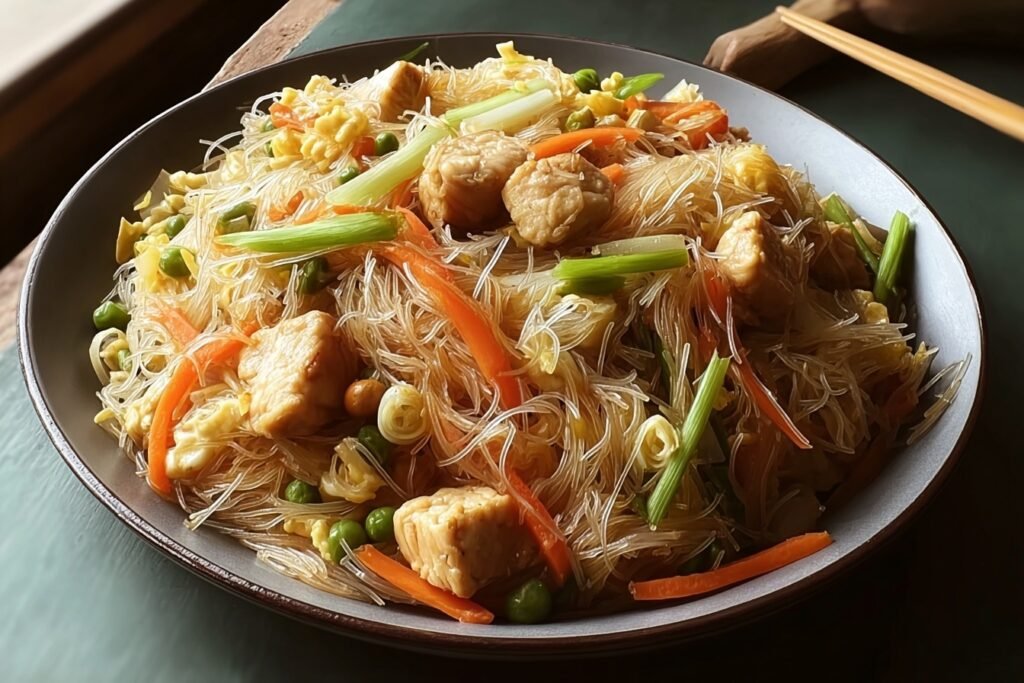
Pancit Bihon is one of those dishes that feels like a warm hug in a bowl. It is a quick Filipino noodle stir fry that works for busy weeknights, family gatherings, or simple meal prep when you want something filling without a lot of fuss. If you are looking for a Pancit Bihon Recipe that is easy to follow and full of comforting flavor, this one checks all the boxes.
- Easy to make: The steps are simple, and most of the cooking happens in one large wok. Once the meat, vegetables, and sauce are ready, the bihon noodles come together fast.
- Balanced and filling: This Filipino Pancit brings together rice noodles, pork, chicken, and vegetables like carrots, cabbage, and snow peas. You get carbs, protein, and fiber in one plate.
- Flexible for different diets: You can make a plant-based version with tofu, swap in vegan broth, or add extra vegetables like mushrooms and green beans. That makes this Easy Pancit Bihon Guisado a friendly option for many eaters.
- Comforting flavor: The mix of garlic, onion, soy sauce, chicken powder, and tender meat gives this noodle stir fry its signature savory taste.
Hot, savory, and packed with vegetables, Pancit Bihon is the kind of dish that disappears fast once it hits the table.
For readers who enjoy other quick family meals, you may also like our easy Filipino home-style recipes on Recipes Valentina.
Jump to:
- Why You’ll Love This Pancit Bihon
- Essential Ingredients for Pancit Bihon
- Main ingredients
- Special dietary options
- How to Prepare the Perfect Pancit Bihon: Step-by-Step Guide
- First step: get everything ready
- Second step: sauté the aromatics
- Third step: cook the pork and chicken
- Fourth step: build the broth
- Fifth step: add the vegetables
- Sixth step: separate the solids from the liquid
- Seventh step: season the broth and add the noodles
- Eighth step: bring everything back together
- Final step: serve hot
- Dietary Substitutions to Customize Your Pancit Bihon
- Protein and main component alternatives
- Vegetable, sauce, and seasoning modifications
- Mastering Pancit Bihon: Advanced Tips and Variations
- Pro cooking techniques
- Flavor variations
- Presentation tips
- Make-ahead options
- How to Store Pancit Bihon: Best Practices
- FAQs: Frequently Asked Questions About Pancit Bihon
- What is Pancit Bihon?
- What ingredients do I need for Pancit Bihon?
- How do you cook Pancit Bihon step by step?
- How do you store Pancit Bihon safely?
- Can you freeze Pancit Bihon and how do you reheat it?
- Pancit Bihon
- Ingredients
- Instructions
- Last Step:
- Notes
- Nutrition
- Did you make this recipe?
Essential Ingredients for Pancit Bihon
This Pancit Bihon Guisado Recipe uses simple ingredients that are easy to find in most grocery stores. Each one has a job to do, from building flavor to giving the noodles a soft, savory finish.
Main ingredients
- 1 pound pancit bihon rice noodles – The base of the dish. These thin noodles soak up the sauce beautifully.
- 1/2 pound pork, cut into small thin slices – Adds rich flavor and a satisfying bite.
- 1/2 pound chicken, cooked, deboned, and cut into thin slices – Brings extra protein and a mild savory taste.
- 1/8 pound snow peas – Gives the dish a crisp texture and fresh green color.
- 1 cup carrot – Adds sweetness and bright color.
- 1/2 small cabbage, chopped – Bulks up the dish and softens nicely in the sauce.
- 1 cup celery leaves, chopped finely – Adds a fresh, slightly earthy finish.
- 1 onion, chopped – Builds the flavor base.
- 1/2 tablespoon garlic, minced – Gives the dish its classic aromatic start.
- 2 teaspoons chicken powder – Adds deeper savory flavor to the broth.
- 5 tablespoons soy sauce – Seasons the noodles and gives the dish its signature color.
- 3 to 4 cups water – Creates the cooking liquid for the noodles and meat.
- 3 tablespoons cooking oil – Used to sauté the aromatics and start the stir fry.
Special dietary options
- Vegan: Replace pork and chicken with tofu or mushrooms. Use vegan chicken broth or vegetable broth instead of chicken powder and regular broth.
- Gluten-free: Bihon noodles are naturally rice-based, but check the soy sauce label and choose a gluten-free version.
- Low-calorie: Use more vegetables and less meat, then reduce the oil slightly if needed.
For a deeper look at the protein side of this dish, you can read about chicken nutrition and health information. If you want to add more veggie power, this article on cabbage and its benefits is helpful too.
How to Prepare the Perfect Pancit Bihon: Step-by-Step Guide
First step: get everything ready
Before you start cooking, prepare all the ingredients so the process moves smoothly. Slice the pork into small thin pieces, cut the cooked chicken into thin strips, chop the onion, mince the garlic, and slice the carrot, cabbage, snow peas, and celery leaves. This recipe cooks quickly once the wok gets hot, so having everything ready makes a big difference.
If you are using the noodles, place the 1 pound pancit bihon rice noodles in water for about 10 minutes. Soaking helps them soften and cook evenly later. Some brands soften fast, so if your noodles look pliable sooner, you can drain them early.
Second step: sauté the aromatics
Heat 3 tablespoons cooking oil in a large wok over medium heat. Add the minced garlic and chopped onion, then sauté until fragrant and the onion starts to turn soft. This usually takes about 1 to 2 minutes. You want the kitchen to smell amazing before adding the meat.
Keep the heat steady so the garlic does not burn. Burnt garlic can turn bitter and change the whole flavor of the dish.
Third step: cook the pork and chicken
Add the 1/2 pound pork and 1/2 pound chicken to the wok. Stir them with the garlic and onion and cook for about 2 minutes. The goal here is to coat the meat with the aromatics and give it a head start before the simmering liquid goes in.
Since the chicken is already cooked and deboned, it only needs to warm through and absorb flavor. The pork will continue to cook in the broth, so thin slices work best.
Fourth step: build the broth
Pour in 2 teaspoons chicken powder and 3 to 4 cups water. Stir well, then let everything simmer for about 15 minutes. This step helps the pork become tender while the broth develops a savory base.
Watch the heat closely. A gentle simmer is better than a hard boil because it keeps the broth from reducing too fast before the vegetables are added.
Fifth step: add the vegetables
Add the carrots, snow peas, cabbage, and finely chopped celery leaves to the wok. Simmer for a few minutes until the vegetables start to soften but still keep a little bite. You do not want them mushy because they will go back into the dish later.
At this stage, the broth should smell rich and lightly sweet from the carrots and cabbage. The snow peas should stay bright green if you cook them briefly.
Sixth step: separate the solids from the liquid
Carefully remove all the ingredients from the wok except the liquid and set them aside. This might sound unusual, but it helps the bihon noodles cook directly in the seasoned broth, which gives them better flavor.
Keep the meat and vegetables close by. You will add them back later so everything stays tender and tasty.
Seventh step: season the broth and add the noodles
To the liquid left in the wok, add 5 tablespoons soy sauce and mix well. Taste the broth if needed and adjust lightly, keeping in mind the soy sauce will season the noodles as they cook.
Add the soaked pancit bihon and stir until the noodles are coated with the liquid. Keep tossing so the noodles do not clump. Cook until the liquid evaporates completely and the noodles have absorbed most of the flavor.
Eighth step: bring everything back together
Return the cooked pork, chicken, and vegetables to the wok. Toss everything together and simmer for 1 to 2 minutes so the flavors blend. At this point, the noodles should be tender but not mushy, and the vegetables should still look fresh.
If the pan looks too dry before the noodles are done, add a small splash of water. If it looks too wet, keep cooking until the liquid is gone.
Final step: serve hot
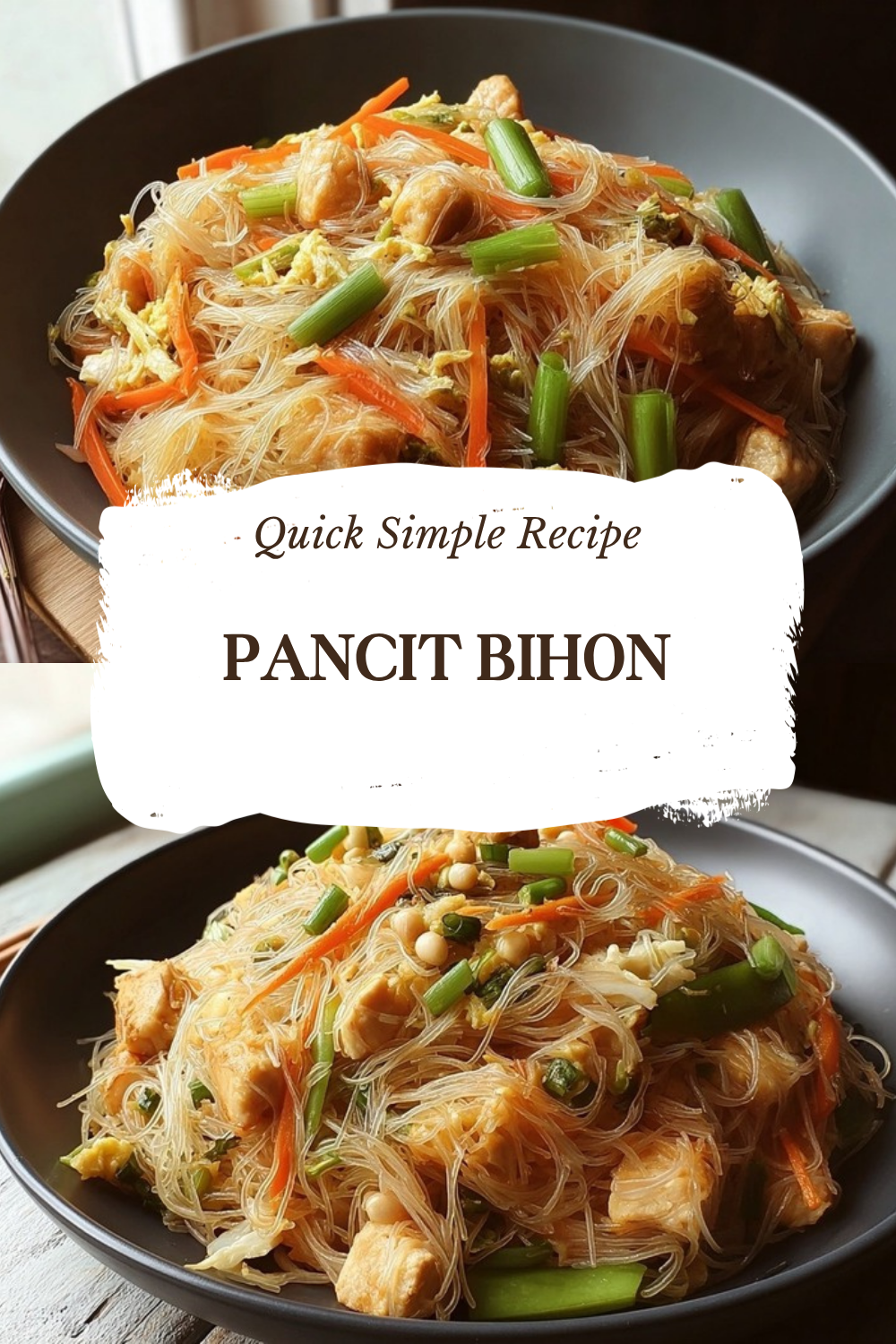
Transfer the Pancit Bihon to a serving platter or large bowl and serve it hot. This dish is great on its own, but it also pairs well with calamansi for tanginess, white bread, or lumpiang shanghai for a full Filipino-style meal.
Best tip: Toss the noodles gently and keep the heat steady. That is the easiest way to keep Pancit Bihon from turning soggy.
| Recipe detail | Information |
|---|---|
| Prep time | 15 minutes |
| Cook time | 40 minutes |
| Total time | 55 minutes |
| Yield | About 8 servings |

Dietary Substitutions to Customize Your Pancit Bihon
Protein and main component alternatives
Pancit Bihon is easy to adjust, which is one reason so many people love it. If you want a plant-based version, replace the pork and chicken with tofu. You can also use vegan chicken broth or a vegetable-based seasoning in place of chicken powder. For more protein variety, try shrimp, sliced beef, or even a mix of chicken and pork if you want a heartier bowl.
If you are cooking for guests with different preferences, keep the noodles and vegetables the same and switch only the protein. That way, the dish still tastes like classic Filipino Pancit Bihon while fitting more diets.
Vegetable, sauce, and seasoning modifications
You can swap snow peas for snap peas, or add green beans, mushrooms, or bell peppers for extra color and texture. Chinese sausage is another tasty add-in if you want a sweeter, richer flavor. If you like a more intense savory taste, add a little more soy sauce, but do so slowly so the noodles do not get too salty.
For a brighter finish, serve each plate with calamansi. Lemon works in a pinch if calamansi is not available. If you want a lighter version, use more cabbage and carrots and a little less meat.
Mastering Pancit Bihon: Advanced Tips and Variations
Pro cooking techniques
One of the best ways to improve your Bihon Guisado is to cook in stages, just like the recipe calls for. First, build the flavor base with garlic and onion. Then let the pork simmer long enough to become tender before the noodles go in. This keeps the meat juicy and the noodles well seasoned.
Use a wide wok or large pan so the noodles have room to move. If the pan is too small, the bihon can clump. Stir often, but gently, so the noodles do not break apart.
Flavor variations
Want a more colorful Filipino Noodle Stir Fry Recipe? Add bell peppers, green beans, or mushrooms. Want a richer taste? Add Chinese sausage. If you like a slightly fresher finish, toss in a little extra celery leaves right before serving. You can also increase the snow peas for more crunch.
Presentation tips
Serve Pancit Bihon on a large platter and top it with extra vegetables for color. A few calamansi wedges on the side make the plate look inviting and give everyone a chance to add their own citrus bite. For special occasions, pair it with lumpiang shanghai and white bread, which is a classic combination at many Filipino tables.
Make-ahead options
If you are short on time, chop the vegetables and slice the meats the day before. You can also soak the noodles ahead of time if your brand holds up well. Just store everything separately in the fridge until you are ready to cook. That makes this Quick Pancit Bihon Recipe even easier for weeknights, birthdays, or potlucks.
How to Store Pancit Bihon: Best Practices
Let the dish cool to room temperature before storing it. Then place it in an airtight container and refrigerate for up to 5 days. If possible, store it in portions so it is easier to reheat only what you need.
For longer storage, freeze the cooled Pancit Bihon in freezer-safe containers or bags. It keeps well, though the vegetables may soften a bit after thawing. If you plan to freeze it, try not to overcook the vegetables the first time.
To reheat, thaw frozen portions in the fridge overnight. Then microwave for 1 to 2 minutes, or warm it in a pan with a splash of water until heated through. If you want the noodles to loosen up again, stir gently while reheating. Always check that the center is hot before serving.
Meal prep tip: Keep calamansi, bread, or lumpiang shanghai separate until serving so everything stays fresh and crisp.
FAQs: Frequently Asked Questions About Pancit Bihon
What is Pancit Bihon?
What ingredients do I need for Pancit Bihon?
How do you cook Pancit Bihon step by step?
How do you store Pancit Bihon safely?
Can you freeze Pancit Bihon and how do you reheat it?

Pancit Bihon
🍜 Flavor-packed Filipino rice noodles stir-fried with tender pork, chicken, and crisp veggies – quick comfort food classic!
🥬 One-pan wonder loaded with nutrients, customizable for any diet – ready in under an hour for family feasts.
- Total Time: 55 minutes
- Yield: 8 servings
Ingredients
– 1 pound pancit bihon rice noodles
– 1/2 pound pork, cut into small thin slices
– 1/2 pound chicken, cooked, deboned, and cut into thin slices
– 1/8 pound snow peas
– 1 cup carrot
– 1/2 small cabbage, chopped
– 1 cup celery leaves, chopped finely
– 1 onion, chopped
– 1/2 tablespoon garlic, minced
– 2 teaspoons chicken powder
– 5 tablespoons soy sauce
– 3 to 4 cups water
– 3 tablespoons cooking oil
Instructions
1-First step: get everything ready Before you start cooking, prepare all the ingredients so the process moves smoothly. Slice the pork into small thin pieces, cut the cooked chicken into thin strips, chop the onion, mince the garlic, and slice the carrot, cabbage, snow peas, and celery leaves. This recipe cooks quickly once the wok gets hot, so having everything ready makes a big difference. If you are using the noodles, place the 1 pound pancit bihon rice noodles in water for about 10 minutes. Soaking helps them soften and cook evenly later. Some brands soften fast, so if your noodles look pliable sooner, you can drain them early.
2-Second step: sauté the aromatics Heat 3 tablespoons cooking oil in a large wok over medium heat. Add the minced garlic and chopped onion, then sauté until fragrant and the onion starts to turn soft. This usually takes about 1 to 2 minutes. You want the kitchen to smell amazing before adding the meat. Keep the heat steady so the garlic does not burn. Burnt garlic can turn bitter and change the whole flavor of the dish.
3-Third step: cook the pork and chicken Add the 1/2 pound pork and 1/2 pound chicken to the wok. Stir them with the garlic and onion and cook for about 2 minutes. The goal here is to coat the meat with the aromatics and give it a head start before the simmering liquid goes in. Since the chicken is already cooked and deboned, it only needs to warm through and absorb flavor. The pork will continue to cook in the broth, so thin slices work best.
4-Fourth step: build the broth Pour in 2 teaspoons chicken powder and 3 to 4 cups water. Stir well, then let everything simmer for about 15 minutes. This step helps the pork become tender while the broth develops a savory base. Watch the heat closely. A gentle simmer is better than a hard boil because it keeps the broth from reducing too fast before the vegetables are added.
5-Fifth step: add the vegetables Add the carrots, snow peas, cabbage, and finely chopped celery leaves to the wok. Simmer for a few minutes until the vegetables start to soften but still keep a little bite. You do not want them mushy because they will go back into the dish later. At this stage, the broth should smell rich and lightly sweet from the carrots and cabbage. The snow peas should stay bright green if you cook them briefly.
6-Sixth step: separate the solids from the liquid Carefully remove all the ingredients from the wok except the liquid and set them aside. This might sound unusual, but it helps the bihon noodles cook directly in the seasoned broth, which gives them better flavor. Keep the meat and vegetables close by. You will add them back later so everything stays tender and tasty.
7-Seventh step: season the broth and add the noodles To the liquid left in the wok, add 5 tablespoons soy sauce and mix well. Taste the broth if needed and adjust lightly, keeping in mind the soy sauce will season the noodles as they cook. Add the soaked pancit bihon and stir until the noodles are coated with the liquid. Keep tossing so the noodles do not clump. Cook until the liquid evaporates completely and the noodles have absorbed most of the flavor.
8-Eighth step: bring everything back together Return the cooked pork, chicken, and vegetables to the wok. Toss everything together and simmer for 1 to 2 minutes so the flavors blend. At this point, the noodles should be tender but not mushy, and the vegetables should still look fresh. If the pan looks too dry before the noodles are done, add a small splash of water. If it looks too wet, keep cooking until the liquid is gone.
9-Final step: serve hot Transfer the Pancit Bihon to a serving platter or large bowl and serve it hot. This dish is great on its own, but it also pairs well with calamansi for tanginess, white bread, or lumpiang shanghai for a full Filipino-style meal.
Last Step:
Please leave a rating and comment letting us know how you liked this recipe! This helps our business to thrive and continue providing free, high-quality recipes for you.Notes
🍜 Soak noodles in warm water first for even cooking and to prevent clumping.
🌱 Swap meat for tofu and use vegan broth for a plant-based version; add mushrooms or green beans.
❄️ Cool completely before storing in airtight container; fridge up to 5 days or freeze.
- Prep Time: 15 minutes
- Cook Time: 40 minutes
- Category: Main Dishes
- Method: Stir Fry
- Cuisine: Filipino
Nutrition
- Serving Size: 1 serving
- Calories: 240
- Sugar: 4g
- Sodium: 845mg
- Fat: 11g
- Saturated Fat: 4g
- Unsaturated Fat: 7g
- Trans Fat: 0.03g
- Carbohydrates: 23g
- Fiber: 3g
- Protein: 13g
- Cholesterol: 42mg