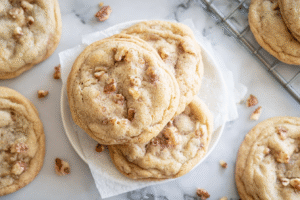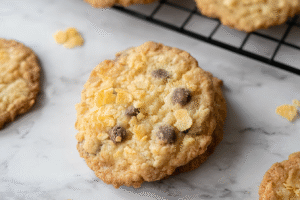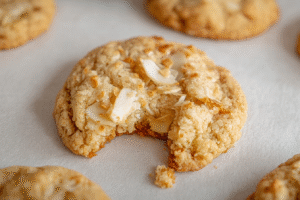

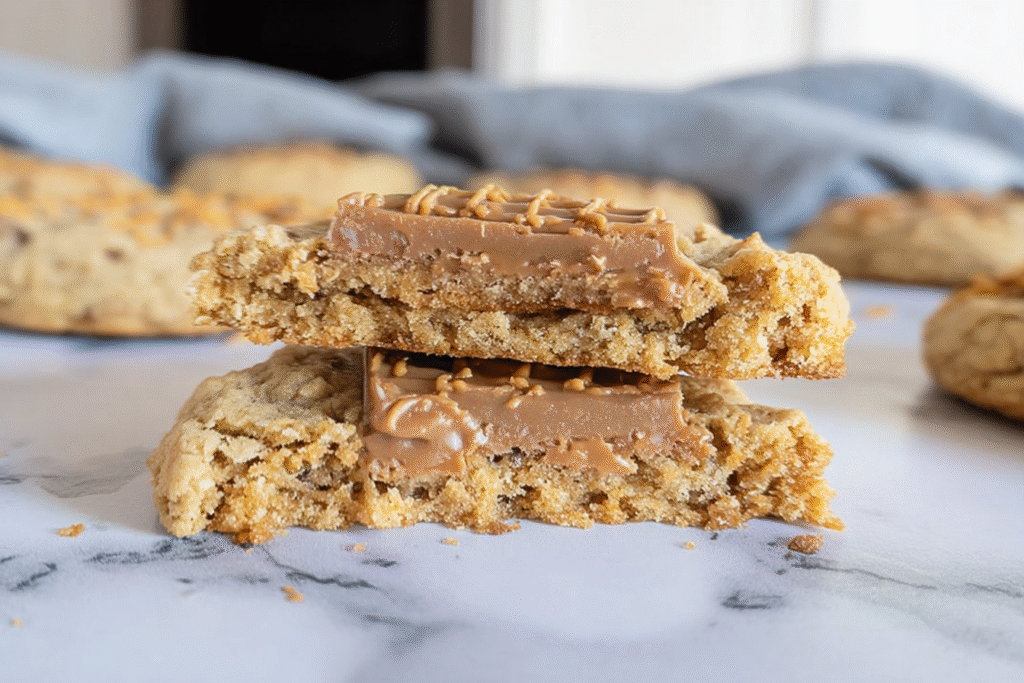
Why You’ll Love This Oatmeal Biscoff Cookies
If you’re looking for a cookie recipe that combines wholesome oats with the irresistible caramel-cinnamon flavor of cookie butter, these Oatmeal Biscoff Cookies are about to become your new favorite treat. The perfect balance of soft and chewy textures will have you reaching for seconds, thirds, and maybe even fourths!
- Ease of preparation: This recipe comes together with simple ingredients and straightforward steps, making it perfect for both novice bakers and experienced cookie enthusiasts. You can have these ready in under 30 minutes of active prep time, with no special equipment needed beyond a mixing bowl and baking sheets.
- Health benefits: These cookies offer a nutritional boost from the oats, which provide fiber and essential nutrients. While they’re still a treat, you can feel better about indulging when you know they contain wholesome oats rather than just refined flour and sugar.
- Versatility: This recipe adapts easily to different dietary needs with simple substitutions. Whether you’re vegan, gluten-free, or watching your sugar intake, you can adjust the ingredients to suit your specific requirements without sacrificing flavor or texture.
- Distinctive flavor: The combination of classic oatmeal cookies with the unique spiced caramel notes of Biscoff creates a flavor profile that stands out from ordinary cookies. It’s a sophisticated taste that appeals to both children and adults alike.
Jump to:
- Why You’ll Love This Oatmeal Biscoff Cookies
- Essential Ingredients for Oatmeal Biscoff Cookies
- Main Ingredients
- Special Dietary Options
- How to Prepare the Perfect Oatmeal Biscoff Cookies: Step-by-Step Guide
- Preparing Your Workspace
- Creating the Cookie Dough
- Incorporating Dry Ingredients
- Shaping and Baking
- Cooling and Serving
- Dietary Substitutions to Customize Your Oatmeal Biscoff Cookies
- Protein and Main Component Alternatives
- Vegetable, Sauce, and Seasoning Modifications
- Mastering Oatmeal Biscoff Cookies: Advanced Tips and Variations
- Pro Cooking Techniques
- Flavor Variations
- Presentation Tips
- Make-Ahead Options
- How to Store Oatmeal Biscoff Cookies: Best Practices
- Refrigeration
- Freezing
- Reheating
- Meal Prep Considerations
- FAQs: Frequently Asked Questions About Oatmeal Biscoff Cookies
- What are oatmeal Biscoff cookies?
- How do you make oatmeal Biscoff cookies from scratch?
- Can you substitute ingredients in oatmeal Biscoff cookies?
- How long do oatmeal Biscoff cookies stay fresh?
- Why are my oatmeal Biscoff cookies dry and how to fix it?
- Oatmeal Biscoff Cookies
- Ingredients
- Instructions
- Last Step:
- Notes
- Nutrition
- Did you make this recipe?
Essential Ingredients for Oatmeal Biscoff Cookies
Creating the perfect Oatmeal Biscoff Cookies requires gathering quality ingredients that work together to produce that irresistible soft and chewy texture. Below is a comprehensive list of everything you’ll need to make these delicious treats.
Main Ingredients
1 cup Biscoff spread – The star ingredient that provides the unique caramel-cinnamon flavor and moist texture to the cookies
1½ cups rolled oats – Adds structure, chewiness, and fiber to the cookies
1 cup all-purpose flour – Forms the base structure of the cookie dough
½ cup softened butter – Creates a rich, tender crumb and helps with spreading during baking
¾ cup brown sugar – Adds moisture and depth of flavor with its molasses content
¼ cup white sugar – Promotes slight crispiness on the edges of the cookies
1 large egg – Binds the ingredients together and adds structure
1 teaspoon vanilla extract – Enhances the overall flavor profile
1 teaspoon baking soda – Helps the cookies rise and spread properly
½ teaspoon cinnamon – Complements the natural spices in the Biscoff spread
¼ teaspoon salt – Balances sweetness and enhances all the flavors
Special Dietary Options
- Vegan: Substitute butter with plant-based margarine or coconut oil, replace the egg with a flax egg (1 tablespoon ground flaxseed mixed with 3 tablespoons water), and ensure your Biscoff spread is vegan-friendly.
- Gluten-free: Use a 1:1 gluten-free flour blend instead of all-purpose flour, and opt for certified gluten-free rolled oats to maintain the texture without the gluten.
- Low-calorie: Reduce the total amount of sugar by ¼ cup and consider using a sugar substitute that measures like sugar. You can also substitute half the butter with unsweetened applesauce to reduce calories while maintaining moisture.
How to Prepare the Perfect Oatmeal Biscoff Cookies: Step-by-Step Guide
Creating these soft and chewy Oatmeal Biscoff Cookies is a rewarding experience that yields delicious results every time when you follow these detailed instructions. Let’s walk through the process together to ensure your cookies turn out perfectly.
Preparing Your Workspace
First Step: Begin by preheating your oven to 350°F (175°C) and preparing your baking sheets. Line two large baking sheets with parchment paper or silicone baking mats to prevent the cookies from sticking and make cleanup easier. Having your oven ready before you start mixing ensures the dough won’t sit too long before baking, which could affect its texture.
Make sure all your ingredients are at room temperature, especially the butter and Biscoff spread. This helps them cream together more easily, creating a uniform texture in your cookie dough. Gather all your measuring tools and mixing bowls to have everything within reach before you begin.
Creating the Cookie Dough
Second Step: In a large mixing bowl, cream together ½ cup softened butter and ½ cup Biscoff spread until smooth and well combined. This should take about 1-2 minutes with an electric mixer on medium speed. The mixture should have a creamy, uniform consistency without large lumps.
Third Step: Add ¾ cup brown sugar and ¼ cup white sugar to the butter mixture. Continue beating on medium speed for 2-3 minutes until the mixture becomes light and fluffy. This process incorporates air into the dough, which helps create a lighter texture in the baked cookies. Scrape down the sides of the bowl occasionally to ensure all ingredients are well incorporated.
Fourth Step: Beat in 1 egg and 1 teaspoon vanilla extract until fully combined. The mixture may look slightly curdled at this point, which is normal. Continue mixing until smooth and glossy. This step adds moisture and richness to the cookie dough while helping to bind the ingredients together.
Incorporating Dry Ingredients
Fifth Step: In a separate medium bowl, whisk together 1 cup all-purpose flour, 1 teaspoon baking soda, ½ teaspoon cinnamon, and ¼ teaspoon salt. This ensures the leavening agent and spices are evenly distributed throughout the flour, preventing any clumps of baking soda or cinnamon in your finished cookies.
Sixth Step: Gradually add the dry ingredient mixture to the wet ingredients, mixing on low speed just until combined. Be careful not to overmix at this stage, as overworking the dough can develop gluten and result in tough cookies. The dough should be thick but still pliable.
Seventh Step: Gently fold in 1½ cups rolled oats using a spatula or wooden spoon. Mix just until the oats are evenly distributed throughout the dough. The oats will provide that classic chewy texture and nutritional benefits that make these cookies special.
Shaping and Baking
Eighth Step: Using a cookie scoop or tablespoon, portion the dough into balls approximately 2 tablespoons each. Place them on the prepared baking sheets, leaving about 2 inches of space between each cookie to allow for spreading. If you prefer thicker cookies, you can slightly flatten the dough balls with the palm of your hand.
For extra flavor, you can optionally press a small indent in the center of each dough ball and add a small dollop of additional Biscoff spread before baking. This creates a delightful surprise center that melts into the cookie as it bakes.
Ninth Step: Bake the cookies in the preheated oven for 10-12 minutes, or until the edges are lightly golden but the centers still appear slightly soft. Keep a close eye on them during the last few minutes of baking, as they can go from perfectly done to overbaked quickly. The cookies will continue to cook slightly as they cool on the baking sheet.
Cooling and Serving
Final Step: Allow the cookies to cool on the baking sheet for 5 minutes. This resting period is crucial as it allows them to set and firm up slightly without becoming too hard. After 5 minutes, carefully transfer the cookies to a wire rack to cool completely. This air circulation helps them maintain their perfect texture crisp edges with soft, chewy centers.
Once cooled, these Oatmeal Biscoff Cookies are ready to enjoy! They’re delicious on their own, perfect with a glass of cold milk, or even warmed slightly for an extra treat. Store any leftovers in an airtight container to maintain freshness.

Dietary Substitutions to Customize Your Oatmeal Biscoff Cookies
One of the wonderful aspects of this Oatmeal Biscoff Cookies recipe is its adaptability to various dietary needs and preferences. With a few simple substitutions, you can create a version of these delicious cookies that works for almost anyone.
Protein and Main Component Alternatives
For those who cannot consume Biscoff spread or want to try different flavor profiles, there are several excellent alternatives. Natural peanut butter makes a great substitution, though you might want to lightly toast it first to mimic the caramelized notes of Biscoff. Almond butter offers a more nutty flavor profile, while cashew butter provides a creamier texture that works beautifully with oats.
If you’re looking to increase the protein content of these cookies, consider replacing some of the flour with protein powder. A vanilla or unflavored plant-based protein powder works well, though you may need to adjust the liquid ingredients slightly to achieve the right dough consistency. Another protein-rich option is adding chopped walnuts, pecans, or almonds to the dough for extra crunch and nutrition.
For egg allergies or a vegan approach, you can successfully replace the egg with several alternatives. A flax egg (1 tablespoon ground flaxseed mixed with 3 tablespoons water) works well and adds omega-3 fatty acids. Chia eggs made similarly with chia seeds are another option that adds a slight crunch. Commercial egg replacers or even applesauce (¼ cup per egg) can also work, though they may slightly change the texture of the final cookies.
Vegetable, Sauce, and Seasoning Modifications
While traditional Oatmeal Biscoff Cookies don’t typically include vegetables, you can actually add grated carrots or zucchini to boost nutritional content without significantly altering the flavor. These add moisture and create a softer texture while incorporating vitamins and fiber. If adding vegetables, start with ½ cup grated, squeezed to remove excess liquid, and adjust the flour slightly if the dough becomes too wet.
For sauce variations beyond Biscoff, consider experimenting with other nut butters or even tahini for a unique Middle Eastern twist. Nutella or other chocolate hazelnut spreads create a chocolate variation that pairs wonderfully with oats. For a fall-inspired version, try pumpkin puree with pumpkin pie spice instead of Biscoff and cinnamon.
Seasoning modifications can dramatically change the flavor profile of these cookies. Replace the cinnamon with cardamom for a more exotic taste, or add a pinch of nutmeg, allspice, or ginger to enhance the warm, spiced notes. For a refreshing twist, add the zest of an orange or lemon along with a teaspoon of extract to complement the caramel flavors of the Biscoff.
Those watching their sugar intake can experiment with natural sweeteners like maple syrup or honey, though these will alter the moisture content and may require adjusting the flour. Liquid stevia or monk fruit sweeteners can work as sugar substitutes without adding extra liquid, helping to maintain the original texture while reducing calories.
Mastering Oatmeal Biscoff Cookies: Advanced Tips and Variations
Once you’ve mastered the basic Oatmeal Biscoff Cookies recipe, you might want to elevate your baking game with these advanced techniques and creative variations. These expert tips will help you achieve even better results and create signature cookies that will impress everyone who tries them.
Pro Cooking Techniques
For consistently perfect cookies, consider chilling your dough for 30-60 minutes before baking. This simple step prevents excessive spreading in the oven, resulting in thicker, chewier cookies with better texture. Chilling also allows the flavors to meld and develop, creating a more complex taste profile.
Another professional technique is to weigh your ingredients rather than using volume measurements. This ensures accuracy and consistency from batch to batch. If you don’t have a kitchen scale, measure flour by spooning it into the measuring cup and leveling it off with a knife, rather than scooping directly from the bag, which can pack the flour and lead to dry cookies.
For an extra crispy edge while maintaining a soft center, try the higher temperature, shorter baking time method. Bake at 375°F (190°C) for 8-10 minutes instead of 350°F for 10-12 minutes. This creates a more dramatic texture contrast that many cookie lovers appreciate.
Flavor Variations
Transform your Oatmeal Biscoff Cookies into different flavor experiences by adding complementary ingredients. Chocolate chips or chunks add a classic element that pairs beautifully with the caramel notes of Biscoff. White chocolate creates a sweeter, creamier contrast, while dark chocolate adds sophistication and depth.
Dried fruits like cranberries, cherries, or raisins add tartness and chewiness that complement the oatmeal texture. For a more decadent version, consider adding toffee bits or chopped pecans that echo the caramel flavors of the Biscoff spread.
For a sandwich cookie variation, bake smaller, thinner cookies and sandwich them with a filling of additional Biscoff spread, buttercream frosting, or even chocolate ganache. This creates a sophisticated treat perfect for special occasions or gift-giving.
Presentation Tips
Make your cookies visually stunning with a few presentation tricks. Before baking, press a whole Biscoff cookie into the top of each dough ball for an attractive finish. Alternatively, sprinkle the tops with coarse sugar or cinnamon sugar before baking for a sparkling, bakery-style appearance.
For a drizzled finish, melt some white or dark chocolate and drizzle it over the cooled cookies in a decorative pattern. You can also dip half of each cooled cookie in melted chocolate for an elegant, half-dipped look that adds both visual appeal and flavor complexity.
Make-Ahead Options
These Oatmeal Biscoff Cookies are perfect for busy schedules because the dough can be prepared in advance. Portion the dough into balls and freeze them on a baking sheet before transferring to a freezer bag. When you’re ready to bake, simply place the frozen dough balls on a prepared baking sheet and add 1-2 minutes to the baking time.
You can also bake the cookies completely and freeze them for later. Once cooled, store them in an airtight container with parchment paper between layers to prevent sticking. Thaw at room temperature for a quick homemade treat, or warm them in the microwave for 10-15 seconds to recreate that fresh-baked experience.
How to Store Oatmeal Biscoff Cookies: Best Practices
Proper storage of your Oatmeal Biscoff Cookies is essential to maintaining their delicious soft and chewy texture. With the right techniques, you can keep these treats fresh for days or even weeks, enjoying them at their best whenever the craving strikes.
Refrigeration
For short-term storage, Oatmeal Biscoff Cookies can be kept at room temperature in an airtight container for 4-5 days. Choose a container that seals well to prevent moisture loss, which would make the cookies dry and stale. If you live in a particularly humid climate, you might prefer to refrigerate the cookies to prevent them from becoming too soft or sticky.
When refrigerating, place the cookies in an airtight container with layers of parchment paper between them to prevent sticking. They will stay fresh in the refrigerator for up to one week. Before serving, allow refrigerated cookies to come to room temperature for about 15-20 minutes to restore their ideal texture and flavor.
Freezing
For longer storage, freezing is an excellent option that preserves both the texture and flavor of these cookies. You can freeze either the baked cookies or the unbaked dough balls. To freeze baked cookies, place them in a single layer on a baking sheet until frozen solid, then transfer to a freezer bag or container. They will maintain quality for 2-3 months in the freezer.
For even better results, freeze the unbaked dough balls. This allows you to bake freshly made cookies whenever you desire. Place the portioned dough on a baking sheet, freeze until firm, then transfer to a freezer bag. When ready to bake, you can place the frozen dough directly on a baking sheet and bake, adding just 1-2 minutes to the baking time.
Pro tip: Add a slice of bread to your cookie storage container to keep the cookies extra soft! The bread releases moisture that the cookies absorb, keeping them perfectly chewy for longer.
Reheating
To bring back that fresh-baked experience, gently warm your stored Oatmeal Biscoff Cookies before serving. The microwave works well for individual cookies just heat for 10-15 seconds. For a crisper exterior, place cookies in a 300°F (150°C) oven for 5-7 minutes. Watch closely to prevent overbaking, as they’re already fully cooked.
If reheating frozen cookies without thawing first, increase the time slightly. Microwaving might take 20-25 seconds, while oven warming could require 8-10 minutes. The goal is to warm the cookie through without drying it out, restoring that irresistible soft center and slightly crisp edge.
Meal Prep Considerations
For efficient meal prep, consider making a double or triple batch of Oatmeal Biscoff Cookie dough. Portion into balls and freeze immediately after mixing. This gives you fresh-baked cookies on demand throughout the coming weeks with minimal daily effort. You can also bake all the cookies at once and store them for grab-and-go snacks, lunchbox additions, or unexpected guests.
When storing multiple batches, label your containers with the date prepared to track freshness. This is especially helpful when freezing, as it ensures you use the oldest cookies first. With proper planning, you can always have these delicious treats ready without having to bake from scratch each time.
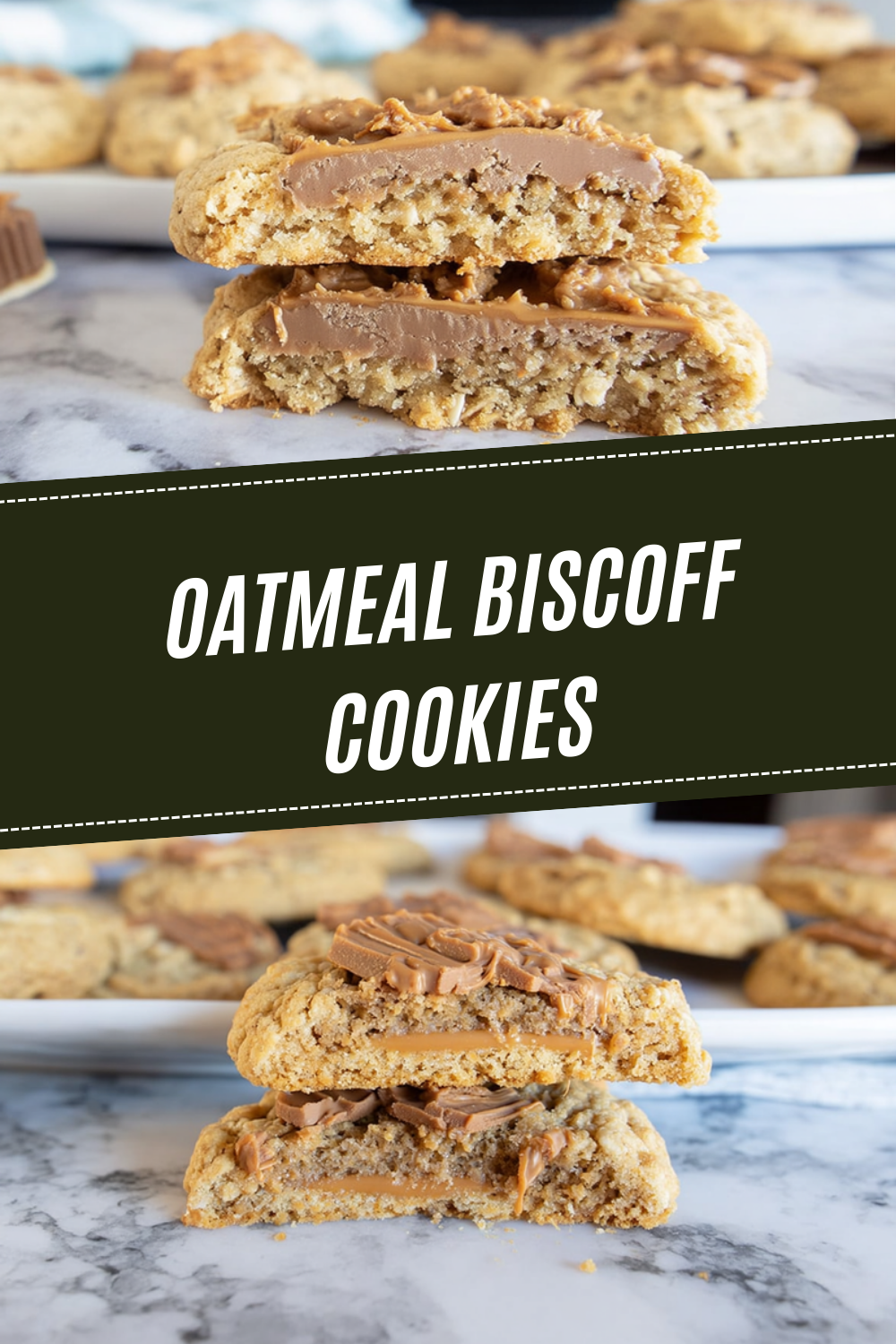
FAQs: Frequently Asked Questions About Oatmeal Biscoff Cookies
What are oatmeal Biscoff cookies?
How do you make oatmeal Biscoff cookies from scratch?
Can you substitute ingredients in oatmeal Biscoff cookies?
How long do oatmeal Biscoff cookies stay fresh?
Why are my oatmeal Biscoff cookies dry and how to fix it?
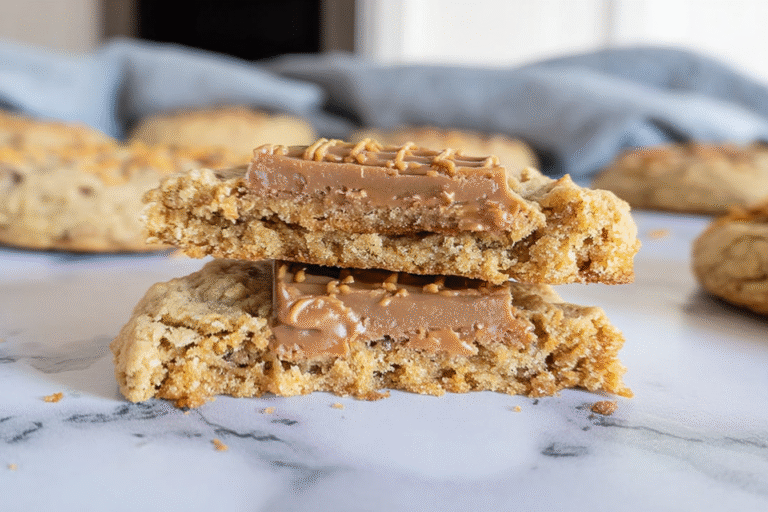
Oatmeal Biscoff Cookies
🍪 Soft chewy oatmeal cookies bursting with Biscoff cookie butter’s caramel-spiced magic!
🥄 Easy homemade delight with perfect texture – ideal for afternoon snacks or lunchbox treats.
- Total Time: 57 minutes
- Yield: 36 cookies
Ingredients
– 1 cup Biscoff spread for unique caramel-cinnamon flavor and moist texture
– 1½ cups rolled oats for structure, chewiness, and fiber
– 1 cup all-purpose flour for base structure of the cookie dough
– ½ cup softened butter for rich, tender crumb and spreading during baking
– ¾ cup brown sugar for moisture and depth of flavor with its molasses content
– ¼ cup white sugar for slight crispiness on the edges of the cookies
– 1 large egg for binding the ingredients together and adding structure
– 1 teaspoon vanilla extract for enhancing the overall flavor profile
– 1 teaspoon baking soda for helping the cookies rise and spread properly
– ½ teaspoon cinnamon for complementing the natural spices in the Biscoff spread
– ¼ teaspoon salt for balancing sweetness and enhancing all the flavors
Instructions
1-First Step: Begin by preheating your oven to 350°F (175°C) and preparing your baking sheets. Line two large baking sheets with parchment paper or silicone baking mats to prevent the cookies from sticking and make cleanup easier. Having your oven ready before you start mixing ensures the dough won’t sit too long before baking, which could affect its texture. Make sure all your ingredients are at room temperature, especially the butter and Biscoff spread. This helps them cream together more easily, creating a uniform texture in your cookie dough. Gather all your measuring tools and mixing bowls to have everything within reach before you begin.
2-Second Step: In a large mixing bowl, cream together ½ cup softened butter and ½ cup Biscoff spread until smooth and well combined. This should take about 1-2 minutes with an electric mixer on medium speed. The mixture should have a creamy, uniform consistency without large lumps.
3-Third Step: Add ¾ cup brown sugar and ¼ cup white sugar to the butter mixture. Continue beating on medium speed for 2-3 minutes until the mixture becomes light and fluffy. This process incorporates air into the dough, which helps create a lighter texture in the baked cookies. Scrape down the sides of the bowl occasionally to ensure all ingredients are well incorporated.
4-Fourth Step: Beat in 1 egg and 1 teaspoon vanilla extract until fully combined. The mixture may look slightly curdled at this point, which is normal. Continue mixing until smooth and glossy. This step adds moisture and richness to the cookie dough while helping to bind the ingredients together.
5-Fifth Step: In a separate medium bowl, whisk together 1 cup all-purpose flour, 1 teaspoon baking soda, ½ teaspoon cinnamon, and ¼ teaspoon salt. This ensures the leavening agent and spices are evenly distributed throughout the flour, preventing any clumps of baking soda or cinnamon in your finished cookies.
6-Sixth Step: Gradually add the dry ingredient mixture to the wet ingredients, mixing on low speed just until combined. Be careful not to overmix at this stage, as overworking the dough can develop gluten and result in tough cookies. The dough should be thick but still pliable.
7-Seventh Step: Gently fold in 1½ cups rolled oats using a spatula or wooden spoon. Mix just until the oats are evenly distributed throughout the dough. The oats will provide that classic chewy texture and nutritional benefits that make these cookies special.
8-Eighth Step: Using a cookie scoop or tablespoon, portion the dough into balls approximately 2 tablespoons each. Place them on the prepared baking sheets, leaving about 2 inches of space between each cookie to allow for spreading. If you prefer thicker cookies, you can slightly flatten the dough balls with the palm of your hand. For extra flavor, you can optionally press a small indent in the center of each dough ball and add a small dollop of additional Biscoff spread before baking. This creates a delightful surprise center that melts into the cookie as it bakes.
9-Ninth Step: Bake the cookies in the preheated oven for 10-12 minutes, or until the edges are lightly golden but the centers still appear slightly soft. Keep a close eye on them during the last few minutes of baking, as they can go from perfectly done to overbaked quickly. The cookies will continue to cook slightly as they cool on the baking sheet.
10-Final Step: Allow the cookies to cool on the baking sheet for 5 minutes. This resting period is crucial as it allows them to set and firm up slightly without becoming too hard. After 5 minutes, carefully transfer the cookies to a wire rack to cool completely. This air circulation helps them maintain their perfect texture crisp edges with soft, chewy centers.
Last Step:
Please leave a rating and comment letting us know how you liked this recipe! This helps our business to thrive and continue providing free, high-quality recipes for you.Notes
❄️ Chill dough for thicker, chewier cookies that hold shape better.
🍪 Underbake slightly for ultimate soft centers – they firm up as cooling.
💾 Freeze extra dough balls for fresh-baked cookies anytime.
- Prep Time: 15 minutes
- Chill: 30 minutes
- Cook Time: 12 minutes
- Category: Dessert
- Method: Baking
- Cuisine: American
- Diet: Vegetarian
Nutrition
- Serving Size: 1 cookie
- Calories: 190 calories
- Sugar: 15g
- Sodium: 140mg
- Fat: 10g
- Saturated Fat: 5g
- Unsaturated Fat: 4g
- Trans Fat: 0g
- Carbohydrates: 23g
- Fiber: 2g
- Protein: 3g
- Cholesterol: 25mg