Why You’ll Love This Moroccan Chebakia
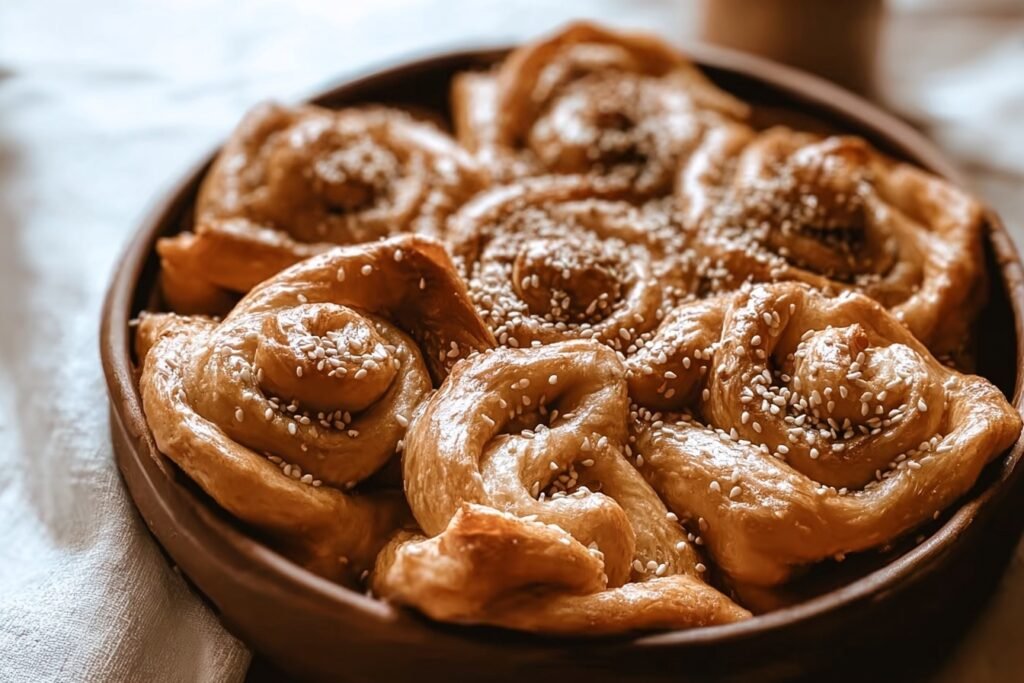
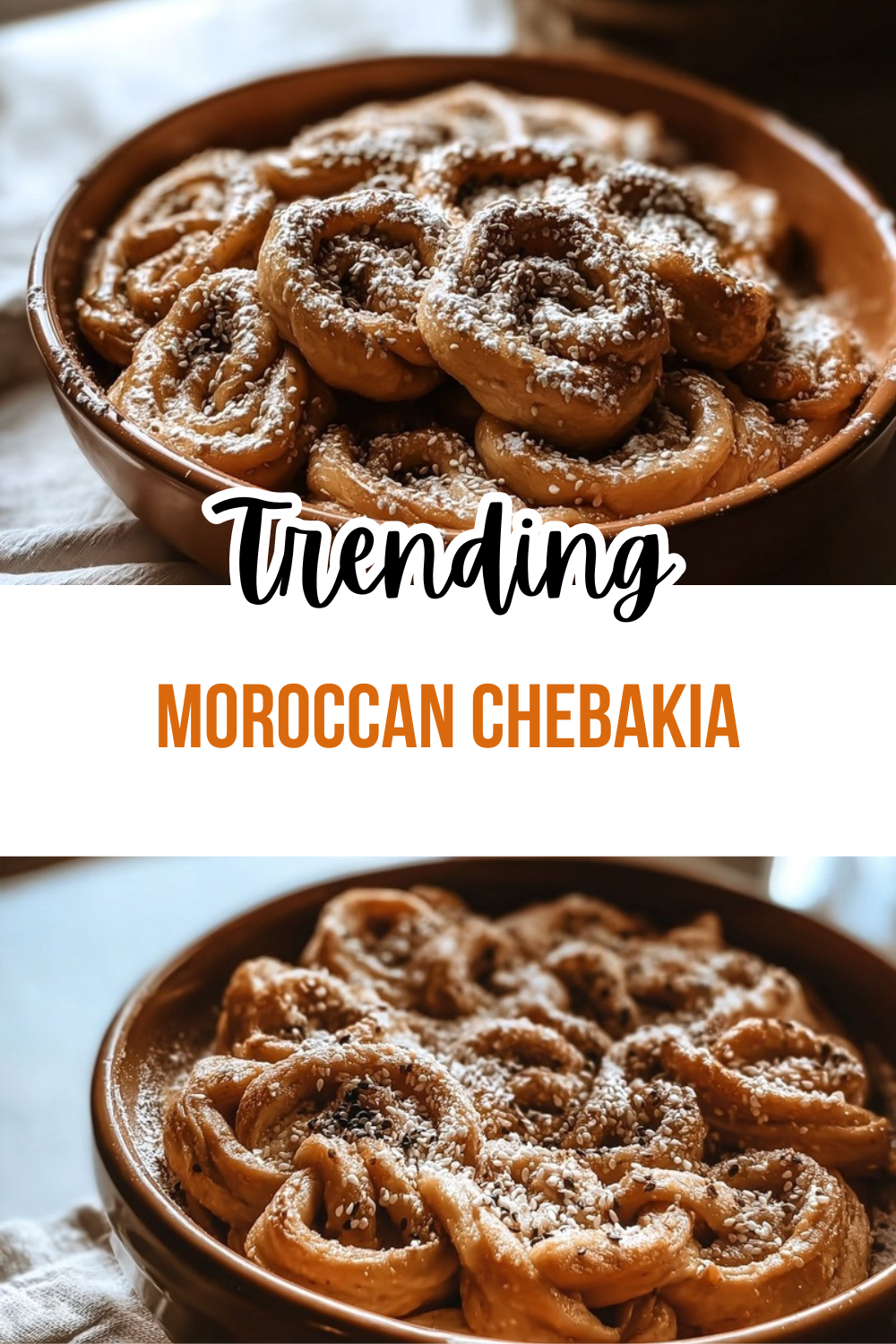
Moroccan Chebakia is one of those Ramadan cookies that feels special the moment it hits the table. It has a beautiful flower shape, warm spices, a glossy honey finish, and a crunchy sesame coating that makes every bite memorable. If you have ever wanted a Chebakia recipe that feels traditional but still doable at home, this one brings the full experience without making the process feel out of reach.
- Easy to follow for home cooks: This Moroccan Chebakia recipe uses simple pantry ingredients like flour, sesame seeds, cinnamon, anise, honey, and orange flower water. The dough comes together in a few stages, and the shaping is fun once you get the hang of it.
- Great for Ramadan and sharing: These Ramadan cookies are made for family gatherings, tea time, and gifting. One batch yields about 2 kg of cookies, so it is a smart choice when you need something festive for a crowd.
- Rich flavor with familiar ingredients: The mix of toasted sesame, saffron, anise, cinnamon, honey, and orange flower water gives traditional Moroccan Chebakia its signature flavor. It tastes warm, fragrant, and lightly floral without being too sweet.
- Flexible for different needs: While this is an authentic version of Moroccan cookies, you can adjust the soaking time for a softer or crisper result. You can also shape them in other ways if the classic flower shape feels tricky for your first batch.
Tip: If you are making authentic Chebakia Ramadan cookies for the first time, invite someone to help with shaping. It turns a long task into a fun kitchen moment.
For more sweet ideas from my kitchen, you may also like my recipe collection at Recipes Valentina.
Jump to:
- Why You’ll Love This Moroccan Chebakia
- Essential Ingredients for Moroccan Chebakia
- Main ingredients
- Special dietary options
- How to Prepare the Perfect Moroccan Chebakia: Step-by-Step Guide
- Step 1: Prepare the sesame seeds
- Step 2: Grind part of the sesame seeds
- Step 3: Mix the dry ingredients
- Step 4: Add the wet ingredients
- Step 5: Knead until smooth
- Step 6: Rest the dough
- Step 7: Roll and cut the dough
- Step 8: Shape the cookies
- Step 9: Fry until medium brown
- Step 10: Soak in honey
- Step 11: Drain and finish
- Dietary Substitutions to Customize Your Moroccan Chebakia
- Protein and main component alternatives
- Vegetable, sauce, and seasoning modifications
- Mastering Moroccan Chebakia: Advanced Tips and Variations
- Pro cooking techniques
- Flavor variations
- Presentation tips
- Make-ahead options
- How to Store Moroccan Chebakia: Best Practices
- FAQs: Frequently Asked Questions About Moroccan Chebakia
- Moroccan Chebakia
- Ingredients
- Instructions
- Last Step:
- Notes
- Nutrition
- Did you make this recipe?
Essential Ingredients for Moroccan Chebakia
This Chebakia recipe for Ramadan uses a short list of special ingredients that work together to create the classic texture and flavor. A few of them need extra care, like toasting the sesame seeds and crushing the gum arabic, but none of the steps are difficult. If you follow the measurements closely, you will get a fragrant dough that fries well and soaks beautifully in honey.
Main ingredients
- 1/2 kg flour, plus additional if necessary – Forms the dough base and helps you adjust the texture if the dough feels sticky.
- 1 soup bowl full golden unhulled sesame seeds, about 200 g or 7 oz, toasted – Adds crunch, nuttiness, and the classic look of Moroccan Chebakia.
- 1 teaspoon ground anise – Brings the warm, licorice-like note found in many Moroccan cookies.
- 1 teaspoon ground cinnamon – Adds warmth and depth to the spice mix.
- 1/2 teaspoon salt – Balances the sweetness in the dough and honey bath.
- 1/2 teaspoon saffron threads, crumbled – Gives color and a delicate floral aroma.
- 1/4 teaspoon Moroccan yellow colorant – Helps create the traditional golden tone.
- Pinch of gum arabic grains mixed with 1/4 teaspoon sugar and crushed to a powder – Supports texture and gives the dough a classic Chebakia feel.
- 1 extra-large egg – Adds richness and structure.
- 1/4 cup butter, melted – Adds flavor and tenderness.
- 1/4 cup olive oil – Helps keep the dough supple.
- 1/4 cup vinegar – Softens the dough and helps with texture after frying.
- 1/4 cup orange flower water – Gives the dough a fragrant floral note.
- 2 teaspoons yeast dissolved in 1/4 cup warm water – Helps the dough relax and gives lightness.
- 1 1/2 kg honey, about 3 lbs – Used for soaking the fried cookies while they are still warm.
- 2 tablespoons orange flower water – Mixed with the honey for a more aromatic finish.
- 1 1/2 liters vegetable oil for frying – Used for frying the shaped cookies until medium brown.
- 1/2 cup golden unhulled sesame seeds, toasted – Sprinkled on top for decorating.
Special dietary options
- Vegan: Replace the egg with a plant-based binder such as a flax egg, and use a vegan butter substitute if needed. The honey bath can be replaced with thick date syrup or agave syrup, though the flavor will be different from classic Moroccan Chebakia.
- Gluten-free: Use a gluten-free flour blend designed for pastries and add a small amount of binder if the dough feels fragile. Since the shaping and frying are delicate, it helps to test a small portion first. For more guidance, check a dedicated gluten-free baking guide.
- Low-calorie: Reduce the amount of honey soak time, use less of the syrup, and keep the decorative sesame light. You can also shape smaller pieces for portion control.
| Ingredient | Role in the recipe | Why it matters |
|---|---|---|
| Sesame seeds | Flavor and texture | Bring crunch and the classic nutty taste |
| Orange flower water | Aroma | Adds the floral scent that makes Chebakia special |
| Honey | Coating | Locks in sweetness and gives the glossy finish |
| Saffron and cinnamon | Spice blend | Create warm color and a traditional Moroccan taste |
For more ingredient inspiration, you can also read my other sweet Moroccan-style recipes on the blog.
How to Prepare the Perfect Moroccan Chebakia: Step-by-Step Guide
Making Moroccan Chebakia takes a little time, but the process is very manageable when you break it into stages. The dough needs resting, the cookies need shaping, and the honey soak gives them their signature finish. If you are wondering how to make Chebakia cookies without feeling overwhelmed, this step-by-step method will walk you through it clearly.
Step 1: Prepare the sesame seeds
Pick through the sesame seeds to remove any debris. Toast 1 soup bowl full of golden unhulled sesame seeds in a 400°F oven for 10 to 15 minutes, or until they turn crunchy. Stir once or twice during toasting so they color evenly, then let them cool fully.
Step 2: Grind part of the sesame seeds
Take one bowlful of the toasted sesame seeds and grind them in a food processor until they look powdery and slightly moist. This step gives the dough its rich nutty texture and helps build the flavor of traditional Moroccan Chebakia. Keep the remaining 1/2 cup toasted sesame seeds aside for decoration later.
Step 3: Mix the dry ingredients
In a large bowl, combine the flour, ground sesame, ground anise, ground cinnamon, salt, crumbled saffron, Moroccan yellow colorant, and the crushed gum arabic mixture. Stir well so the spices and sesame are evenly distributed. This is where the dough starts to smell like classic Ramadan cookies.
Step 4: Add the wet ingredients
Add the egg, melted butter, olive oil, vinegar, orange flower water, and the yeast dissolved in warm water. Mix with your hands or a spoon until the dough begins to come together. If it feels too dry, add a little more flour only if necessary, since the dough should stay soft and workable.
Step 5: Knead until smooth
Knead the dough for 7 to 8 minutes by hand, or 4 to 5 minutes in a mixer. You want a smooth, elastic dough that does not crack easily. If the dough feels sticky at first, let it sit for a minute before adding more flour so you do not dry it out.
Step 6: Rest the dough
Divide the dough into portions and let them rest for 10 to 15 minutes. This short rest makes rolling easier and helps the dough relax. If you are working with a busy schedule, this is a good time to prepare the honey bath and your frying station.
Step 7: Roll and cut the dough
Roll each portion to a thin thickness on a lightly floured surface. Cut the dough into palm-sized rectangles, then make four lengthwise cuts without cutting through the edges. These strips are what create the famous flower shape.
Step 8: Shape the cookies
Thread the strips over one finger, then pinch the corners together to form a flower and secure the shape. This part may take a little practice, but it becomes easier after the first few pieces. If you prefer, you can use another shape, although the flower form is the traditional one for authentic Chebakia Ramadan cookies.
Step 9: Fry until medium brown
Heat 1 1/2 liters vegetable oil in a deep pan over medium heat. Fry the shaped cookies until they are medium brown, which usually takes about 10 minutes. Turn them as needed so they color evenly. The cookies should be crisp and well set before soaking.
Step 10: Soak in honey
Warm the honey with 2 tablespoons orange flower water in a large pot. Soak the fried cookies in the hot honey for 5 to 7 minutes. If you want a sweeter, softer cookie, leave them in a little longer. If you prefer more crunch, shorten the soaking time.
Step 11: Drain and finish
Lift the cookies out of the honey and let the extra syrup drip off. Sprinkle them with the toasted sesame seeds while they are still tacky so the seeds stick well. Let them cool fully before storing or serving. The result is a tray of glossy, fragrant Moroccan Chebakia ready for tea time or Ramadan gatherings.
Helpful note: If you have dough scraps after cutting, let them rest and reroll them. That small step saves dough and gives you more cookies.

Dietary Substitutions to Customize Your Moroccan Chebakia
Protein and main component alternatives
Chebakia is naturally a rich, flour-based treat, so the main changes usually focus on the egg, fat, and sweetener. For a vegan version, swap the egg for a flax egg and choose a plant-based butter. If you want a lighter batch of Moroccan cookies, use a little less honey during soaking and keep the cookies smaller.
For gluten-free baking, use a trusted gluten-free pastry flour blend. Because the dough must be rolled thin and shaped, it helps to test one or two pieces before making the whole batch. If the dough feels fragile, chill it briefly before rolling. You may also need a touch more binder so the strips hold their shape during frying.
Vegetable, sauce, and seasoning modifications
The spices are what give Moroccan Chebakia its signature taste, but you can still adjust them to fit your pantry. If you do not have saffron, use a little extra cinnamon and a bit more orange flower water for fragrance. If you prefer a stronger spice profile, add a small pinch more anise. For the coating, date syrup or agave can work when honey is not an option, though the flavor will be less traditional.
Some cooks also like to add a touch more sesame on top for extra crunch. Others keep the decorating sesame light and let the honey shine. That kind of flexibility is part of why Chebakia recipe searches are so popular among home cooks who want both tradition and room to adapt.
Mastering Moroccan Chebakia: Advanced Tips and Variations
Pro cooking techniques
If you want better results with traditional Moroccan Chebakia, focus on dough texture, frying temperature, and honey soaking time. The dough should be soft but not sticky, so add flour slowly. During frying, keep the oil at a steady medium heat. If the oil is too hot, the outside browns before the inside sets. If it is too cool, the cookies absorb too much oil.
Another good habit is to shape a few cookies at a time, then fry them in batches. This keeps the process calm and helps you stay organized. It is also easier to work with family or friends, especially since Chebakia is a time-consuming project that becomes more enjoyable when shared.
Flavor variations
You can keep the classic flavor or make small changes that suit your taste. Some cooks add a touch more cinnamon for warmth, while others like a stronger orange flower note. If you enjoy the taste of sesame, toast the seeds a little longer for a deeper nutty flavor. For a lighter floral touch, reduce the orange flower water slightly in the honey soak.
Presentation tips
For serving, pile the cookies on a large plate or in a shallow bowl and finish with a light sprinkle of sesame seeds. Their flower shape already looks beautiful, so you do not need much extra decoration. These cookies pair well with mint tea, coffee, or a simple Ramadan spread.
Make-ahead options
You can prepare the dough earlier in the day, let it rest, and shape the cookies when you are ready. You can also toast the sesame seeds ahead of time. If you are planning a busy weekend or Ramadan menu, breaking the recipe into smaller tasks makes it feel much easier.
How to Store Moroccan Chebakia: Best Practices
Because Moroccan Chebakia is coated in honey, it stores well when kept in the right container. Let the cookies cool fully before packing them away so trapped steam does not soften them too much.
- Refrigeration: Store the cookies in an airtight container at cool room temperature if possible. If your kitchen is warm, refrigerate them for short-term storage, but let them come back to room temperature before serving.
- Freezing: You can freeze the fried, unsoaked cookies if you want to prepare ahead. Place them in a freezer-safe container with parchment between layers, then thaw and soak them in hot honey when ready.
- Reheating: If you want to refresh the texture, warm the cookies gently in a low oven for a few minutes. Avoid high heat, since that can dry them out or make the honey too sticky.
- Meal prep considerations: For batch cooking, shape and fry the cookies in advance, then finish them in honey closer to serving day. This works well for Ramadan or holiday planning.
With good storage, your Chebakia recipe for Ramadan can stay enjoyable for several days, making it a helpful make-ahead sweet.
FAQs: Frequently Asked Questions About Moroccan Chebakia
Print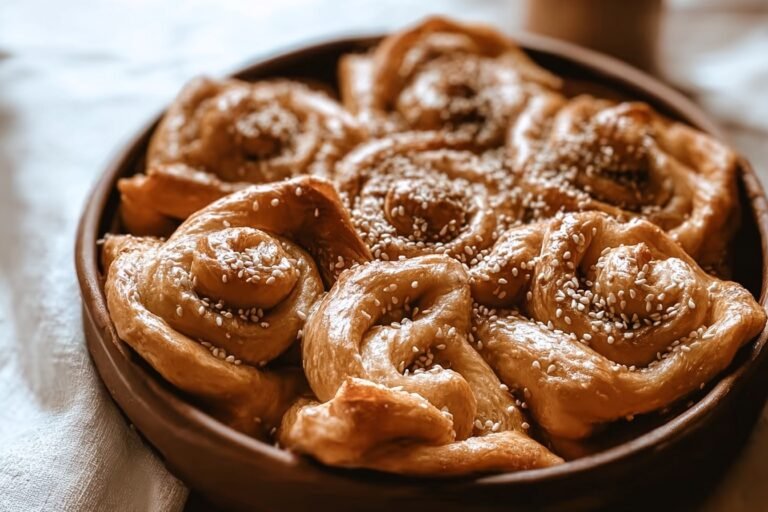
Moroccan Chebakia
🍯 Crispy intricate flower cookies soaked in aromatic honey – iconic Ramadan indulgence with sesame crunch!
🌙 Festive Moroccan treat perfect with mint tea – family tradition that brings sweet joy during fasting breaks.
- Total Time: 1 hour 45 minutes
- Yield: 50 cookies
Ingredients
– 1/2 kg flour, plus additional if necessary for dough base
– 1 soup bowl full golden unhulled sesame seeds, about 200 g or 7 oz, toasted for crunch and nuttiness
– 1 teaspoon ground anise for licorice note
– 1 teaspoon ground cinnamon for warmth and depth
– 1/2 teaspoon salt for balancing sweetness
– 1/2 teaspoon saffron threads, crumbled for color and aroma
– 1/4 teaspoon Moroccan yellow colorant for golden tone
– Pinch of gum arabic grains mixed with 1/4 teaspoon sugar and crushed to a powder for texture
– 1 extra-large egg for richness and structure
– 1/4 cup butter, melted for flavor and tenderness
– 1/4 cup olive oil for supple dough
– 1/4 cup vinegar for softening dough
– 1/4 cup orange flower water for floral note
– 2 teaspoons yeast dissolved in 1/4 cup warm water for dough lightness
– 1 1/2 kg honey, about 3 lbs for soaking cookies
– 2 tablespoons orange flower water for honey aroma
– 1 1/2 liters vegetable oil for frying
– 1/2 cup golden unhulled sesame seeds, toasted for decorating
Instructions
1-Step 1: Prepare the sesame seeds Pick through the sesame seeds to remove any debris. Toast 1 soup bowl full of golden unhulled sesame seeds in a 400°F oven for 10 to 15 minutes, or until they turn crunchy. Stir once or twice during toasting so they color evenly, then let them cool fully.
2-Step 2: Grind part of the sesame seeds Take one bowlful of the toasted sesame seeds and grind them in a food processor until they look powdery and slightly moist. This step gives the dough its rich nutty texture and helps build the flavor of traditional Moroccan Chebakia. Keep the remaining 1/2 cup toasted sesame seeds aside for decoration later.
3-Step 3: Mix the dry ingredients In a large bowl, combine the flour, ground sesame, ground anise, ground cinnamon, salt, crumbled saffron, Moroccan yellow colorant, and the crushed gum arabic mixture. Stir well so the spices and sesame are evenly distributed. This is where the dough starts to smell like classic Ramadan cookies.
4-Step 4: Add the wet ingredients Add the egg, melted butter, olive oil, vinegar, orange flower water, and the yeast dissolved in warm water. Mix with your hands or a spoon until the dough begins to come together. If it feels too dry, add a little more flour only if necessary, since the dough should stay soft and workable.
5-Step 5: Knead until smooth Knead the dough for 7 to 8 minutes by hand, or 4 to 5 minutes in a mixer. You want a smooth, elastic dough that does not crack easily. If the dough feels sticky at first, let it sit for a minute before adding more flour so you do not dry it out.
6-Step 6: Rest the dough Divide the dough into portions and let them rest for 10 to 15 minutes. This short rest makes rolling easier and helps the dough relax. If you are working with a busy schedule, this is a good time to prepare the honey bath and your frying station.
7-Step 7: Roll and cut the dough Roll each portion to a thin thickness on a lightly floured surface. Cut the dough into palm-sized rectangles, then make four lengthwise cuts without cutting through the edges. These strips are what create the famous flower shape.
8-Step 8: Shape the cookies Thread the strips over one finger, then pinch the corners together to form a flower and secure the shape. This part may take a little practice, but it becomes easier after the first few pieces. If you prefer, you can use another shape, although the flower form is the traditional one for authentic Chebakia Ramadan cookies.
9-Step 9: Fry until medium brown Heat 1 1/2 liters vegetable oil in a deep pan over medium heat. Fry the shaped cookies until they are medium brown, which usually takes about 10 minutes. Turn them as needed so they color evenly. The cookies should be crisp and well set before soaking.
10-Step 10: Soak in honey Warm the honey with 2 tablespoons orange flower water in a large pot. Soak the fried cookies in the hot honey for 5 to 7 minutes. If you want a sweeter, softer cookie, leave them in a little longer. If you prefer more crunch, shorten the soaking time.
11-Step 11: Drain and finish Lift the cookies out of the honey and let the extra syrup drip off. Sprinkle them with the toasted sesame seeds while they are still tacky so the seeds stick well. Let them cool fully before storing or serving. The result is a tray of glossy, fragrant Moroccan Chebakia ready for tea time or Ramadan gatherings.
Last Step:
Please leave a rating and comment letting us know how you liked this recipe! This helps our business to thrive and continue providing free, high-quality recipes for you.Notes
🍯 Adjust honey soak: shorter for crispier, longer for sweeter softer texture.
👨👩👧 Involve family in shaping – traditional fun bonding activity!
♻️ Rest and re-roll dough scraps to maximize yield without waste.
- Prep Time: 45 minutes
- Resting: 15 minutes
- Cook Time: 45 minutes
- Category: Desserts
- Method: Fry
- Cuisine: Moroccan
- Diet: Vegetarian
Nutrition
- Serving Size: 3 cookies
- Calories: 180
- Sugar: 15g
- Sodium: 50mg
- Fat: 8g
- Saturated Fat: 2g
- Unsaturated Fat: 6g
- Trans Fat: 0g
- Carbohydrates: 25g
- Fiber: 1g
- Protein: 3g
- Cholesterol: 10mg