
Why You’ll Love This Lemon Curd
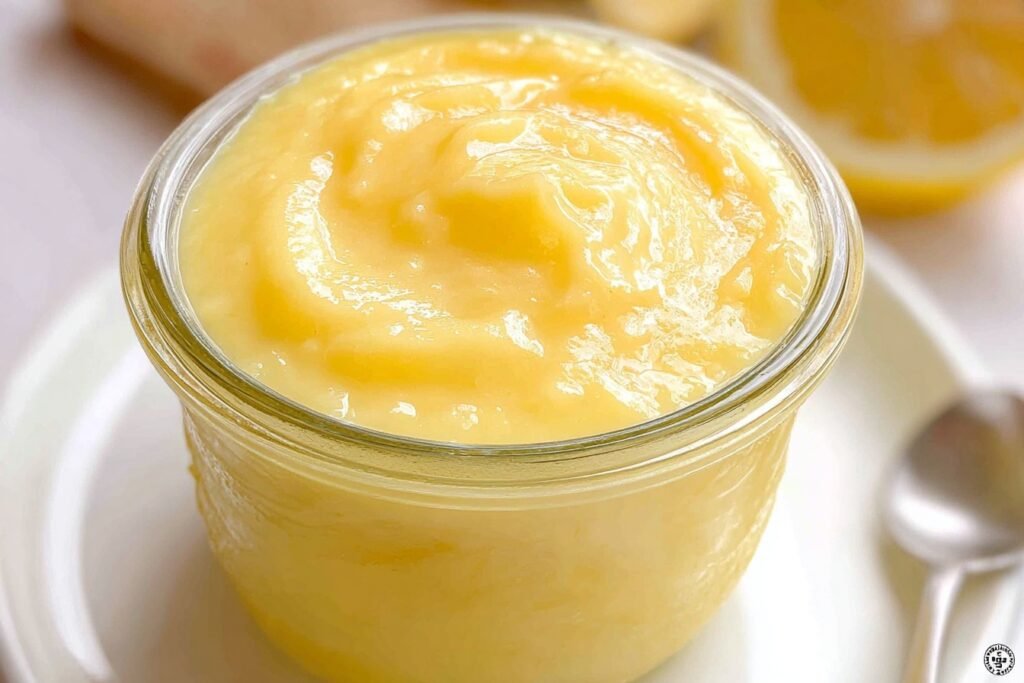
If you are looking for a bright, buttery spread that tastes like sunshine in a jar, this lemon curd is about to become your new favorite kitchen staple. It uses simple ingredients, comes together fast, and adds a fresh citrus kick to so many desserts and breakfasts. Best of all, it feels fancy without being fussy. Who does not love that?
- Easy to make: This lemon curd recipe only needs 5 minutes of prep and about 10 minutes of cooking time. With a double boiler and constant whisking, you can make a silky homemade curd without complicated steps.
- Bright and satisfying flavor: Fresh lemon juice, zest, sugar, egg yolks, and butter create a smooth, tangy taste that is sweet, sharp, and rich all at once.
- So versatile: Spread it on toast, swirl it into yogurt, spoon it over cheesecake, or tuck it into tart shells. It also works beautifully in cakes, cookies, and breakfast pastries.
- Easy to adapt: You can swap lemons for limes, oranges, grapefruits, or even pineapple juice if you want a new flavor twist.
Fresh homemade lemon curd feels like a bakery treat, but it is simple enough for a busy weekday afternoon.
For readers who enjoy simple homemade spreads, you might also like the easy dessert recipes on Recipes Valentina for more sweet ideas that fit into a busy routine.
Jump to:
- Why You’ll Love This Lemon Curd
- Essential Ingredients for Lemon Curd
- Special Dietary Options
- How to Prepare the Perfect Lemon Curd: Step-by-Step Guide
- First Step: Set up the double boiler
- Second Step: Combine the curd base
- Third Step: Whisk until thickened
- Fourth Step: Add the butter
- Final Step: Cool and chill
- Dietary Substitutions to Customize Your Lemon Curd
- Protein and Main Component Alternatives
- Vegetable, Sauce, and Seasoning Modifications
- Mastering Lemon Curd: Advanced Tips and Variations
- How to Store Lemon Curd: Best Practices
- FAQs: Frequently Asked Questions About Lemon Curd
- What is lemon curd and how is it different from lemon pie filling?
- How do you make lemon curd from scratch?
- How long does homemade lemon curd last in the fridge?
- Can I make lemon curd with other citrus fruits?
- Why did my lemon curd curdle and how do I fix it?
- Lemon Curd
- Ingredients
- Instructions
- Last Step:
- Notes
- Nutrition
- Did you make this recipe?
Essential Ingredients for Lemon Curd
This recipe keeps things simple, but each ingredient has a job to do. Use fresh citrus and real butter for the best texture and flavor.
- 4 large egg yolks or replace 2 with 1 whole egg for thicker curd – These give the curd its rich, custardy body.
- 2/3 cup granulated sugar – Sweetens the curd and helps balance the lemon juice.
- 1 tablespoon lemon zest from about 1 lemon – Adds fragrant citrus oils and a deeper lemon taste.
- 1/3 cup fresh lemon juice from about 2 to 3 lemons – Brings the bold, tangy flavor that makes lemon curd shine.
- 1/8 teaspoon salt – Sharpens the flavor and keeps the sweetness in check.
- 6 tablespoons unsalted butter, softened and cut into 6 pieces – Makes the curd smooth, glossy, and rich. Salted butter can be used if you omit the salt.
Special Dietary Options
- Vegan: Try a plant-based lemon curd made with coconut cream, cornstarch, dairy-free butter, and aquafaba or vegan egg substitute.
- Gluten-free: This recipe is naturally gluten-free as written.
- Low-calorie: Reduce the sugar slightly, or use a lower-sugar sweetener that works for cooked custards.
| Ingredient | Purpose | Swap Notes |
|---|---|---|
| Egg yolks | Thicken and enrich | Use 2 yolks plus 1 whole egg for a thicker curd |
| Lemon juice | Creates the tart flavor | Fresh juice works best, not bottled |
| Butter | Adds silkiness | Salted butter works if salt is left out |
For another sweet recipe with simple pantry ingredients, check out the homemade breakfast and baking ideas at Recipes Valentina.
How to Prepare the Perfect Lemon Curd: Step-by-Step Guide
First Step: Set up the double boiler
Fill the bottom of a double boiler with 1 to 2 inches of water. Bring it to a simmer over high heat, then reduce the heat to low. The water should stay gently steaming, not boiling hard. If you do not have a double boiler, use a heatproof glass bowl set over a pot of simmering water, making sure the bowl does not touch the water.
This gentle heat is important because lemon curd cooks quickly and egg yolks can scramble if the temperature gets too high. A steady, low simmer keeps everything smooth and creamy.
Second Step: Combine the curd base
In the top part of the double boiler, whisk together the egg yolks, sugar, lemon zest, lemon juice, and salt. Start whisking right away so the sugar begins dissolving and the eggs stay in motion. A silicone whisk works especially well here because it is gentle on your bowl and easy to clean.
At this stage, the mixture will look thin and bright yellow. That is exactly what you want. The magic happens during the slow cooking.
Third Step: Whisk until thickened
Keep whisking constantly for about 10 minutes, or until the mixture thickens to a hollandaise-like texture. If you are using a thermometer, aim for 170 degrees Fahrenheit. The curd should coat the back of a spoon and look smooth and glossy.
If thickening is slow, raise the heat just a little while whisking nonstop. That extra bit of warmth can help the eggs set. Do not walk away, even for a minute. Lemon curd likes attention, and the whisk is your best friend here.
Fourth Step: Add the butter
Once the curd has thickened, remove it from the heat. Whisk in the softened butter, one piece at a time, until each piece melts into the mixture. This step gives the curd its silky finish and rich flavor. The texture should become smooth and shiny.
If you want a slightly thicker curd, you can use 2 egg yolks plus 1 whole egg in place of part of the yolks. That small change makes the curd a little more sturdy for filling tarts or layering in desserts.
Final Step: Cool and chill
Pour the finished lemon curd into a jar or bowl. Press plastic wrap directly onto the surface so a skin does not form. Let it cool, then refrigerate until fully chilled. Total time, including cooling, is about 1 hour and 15 minutes.
Once cold, the curd is ready to use. Spoon it over pancakes, fill tart shells, spread it on scones, or swirl it into whipped cream. It keeps in the refrigerator for up to 10 days.
Patience pays off here. Slow heat, constant whisking, and fresh lemon juice are the secret trio for smooth lemon curd.

Dietary Substitutions to Customize Your Lemon Curd
Protein and Main Component Alternatives
If you need to adjust the eggs, the easiest swap is to replace 2 egg yolks with 1 whole egg for a firmer curd. This makes the mixture a bit thicker and slightly less rich. For an egg-free version, a plant-based custard style spread can be made with dairy-free butter, cornstarch, and a thickener such as arrowroot or vegan custard powder.
If you are out of butter, a dairy-free butter alternative can work in a pinch, though the flavor will be a little different. Coconut cream can also add richness in vegan versions, especially if you want a tropical note.
Vegetable, Sauce, and Seasoning Modifications
This recipe is naturally centered on citrus, so the easiest changes come from the fruit itself. Swap lemon juice for lime juice for a sharper tang, or use orange or grapefruit juice for a sweeter, gentler citrus curd. Pineapple juice gives it a sunny tropical twist. Just remember that very sweet juices may need a little extra lemon or a small amount of added sugar for balance.
You can also change the flavor with tiny additions like vanilla, a pinch of cardamom, or a little extra zest. If you are serving it with plain yogurt or baked goods, those flavor add-ins can make the curd feel fresh and new without changing the easy method.
Mastering Lemon Curd: Advanced Tips and Variations
If you want your lemon curd to turn out smooth every single time, a few small habits make a big difference. Use fresh lemon juice, not bottled. Bottle-citric flavors can taste flat or slightly metallic, while fresh juice gives the curd its bright, clean finish. A heatproof bowl over simmering water also helps prevent scorching and keeps the flavor pure.
Whisk constantly, and do not let the bowl touch the water. That gentle steam heat gives the eggs time to thicken without turning grainy. If the curd ever starts to look lumpy, remove it from the heat right away and strain it through a fine sieve. That simple move can save the batch.
For flavor variations, try limes for a sharper bite, oranges for a sweeter spread, grapefruits for a slightly bitter edge, or pineapple juice for a tropical version. You can even use the curd in layered desserts, thumbprint cookies, parfaits, or as a tart filling. For a pretty finish, spoon it into small jars and top with a little extra zest or fresh berries.
Busy cook? Make the lemon curd a day or two ahead. It actually tastes even better after chilling, because the flavors settle and deepen. That makes it a great make-ahead treat for brunches, tea parties, or holiday baking.
How to Store Lemon Curd: Best Practices
Store lemon curd in a jar or airtight container in the refrigerator. Press plastic wrap directly on the surface before sealing the lid to help keep it smooth and prevent a skin from forming. It will stay fresh for up to 10 days when properly chilled.
For longer storage, freeze lemon curd for 3 to 6 months. Use freezer-safe containers and leave a little space at the top so it can expand. Thaw it overnight in the refrigerator, then stir well before using. The texture may soften a little after freezing, but it still works well in baking and as a filling.
Do not leave lemon curd at room temperature for long periods, especially because it contains eggs. If you are meal prepping, portion it into small jars so you can grab exactly what you need without opening the whole batch again and again.
| Storage Method | How Long It Lasts | Best Practice |
|---|---|---|
| Refrigerator | Up to 10 days | Cover with plastic wrap touching the surface |
| Freezer | 3 to 6 months | Use freezer-safe containers with headspace |
| Room temperature | Not recommended | Keep chilled below 40 degrees Fahrenheit |
FAQs: Frequently Asked Questions About Lemon Curd
What is lemon curd and how is it different from lemon pie filling?
How do you make lemon curd from scratch?
How long does homemade lemon curd last in the fridge?
Can I make lemon curd with other citrus fruits?
Why did my lemon curd curdle and how do I fix it?
Lemon Curd
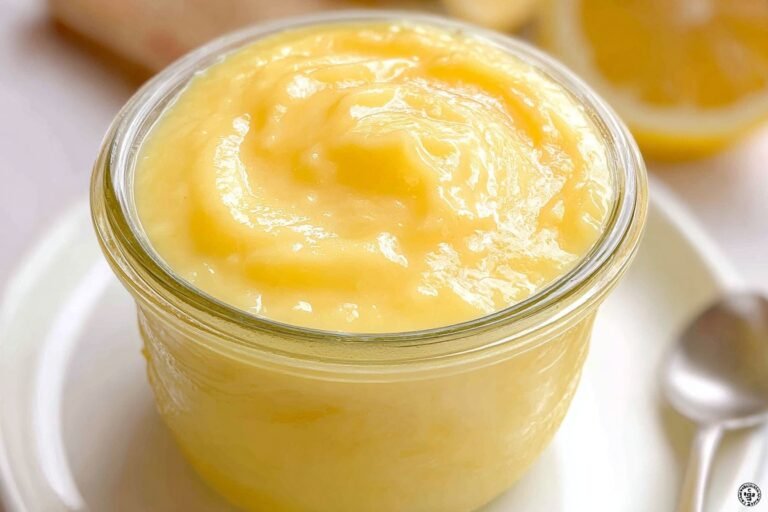
🍋 Transform simple pantry staples into silky, tangy lemon curd – versatile topping for toast, tarts, or yogurt with bright citrus burst!
🍋 Just 5 ingredients and 10 minutes cooking for homemade luxury – fresher than store-bought, perfect for gifting or tea time treats!
- Total Time: 1 hour 15 minutes
- Yield: 1 1/2 cups (12 servings)
Ingredients
– 4 large egg yolks for rich, custardy body
– 2/3 cup granulated sugar for sweetening and balancing the lemon juice
– 1 tablespoon lemon zest for fragrant citrus oils and deeper lemon taste
– 1/3 cup fresh lemon juice for bold, tangy flavor
– 1/8 teaspoon salt for sharpening the flavor
– 6 tablespoons unsalted butter for smooth, glossy, and rich
Instructions
1-First Step: Set up the double boiler Fill the bottom of a double boiler with 1 to 2 inches of water. Bring it to a simmer over high heat, then reduce the heat to low. The water should stay gently steaming, not boiling hard. If you do not have a double boiler, use a heatproof glass bowl set over a pot of simmering water, making sure the bowl does not touch the water.
2-Second Step: Combine the curd base In the top part of the double boiler, whisk together the egg yolks, sugar, lemon zest, lemon juice, and salt. Start whisking right away so the sugar begins dissolving and the eggs stay in motion. A silicone whisk works especially well here because it is gentle on your bowl and easy to clean.
3-Third Step: Whisk until thickened Keep whisking constantly for about 10 minutes, or until the mixture thickens to a hollandaise-like texture. If you are using a thermometer, aim for 170 degrees Fahrenheit. The curd should coat the back of a spoon and look smooth and glossy.
4-Fourth Step: Add the butter Once the curd has thickened, remove it from the heat. Whisk in the softened butter, one piece at a time, until each piece melts into the mixture. This step gives the curd its silky finish and rich flavor. The texture should become smooth and shiny.
5-Final Step: Cool and chill Pour the finished lemon curd into a jar or bowl. Press plastic wrap directly onto the surface so a skin does not form. Let it cool, then refrigerate until fully chilled. Total time, including cooling, is about 1 hour and 15 minutes.
Last Step:
Please leave a rating and comment letting us know how you liked this recipe! This helps our business to thrive and continue providing free, high-quality recipes for you.Notes
🔥 Use a double boiler or bowl over water (not touching) to gently cook without curdling or metallic taste.
🥄 Whisk vigorously and constantly; if too thick, slightly increase heat while stirring.
🍋 Always use fresh lemons for zest and juice – bottled lacks the vibrant flavor.
- Prep Time: 5 minutes
- Cooling: 1 hour
- Cook Time: 10 minutes
- Category: Dessert
- Method: Stovetop
- Cuisine: British
- Diet: Vegetarian, Gluten-Free
Nutrition
- Serving Size: 2 tablespoons
- Calories: 100 calories
- Sugar: 10g
- Sodium: 30mg
- Fat: 6g
- Saturated Fat: 3.5g
- Unsaturated Fat: 2g
- Trans Fat: 0g
- Carbohydrates: 11g
- Fiber: 0g
- Protein: 1g
- Cholesterol: 80mg