

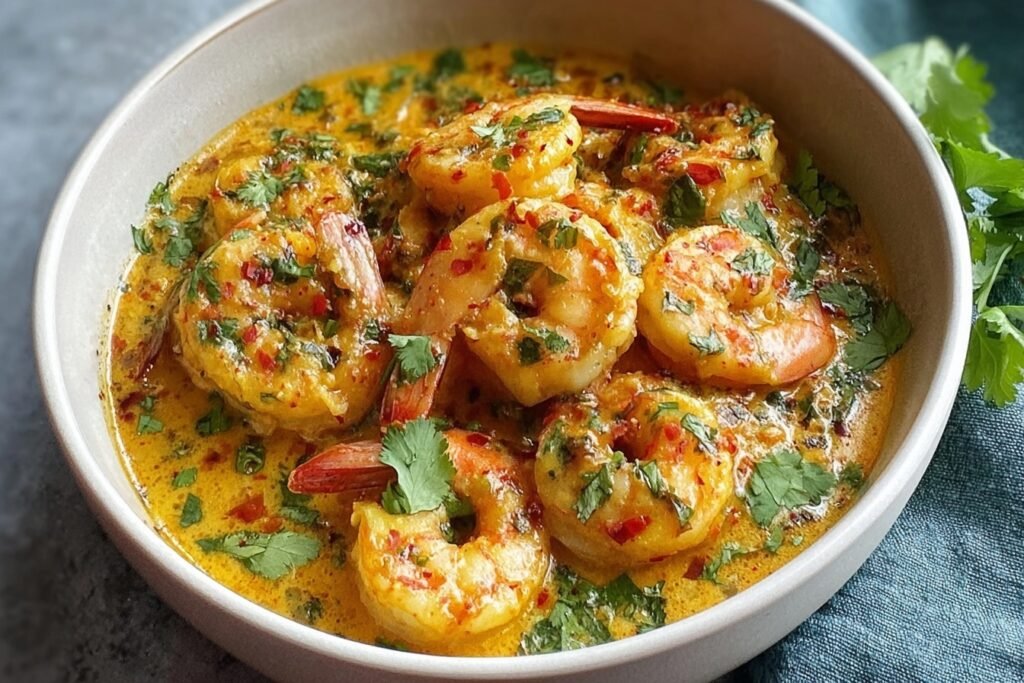
Why You’ll Love This Indian Coconut Shrimp Curry
If you want a dinner that tastes like it took hours but really only needs about 25 minutes, this Indian Coconut Shrimp Curry is your new best friend. It brings big flavor, creamy texture, and just enough spice to keep things interesting without making your taste buds file a complaint.
- Easy weeknight cooking: This coconut shrimp curry comes together in one skillet with simple steps, so it works well for busy parents, students, and working professionals. The shrimp cooks fast, the sauce simmers quickly, and dinner lands on the table before everyone starts asking, “What’s for food?”
- Better-for-you comfort: Shrimp adds lean protein, while coconut milk brings richness and satisfying healthy fats. For readers curious about shrimp nutrition, you can read more in this helpful article from Cleveland Clinic on whether shrimp is healthy. The sauce also includes tomatoes, ginger, garlic, and spices that add flavor without needing a long ingredient list.
- Flexible for different eaters: This Indian shrimp curry works with rice, naan, or extra vegetables like spinach and bell peppers. It is easy to adjust for spice lovers, mild-food fans, or anyone trying to clean out the fridge.
- Bold, cozy flavor: The mix of coriander, turmeric, ginger, garlic, and coconut milk gives this Indian coconut shrimp curry recipe a warm, comforting taste that feels both homemade and a little special. It is the kind of dish that makes the kitchen smell amazing.
Quick tip: if you love creamy curries that do not need a ton of fuss, this one checks all the boxes.
If coconut-based dishes are your thing, you may also enjoy learning about the benefits of coconut in this Cleveland Clinic guide to coconut benefits.
Jump to:
- Why You’ll Love This Indian Coconut Shrimp Curry
- Essential Ingredients for Indian Coconut Shrimp Curry
- Main Ingredients
- Special Dietary Options
- How to Prepare the Perfect Indian Coconut Shrimp Curry: Step-by-Step Guide
- Step 1: Season the shrimp
- Step 2: Build the curry base
- Step 3: Add the aromatics and spices
- Step 4: Make the creamy tomato sauce
- Step 5: Cook the shrimp
- Step 6: Finish and serve
- Dietary Substitutions to Customize Your Indian Coconut Shrimp Curry
- Protein and Main Component Alternatives
- Vegetable, Sauce, and Seasoning Modifications
- Mastering Indian Coconut Shrimp Curry: Advanced Tips and Variations
- Pro cooking techniques
- Flavor variations
- Presentation tips
- Make-ahead options
- How to Store Indian Coconut Shrimp Curry: Best Practices
- Refrigeration
- Freezing
- Reheating
- Meal prep considerations
- FAQs: Frequently Asked Questions About Indian Coconut Shrimp Curry
- How do I make Indian coconut shrimp curry in an Instant Pot?
- What vegetables can I add to Indian coconut shrimp curry?
- Can I substitute chicken for shrimp in Indian coconut shrimp curry?
- How spicy is Indian coconut shrimp curry and how do I adjust it?
- Can I freeze Indian coconut shrimp curry and how do I store leftovers?
- Indian Coconut Shrimp Curry
- Ingredients
- Instructions
- Last Step:
- Notes
- Nutrition
- Did you make this recipe?
Essential Ingredients for Indian Coconut Shrimp Curry
This coconut shrimp curry recipe keeps the ingredient list simple, but every item has a job to do. The shrimp brings the main protein, the aromatics build the flavor base, and the coconut milk creates that silky sauce everyone loves. Below is the full ingredient list with exact amounts, so nothing gets missed.
Main Ingredients
- 1 pound extra-large shrimp, peeled and deveined – The star of the show. Use raw shrimp for the best texture, and thaw if frozen.
- 1/4 teaspoon salt – Seasons the shrimp before cooking.
- 1/4 teaspoon black pepper – Adds a little bite to the shrimp marinade.
- 1/4 teaspoon cayenne – Gives the shrimp a light kick right from the start.
- 2 tablespoons lemon juice – Brightens the shrimp and helps the flavors wake up.
- 1 tablespoon coconut oil – Adds subtle coconut flavor and helps soften the onion.
- 1 medium onion, chopped – Builds the savory base for the curry sauce.
- 3 cloves garlic, minced – Adds classic depth and aroma.
- 1 tablespoon fresh ginger, minced – Brings warmth and freshness to the sauce.
- 1/2 teaspoon black pepper – Seasons the curry base.
- 1/2 teaspoon salt, or to taste – Balances the sauce.
- 1/2 teaspoon cayenne – Adds heat to the curry sauce.
- 2 teaspoons ground coriander – Adds a nutty, citrusy layer.
- 1 teaspoon turmeric – Gives color and earthy flavor.
- 14.5 ounces diced tomatoes with juices – Forms the saucy, tangy base.
- 13.5 ounces coconut milk – Creates the creamy texture that makes this coconut curry so satisfying.
- 2 tablespoons cilantro, for garnish – Adds a fresh finish.
- Cooked rice, for serving – Soaks up every drop of sauce.
Special Dietary Options
- Vegan: Swap the shrimp for chickpeas, tofu, or cauliflower. Use the same spices and coconut milk for a plant-based coconut curry.
- Gluten-free: This Indian coconut shrimp curry is naturally gluten-free when served with rice or gluten-free naan.
- Low-calorie: Use light coconut milk and add extra vegetables like spinach, zucchini, or bell peppers to stretch the curry with fewer calories per serving.
| Ingredient | Purpose in the Curry |
|---|---|
| Shrimp | Quick-cooking protein with a sweet, briny flavor |
| Coconut milk | Creates a rich, creamy sauce |
| Tomatoes | Add tang and body |
| Ginger, garlic, spices | Build depth and warmth |
| Rice | Makes the meal hearty and filling |
How to Prepare the Perfect Indian Coconut Shrimp Curry: Step-by-Step Guide
This Indian coconut shrimp curry recipe moves fast, so it helps to have everything ready before the skillet gets hot. Once the onion starts cooking, things come together quickly. Keep your shrimp thawed, your spices measured, and your rice cooked so dinner feels smooth instead of frantic.
Step 1: Season the shrimp
In a small bowl, toss 1 pound extra-large peeled and deveined shrimp with 1/4 teaspoon salt, 1/4 teaspoon black pepper, 1/4 teaspoon cayenne, and 2 tablespoons lemon juice. Mix until the shrimp is coated well. Then refrigerate it for 10 minutes. This short marinade gives the shrimp flavor and helps the curry taste bright from the first bite.
Step 2: Build the curry base
Set a heavy-bottomed skillet over medium heat and add 1 tablespoon coconut oil. When the oil is hot, add 1 medium chopped onion. Cook it until softened, which usually takes a few minutes. The onion should look translucent and smell sweet. That is your cue to keep going.
Step 3: Add the aromatics and spices
Stir in 3 cloves minced garlic, 1 tablespoon minced fresh ginger, 1/2 teaspoon black pepper, 1/2 teaspoon salt, 1/2 teaspoon cayenne, 2 teaspoons ground coriander, and 1 teaspoon turmeric. Cook for about 1 minute, stirring constantly so the spices do not burn. The mixture should smell rich, warm, and a little irresistible. If you like a deeper spice profile, this is a great point to add a tiny pinch more turmeric or coriander.
Step 4: Make the creamy tomato sauce
Add 14.5 ounces diced tomatoes with juices and 13.5 ounces coconut milk. Stir everything together, scraping the bottom of the pan so no flavorful bits get left behind. Bring the sauce to a boil, then reduce the heat and cook for 5 minutes. This gives the tomatoes time to soften and the curry to thicken a bit. The sauce should look creamy, orange-gold, and ready for shrimp.
Step 5: Cook the shrimp
Add the marinated shrimp and every drop of the juice from the bowl. Cook for about 2 minutes, just until the shrimp turns pink and opaque. Do not wander off and start folding laundry. Shrimp cooks fast, and overcooked shrimp can turn rubbery in a flash. The moment they curl and turn bright, they are ready.
Step 6: Finish and serve
Spoon the hot curry over cooked rice and top it with 2 tablespoons cilantro. Serve right away while the sauce is creamy and the shrimp is tender. If you want a bigger meal, add naan on the side so you can mop up every last bit of sauce like a pro.
Best rule for shrimp curry: add the shrimp last. That tiny habit keeps the texture soft and juicy.

Dietary Substitutions to Customize Your Indian Coconut Shrimp Curry
Protein and Main Component Alternatives
If shrimp is not your thing, this curry still has plenty of room to flex. You can make it with chicken, tofu, chickpeas, or even a mix of vegetables. The coconut sauce is friendly like that. It plays well with lots of ingredients and still keeps its cozy personality.
- Chicken: Use diced boneless chicken breast or thighs instead of shrimp. Cook it longer until fully done.
- Tofu: Use firm tofu cubes for a vegetarian coconut shrimp curry style dish without the shrimp.
- Chickpeas: Great for a pantry-friendly, protein-packed version.
- Cauliflower: A good swap if you want something light but still filling.
Vegetable, Sauce, and Seasoning Modifications
Want more color or extra nutrition? Toss in bell peppers, spinach, kale, zucchini, peas, or even small cubes of sweet potato. Bell peppers can go in with the onions. Spinach and kale should be stirred in at the end so they wilt gently. Zucchini and cauliflower fit nicely into the simmering sauce. This makes the curry stretch farther, which is handy for families and meal prep.
For spice, you can keep the curry mild or give it more heat with chili flakes, fresh chilies, or a little extra cayenne. If you want a richer sauce, use full-fat coconut milk. If you are cooking for a lighter meal, try a lighter coconut milk option, though the sauce will be less creamy. For serving, rice works beautifully, but naan is great when you want something warm and scoopable.
Mastering Indian Coconut Shrimp Curry: Advanced Tips and Variations
Once you have made this Indian coconut shrimp curry recipe once, it becomes one of those dishes you can tweak without much stress. That is the magic here. The base is strong enough to handle a few changes, but simple enough that the recipe still feels easy.
Pro cooking techniques
Use a heavy-bottomed skillet so the onion and spices cook evenly. Stir the spices for just a minute to wake them up, but do not let them sit too long or they may scorch. Keep the curry at a gentle boil when the tomatoes and coconut milk go in, then lower the heat before adding shrimp. That keeps the sauce smooth and the shrimp tender.
Flavor variations
For a deeper curry flavor, add a little more turmeric or coriander. For extra brightness, finish with more lemon juice or a squeeze of lime. If you like heat, add chili flakes or a chopped fresh chili. If you want a more filling dish, stir in spinach, peas, or bell peppers near the end. These small changes can make your coconut shrimp curry feel brand new each time.
Presentation tips
Serve the curry in wide bowls over fluffy rice so the sauce has room to shine. Sprinkle the cilantro on top right before serving for color and freshness. A few lime wedges on the side make the dish look fresh and give guests a chance to brighten their own bowl. If you add naan, stack it nearby and let everyone tear and scoop like hungry champions.
Make-ahead options
You can chop the onion, garlic, and ginger ahead of time and keep them in the fridge. You can also measure the spices into a small bowl the night before. If you are cooking for a busy week, make the sauce first and add the shrimp only when you are ready to eat. That trick saves time and keeps the shrimp from going soft.
How to Store Indian Coconut Shrimp Curry: Best Practices
Leftover shrimp curry can still taste great the next day if you handle it gently. Since shrimp cooks fast and can get tough when reheated too hard, a little care goes a long way.
Refrigeration
Store leftovers in an airtight container in the refrigerator for up to 2 days. Cool the curry first before sealing it up. If possible, keep the rice separate so it does not soak up all the sauce.
Freezing
For the best texture, freeze the sauce without the shrimp if you can. The tomato-coconut base freezes well for up to 3 months. When you are ready to eat, thaw it in the fridge overnight, warm it on the stove, and add fresh shrimp near the end. If you already froze the full curry, it will still be safe, but the shrimp may be softer after thawing.
Reheating
Reheat gently over low heat with a splash of water or extra coconut milk to loosen the sauce. You can also use the microwave in short bursts, stirring between rounds. Avoid boiling the curry again, because that can make the shrimp tough.
Meal prep considerations
If you like planning ahead, make a double batch of the sauce and freeze half. Then cook fresh shrimp later for a fast dinner that tastes newly made. This works especially well for people who want quick meals without giving up flavor.
FAQs: Frequently Asked Questions About Indian Coconut Shrimp Curry
How do I make Indian coconut shrimp curry in an Instant Pot?
What vegetables can I add to Indian coconut shrimp curry?
Can I substitute chicken for shrimp in Indian coconut shrimp curry?
How spicy is Indian coconut shrimp curry and how do I adjust it?
Can I freeze Indian coconut shrimp curry and how do I store leftovers?
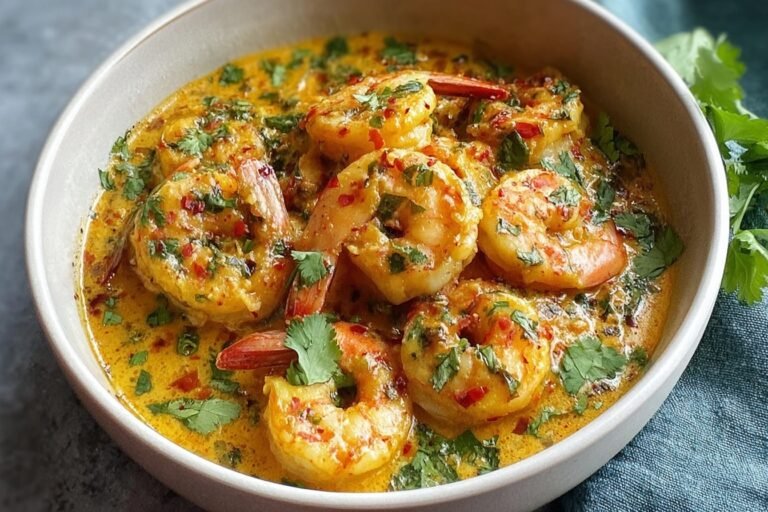
Indian Coconut Shrimp Curry
🦐 Tender shrimp in velvety coconut sauce bursting with ginger-garlic spice – creamy, aromatic tropical escape!
🍛 Quick 25-min weeknight wonder packed with anti-inflammatory turmeric – healthy, flavorful over rice.
- Total Time: 25 minutes
- Yield: 4 servings
Ingredients
– 1 pound extra-large shrimp, peeled and deveined
– 1/4 teaspoon salt
– 1/4 teaspoon black pepper
– 1/4 teaspoon cayenne
– 2 tablespoons lemon juice
– 1 tablespoon coconut oil
– 1 medium onion, chopped
– 3 cloves garlic, minced
– 1 tablespoon fresh ginger, minced
– 1/2 teaspoon black pepper
– 1/2 teaspoon salt, or to taste
– 1/2 teaspoon cayenne
– 2 teaspoons ground coriander
– 1 teaspoon turmeric
– 14.5 ounces diced tomatoes with juices
– 13.5 ounces coconut milk
– 2 tablespoons cilantro for garnish
– Cooked rice for serving
Instructions
Step 1: Season the shrimp: In a small bowl, toss 1 pound extra-large peeled and deveined shrimp with 1/4 teaspoon salt, 1/4 teaspoon black pepper, 1/4 teaspoon cayenne, and 2 tablespoons lemon juice. Mix until the shrimp is coated well. Then refrigerate it for 10 minutes. This short marinade gives the shrimp flavor and helps the curry taste bright from the first bite.
Step 2: Build the curry base: Set a heavy-bottomed skillet over medium heat and add 1 tablespoon coconut oil. When the oil is hot, add 1 medium chopped onion. Cook it until softened, which usually takes a few minutes. The onion should look translucent and smell sweet. That is your cue to keep going.
Step 3: Add the aromatics and spices: Stir in 3 cloves minced garlic, 1 tablespoon minced fresh ginger, 1/2 teaspoon black pepper, 1/2 teaspoon salt, 1/2 teaspoon cayenne, 2 teaspoons ground coriander, and 1 teaspoon turmeric. Cook for about 1 minute, stirring constantly so the spices do not burn. The mixture should smell rich, warm, and a little irresistible. If you like a deeper spice profile, this is a great point to add a tiny pinch more turmeric or coriander.
Step 4: Make the creamy tomato sauce: Add 14.5 ounces diced tomatoes with juices and 13.5 ounces coconut milk. Stir everything together, scraping the bottom of the pan so no flavorful bits get left behind. Bring the sauce to a boil, then reduce the heat and cook for 5 minutes. This gives the tomatoes time to soften and the curry to thicken a bit. The sauce should look creamy, orange-gold, and ready for shrimp.
Step 5: Cook the shrimp: Add the marinated shrimp and every drop of the juice from the bowl. Cook for about 2 minutes, just until the shrimp turns pink and opaque. Do not wander off and start folding laundry. Shrimp cooks fast, and overcooked shrimp can turn rubbery in a flash. The moment they curl and turn bright, they are ready.
Step 6: Finish and serve: Spoon the hot curry over cooked rice and top it with 2 tablespoons cilantro. Serve right away while the sauce is creamy and the shrimp is tender. If you want a bigger meal, add naan on the side so you can mop up every last bit of sauce like a pro.
Last Step:
Please leave a rating and comment letting us know how you liked this recipe! This helps our business to thrive and continue providing free, high-quality recipes for you.Notes
🦐 Marinate shrimp briefly then add last – keeps them plump and juicy.
🥥 Full-fat coconut milk for richest creaminess; shake can well.
🌶️ Bloom spices in oil for deeper flavor; adjust cayenne for heat preference.
- Prep Time: 10 minutes
- Cook Time: 15 minutes
- Category: Main Dishes
- Method: Simmer
- Cuisine: Indian
Nutrition
- Serving Size: 1 serving
- Calories: 258
- Sugar: 4g
- Sodium: 598mg
- Fat: 24g
- Saturated Fat: 21g
- Unsaturated Fat: 3g
- Trans Fat: 0g
- Carbohydrates: 12g
- Fiber: 2g
- Protein: 25g
- Cholesterol: 180mg