Why You’ll Love Cuban Sandwiches
Cuban Sandwiches are a practical choice for home cooks who want a hot meal with bold flavor and a short prep time. This classic pressed sandwich has a clear structure, simple ingredients, and a reliable cooking method that works well for lunch or dinner.
- Easy preparation: With pre-cooked ham and roasted pork, assembly takes only about 10 to 15 minutes. That makes it useful for busy parents, students, and working professionals who need a meal without much fuss.
- Balanced protein content: The ham and pork provide about 40 to 50 grams of protein per sandwich, which helps make the meal filling. For readers who like to compare food values, this nutrition reference for ham offers a helpful starting point.
- Flexible regional styles: Cuban Sandwiches can be prepared in South Florida style without salami, in Tampa style with salami, or with Key West additions such as lettuce, tomato, and mayonnaise. That gives the recipe room for different tastes and household preferences.
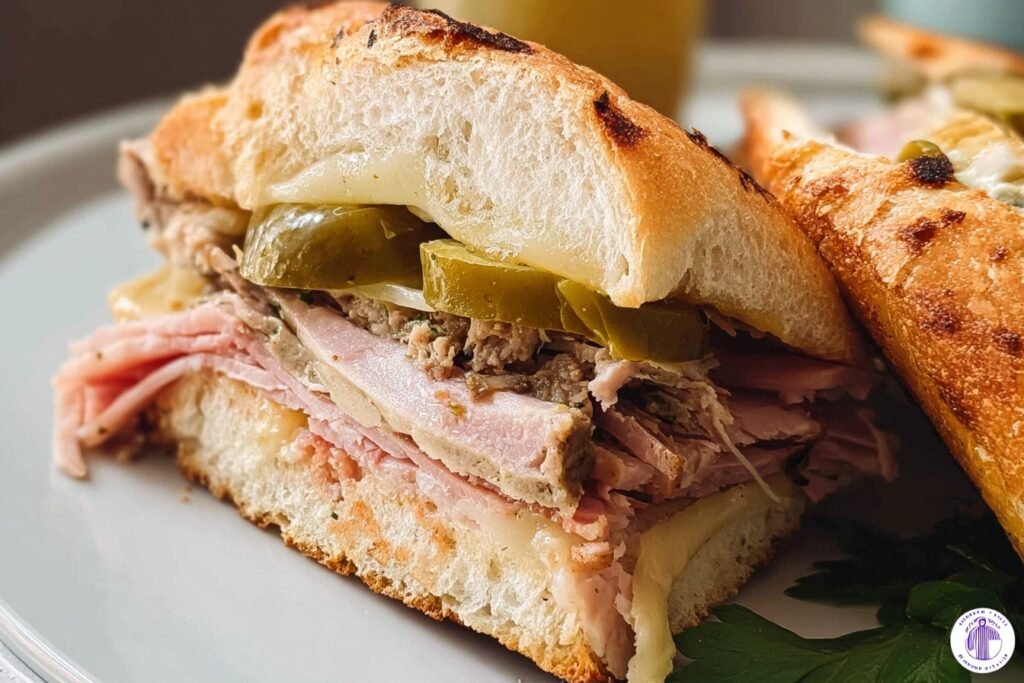
- Distinctive flavor and texture: The mix of tangy mustard, dill pickles, Swiss cheese, roasted pork, and crisp Cuban bread creates a sandwich that is savory, salty, and slightly sharp all at once. The pressed crust is part of its appeal.
A well-made Cuban Sandwich balances crisp bread, melted cheese, and layered meats in a way that feels hearty without being complicated.
For readers interested in the cultural background of the dish, the history of the Cuban sandwich gives useful context on its development in Florida Cuban-American communities.
Jump to:
- Why You’ll Love Cuban Sandwiches
- Essential Ingredients for Cuban Sandwiches
- Special Dietary Options
- How to Prepare the Perfect Cuban Sandwiches: Step-by-Step Guide
- First Step: Prepare the bread
- Second Step: Add the mustard
- Third Step: Layer the meats and cheese
- Fourth Step: Close and press the sandwich
- Fifth Step: Check texture and doneness
- Final Step: Slice and serve
- Dietary Substitutions to Customize Your Cuban Sandwiches
- Protein and Main Component Alternatives
- Vegetable, Sauce, and Seasoning Modifications
- Mastering Cuban Sandwiches: Advanced Tips and Variations
- Pro cooking techniques
- Flavor variations
- Presentation tips
- Make-ahead options
- How to Store Cuban Sandwiches: Best Practices
- Refrigeration
- Freezing
- Reheating
- Meal prep considerations
- FAQs: Frequently Asked Questions About Cuban Sandwiches
- What is a Cuban sandwich?
- What are the key ingredients in a traditional Cuban sandwich?
- How do you make a Cuban sandwich at home?
- What’s the difference between a Cuban sandwich and a ham and cheese?
- Where did the Cuban sandwich come from and why is it popular?
- Cuban Sandwiches
- Ingredients
- Instructions
- Last Step:
- Notes
- Nutrition
- Did you make this recipe?
Essential Ingredients for Cuban Sandwiches
The ingredients for Cuban Sandwiches are simple, but each one has a clear role in the finished sandwich. Using the right bread and the correct layering method matters as much as the fillings themselves.
- 1 piece Cuban bread, 8 to 12 inches long – This is the traditional base. Its thin crust and soft interior press well and create the signature crunch.
- 2 tablespoons yellow mustard – Provides sharpness and helps balance the richness of the meats and cheese.
- 4 slices Swiss cheese, about 100g total – Melts smoothly and adds a mild, creamy flavor.
- 4 slices ham, about 100g total – Gives the sandwich its salty, savory layer and supports the classic Cuban sandwich profile.
- 4 slices roasted pork, about 100g total – Adds depth and tenderness, and it is one of the defining ingredients.
- 6 to 8 dill pickle slices – Brings acidity and crunch that cut through the heavier fillings.
- Optional: 4 slices salami, about 50g total – Used in Tampa variation; omit for South Florida style.
- Optional for Key West style: 1/4 cup shredded lettuce, 2 to 3 tomato slices, and 1 tablespoon mayonnaise – These additions create a lighter, more layered variation, though they are not traditional for the classic version.
- 1 teaspoon olive oil per side or a light butter coating – Helps the bread brown evenly during pressing.
Special Dietary Options
- Vegan: Use plant-based deli slices, vegan Swiss-style cheese, mustard, and pickles on vegan Cuban-style bread or a similar crusty loaf.
- Gluten-free: Replace Cuban bread with a gluten-free roll or loaf that can hold up to pressing.
- Low-calorie: Use thinner slices of cheese, lean ham, extra-lean pork, and a smaller amount of oil on the outside of the bread.
How to Prepare the Perfect Cuban Sandwiches: Step-by-Step Guide
To make Cuban Sandwiches at home, work with pre-cooked meats and keep the layers even. The recipe is straightforward, but the order of assembly and the pressing step matter for the final texture. Total preparation time is about 10 to 15 minutes, assuming the meats are already cooked.
First Step: Prepare the bread
Slice the Cuban bread into 8 to 12 inch lengths if needed. Then split it lengthwise so you have a top and bottom half. Lightly butter the cut sides or brush each outer side with 1 teaspoon olive oil per side. This light coating helps the bread crisp in the press without becoming greasy. If you want a more traditional finish, keep the coating light and avoid adding too much fat.
Second Step: Add the mustard
Spread 2 tablespoons yellow mustard over the inside of the bread. Make sure the mustard reaches close to the edges so every bite has some sharp, tangy flavor. The mustard also helps balance the richness of the pork, ham, and cheese. If you prefer a milder sandwich, you can use a slightly thinner layer, but avoid leaving the bread dry.
Third Step: Layer the meats and cheese
Place 4 slices ham on the bread first, followed by 4 slices roasted pork. If you are making the Tampa variation, add 4 slices salami at this stage. Then add 4 slices Swiss cheese, followed by 6 to 8 dill pickle slices. This order helps the cheese melt into the meats while the pickles keep their bite. Press the fillings gently into place so the sandwich stays compact during cooking.
For the most balanced Cuban Sandwiches, keep the fillings even from end to end. Uneven layering can cause one side to overfill and slide during pressing.
Fourth Step: Close and press the sandwich
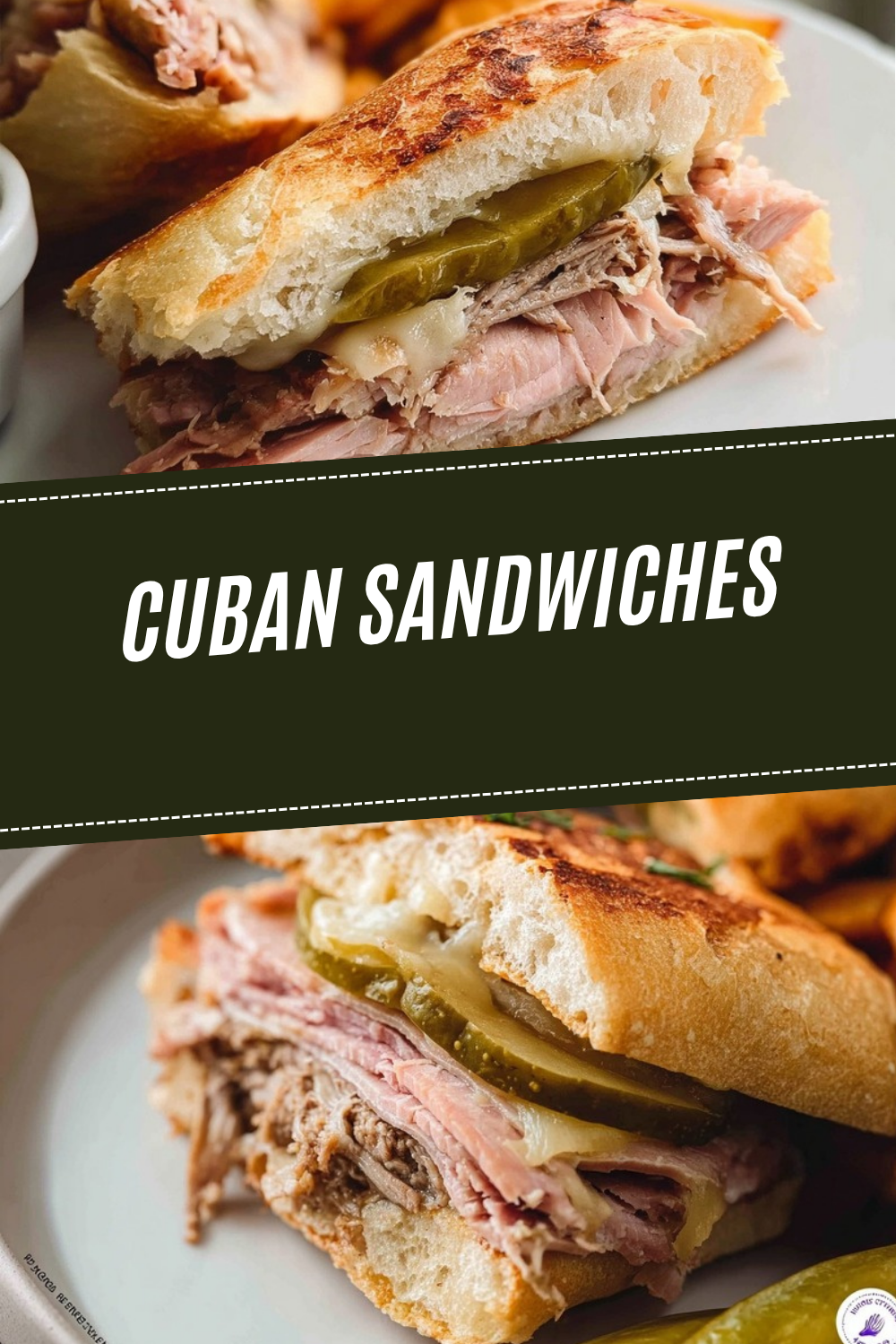
Close the sandwich carefully and place it in a plancha or panini press. Press for 5 to 10 minutes until the bread is crispy and the cheese melts fully. The exact time depends on the heat of your press and the thickness of your sandwich. You want a golden exterior with visible grill marks and a warm center. If you are using a skillet, place another heavy pan on top to mimic the press effect.
Fifth Step: Check texture and doneness
Watch for the bread to become crisp on the outside without burning. The sandwich should feel firm but not crushed flat. The cheese should be melted enough to bind the layers together. If you used pre-cooked pork, the goal is reheating and browning rather than fully cooking the meats. If you are using thicker pork slices, allow a little more time in the press.
Final Step: Slice and serve
Remove the sandwich from the press and let it rest for about 1 minute. Then cut it diagonally before serving. This makes the sandwich easier to handle and gives each half a neat presentation. Serve it hot while the bread is crisp and the cheese is still soft. Cuban Sandwiches are best eaten soon after pressing, when the contrast between the crunchy crust and warm filling is strongest.
| Step | Time | Result |
|---|---|---|
| Prepare and split bread | 2 minutes | Ready for layering |
| Layer fillings | 3 minutes | Evenly built sandwich |
| Press in plancha or panini press | 5 to 10 minutes | Crispy bread and melted cheese |
| Rest and slice | 1 minute | Cleaner cuts and better serving |

Dietary Substitutions to Customize Your Cuban Sandwiches
Protein and Main Component Alternatives
If you need to adjust the recipe, start with the meats and bread. Turkey slices can stand in for ham if you want a leaner profile, while roasted chicken can replace pork for a different flavor. For a vegetarian version, use seasoned plant-based deli slices and a vegan cheese that melts well. If Cuban bread is hard to find, a crusty French or Italian loaf can work, though the texture will be slightly different.
For readers following a lower-calorie plan, use thinner meat slices, less cheese, and a lighter coating on the outside of the bread. That keeps the sandwich closer to the original format while reducing the total richness. If you want a more traditional taste, keep the mustard, pickles, and bread in place, because those three elements define much of the sandwich’s character.
Vegetable, Sauce, and Seasoning Modifications
The classic version keeps vegetables to a minimum. However, some regional versions, such as Key West style, add 1/4 cup shredded lettuce, 2 to 3 tomato slices, and 1 tablespoon mayonnaise. These additions make the sandwich softer and more layered, but they move away from the traditional style. For a cleaner flavor, skip the extras and keep the focus on pork, ham, cheese, pickles, and mustard.
You can also adjust seasoning in the pork. Marinated pork with garlic, cumin, oregano, lime, and orange juice gives the sandwich a deeper, more aromatic flavor. If you like a sharper edge, add a little extra mustard. If you prefer a milder profile, use less mustard and keep the pickles in a smaller amount.
Mastering Cuban Sandwiches: Advanced Tips and Variations
Once you know the basic method, small changes can improve the result. Cuban Sandwiches depend on balance, heat, and pressure more than on complicated cooking. A few careful choices make a clear difference.
Pro cooking techniques
Use authentic Cuban bread whenever possible, because it presses more cleanly than many substitutes. Keep the pressing surface hot enough to crisp the exterior, but not so hot that the bread burns before the cheese melts. Even pressure matters, so place the sandwich flat in the press and avoid overloading one side. If the pork is cold from the refrigerator, warm it slightly first so the sandwich heats more evenly.
Flavor variations
Tampa-style Cuban Sandwiches include salami, which adds extra salt and spice. South Florida style leaves it out and keeps the sandwich more focused on ham and roast pork. Key West style may add lettuce, tomato, and mayonnaise, which gives the sandwich a fresher, softer finish. These versions show how the same core recipe can shift slightly from region to region while still feeling familiar.
Presentation tips
Cut the sandwich diagonally for a cleaner look and easier handling. If serving it on a plate, pair it with plantain chips, a simple salad, or a small pickle garnish. Keep the presentation simple, since the sandwich itself is already visually strong once it is pressed and sliced. A neat cut also helps show the melted cheese and meat layers inside.
Make-ahead options
Cook the pork in advance and store it in the refrigerator, then assemble the sandwich when ready to eat. You can also pre-slice the bread and cheese to save time later. For busy households, this is one of the easiest ways to turn Cuban Sandwiches into a fast lunch or dinner with very little last-minute work.
How to Store Cuban Sandwiches: Best Practices
Cuban Sandwiches are best eaten fresh, but leftovers can be stored if needed. Because the bread is pressed and the fillings are moist, the texture changes after refrigeration, so reheating correctly matters.
Refrigeration
Wrap any leftover sandwich tightly in foil or place it in an airtight container. Refrigerate it for up to 2 days. If possible, store the sandwich uncut so it holds together better. The bread may soften, but it can still be revived with heat.
Freezing
Freezing is better for the cooked pork than for the full sandwich. If you do freeze an assembled sandwich, wrap it well to protect it from freezer burn. Use it within 1 month for the best quality. The bread may not stay as crisp after thawing, so freezing parts separately usually works better.
Reheating
Reheat the sandwich in a skillet, toaster oven, or panini press until the bread crisps again and the center is hot. Avoid the microwave if you want to keep the crust from becoming soggy. If the sandwich was refrigerated, a few minutes in a press usually brings back much of the original texture.
Meal prep considerations
For batch cooking, prepare the pork, slice the cheese, and portion the pickles ahead of time. Keep the bread separate until just before cooking. That approach saves time while protecting the texture of the final sandwich.
FAQs: Frequently Asked Questions About Cuban Sandwiches
What is a Cuban sandwich?
What are the key ingredients in a traditional Cuban sandwich?
How do you make a Cuban sandwich at home?
What’s the difference between a Cuban sandwich and a ham and cheese?
Where did the Cuban sandwich come from and why is it popular?
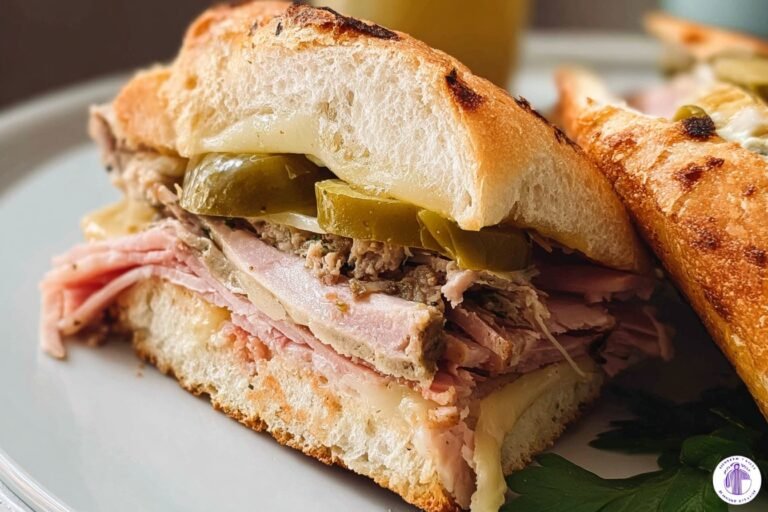
Cuban Sandwiches
🥪 Indulge in the ultimate pressed Cuban sandwich – crispy bread, melty Swiss, savory meats, and tangy pickles in every bite!
🔥 Iconic Miami comfort food that’s quick to make at home, perfect for lunch or game day feasts.
- Total Time: 25 minutes
- Yield: 4 sandwiches
Ingredients
– 1 piece Cuban bread, 8 to 12 inches long
– 2 tablespoons yellow mustard
– 4 slices Swiss cheese, about 100g total
– 4 slices ham, about 100g total
– 4 slices roasted pork, about 100g total
– 6 to 8 dill pickle slices
– 4 slices salami, about 50g total
– 1/4 cup shredded lettuce
– 2 to 3 tomato slices
– 1 tablespoon mayonnaise
– 1 teaspoon olive oil per side or a light butter coating
Instructions
1-First Step: Prepare the breadSlice the Cuban bread into 8 to 12 inch lengths if needed. Then split it lengthwise so you have a top and bottom half. Lightly butter the cut sides or brush each outer side with 1 teaspoon olive oil per side. This light coating helps the bread crisp in the press without becoming greasy. If you want a more traditional finish, keep the coating light and avoid adding too much fat.
2-Second Step: Add the mustardSpread 2 tablespoons yellow mustard over the inside of the bread. Make sure the mustard reaches close to the edges so every bite has some sharp, tangy flavor. The mustard also helps balance the richness of the pork, ham, and cheese. If you prefer a milder sandwich, you can use a slightly thinner layer, but avoid leaving the bread dry.
3-Third Step: Layer the meats and cheesePlace 4 slices ham on the bread first, followed by 4 slices roasted pork. If you are making the Tampa variation, add 4 slices salami at this stage. Then add 4 slices Swiss cheese, followed by 6 to 8 dill pickle slices. This order helps the cheese melt into the meats while the pickles keep their bite. Press the fillings gently into place so the sandwich stays compact during cooking.
4-Fourth Step: Close and press the sandwichClose the sandwich carefully and place it in a plancha or panini press. Press for 5 to 10 minutes until the bread is crispy and the cheese melts fully. The exact time depends on the heat of your press and the thickness of your sandwich. You want a golden exterior with visible grill marks and a warm center. If you are using a skillet, place another heavy pan on top to mimic the press effect.
5-Fifth Step: Check texture and donenessWatch for the bread to become crisp on the outside without burning. The sandwich should feel firm but not crushed flat. The cheese should be melted enough to bind the layers together. If you used pre-cooked pork, the goal is reheating and browning rather than fully cooking the meats. If you are using thicker pork slices, allow a little more time in the press.
6-Final Step: Slice and serveRemove the sandwich from the press and let it rest for about 1 minute. Then cut it diagonally before serving. This makes the sandwich easier to handle and gives each half a neat presentation. Serve it hot while the bread is crisp and the cheese is still soft. Cuban Sandwiches are best eaten soon after pressing, when the contrast between the crunchy crust and warm filling is strongest.
Last Step:
Please leave a rating and comment letting us know how you liked this recipe! This helps our business to thrive and continue providing free, high-quality recipes for you.Notes
🍞 Seek authentic Cuban bread with soft interior and crusty exterior; sub with French/Italian rolls if unavailable.
🌎 Tampa style adds salami; traditional South Florida omits it for purity.
⚖️ Press evenly and firmly for that signature flattened, crispy perfection.
- Prep Time: 15 minutes
- Cook Time: 10 minutes
- Category: Lunch
- Method: Panini Press
- Cuisine: Cuban
Nutrition
- Serving Size: 1 sandwich
- Calories: 900 kcal
- Sugar: 5g
- Sodium: 2500mg
- Fat: 40g
- Saturated Fat: 15g
- Unsaturated Fat: 25g
- Trans Fat: 0g
- Carbohydrates: 70g
- Fiber: 3g
- Protein: 45g
- Cholesterol: 150mg