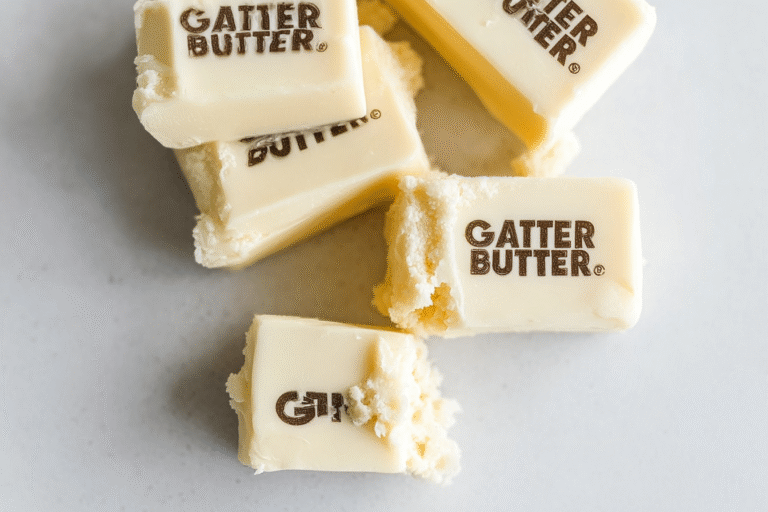
Ingredients
– 1 cup refined coconut oil Provides a solid fat similar to butter consistency when cooled
– 1/4 cup unsweetened almond milk Adds creaminess and helps create a spreadable texture
– 1/2 teaspoon salt Enhances flavor similar to salted butter
– 1 teaspoon apple cider vinegar Creates a slight tanginess that mimics the taste of butter
– 1 teaspoon liquid soy lecithin Acts as an emulsifier to bind ingredients together
– 1/2 cup unsweetened applesauce Provides moisture and natural sweetness in baking
– 1/4 cup vegetable oil Adds necessary fat content for proper texture
– 1 teaspoon vanilla extract Enhances flavor profile in sweet baked goods
– 2 ripe avocados Creates a creamy texture with healthy monounsaturated fats
– 1 tablespoon lemon juice Prevents browning and adds bright flavor
– 1/2 teaspoon sea salt Enhances natural flavor of avocado
– 1 clove garlic, minced Adds savory depth for cooking applications
– 3/4 cup extra virgin olive oil Provides heart-healthy fats for cooking
– 1/4 cup water Adjusts consistency for spreading
– 1/2 teaspoon salt Enhances flavor
Instructions
1-First Step: Begin by gathering all your ingredients and ensuring your coconut oil is in the right state. If it’s solid, you’ll need to melt it slightly until it becomes liquid but not hot. This usually takes about 30 seconds in the microwave or 2-3 minutes on the stovetop over low heat. Proper preparation is crucial for achieving the right consistency in your final product.
2-Second Step: In a medium mixing bowl, combine the melted coconut oil with almond milk, salt, apple cider vinegar, and liquid soy lecithin. Using a handheld mixer or immersion blender, mix on low speed for 30 seconds to combine the ingredients, then increase to high speed for 2-3 minutes until the mixture is smooth and emulsified. The lecithin helps bind the oil and milk together, creating a creamy consistency similar to dairy butter.
3-Third Step: Pour the mixture into a clean container or butter dish. Place it in the refrigerator for 1-2 hours until it solidifies to a spreadable consistency. The mixture will firm up considerably, so choose a container with a wide opening if you plan to use it as a spread. If you’re using it for baking, you might want to measure it into tablespoon-sized portions and freeze them for easy use later.
4-Fourth Step: Once solidified, your coconut oil butter substitute is ready to use! It will have a texture very similar to traditional butter and can be used in a 1:1 ratio in most recipes. Keep in mind that coconut oil has a lower melting point than dairy butter, so it may become soft more quickly at room temperature. Store it in the refrigerator when not in use to maintain its consistency.
5-First Step: Start with high-quality unsweetened applesauce. If you’re making your own, simply peel and chop 2-3 apples, then simmer them in a small amount of water until soft. Puree in a blender until smooth. If using store-bought applesauce, ensure it has no added sugar or preservatives for the best results. Measure out exactly 1/2 cup for your substitute mixture.
6-Second Step: In a small bowl, whisk together the applesauce with vegetable oil and vanilla extract. The oil is essential here because applesauce lacks the fat content needed for successful baking. This combination creates a balance between moisture reduction from the applesauce and the necessary fat for proper texture development in baked goods.
7-Third Step: For baking applications, this substitute works best when you replace half the butter in a recipe with the applesauce mixture. For example, if a recipe calls for 1 cup of butter, use 1/2 cup butter and 1/2 cup of your applesauce substitute. This maintains enough fat for proper texture while reducing calories and adding nutritional benefits. For completely fat-free baking, you can use only applesauce, though the texture will be denser and more moist.
8-Fourth Step: When using this substitute in baking, slightly reduce the baking temperature by 25°F and check for doneness a few minutes early, as the reduced fat content can affect baking time. This is particularly important for cookies and cakes, where proper setting is crucial for the final texture.
9-Final Step: Your applesauce baking substitute is now ready to use in muffins, quick breads, brownies, and cakes. It works exceptionally well in chocolate-based recipes, as the applesauce moisture complements the cocoa without affecting the chocolate flavor profile. The natural pectin in applesauce also helps create a tender crumb structure in baked goods.
10-First Step: Select avocados that yield slightly to gentle pressure but aren’t mushy. Overripe avocados will result in an overly soft spread, while underripe ones won’t mash properly. Cut the avocados in half lengthwise, remove the pit, and scoop the flesh into a mixing bowl. For this recipe, you’ll need two medium-sized avocados.
11-Second Step: Add lemon juice, sea salt, and minced garlic to the avocados. The acid in the lemon juice prevents oxidation, keeping your avocado spread green and fresh, while the garlic adds savory depth that works well in cooking applications. Using a fork or potato masher, mash the ingredients together until you reach your desired consistency. For a smoother texture, use a food processor or blender.
12-Third Step: For an even creamier texture that more closely resembles butter, you can blend in 1 tablespoon of olive oil or Greek yogurt. This addition helps create a smoother mouthfeel and makes the spread easier to apply to bread or toast. If you’re using this for cooking applications, the olive oil addition also helps the avocado hold up better under heat.
13-Fourth Step: Transfer your avocado butter substitute to an airtight container, pressing plastic wrap directly against the surface to prevent browning. This will keep for 2-3 days in the refrigerator. For longer storage, consider freezing small portions in an ice cube tray and transferring to a freezer bag once frozen.
14-Final Step: Your avocado butter substitute is ready to use! It works beautifully as a spread on toast, in sandwiches, or as a topping for baked potatoes. For cooking applications, it’s best used in dishes that don’t require high heat, as avocado can become bitter when cooked at high temperatures. Try using it in scrambled eggs, as a finishing touch for pasta, or in place of butter in mashed potatoes.
Last Step:
Please leave a rating and comment letting us know how you liked this recipe! This helps our business to thrive and continue providing free, high-quality recipes for you.Notes
🥄 Fruit purees add subtle sweetness – perfect for spiced recipes.
❤️ Oils like olive provide healthy fats; choose extra virgin for flavor.
📏 Always whisk purees smooth to avoid lumps in batter.
- Prep Time: Varies
- Category: Cooking Tips
- Method: Substitution
- Cuisine: Universal
- Diet: Varies
Nutrition
- Serving Size: 1/2 cup sub
- Calories: Varies
- Sugar: Varies
- Sodium: Varies
- Fat: Varies
- Saturated Fat: Varies
- Unsaturated Fat: Varies
- Trans Fat: 0g
- Carbohydrates: Varies
- Fiber: Varies
- Protein: Varies
- Cholesterol: Varies