
Why You’ll Love This Butter And Margarine Difference
Understanding the distinctions between butter and margarine can revolutionize your cooking experience. Whether you’re a seasoned home cook or just starting your culinary journey, knowing when to use each fat will help you create dishes with perfect textures and flavors every time. This guide will help you make informed decisions based on nutritional needs, cooking methods, and personal taste preferences. * Ease of preparation: Understanding these fats simplifies your cooking process. Butter melts beautifully for sauces, while margarine spreads easily right from the refrigerator, saving precious minutes in meal prep. Ghee offers a longer shelf life and higher smoke point, making it incredibly convenient for high-heat cooking without burning. * Health benefits: Making the right choice impacts your wellness significantly. Grass-fed butter provides vitamins A, D, and K2, while quality margarine options can reduce bad cholesterol levels. Ghee contains butyrate, which supports gut health. By understanding the nutritional differences, you can tailor your fat choices to support your health goals while still enjoying delicious food. * Versatility: Each fat brings unique properties to different dishes. Butter adds richness to baked goods, margarine works wonderfully in vegan recipes, and ghee excels in high-temperature cooking and adds a nutty flavor to Indian dishes. Having all three in your kitchen expands your culinary possibilities and adapts easily to various dietary requirements. * Distinctive flavor: The taste differences between these fats can transform ordinary recipes into extraordinary ones. Butter offers a creamy, rich flavor that enhances simple vegetables, margarine provides a neutral base for showcasing other ingredients, and ghee contributes a caramelized, nutty note that elevates both sweet and savory dishes. Understanding these flavor profiles helps you choose the perfect fat for every recipe.Jump to:
- Why You’ll Love This Butter And Margarine Difference
- Essential Ingredients for Butter And Margarine Difference
- How to Prepare the Perfect Butter And Margarine Difference: Step-by-Step Guide
- Dietary Substitutions to Customize Your Butter And Margarine Difference
- Protein and Main Component Alternatives
- Vegetable, Sauce, and Seasoning Modifications
- Mastering Butter And Margarine Difference: Advanced Tips and Variations
- How to Store Butter And Margarine Difference: Best Practices
- FAQs: Frequently Asked Questions About Butter And Margarine Difference
- What is the main difference between butter and margarine?
- Is margarine healthier than butter?
- Can I use margarine instead of butter in baking?
- Which has more calories, butter or margarine?
- Does butter or margarine taste better?
- Butter And Margarine Difference
- Ingredients
- Instructions
- Last Step:
- Notes
- Nutrition
- Did you make this recipe?
Essential Ingredients for Butter And Margarine Difference
To truly understand the butter and margarine difference, we need to examine their core components. While both serve similar purposes in cooking, their ingredients and nutritional profiles differ significantly. Butter Components: * Heavy cream (100%) – The base ingredient, churned to separate fat from buttermilk * Salt (optional, 1-2%) – Added for flavor and preservation in salted varieties * Natural milk solids – Provide butter’s characteristic flavor and brown when heated Margarine Components: * Vegetable oils (80%) – Typically soybean, palm, or canola oil as the base * Water (16-20%) – Emulsified with oils to create spreadable consistency * Salt (varies) – Added for flavor enhancement * Emulsifiers (1-2%) – Such as lecithin to maintain stable texture * Flavorings – Often including artificial butter flavor and colors * Vitamins A and D – Frequently added to match butter’s nutritional profile Ghee Components: * Unsalted butter (100%) – The starting material for clarified butter * Milk solids (removed) – Separated during the clarification process * Water (removed) – Evaporated during heating, leaving pure milk fat Special Dietary Options: Vegan: Choose plant-based margarines made without dairy ingredients. Look for certifications and check labels for hidden milk derivatives. Gluten-free: All three options are naturally gluten-free, but always check packaged margarines for additives that might contain gluten. Low-calorie: Select light or reduced-fat margarines with added water, or use butter sparingly due to its calorie density. Whipped varieties contain more air, reducing calories per tablespoon.How to Prepare the Perfect Butter And Margarine Difference: Step-by-Step Guide
Learning how to properly work with different fats in your kitchen will elevate your cooking results. Follow this comprehensive guide to master the unique qualities of butter, margarine, and ghee in your culinary adventures. First Step: Start by selecting the appropriate fat for your cooking method. For baking recipes where creaming is essential, choose cold, unsalted butter. For spreading on toast or making sandwiches, margarine straight from the refrigerator works perfectly. When cooking at high temperatures or making Indian-inspired dishes, reach for ghee. Keep in mind that homemade butter offers exceptional flavor control compared to store-bought varieties. Second Step: Prepare your fat according to the recipe requirements. For baking, cut cold butter into small cubes to incorporate evenly into flour mixtures. This creates flaky layers in pie crusts and biscuits. If your recipe calls for softened butter, remove it from the refrigerator 30-60 minutes before use. For margarine, measure it carefully as different brands contain varying water content, which can affect recipe outcomes. When using ghee, it can typically be used interchangeably with oil in most recipes. Third Step: Master the proper melting techniques for each fat. Butter melts at lower temperatures than ghee and will separate into fat and milk solids. For clear golden fat, skim off the foam or continue heating until the milk solids brown slightly for a richer flavor. Margarine melts more quickly but has a lower smoke point, making it less suitable for high-heat cooking. Ghee can withstand higher temperatures without burning, making it ideal for sautéing and frying. According to Food Network’s comparison, understanding these temperature differences is crucial for cooking success. Fourth Step: Apply the correct fat to your cooking vessel. When pan-frying, add cold butter to a hot pan to prevent browning too quickly, or swirl in room-temperature ghee for immediate coverage. For baking with butter, keep it cold until the last moment for the best results in pastries. Margarine works well in cookie recipes where a slightly softer texture is desired. Remember that each fat contributes differently to the final product butter adds richness and flakiness, while margarine creates a softer texture, and ghee imparts a distinctive nutty flavor. Final Step: Finish and serve your dishes with appropriate garnishes that highlight your chosen fat. A pat of butter on steamed vegetables adds richness, while a dollop of flavored margarine can enhance a simple piece of toast. Ghee makes an excellent finishing oil for roasted vegetables or drizzled over cooked grains. Store any leftovers properly to maintain freshness butter and margarine should be refrigerated when not in use, while ghee can be kept at room temperature for several weeks due to its lack of milk solids and water content.
Dietary Substitutions to Customize Your Butter And Margarine Difference
Protein and Main Component Alternatives
Adapting recipes to accommodate dietary restrictions or preferences doesn’t mean sacrificing flavor or texture. With the right substitutions, you can create delicious dishes that meet various nutritional needs while still enjoying the richness that fats bring to cooking. For those following a dairy-free lifestyle, high-quality plant-based margarines offer an excellent alternative to butter. Look for options made from olive oil, avocado oil, or coconut oil bases, which provide healthier fat profiles. Coconut oil can replace butter in a 1:1 ratio in most baking recipes, adding a subtle tropical flavor that complements many desserts. Vegan ghee, made from plants but designed to mimic traditional ghee’s properties, works well in Indian dishes and high-heat cooking applications. If you’re watching your saturated fat intake, consider using olive oil or avocado oil instead of butter in cooking applications. These heart-healthy oils can be used for sautéing vegetables or as finishing fats for cooked dishes. When baking, prune puree or mashed bananas can replace up to half of the butter in recipes for moisture with less fat, while applesauce works particularly well in muffins and quick breads. Healthy cooking substitutions can transform your favorite recipes without sacrificing flavor.Vegetable, Sauce, and Seasoning Modifications
Enhancing the natural flavors of your cooking fats with complementary ingredients can elevate simple dishes to gourmet status. These modifications allow you to customize flavors to suit different cuisines and personal preferences while maximizing the health benefits of your chosen fats. Create flavored butters by incorporating herbs, spices, or citrus zest. Garlic and herb butter transforms roasted vegetables or grilled meats, while honey butter adds sweetness to breakfast items. For a Mediterranean touch, blend butter with olives, sun-dried tomatoes, and herbs. Similarly, margarine can be enhanced with the same additions, making it perfect for spreading on bread or melting over cooked dishes. When working with ghee, try infusing it with whole spices like cinnamon, cardamom, or cumin seeds during the clarification process for deeply flavored cooking oil. For sauce applications, consider the melting point and separation properties of each fat. Butter creates velvety sauces when emulsified properly, as in classic béarnaise or hollandaise. Margarine works well in simpler cream-style sauces where its stability is an advantage. Ghee excels in curry bases where its higher smoke point allows for proper browning of spices without burning. Remember that seasoning adjustments may be necessary when switching between fats salted butter requires less added salt than unsalted varieties, while many margarines contain significant added sodium.Mastering Butter And Margarine Difference: Advanced Tips and Variations
Taking your cooking skills to the next level requires understanding the nuanced ways different fats behave in various culinary applications. These advanced techniques will help you achieve professional-quality results in your home kitchen. Pro cooking techniques: Mastering temperature control is essential when working with different fats. Butter burns at around 350°F, while ghee can withstand temperatures up to 485°F, making it superior for high-heat cooking. When making a roux with butter, cook it slowly to develop flavor without burning the milk solids. For the crispiest fried foods, use ghee or a blend of butter and oil to increase the smoke point. Clarifying your own butter at home allows you to control the process and create ghee with your preferred depth of flavor simply simmer unsalted butter until the milk solids separate and brown slightly, then strain through cheesecloth. Flavor variations: Experimenting with infused butters and ghee opens new flavor dimensions in your cooking. Try compound butters with roasted garlic, truffle oil, or maple syrup for sweet applications. Cultured butter, made from fermented cream, offers a tangy, complex flavor that elevates simple dishes. For ghee, adding curry leaves, mustard seeds, or other aromatics during the clarification process infuses it with distinctive flavors perfect for specific cuisines. When using margarine, look for flavored varieties or create your own by blending with herbs, spices, or citrus zest. Presentation tips: The visual appeal of your dishes can be enhanced with thoughtful presentation of fats. Serve compound butter rounds on a wooden board alongside warm bread. Create decorative butter molds for special occasions. For ghee, present it in a traditional copper container for authenticity and elegance. When serving margarine, whip it slightly before presentation to create a lighter, more appealing texture. Drizzle melted ghee over finished dishes just before serving to add shine and a professional touch. Make-ahead options: Preparing flavored fats in advance saves time and allows flavors to develop. Compound butters can be made weeks ahead, wrapped tightly, and frozen until needed. Ghee has an exceptionally long shelf life and can be prepared in large batches to use over several months. Margarine maintains its quality in the refrigerator for months, making it convenient for advance preparation. According to Mayo Clinic experts, storing these fats properly ensures both safety and quality for longer periods.How to Store Butter And Margarine Difference: Best Practices
Proper storage extends the life of your cooking fats and maintains their quality for optimal performance in recipes. Each type of fat has specific requirements to keep it fresh and flavorful.| Fat Type | Refrigerator | Freezer | Counter |
|---|---|---|---|
| Butter | 1-3 months | 6-9 months | 1-2 weeks |
| Margarine | 4-6 months | 6-12 months | Not recommended |
| Ghee | 12 months | Not needed | 3-6 months |
FAQs: Frequently Asked Questions About Butter And Margarine Difference
What is the main difference between butter and margarine?
Is margarine healthier than butter?
Can I use margarine instead of butter in baking?
Which has more calories, butter or margarine?
Does butter or margarine taste better?
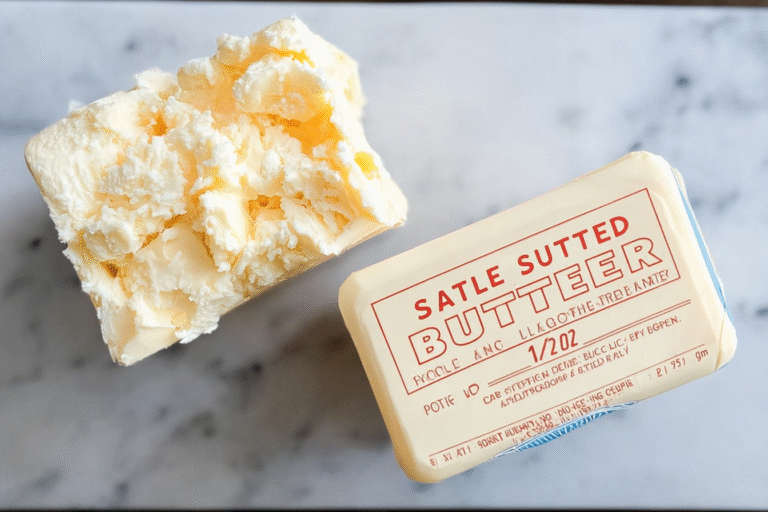
Butter And Margarine Difference
🧈🔍 Master butter, margarine, ghee differences for flawless baking, frying, and health-smart choices!
💡 Boost flavor profiles, achieve perfect textures, extend shelf life with right fat every time.
- Total Time: 5 minutes
- Yield: N/A
Ingredients
– 100% heavy cream base ingredient
– 1-2% salt optional for flavor and preservation
– natural milk solids for characteristic flavor
– 80% vegetable oils base
– 16-20% water emulsified for spreadable consistency
– salt varies for flavor enhancement
– 1-2% emulsifiers such as lecithin for stable texture
– flavorings including artificial butter flavor and colors
– vitamins A and D to match nutritional profile
– 100% unsalted butter starting material
– milk solids removed separated during clarification
– water removed evaporated during heating
Instructions
1-First Step: Start by selecting the appropriate fat for your cooking method. For baking recipes where creaming is essential, choose cold, unsalted butter. For spreading on toast or making sandwiches, margarine straight from the refrigerator works perfectly. When cooking at high temperatures or making Indian-inspired dishes, reach for ghee. Keep in mind that homemade butter offers exceptional flavor control compared to store-bought varieties.
2-Second Step: Prepare your fat according to the recipe requirements. For baking, cut cold butter into small cubes to incorporate evenly into flour mixtures. This creates flaky layers in pie crusts and biscuits. If your recipe calls for softened butter, remove it from the refrigerator 30-60 minutes before use. For margarine, measure it carefully as different brands contain varying water content, which can affect recipe outcomes. When using ghee, it can typically be used interchangeably with oil in most recipes.
3-Third Step: Master the proper melting techniques for each fat. Butter melts at lower temperatures than ghee and will separate into fat and milk solids. For clear golden fat, skim off the foam or continue heating until the milk solids brown slightly for a richer flavor. Margarine melts more quickly but has a lower smoke point, making it less suitable for high-heat cooking. Ghee can withstand higher temperatures without burning, making it ideal for sautéing and frying. According to Food Network’s comparison, understanding these temperature differences is crucial for cooking success.
4-Fourth Step: Apply the correct fat to your cooking vessel. When pan-frying, add cold butter to a hot pan to prevent browning too quickly, or swirl in room-temperature ghee for immediate coverage. For baking with butter, keep it cold until the last moment for the best results in pastries. Margarine works well in cookie recipes where a slightly softer texture is desired. Remember that each fat contributes differently to the final product butter adds richness and flakiness, while margarine creates a softer texture, and ghee imparts a distinctive nutty flavor.
5-Final Step: Finish and serve your dishes with appropriate garnishes that highlight your chosen fat. A pat of butter on steamed vegetables adds richness, while a dollop of flavored margarine can enhance a simple piece of toast. Ghee makes an excellent finishing oil for roasted vegetables or drizzled over cooked grains. Store any leftovers properly to maintain freshness butter and margarine should be refrigerated when not in use, while ghee can be kept at room temperature for several weeks due to its lack of milk solids and water content.
Last Step:
Please leave a rating and comment letting us know how you liked this recipe! This helps our business to thrive and continue providing free, high-quality recipes for you.Notes
🔥 Choose ghee for high-heat Indian/Asian cooking.
🍪 Use real butter for superior cookie flavor and rise.
🥄 Margarine works in vegan recipes but check labels.
- Prep Time: 5 minutes
- Category: Cooking Guide
- Method: Comparison
- Cuisine: Universal
- Diet: Varies
Nutrition
- Serving Size: N/A
- Calories: Varies
- Sugar: 0g
- Sodium: Varies
- Fat: Varies
- Saturated Fat: Varies
- Unsaturated Fat: Varies
- Trans Fat: Varies
- Carbohydrates: 0g
- Fiber: 0g
- Protein: 0g
- Cholesterol: Varies