
Why Belgian Stoofvlees Belongs on Your Dinner Table
If you love cozy meals that feel like a warm hug, Belgian Stoofvlees is one of those dishes you will want to make again and again. This classic stoofvlees recipe brings together tender beef, dark beer, onions, and a slow simmer that turns simple ingredients into something rich and deeply satisfying.
- Easy to make: This dish mostly cooks on its own once the beef is browned and the pot is assembled, which makes it great for home cooks, busy parents, and working professionals.
- Good for a balanced meal: Beef brings protein and iron, while onions, garlic, and carrot add flavor plus a little extra nourishment. For more on beef nutrition, see this helpful beef nutrition guide.
- Flexible for many tables: You can serve it with fries, mashed potatoes, bread, or vegetables, so it fits different routines and food preferences.
- Big, memorable flavor: The mix of beer, mustard, paprika, thyme, rosemary, and brown sugar gives this flemish beef stew a savory-sweet depth that stands out from everyday stews.
Tip: If you are cooking for family or friends, this is one of those meals that tastes even better after a short rest, so it is a smart make-ahead choice.
It is also a comforting fit for chilly nights, long weekends, or any day when you want something hearty without a lot of fuss. That is really the charm of Belgian beef stew: it feels rustic, filling, and special at the same time.
Jump to:
- Why Belgian Stoofvlees Belongs on Your Dinner Table
- Essential Ingredients for Belgian Stoofvlees
- What each ingredient does
- Special dietary options
- How to Prepare the Perfect Belgian Stoofvlees: Step-by-Step Guide
- First Step: Prep everything before you heat the pan
- Second Step: Brown the beef for deeper flavor
- Third Step: Soften the onions, garlic, and carrot
- Fourth Step: Build the stew base
- Fifth Step: Simmer gently until the beef is tender
- Sixth Step: Check the texture and seasoning
- Final Step: Rest and serve
- Dietary Substitutions to Customize Your Belgian Stoofvlees
- Protein and main component alternatives
- Vegetable, sauce, and seasoning modifications
- Mastering Belgian Stoofvlees: Advanced Tips and Variations
- Pro cooking techniques
- Flavor variations
- Presentation tips
- Make-ahead options
- How to Store Belgian Stoofvlees: Best Practices
- FAQs: Frequently Asked Questions About Belgian Stoofvlees
- What is stoofvlees?
- How do you make Belgian stoofvlees at home?
- What beer is best for stoofvlees?
- What do you serve with stoofvlees?
- How long does stoofvlees take to cook and can I use a slow cooker?
- Belgian Stoofvlees
- Ingredients
- Instructions
- Last Step:
- Notes
- Nutrition
- Did you make this recipe?
Essential Ingredients for Belgian Stoofvlees
This traditional Belgian stoofvlees recipe uses a mix of everyday pantry items and a few bold flavor builders. Below is the full ingredient list, formatted so it is easy to gather everything before you start cooking.
- 1 pound beef cubed
- 1 small onion minced
- 4 cloves garlic minced
- 1 sprig fresh rosemary
- 1/2 teaspoon dried thyme
- 1/2 teaspoon sweet paprika
- 1/2 teaspoon smoked paprika
- 1/2 teaspoon hot paprika
- 1 tablespoon mustard
- 2 tablespoons red or white wine vinegar
- 2 tablespoons all-purpose flour
- 2 tablespoons flavorless cooking oil
- 1 large onion diced
- 1 bottle Belgian brown ale
- 1 cup beef broth
- 1 cup water
- 2 dried bay leaves
- 1 tablespoon brown sugar
- 1/4 teaspoon salt
- 1/8 teaspoon ground black pepper
- 1 teaspoon mustard
- 1 large carrot
- 1 garlic clove minced
- 1/2 sprig fresh rosemary chopped
- 1/4 teaspoon olive oil
- Pinch of salt
- Few grinds of black pepper
What each ingredient does
| Ingredient | Why it matters |
|---|---|
| Beef | Creates the hearty base and becomes tender during slow cooking. |
| Belgian brown ale | Adds malty depth and helps build the classic carbonnade flamande flavor. |
| Onions and garlic | Bring sweetness, aroma, and body to the stew. |
| Mustard, vinegar, and brown sugar | Create the sweet tang that makes stoofvlees taste so distinct. |
| Thyme, rosemary, bay leaves, and paprika | Give the stew warmth, earthiness, and subtle spice. |
| Flour | Helps thicken the sauce so it clings to the meat. |
| Carrot | Adds a little natural sweetness and extra texture. |
Special dietary options
- Vegan: Swap the beef for king oyster mushrooms or seitan, use vegetable broth instead of beef broth, and choose a dark nonalcoholic beer or rich mushroom stock.
- Gluten-free: Replace all-purpose flour with cornstarch or a gluten-free flour blend, and check that the beer is gluten-free.
- Low-calorie: Use leaner beef, reduce the oil slightly, and serve with steamed vegetables instead of fries.
How to Prepare the Perfect Belgian Stoofvlees: Step-by-Step Guide
First Step: Prep everything before you heat the pan
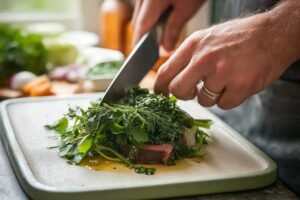
Start by patting the beef dry, then cut it into even cubes if it is not already cubed. Mince the small onion and garlic, dice the large onion, chop the carrot into bite-size pieces, and measure out the beer, broth, water, mustard, vinegar, flour, sugar, and spices. This little bit of mise en place makes the whole stoofvlees recipe feel calm and easy.
Mix the salt, black pepper, thyme, sweet paprika, smoked paprika, and hot paprika in a small bowl. If you like a more pronounced herbal note, keep the rosemary nearby so you can add it when the stew starts simmering.
Second Step: Brown the beef for deeper flavor
Set a heavy pot or Dutch oven over medium-high heat and add the 2 tablespoons of flavorless cooking oil. Once the oil shimmers, add the beef in a single layer. Brown it on all sides for about 6 to 8 minutes total, working in batches if needed so the pot does not get crowded.
When the beef is deeply colored, remove it to a plate. This step may feel small, but it matters a lot because the browned bits on the bottom of the pot help build the rich base of this flemish beef stew.
Third Step: Soften the onions, garlic, and carrot
Lower the heat to medium and add the diced large onion, minced small onion, minced garlic, and the chopped carrot. Cook for 5 to 7 minutes, stirring now and then, until the onions look soft and lightly golden. Add the remaining garlic clove if you want a stronger garlic note, along with the 1/4 teaspoon olive oil if the pot looks dry.
Stir in the mustard, vinegar, and brown sugar. Let them cook for about 1 minute so the sharp edges soften and the mixture starts smelling sweet and tangy.
Fourth Step: Build the stew base
Sprinkle the flour over the vegetables and stir until everything looks coated. Cook for 1 minute, which helps remove any raw flour taste. Then pour in the Belgian brown ale a little at a time, scraping the bottom of the pot with a wooden spoon to lift up the browned bits.
Add the beef broth, water, bay leaves, rosemary sprig, chopped rosemary, and the spice mix. Return the beef and any juices to the pot. Stir well so the meat is nestled into the liquid.
Fifth Step: Simmer gently until the beef is tender
Bring the pot to a gentle simmer, then reduce the heat to low and cover with a lid slightly ajar. Let it cook for about 2 1/2 to 3 hours, stirring every so often, until the beef is fork-tender and the sauce has thickened. If the liquid reduces too fast, add a splash of water.
This is where stoofvlees with beer really shines. The beer mellows as it cooks, leaving behind a malty, slightly caramel flavor that works so well with the beef and onions. For more background on the dish, this piece on Belgium’s iconic beef stew cooked in beer offers a nice look at its beer-cooking tradition.
Sixth Step: Check the texture and seasoning
When the beef is tender, taste the stew and adjust the seasoning with the pinch of salt and a few grinds of black pepper. If the sauce tastes too sharp, let it simmer uncovered for 10 to 15 more minutes. If it seems too thick, add a splash of water or broth.
For a silkier finish, remove the lid during the last part of cooking so the sauce can reduce naturally. This final stretch gives you that glossy, spoon-coating gravy people love in carbonnade flamande.
Final Step: Rest and serve
Turn off the heat and let the stew rest for 10 to 15 minutes before serving. This short pause helps the flavors settle and the sauce thicken a bit more. Remove the bay leaves and rosemary sprig before ladling the stew into bowls.
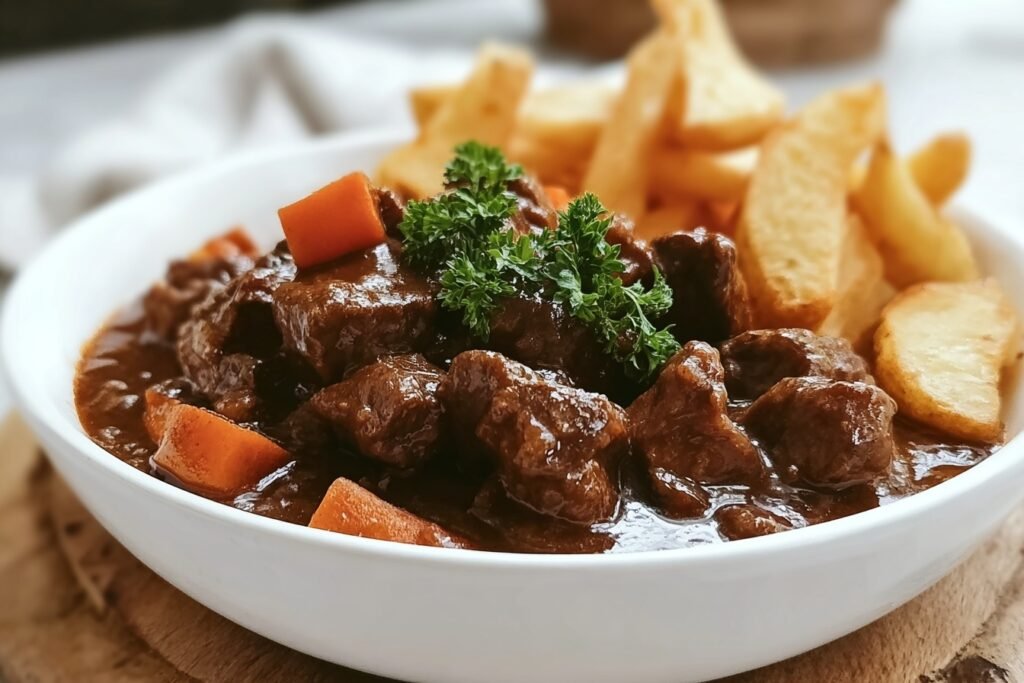
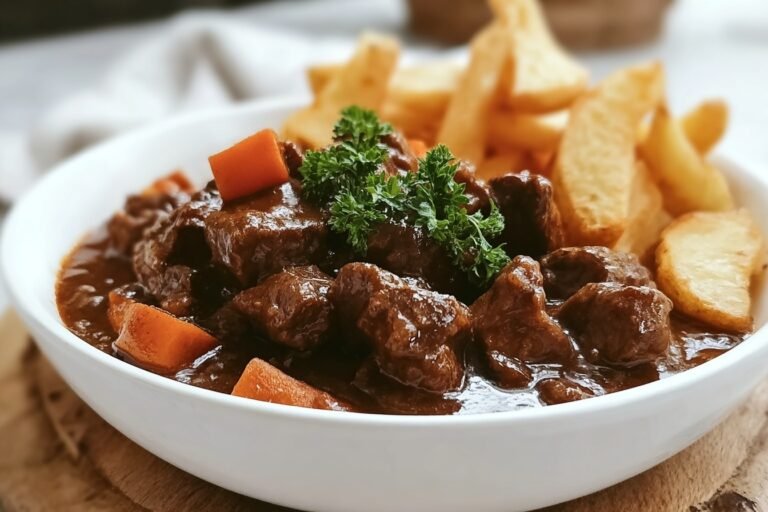
Serve it hot with fries, mashed potatoes, crusty bread, or buttered noodles. If you want the full Belgian feel, pair it with crispy frites and mayonnaise.
Best rule for this dish: slow heat, gentle simmer, and enough patience for the beef to turn soft and rich.

Dietary Substitutions to Customize Your Belgian Stoofvlees
Protein and main component alternatives
If you want to make this authentic Flemish beef stew recipe fit a different lifestyle, there are a few easy swaps. For a lighter version, use lean beef chuck or trim excess fat before cooking. If beef is not your thing, lamb works well, though it gives the stew a stronger taste. For a plant-based version, use hearty mushrooms, tofu cubes, or seitan so the sauce still has something sturdy to cling to.
Busy home cooks can also use pre-cut stew meat to save time. Just keep in mind that tougher cuts usually taste better after long, slow cooking, which is why this dish is such a good match for a lazy Sunday or meal prep day.
Vegetable, sauce, and seasoning modifications
Carrots are classic, but parsnips, celery, or mushrooms can be added for a different seasonal feel. If you want the sauce a little sweeter, add a touch more brown sugar. If you prefer deeper savoriness, use dark beer and a bit more mustard. For gluten-free cooking, swap the flour for cornstarch, then stir it in near the end.
You can also shift the spice profile slightly. Add more smoked paprika for a smoky edge, or keep it gentler by using only sweet paprika. For a lower-salt version, reduce the salt at the start and season at the end after tasting.
Mastering Belgian Stoofvlees: Advanced Tips and Variations
Pro cooking techniques
If you want your belgian stoofvlees carbonnade to taste like something from a Belgian brasserie, brown the beef in batches and do not rush the onion stage. Those browned bits are flavor gold. A heavy Dutch oven also helps keep the heat steady, which matters for a slow cooked flemish stew.
Another helpful trick is to let the stew cool slightly and then reheat it later. The flavor deepens as it rests, which is why many cooks say this dish tastes even better the next day. If the sauce feels thin, remove the lid and let it bubble gently for a few extra minutes.
Flavor variations
For a stronger beer note, choose a dark Belgian brown ale with a little roastiness. If you want something softer, use a mellower ale and a touch more brown sugar. Some cooks like to add a spoonful of whole-grain mustard for texture, while others add more rosemary for a woodsy note.
You can also try a holiday version with extra thyme and a handful of pearl onions. That small change gives the stew a festive feel without drifting too far from the traditional flavor.
Presentation tips
Serve the stew in wide bowls so the gravy can pool around the meat. A sprinkle of chopped parsley looks nice, though it is not required. For a proper Belgian-style meal, add golden fries on the side and a little mayonnaise or aioli for dipping.
Make-ahead options
This dish is friendly to planning ahead. You can brown the beef and cook the onions the day before, then finish the simmering the next day. Or make the whole pot, cool it fully, and reheat it gently when you are ready to serve. That is one reason this slow cooked flemish stew works so well for families and anyone with a packed schedule.
How to Store Belgian Stoofvlees: Best Practices
Leftovers keep well, and the flavor often improves after a night in the fridge. Store cooled stoofvlees in an airtight container in the refrigerator for up to 4 days. For longer storage, freeze portions in freezer-safe containers or bags for up to 3 months.
To reheat, warm it slowly on the stovetop over low heat, adding a splash of water or broth if the sauce has thickened too much. You can also reheat it in the microwave in short bursts, stirring between each one. For meal prep, portion the stew with your chosen side so lunch or dinner is ready with very little effort.
Quick storage tip: let the stew cool before sealing it, but do not leave it out for more than 2 hours.

FAQs: Frequently Asked Questions About Belgian Stoofvlees
What is stoofvlees?
How do you make Belgian stoofvlees at home?
What beer is best for stoofvlees?
What do you serve with stoofvlees?
How long does stoofvlees take to cook and can I use a slow cooker?
Belgian Stoofvlees
🥘 Rich, tender beef braised in Belgian brown ale for authentic Flemish comfort – deep flavors that warm the soul!
🍻 Slow-simmered stew perfect with fries, hearty and easy for cozy dinners or gatherings.
- Total Time: 5 hours 30 minutes
- Yield: 4 servings
Ingredients
– 1 pound beef cubed
– 1 small onion minced
– 4 cloves garlic minced
– 1 sprig fresh rosemary
– 1/2 teaspoon dried thyme
– 1/2 teaspoon sweet paprika
– 1/2 teaspoon smoked paprika
– 1/2 teaspoon hot paprika
– 1 tablespoon mustard
– 2 tablespoons red or white wine vinegar
– 2 tablespoons all-purpose flour
– 2 tablespoons flavorless cooking oil
– 1 large onion diced
– 1 bottle Belgian brown ale
– 1 cup beef broth
– 1 cup water
– 2 dried bay leaves
– 1 tablespoon brown sugar
– 1/4 teaspoon salt
– 1/8 teaspoon ground black pepper
– 1 teaspoon mustard
– 1 large carrot
– 1 garlic clove minced
– 1/2 sprig fresh rosemary chopped
– 1/4 teaspoon olive oil
– Pinch of salt
– Few grinds of black pepper
Instructions
1-First Step: Prep everything before you heat the pan Start by patting the beef dry, then cut it into even cubes if it is not already cubed. Mince the small onion and garlic, dice the large onion, chop the carrot into bite-size pieces, and measure out the beer, broth, water, mustard, vinegar, flour, sugar, and spices. This little bit of mise en place makes the whole stoofvlees recipe feel calm and easy. Mix the salt, black pepper, thyme, sweet paprika, smoked paprika, and hot paprika in a small bowl. If you like a more pronounced herbal note, keep the rosemary nearby so you can add it when the stew starts simmering.
2-Second Step: Brown the beef for deeper flavor Set a heavy pot or Dutch oven over medium-high heat and add the 2 tablespoons of flavorless cooking oil. Once the oil shimmers, add the beef in a single layer. Brown it on all sides for about 6 to 8 minutes total, working in batches if needed so the pot does not get crowded. When the beef is deeply colored, remove it to a plate. This step may feel small, but it matters a lot because the browned bits on the bottom of the pot help build the rich base of this flemish beef stew.
3-Third Step: Soften the onions, garlic, and carrot Lower the heat to medium and add the diced large onion, minced small onion, minced garlic, and the chopped carrot. Cook for 5 to 7 minutes, stirring now and then, until the onions look soft and lightly golden. Add the remaining garlic clove if you want a stronger garlic note, along with the 1/4 teaspoon olive oil if the pot looks dry. Stir in the mustard, vinegar, and brown sugar. Let them cook for about 1 minute so the sharp edges soften and the mixture starts smelling sweet and tangy.
4-Fourth Step: Build the stew base Sprinkle the flour over the vegetables and stir until everything looks coated. Cook for 1 minute, which helps remove any raw flour taste. Then pour in the Belgian brown ale a little at a time, scraping the bottom of the pot with a wooden spoon to lift up the browned bits. Add the beef broth, water, bay leaves, rosemary sprig, chopped rosemary, and the spice mix. Return the beef and any juices to the pot. Stir well so the meat is nestled into the liquid.
5-Fifth Step: Simmer gently until the beef is tender Bring the pot to a gentle simmer, then reduce the heat to low and cover with a lid slightly ajar. Let it cook for about 2 1/2 to 3 hours, stirring every so often, until the beef is fork-tender and the sauce has thickened. If the liquid reduces too fast, add a splash of water. This is where stoofvlees with beer really shines. The beer mellows as it cooks, leaving behind a malty, slightly caramel flavor that works so well with the beef and onions. For more background on the dish, this piece on Belgium’s iconic beef stew cooked in beer offers a nice look at its beer-cooking tradition.
6-Sixth Step: Check the texture and seasoning When the beef is tender, taste the stew and adjust the seasoning with the pinch of salt and a few grinds of black pepper. If the sauce tastes too sharp, let it simmer uncovered for 10 to 15 more minutes. If it seems too thick, add a splash of water or broth. For a silkier finish, remove the lid during the last part of cooking so the sauce can reduce naturally. This final stretch gives you that glossy, spoon-coating gravy people love in carbonnade flamande.
7-Final Step: Rest and serve Turn off the heat and let the stew rest for 10 to 15 minutes before serving. This short pause helps the flavors settle and the sauce thicken a bit more. Remove the bay leaves and rosemary sprig before ladling the stew into bowls. Serve it hot with fries, mashed potatoes, crusty bread, or buttered noodles. If you want the full Belgian feel, pair it with crispy frites and mayonnaise.
Last Step:
Please leave a rating and comment letting us know how you liked this recipe! This helps our business to thrive and continue providing free, high-quality recipes for you.Notes
🍺 Choose a good dark Belgian brown ale like Chimay or Westmalle for the most authentic rich flavor.
⏳ Marinate overnight if possible to deepen the flavors and tenderize the beef.
🥔 Pair with thick-cut Belgian fries (frites) and a dollop of mustard for the classic Flemish experience.
- Prep Time: 30 minutes
- Marinating Time: 2 hours
- Cook Time: 3 hours
- Category: Main Dishes
- Method: Braise
- Cuisine: Belgian
Nutrition
- Serving Size: 1 serving
- Calories: 450
- Sugar: 10g
- Sodium: 700mg
- Fat: 20g
- Saturated Fat: 7g
- Unsaturated Fat: 13g
- Trans Fat: 0.2g
- Carbohydrates: 25g
- Fiber: 3g
- Protein: 35g
- Cholesterol: 95mg