

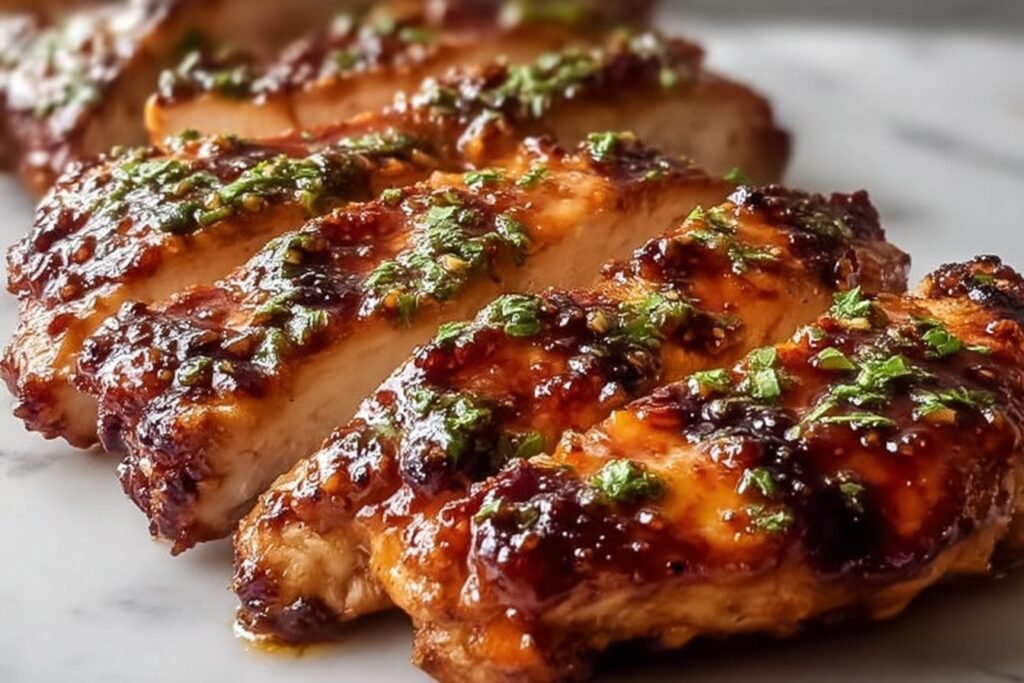
Why You’ll Love The Best Chicken Marinade Recipe
The Best Chicken Marinade Recipe is the kind of recipe busy home cooks keep coming back to because it checks every box. It is quick to mix, easy to store, and flexible enough for grilled chicken, baked chicken, or a simple skillet dinner.
- Easy to make: You only need a mixing bowl, a whisk, and a bag or container. The marinade comes together in about 5 minutes, which makes it perfect for weeknights.
- Juicy results: The mix of oil, vinegar, lemon juice, and brown sugar helps the chicken stay moist while adding big flavor.
- Works with many diets: You can use low sodium soy sauce, choose gluten-free soy sauce if needed, and pair it with lean chicken breasts or other cuts.
- Bold flavor: Balsamic vinegar, Worcestershire sauce, Dijon mustard, rosemary, and garlic powder create a sweet, savory, and tangy finish that stands out.
If you like simple dinners that still taste like you put in extra effort, this chicken marinade recipe belongs in your regular meal rotation. It is also a smart choice for meal prep, since you can marinate chicken ahead of time and cook it when you are ready. For more easy family-friendly ideas, you may also like this bright lemon curd recipe for a sweet finish after dinner.
For the juiciest chicken, let the marinade do the work. A little prep time goes a long way.
According to the National Chicken Council nutrition and health resources, chicken is a versatile protein that fits many everyday meals. That makes this recipe a solid pick for families, students, and anyone who wants something tasty without a lot of fuss.
Jump to:
- Why You’ll Love The Best Chicken Marinade Recipe
- Essential Ingredients for The Best Chicken Marinade Recipe
- Special dietary options
- Nutritional snapshot per serving
- How to Prepare The Best Chicken Marinade Recipe: Step-by-Step Guide
- First step: gather and measure everything
- Second step: mix the marinade
- Third step: coat the chicken
- Fourth step: choose your cooking method
- Final step: rest and serve
- Protein and Main Component Alternatives
- Vegetable, Sauce, and Seasoning Modifications
- Easy vegetable ideas
- Sauce and seasoning swaps
- Mastering The Best Chicken Marinade Recipe: Advanced Tips and Variations
- Pro cooking techniques
- Flavor variations
- Presentation tips
- Make-ahead options
- How to Store The Best Chicken Marinade Recipe
- Refrigeration
- Freezing
- Reheating
- Meal prep considerations
- FAQs: Frequently Asked Questions About The Best Chicken Marinade Recipe
- What types of chicken work best for marinating?
- How long should I marinate chicken?
- Can I freeze chicken in marinade?
- How do I cook marinated chicken?
- Is it safe to reuse marinade that touched raw chicken?
- The Best Chicken Marinade Recipe
- Ingredients
- Instructions
- Last Step:
- Notes
- Nutrition
- Did you make this recipe?
Essential Ingredients for The Best Chicken Marinade Recipe
Below is the full ingredient list for this chicken marinade. Every item plays a role, from flavor to texture to browning.
- 1/2 cup extra virgin olive oil – Adds richness, helps coat the chicken, and keeps the meat juicy while cooking.
- 1/2 cup balsamic vinegar or other vinegar – Brings tang and helps tenderize the chicken.
- 1/4 cup soy sauce, low sodium preferred – Adds savory depth and saltiness without overpowering the dish.
- 1/4 cup Worcestershire sauce – Gives the marinade a deep, umami-rich flavor.
- 1/8 cup lemon juice – Adds brightness and balances the sweetness.
- 3/4 cup brown sugar – Helps with caramelization and adds a sweet glaze-like finish.
- 2 teaspoons dried rosemary – Adds a woodsy, herb-forward note that pairs well with chicken.
- 2 tablespoons Dijon mustard or spicy brown mustard – Adds sharpness and helps the marinade cling to the chicken.
- 1 1/2 teaspoons salt – Brings out the full flavor of the marinade and chicken.
- 1 teaspoon ground black pepper – Adds a little warmth and balance.
- 2 teaspoons garlic powder – Gives garlic flavor without burning like fresh garlic can.
- 6 chicken breasts or 3 to 5 pounds of chicken – The main protein that soaks up all the flavor.
Special dietary options
- Vegan: Swap the chicken for extra-firm tofu, tempeh, or hearty vegetables like mushrooms, cauliflower, or zucchini.
- Gluten-free: Use gluten-free soy sauce or tamari and check that your Worcestershire sauce is gluten-free.
- Low-calorie: Use less brown sugar, choose skinless chicken breasts, and trim any visible fat before marinating.
Nutritional snapshot per serving
| Nutrition | Amount |
|---|---|
| Calories | 115 kcal |
| Carbohydrates | 12g |
| Fat | 7g |
| Saturated Fat | 1g |
| Sodium | 1041mg |
| Potassium | 77mg |
| Sugar | 10g |
| Vitamin A | 15 IU |
| Vitamin C | 2.8mg |
| Calcium | 19mg |
| Iron | 0.7mg |
How to Prepare The Best Chicken Marinade Recipe: Step-by-Step Guide
First step: gather and measure everything
Start by measuring all the ingredients into one bowl so the process feels smooth from the beginning. This is a fast recipe, so having everything ready keeps you from missing anything important. Set out your olive oil, balsamic vinegar, soy sauce, Worcestershire sauce, lemon juice, brown sugar, rosemary, mustard, salt, pepper, garlic powder, and chicken.
If you are cooking for picky eaters or planning several meals at once, this is also a good time to portion the chicken. You can use 6 chicken breasts or 3 to 5 pounds of chicken total, depending on the size of your family or meal prep plan.
Second step: mix the marinade
In a large mixing bowl, whisk together the olive oil, balsamic vinegar, soy sauce, Worcestershire sauce, lemon juice, brown sugar, dried rosemary, Dijon mustard, salt, black pepper, and garlic powder. Keep whisking until the sugar starts to dissolve and the mixture looks well blended.
Before adding the chicken, remove 1/2 cup of the marinade and set it aside for basting later. This small step gives you extra flavor during cooking without any safety concerns. If you want a sauce at the end, you can also boil the reserved marinade and simmer it down until slightly thickened.
Do not skip the reserved marinade step. It makes the finished chicken taste even better.
Third step: coat the chicken
Place the chicken in a large resealable bag or a shallow dish. Pour the marinade over the chicken, then massage the bag gently so every piece gets coated. If you are short on time, use a fork to poke a few holes in thicker pieces so the marinade can move in faster.
Seal the bag well and place it in the refrigerator. Marinate for at least 30 minutes, but 4 to 6 hours gives the best flavor for most cuts. You can go up to 24 hours, but do not go beyond that or the acid can start to make the chicken tough.
Fourth step: choose your cooking method
This marinade works well for grilling, baking, or stovetop cooking. The cooking method you choose depends on your schedule and the texture you want. Grilling gives you smoky char, baking is hands-off, and skillet cooking gives you a golden sear.
- For grilling: Preheat the grill to medium-high heat. Oil the grates, then grill the chicken for 5 to 6 minutes per side, basting occasionally, until the internal temperature reaches 165°F.
- For baking: Preheat the oven to 400°F. Place the chicken in a baking dish and cook for 18 to 22 minutes, or until the internal temperature reaches 165°F.
- For stovetop: Preheat a skillet over medium-high heat. Cook the chicken for 8 to 10 minutes per side until the internal temperature reaches 165°F.
Use a meat thermometer to check doneness. That simple tool takes the guesswork out of cooking and helps keep the chicken juicy instead of dry.
Final step: rest and serve
When the chicken is done, move it to a plate and let it rest for at least 5 minutes before serving. Resting gives the juices time to settle back into the meat, which makes every bite better. If you want, spoon the reduced reserved marinade over the top as a simple sauce.
This recipe pairs well with rice, roasted potatoes, a green salad, or simple vegetables. It also makes great leftovers for lunch the next day. If you enjoy making comforting sweets after dinner, try a treat like this chocolate glazed donut recipe for a fun dessert idea later in the week.
Protein and Main Component Alternatives
This chicken marinade recipe is flexible, which makes it a lifesaver when you are using what you already have.
- Chicken thighs: Great for a juicier, richer result and longer marinating times.
- Chicken drumsticks: A family-friendly option that works well on the grill or in the oven.
- Chicken tenders: Cook fast and are perfect for quick lunches or weeknight dinners.
- Chicken wings: A good choice for game day or casual get-togethers.
- Pork chops: The sweet and savory marinade works nicely with pork.
- Beef strips or steak pieces: The bold flavor also fits beef well.
- Vegetables: Try mushrooms, bell peppers, zucchini, or cauliflower for a meatless meal.
If you are cooking for different eaters in the house, you can marinate several proteins at once as long as you keep them in separate bags. That way, everyone gets the same great flavor with the protein they like best.
Vegetable, Sauce, and Seasoning Modifications
One reason people love a good chicken marinade is that it can be adjusted without much effort. A few small changes can make it fit the season, your pantry, or a special diet.
Easy vegetable ideas
- Bell peppers for sweetness and color
- Red onion for a mild bite
- Zucchini for a soft, juicy texture
- Mushrooms for a rich, savory result
- Asparagus for a springtime side
Sauce and seasoning swaps
- Use spicy brown mustard for a little extra kick.
- Swap rosemary for thyme if that is what you have on hand.
- Use honey instead of part of the brown sugar for a softer sweetness.
- Choose coconut aminos instead of soy sauce if you want a soy-free option.
- Add crushed red pepper for heat.
For a lighter meal, pair the chicken with simple steamed vegetables and a fresh salad. For something more filling, serve it with mashed potatoes, pasta, or rice. If you like having a sweet bite after dinner, you might also enjoy browsing more recipes on the blog, such as the comforting banana bread recipe.
Mastering The Best Chicken Marinade Recipe: Advanced Tips and Variations
Pro cooking techniques
If you want the best results, keep the marinating time in the sweet spot. A minimum of 30 minutes works in a pinch, but 4 to 6 hours gives the chicken better flavor. For even more flavor, flip the bag once or twice while it chills so the chicken marinates evenly.
Use garlic powder instead of fresh garlic in the marinade. Fresh garlic can burn more easily during grilling or pan cooking, while garlic powder blends smoothly and stays mellow. Also, oil your grill grates before cooking to help prevent sticking.
Flavor variations
Try swapping the balsamic vinegar for apple cider vinegar if you want a brighter tang. You can also add a little smoked paprika for a deeper barbecue style flavor. If you love herbs, add a pinch of thyme or oregano alongside the rosemary.
For a richer finish, boil the reserved marinade for at least 5 minutes, then simmer it until it turns into a light sauce. This works well over grilled chicken, roasted vegetables, or rice.
Presentation tips
Slice the chicken before serving and spoon a bit of sauce over the top. Add fresh parsley or rosemary sprigs for color. Serve with a simple side of greens or roasted vegetables to make the plate look fresh and balanced.
Make-ahead options
This marinade is a great meal prep helper. You can mix the marinade ahead of time, refrigerate it, and use it within a couple of days. You can also freeze marinated chicken in a resealable bag for up to 6 months. Thaw it in the refrigerator before cooking, then cook it as usual.
Make-ahead marinating saves time on busy days and helps dinner feel a lot less stressful.
How to Store The Best Chicken Marinade Recipe
Refrigeration
Store raw marinated chicken in a sealed container or resealable bag in the refrigerator. Keep it on the lower shelf so it stays cold and does not drip on other foods. Use it within 24 hours for best texture, even though the marinade can start working after just 30 minutes.
Freezing
You can freeze the chicken right in the marinade for up to 6 months. Label the bag with the date and the type of chicken so you know what is inside. When you are ready to cook, thaw it overnight in the refrigerator.
Reheating
Reheat cooked chicken gently so it does not dry out. The oven at a low temperature or a covered skillet with a splash of broth works well. If you microwave leftovers, use short intervals and stop as soon as the chicken is warmed through.
Meal prep considerations
If you are making several servings at once, divide the chicken into meal-size portions before marinating. That makes it easier to grab what you need on busy days. This is a helpful trick for working professionals, students, and parents who want fast dinners with less cleanup.

FAQs: Frequently Asked Questions About The Best Chicken Marinade Recipe
What types of chicken work best for marinating?
How long should I marinate chicken?
Can I freeze chicken in marinade?
How do I cook marinated chicken?
Is it safe to reuse marinade that touched raw chicken?
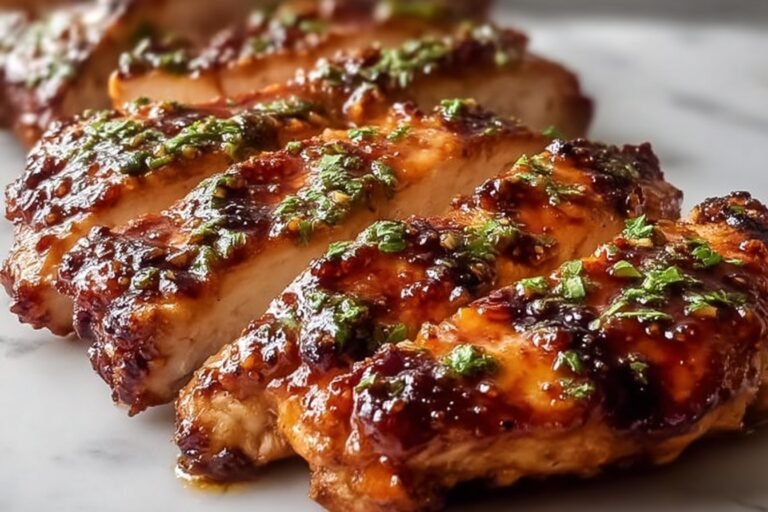
The Best Chicken Marinade Recipe
🍗🔥 Balsamic-soy marinade locks in juicy flavor for grilled chicken perfection – caramelized exterior, tender inside every bite!
🌿 Lemon-rosemary Dijon blend tenderizes fast – 30-min quick marinate elevates BBQs, bakes, or skillets effortlessly!
- Total Time: 55 minutes
- Yield: 6 servings
Ingredients
– 1/2 cup extra virgin olive oil
– 1/2 cup balsamic vinegar or other vinegar
– 1/4 cup soy sauce, low sodium preferred
– 1/4 cup Worcestershire sauce
– 1/8 cup lemon juice
– 3/4 cup brown sugar
– 2 teaspoons dried rosemary
– 2 tablespoons Dijon mustard or spicy brown mustard
– 1 1/2 teaspoons salt
– 1 teaspoon ground black pepper
– 2 teaspoons garlic powder
– 6 chicken breasts or 3 to 5 pounds of chicken
Instructions
1-First step: gather and measure everything Start by measuring all the ingredients into one bowl so the process feels smooth from the beginning. This is a fast recipe, so having everything ready keeps you from missing anything important. Set out your olive oil, balsamic vinegar, soy sauce, Worcestershire sauce, lemon juice, brown sugar, rosemary, mustard, salt, pepper, garlic powder, and chicken. If you are cooking for picky eaters or planning several meals at once, this is also a good time to portion the chicken. You can use 6 chicken breasts or 3 to 5 pounds of chicken total, depending on the size of your family or meal prep plan.
2-Second step: mix the marinade In a large mixing bowl, whisk together the olive oil, balsamic vinegar, soy sauce, Worcestershire sauce, lemon juice, brown sugar, dried rosemary, Dijon mustard, salt, black pepper, and garlic powder. Keep whisking until the sugar starts to dissolve and the mixture looks well blended. Before adding the chicken, remove 1/2 cup of the marinade and set it aside for basting later. This small step gives you extra flavor during cooking without any safety concerns. If you want a sauce at the end, you can also boil the reserved marinade and simmer it down until slightly thickened. Do not skip the reserved marinade step. It makes the finished chicken taste even better.
3-Third step: coat the chicken Place the chicken in a large resealable bag or a shallow dish. Pour the marinade over the chicken, then massage the bag gently so every piece gets coated. If you are short on time, use a fork to poke a few holes in thicker pieces so the marinade can move in faster. Seal the bag well and place it in the refrigerator. Marinate for at least 30 minutes, but 4 to 6 hours gives the best flavor for most cuts. You can go up to 24 hours, but do not go beyond that or the acid can start to make the chicken tough.
4-Fourth step: choose your cooking method This marinade works well for grilling, baking, or stovetop cooking. The cooking method you choose depends on your schedule and the texture you want. Grilling gives you smoky char, baking is hands-off, and skillet cooking gives you a golden sear. *For grilling: Preheat the grill to medium-high heat. Oil the grates, then grill the chicken for 5 to 6 minutes per side, basting occasionally, until the internal temperature reaches 165°F. *For baking: Preheat the oven to 400°F. Place the chicken in a baking dish and cook for 18 to 22 minutes, or until the internal temperature reaches 165°F. *For stovetop: Preheat a skillet over medium-high heat. Cook the chicken for 8 to 10 minutes per side until the internal temperature reaches 165°F. Use a meat thermometer to check doneness. That simple tool takes the guesswork out of cooking and helps keep the chicken juicy instead of dry.
5-Final step: rest and serve When the chicken is done, move it to a plate and let it rest for at least 5 minutes before serving. Resting gives the juices time to settle back into the meat, which makes every bite better. If you want, spoon the reduced reserved marinade over the top as a simple sauce. This recipe pairs well with rice, roasted potatoes, a green salad, or simple vegetables. It also makes great leftovers for lunch the next day. If you enjoy making comforting sweets after dinner, try a treat like this chocolate glazed donut recipe for a fun dessert idea later in the week.
Last Step:
Please leave a rating and comment letting us know how you liked this recipe! This helps our business to thrive and continue providing free, high-quality recipes for you.Notes
🧄 Use garlic powder (not fresh) to avoid burning on high grill heat.
⏰ Marinate 4-6 hours ideally, max 24 hours to prevent tough chicken.
🍋 Poke fork holes in chicken for faster marinade penetration if short on time.
- Prep Time: 5 minutes
- Marinate: 30 minutes (up to 24 hours)
- Cook Time: 10 minutes
- Category: Marinade
- Method: Grilling
- Cuisine: American
- Diet: Gluten Free (use tamari & gf Worcestershire)
Nutrition
- Serving Size: 1 chicken breast
- Calories: 115 kcal
- Sugar: 10g
- Sodium: 1041mg
- Fat: 7g
- Saturated Fat: 1g
- Unsaturated Fat: 6g
- Trans Fat: 0g
- Carbohydrates: 12g
- Fiber: 0g
- Protein: 25g
- Cholesterol: 75mg