
Why You’ll Love This Substitute For Heavy Cream
Whether you’re in the middle of preparing a recipe and realize you’re out of heavy cream, or you’re simply looking for healthier alternatives, finding a substitute for heavy cream can save the day. These kitchen alternatives offer numerous benefits that make them worth trying in your next culinary creation.
- Ease of preparation: Most heavy cream alternatives use pantry staples you likely already have on hand. These easy kitchen substitutes for heavy cream can be prepared in minutes with minimal effort. No special equipment or culinary skills are required, making them perfect for both beginner and experienced cooks alike.
- Health benefits: Traditional heavy cream contains significant calories and fat, but many heavy cream alternatives provide lighter options without sacrificing too much on texture or flavor. Depending on which cream replacement you choose, you can reduce calorie intake by up to 50% while still achieving creamy results in your favorite dishes.
- Versatility: These whipping cream substitutes work across various cooking methods and recipes. From savory soups and sauces to sweet desserts and baked goods, you’ll find that the right substitute for heavy cream can adapt to almost any recipe calling for this rich dairy product.
- Distinctive flavor: Some alternatives like coconut milk or cashew cream add subtle flavor notes that can enhance your dishes. These non dairy heavy cream options bring their own unique characteristics to your recipes while maintaining the desired creamy texture.
“A good substitute for heavy cream should not only replicate the texture but also complement the flavors in your dish. Many home cooks find they actually prefer certain alternatives in specific recipes.”
Jump to:
- Why You’ll Love This Substitute For Heavy Cream
- Essential Ingredients for Substitute For Heavy Cream
- Main Ingredients:
- Special Dietary Options:
- How to Prepare the Perfect Substitute For Heavy Cream: Step-by-Step Guide
- Dairy-Based Alternatives
- First Step: Prepare Your Ingredients
- Second Step: Melt the Butter
- Third Step: Combine Milk and Butter
- Non-Dairy Alternatives
- Fourth Step: Prepare Coconut Cream
- Fifth Step: Make Cashew Cream
- Using Evaporated Milk
- Sixth Step: Prepare Evaporated Milk Substitute
- Final Step: Adjust and Use
- Dietary Substitutions to Customize Your Substitute For Heavy Cream
- Protein and Main Component Alternatives
- Vegetable, Sauce, and Seasoning Modifications
- Mastering Substitute For Heavy Cream: Advanced Tips and Variations
- Pro Cooking Techniques
- Flavor Variations
- Presentation Tips and Make-Ahead Options
- How to Store Substitute For Heavy Cream: Best Practices
- Refrigeration
- Freezing
- Reheating and Meal Prep Considerations
- FAQs: Frequently Asked Questions About Substitute For Heavy Cream
- What is a good substitute for heavy cream in cooking?
- How do I substitute heavy cream with milk and butter?
- Can I use half-and-half instead of heavy cream?
- What is the best dairy-free substitute for heavy cream?
- Can evaporated milk replace heavy cream in recipes?
- Substitute For Heavy Cream
- Ingredients
- Instructions
- Last Step:
- Notes
- Nutrition
- Did you make this recipe?
Essential Ingredients for Substitute For Heavy Cream
Creating the perfect substitute for heavy cream requires understanding the right ingredients and their proportions. Below is a comprehensive list of ingredients you’ll need for various alternatives, with precise measurements to ensure success.
Main Ingredients:
- 7/8 cup Whole milk – Base for dairy-based alternatives, provides the liquid component
- 1/8 cup Unsalted butter (melted) – Adds necessary fat content to mimic heavy cream richness
- 3/4 cup Whole milk – Alternative measurement ratio for thicker results
- 1/4 cup Unsalted butter (melted) – Increased fat content for richer texture
- 3/4 cup Half-and-half – Ready-made dairy product with appropriate fat content
- 1 teaspoon Cornstarch – Thickening agent when using half-and-half
- 1 cup Full-fat canned coconut cream – Primary dairy-free alternative
- 2 tablespoons Cornstarch – For neutral taste coconut substitute
- 1 cup Cashews – Base for creamy non-dairy alternative
- 1 tablespoon Butter per cup – Additional richness when using evaporated milk
Special Dietary Options:
- Vegan: Coconut cream and cashew cream work perfectly as non dairy heavy cream options for plant-based diets. These alternatives provide similar texture and can be used in both sweet and savory recipes.
- Gluten-free: All the ingredients listed above are naturally gluten-free. However, ensure any cornstarch used is labeled gluten-free if preparing for someone with celiac disease or gluten sensitivity.
- Low-calorie: Half-and-half and evaporated milk options provide lighter alternatives with significantly reduced calories. These cream replacements are ideal for those watching their caloric intake while still wanting creamy dishes.
| Substitute | Ratio to Heavy Cream | Best Uses | Dietary Notes |
|---|---|---|---|
| Milk + Butter | 7/8 cup milk + 1/8 cup butter | Sauces, soups, baking | Vegetarian |
| Half-and-Half | 3/4 cup per 1 cup cream | Coffee, mashed potatoes | Vegetarian |
| Coconut Cream | 1:1 replacement | Curries, desserts, vegan dishes | Vegan, dairy-free |
| Evaporated Milk | Equal parts with whole milk | Custards, pies, sauces | Vegetarian |
| Cashew Cream | 1:1 after preparation | Sauces, soups, desserts | Vegan, dairy-free |
How to Prepare the Perfect Substitute For Heavy Cream: Step-by-Step Guide
Creating a successful substitute for heavy cream involves following precise measurements and techniques. This comprehensive guide will walk you through preparing various alternatives, ensuring you achieve the right texture and consistency for your recipes.
Dairy-Based Alternatives
First Step: Prepare Your Ingredients
Start by gathering all necessary ingredients for your chosen heavy cream alternative. For the milk and butter combination, measure out 7/8 cup of whole milk and 1/8 cup of unsalted butter. If you prefer a richer version, use 3/4 cup of milk with 1/4 cup of butter. Ensure your milk is at room temperature for better emulsification. Mise en place is crucial here, as having everything ready beforehand prevents common mistakes in the process.
Second Step: Melt the Butter
In a small saucepan or microwave-safe container, melt your measured butter completely. Be careful not to brown or burn it, as this will affect both the color and flavor of your final substitute for heavy cream. Once melted, allow the butter to cool slightly but remain liquid. If you’re using the microwave, heat in short 15-second intervals to avoid overheating.
Third Step: Combine Milk and Butter
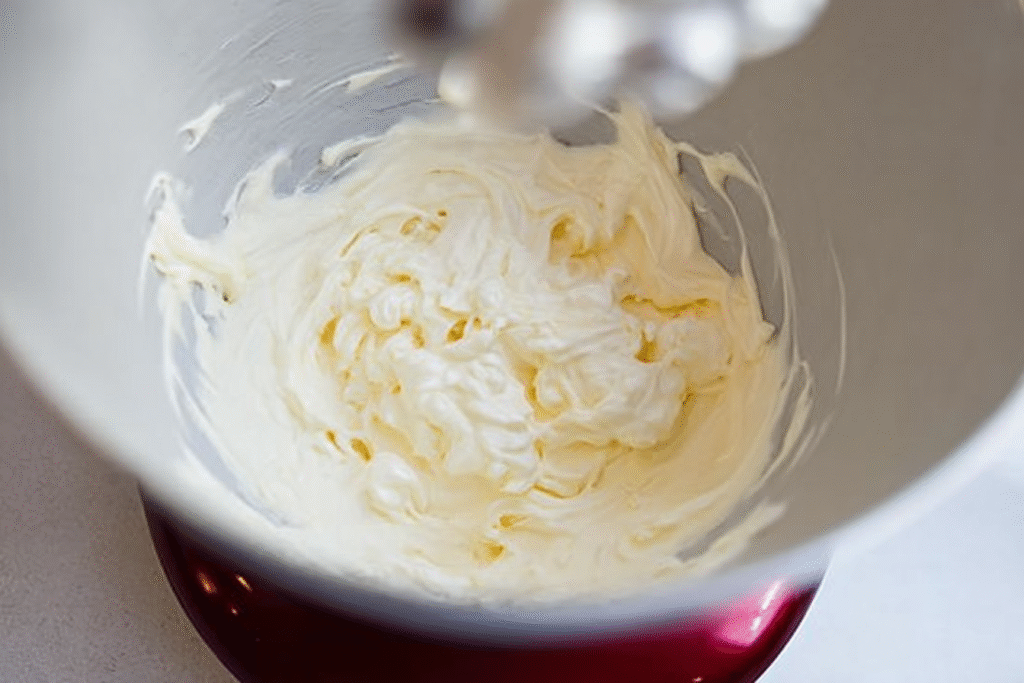
Pour the room temperature milk into a mixing bowl or measuring pitcher. Slowly whisk in the melted butter while continuously stirring. This process creates an emulsion that mimics the fat content of heavy cream (approximately 36-40%). Continue whisking until the mixture is thoroughly combined and slightly thickened. For the best results, the mixture should be used immediately, though it can be refrigerated for up to 3 days.
Non-Dairy Alternatives
Fourth Step: Prepare Coconut Cream
For a non dairy heavy cream option, start with a can of full-fat coconut cream. Place the can in the refrigerator overnight to separate the cream from the liquid. Open the can carefully and scoop out the solid cream that has risen to the top. This thick cream can be used as a 1:1 substitute for heavy cream in most recipes. If you need a neutral taste, blend 1 cup of full-fat coconut milk with 2 tablespoons of cornstarch, then simmer until thickened.
Fifth Step: Make Cashew Cream
Begin by soaking 1 cup of raw cashews in water for at least 4 hours or overnight. Drain the soaking water and rinse the cashews thoroughly. Place the softened cashews in a high-speed blender and add fresh water, using approximately 1/2 to 3/4 cup depending on your desired consistency. Blend on high speed until completely smooth, which may take 2-3 minutes depending on your blender’s power. This creates a versatile cream replacement that works well in both sweet and savory dishes.
Using Evaporated Milk
Sixth Step: Prepare Evaporated Milk Substitute
Evaporated milk makes an excellent heavy cream substitute for soup and other cooked dishes. To use it as a 1:1 replacement, dilute with equal parts whole milk. Alternatively, use it straight for thicker applications like pies and custards. For added richness, whisk in 1 tablespoon of butter per cup of evaporated milk. This step is particularly important when using this substitute for heavy cream in baking, where fat content affects the final texture of your baked goods.
Final Step: Adjust and Use
Once you’ve prepared your chosen substitute for heavy cream, test its consistency before adding it to your recipe. It should be smooth and free of lumps. If the mixture seems too thin, you can add a small amount of cornstarch or reduce it slightly by gentle heating. When incorporating your substitute into a hot dish, add it gradually while stirring to prevent curdling. For cold applications, ensure the mixture is completely chilled before using to achieve the best texture. Remember that different substitutes work best in different applications, so choose accordingly based on your recipe needs.

Dietary Substitutions to Customize Your Substitute For Heavy Cream
Customizing your substitute for heavy cream based on dietary needs or ingredient availability ensures everyone can enjoy your dishes. These modifications allow you to adapt any recipe to suit various requirements without sacrificing texture or flavor.
Protein and Main Component Alternatives
For those with dairy allergies or following a vegan diet, several protein-rich options work effectively as cream replacements. Silken tofu blended with a small amount of plant milk creates a smooth, creamy texture perfect for savory dishes and desserts. This alternative provides protein while maintaining a consistency similar to traditional cream. Another excellent option is blending soaked raw almonds or macadamia nuts with water until completely smooth, then straining through a nut milk bag or cheesecloth. These non dairy heavy cream alternatives can be flavored with a touch of lemon juice or nutritional yeast to enhance their natural richness.
For those avoiding tree nuts but seeking dairy-free options, soy creamer works well in both sweet and savory recipes. It naturally has a higher fat content than many plant milks, making it an effective whipping cream substitute for light applications. Rice milk combined with a small amount of coconut oil or other vegetable fat can also work, though it may result in a thinner consistency requiring additional thickeners.
Vegetable, Sauce, and Seasoning Modifications
Enhancing the flavor profile of your substitute for heavy cream allows you to create depth and complexity in your dishes. For savory applications, infusing your milk or plant-based base with aromatics like garlic, shallots, or herbs adds significant flavor. Simply gently heat the liquid with these ingredients, then strain before using. This technique works particularly well when using your heavy cream substitute for soup or sauce recipes.
For those seeking healthier options, pureed vegetables can add creaminess without additional fat. Cooked cauliflower, butternut squash, or white beans pureed until smooth and mixed with a small amount of liquid create excellent creamy bases for soups and sauces. These additions not only provide texture but also contribute nutrients and fiber to your dishes.
When preparing sweet dishes, consider adding natural flavor enhancers like vanilla extract, almond extract, or citrus zest to your substitute for heavy cream. For chocolate desserts, a small amount of cocoa powder melted into your substitute creates a rich, chocolatey cream perfect for ganache or mousse alternatives. These modifications ensure your desserts maintain their indulgent qualities while meeting various dietary requirements.
Mastering Substitute For Heavy Cream: Advanced Tips and Variations
Once you’ve mastered the basics of creating a substitute for heavy cream, these advanced techniques and variations will help you achieve professional results in your kitchen. These tips address common challenges and offer creative ways to customize your alternatives.
Pro Cooking Techniques
Temperature control plays a crucial role when working with heavy cream alternatives in cooked dishes. When adding dairy-based substitutes to hot liquids, temper the mixture by adding a small amount of the hot liquid to your cream substitute first, then gradually combine. This prevents curdling and ensures a smooth texture. For plant-based alternatives, gentle heating is generally safer, but avoid boiling as this can break down emulsions and cause separation.
For applications requiring whipped cream, chilling your substitute for heavy cream thoroughly is essential. The milk and butter combination should be refrigerated for at least 30 minutes before attempting to whip, though it will still achieve softer peaks than traditional heavy cream. Coconut cream whips beautifully when the can is chilled overnight and only the solid cream is used. Adding a pinch of cream of tartar or a small amount of powdered sugar helps stabilize these whipped alternatives for longer-lasting results.
Flavor Variations
Experimenting with flavor infusions can transform a basic cream replacement into something special. Herbs like thyme, rosemary, or sage can be steeped in dairy-based alternatives before using in savory recipes, imparting subtle aromatic notes. For sweet applications, steeping vanilla beans, cinnamon sticks, or citrus peels creates complex flavors without artificial additives.
Regional variations also offer inspiration. Mediterranean dishes benefit from a touch of olive oil blended into dairy-based substitutes for added richness and authentic flavor. Asian-inspired recipes work beautifully with coconut-based heavy cream alternatives, sometimes enhanced with lemongrass or ginger. These variations show how adaptable these substitutes can be across different culinary traditions.
Presentation Tips and Make-Ahead Options
When plating dishes made with substitutes for heavy cream, presentation matters as much as taste. A light drizzle of your cream alternative over finished dishes adds visual appeal and a touch of luxury. For thicker alternatives, dolloping with a spoon creates attractive peaks that showcase the texture. Garnishing with complementary herbs, spices, or citrus zest reinforces the flavors in your dish.
For meal prep, some heavy cream alternatives prepare well in advance. Cashew cream and other nut-based options can be made in batches and stored in the refrigerator for up to 5 days. The milk and butter combination can also be prepared ahead, though it may require re-emulsifying if separation occurs. Dairy-based options generally have a shorter shelf life of 3-4 days once prepared. Proper storage in airtight containers maintains quality and prevents absorption of other flavors in your refrigerator.
How to Store Substitute For Heavy Cream: Best Practices
Proper storage of your substitute for heavy cream ensures food safety and maintains quality for future use. These guidelines will help you maximize the shelf life of your prepared alternatives while preserving their texture and flavor.
Refrigeration
Dairy-based heavy cream alternatives should be stored in airtight containers in the refrigerator at temperatures below 40°F (4°C). The milk and butter combination typically remains fresh for 3-5 days when properly stored. Half-and-half based alternatives have a similar shelf life, though their stability depends on the freshness of the original ingredients. Always label containers with the preparation date to track freshness.
Plant-based alternatives like coconut cream and cashew cream generally have slightly longer refrigerated shelf lives of 5-7 days. Cashew cream may thicken considerably when refrigerated; simply thin with a small amount of water or plant milk before using. Coconut cream may separate with solid fat rising to the top simply whisk to recombine before use. These non dairy heavy cream options require the same airtight storage conditions as their dairy counterparts.
Freezing
Freezing your substitute for heavy cream extends its usability significantly, though some texture changes may occur. Dairy-based alternatives can be frozen for up to 3 months in freezer-safe containers. Note that some separation may occur during freezing, but thorough whisking or blending after thawing usually restores most of the original texture. Avoid freezing whipped versions as they will lose their structure completely.
Coconut cream freezes exceptionally well with minimal texture change, making it an excellent coconut milk substitute for future recipes. Cashew cream also freezes successfully for up to 3 months, though it may become slightly grainy after thawing. High-speed blending usually resolves this issue. Both options should be thawed in the refrigerator overnight rather than at room temperature to maintain quality and food safety.
Reheating and Meal Prep Considerations
When reheating dishes prepared with substitutes for heavy cream, gentle heat is key to preventing separation or curdling. For dairy-based alternatives, reheat over low heat while stirring constantly. If separation occurs, whisk vigorously or briefly use an immersion blender to restore smoothness. Plant-based alternatives generally reheat more stably but still benefit from gentle warming.
For batch cooking and meal prep, consider which heavy cream alternative works best with your planned recipes. Dairy-based options typically perform better when added toward the end of the cooking process, while some plant-based alternatives like coconut cream can withstand longer cooking times. Plan your meal prep accordingly, perhaps preparing your cream alternatives fresh closer to serving time for the best texture and appearance.
FAQs: Frequently Asked Questions About Substitute For Heavy Cream
What is a good substitute for heavy cream in cooking?
How do I substitute heavy cream with milk and butter?
Can I use half-and-half instead of heavy cream?
What is the best dairy-free substitute for heavy cream?
Can evaporated milk replace heavy cream in recipes?
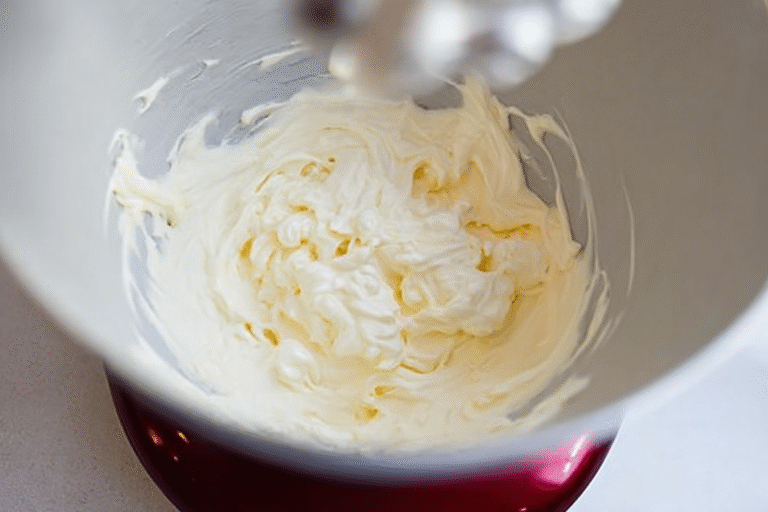
Substitute For Heavy Cream
🥛 Unlock creamy textures in any recipe without heavy cream using these 13 pantry essentials – always recipe-ready!
🍦 Versatile swaps for sauces, soups, desserts, or whipped toppings; dairy-free, low-fat options included.
- Total Time: Varies
- Yield: 1 cup per substitute
Ingredients
– 7/8 cup Whole milk
– 1/8 cup Unsalted butter (melted)
– 3/4 cup Whole milk
– 1/4 cup Unsalted butter (melted)
– 3/4 cup Half-and-half
– 1 teaspoon Cornstarch
– 1 cup Full-fat canned coconut cream
– 2 tablespoons Cornstarch
– 1 cup Cashews
– 1 tablespoon Butter per cup
Instructions
1-First Step: Prepare Your Ingredients
Start by gathering all necessary ingredients for your chosen substitute for heavy cream. For the milk and butter combination, measure out 7/8 cup of whole milk and 1/8 cup of unsalted butter. If you prefer a richer version, use 3/4 cup of milk with 1/4 cup of butter. Ensure your milk is at room temperature for better emulsification. Mise en place is crucial here, as having everything ready beforehand prevents common mistakes in the process.
2-Second Step: Melt the Butter
In a small saucepan or microwave-safe container, melt your measured butter completely. Be careful not to brown or burn it, as this will affect both the color and flavor of your final substitute for heavy cream. Once melted, allow the butter to cool slightly but remain liquid. If you’re using the microwave, heat in short 15-second intervals to avoid overheating.
3-Third Step: Combine Milk and Butter
Pour the room temperature milk into a mixing bowl or measuring pitcher. Slowly whisk in the melted butter while continuously stirring. This process creates an emulsion that mimics the fat content of heavy cream (approximately 36-40%). Continue whisking until the mixture is thoroughly combined and slightly thickened. For the best results, the mixture should be used immediately, though it can be refrigerated for up to 3 days.
4-Fourth Step: Prepare Coconut Cream
For a non dairy heavy cream option, start with a can of full-fat coconut cream. Place the can in the refrigerator overnight to separate the cream from the liquid. Open the can carefully and scoop out the solid cream that has risen to the top. This thick cream can be used as a 1:1 substitute for heavy cream in most recipes. If you need a neutral taste, blend 1 cup of full-fat coconut milk with 2 tablespoons of cornstarch, then simmer until thickened.
5-Fifth Step: Make Cashew Cream
Begin by soaking 1 cup of raw cashews in water for at least 4 hours or overnight. Drain the soaking water and rinse the cashews thoroughly. Place the softened cashews in a high-speed blender and add fresh water, using approximately 1/2 to 3/4 cup depending on your desired consistency. Blend on high speed until completely smooth, which may take 2-3 minutes depending on your blender’s power. This creates a versatile cream replacement that works well in both sweet and savory dishes.
6-Sixth Step: Prepare Evaporated Milk Substitute
Evaporated milk makes an excellent heavy cream substitute for soup and other cooked dishes. To use it as a 1:1 replacement, dilute with equal parts whole milk. Alternatively, use it straight for thicker applications like pies and custards. For added richness, whisk in 1 tablespoon of butter per cup of evaporated milk. This step is particularly important when using this substitute for heavy cream in baking, where fat content affects the final texture of your baked goods.
7-Final Step: Adjust and Use
Once you’ve prepared your chosen substitute for heavy cream, test its consistency before adding it to your recipe. It should be smooth and free of lumps. If the mixture seems too thin, you can add a small amount of cornstarch or reduce it slightly by gentle heating. When incorporating your substitute into a hot dish, add it gradually while stirring to prevent curdling. For cold applications, ensure the mixture is completely chilled before using to achieve the best texture. Remember that different substitutes work best in different applications, so choose accordingly based on your recipe needs.
Last Step:
Please leave a rating and comment letting us know how you liked this recipe! This helps our business to thrive and continue providing free, high-quality recipes for you.Notes
💡 Choose high-fat options for whipping, lower for sauces.
🌱 Vegan picks: coconut milk, cashew cream, silken tofu.
📏 Substitute 1:1 unless noted; test small batches first.
- Prep Time: 5 minutes
- Soak (for nuts): 4 hours
- Cook Time: Varies
- Category: Cooking Tips
- Method: Substitution
- Cuisine: Universal
- Diet: Varies
Nutrition
- Serving Size: 1 cup
- Calories: Varies
- Sugar: Varies
- Sodium: Varies
- Fat: Varies
- Saturated Fat: Varies
- Unsaturated Fat: Varies
- Trans Fat: 0g
- Carbohydrates: Varies
- Fiber: Varies
- Protein: Varies
- Cholesterol: Varies