
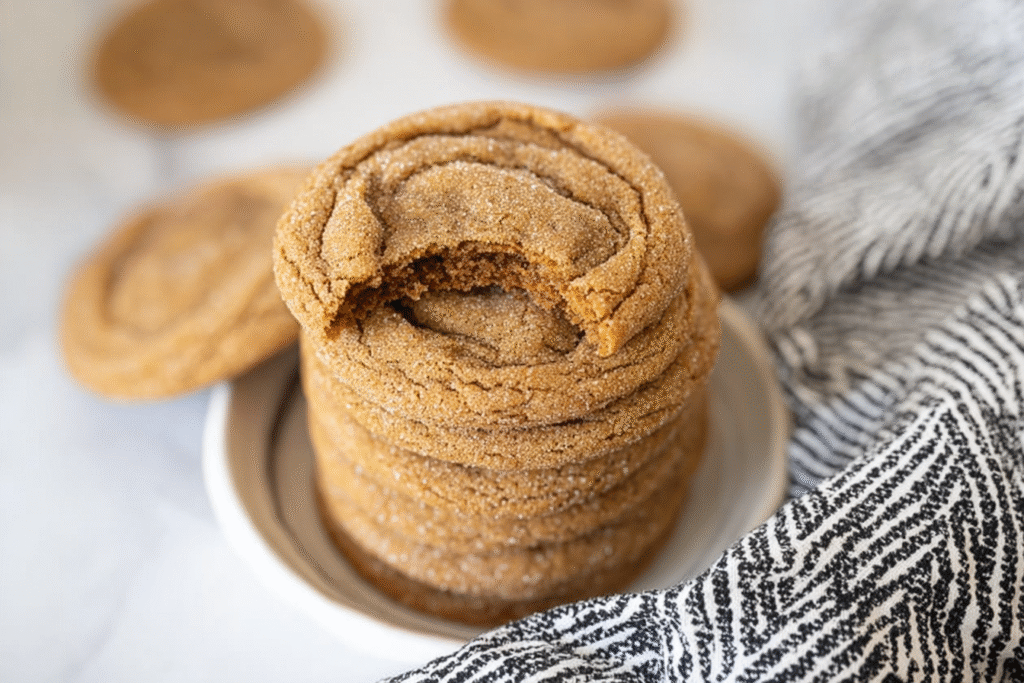
Why You’ll Love This Soft Gingerbread Cookies
Ease of preparation: Making these soft gingerbread cookies is a breeze, even for beginners. The recipe requires just 15 minutes of prep time and another 10 minutes in the oven, making it perfect for busy weeknights or last-minute holiday gatherings. The simple mixing process means you can have fresh, warm cookies in less than an hour from start to finish. Health benefits: These cookies contain ginger, which has natural anti-inflammatory properties that can aid digestion and boost immunity. Cinnamon adds not just flavor but also potential blood sugar regulation benefits. When made with wholesome ingredients, these treats can be a more nutritious alternative to store-bought holiday cookies that are often loaded with preservatives and artificial ingredients. Versatility: This soft gingerbread cookies recipe adapts beautifully to various dietary needs. You can easily modify it to be vegan, gluten-free, or lower in sugar to accommodate all your guests during the holidays. The dough works equally well for cookies, bars, or even as a base for gingerbread houses, making it a truly multi-purpose recipe. Distinctive flavor: The perfect balance of warm spices gives these cookies their signature taste. The combination of fresh ginger, cinnamon, cloves, and nutmeg creates a depth of flavor that sets these cookies apart from other holiday treats. The molasses provides a rich, caramel-like sweetness that complements the spices beautifully without being overwhelming.Jump to:
- Why You’ll Love This Soft Gingerbread Cookies
- Essential Ingredients for Soft Gingerbread Cookies
- Ingredients and Their Purpose
- Special Dietary Options
- How to Prepare the Perfect Soft Gingerbread Cookies: Step-by-Step Guide
- First Step: Preparation and Organization
- Second Step: Creaming Butter and Sugars
- Third Step: Adding Egg and Flavorings
- Fourth Step: Chilling and Shaping the Dough
- Fifth Step: Baking to Perfection
- Final Step: Cooling and Serving
- Dietary Substitutions to Customize Your Soft Gingerbread Cookies
- Protein and Main Component Alternatives
- Vegetable, Sauce, and Seasoning Modifications
- Mastering Soft Gingerbread Cookies: Advanced Tips and Variations
- Pro Cooking Techniques
- Flavor Variations
- Presentation Tips
- Make-Ahead Options
- How to Store Soft Gingerbread Cookies: Best Practices
- Refrigeration
- Freezing
- Reheating
- Meal Prep Considerations
- Storage Comparison Table
- FAQs: Frequently Asked Questions About Soft Gingerbread Cookies
- Soft Gingerbread Cookies
- Ingredients
- Instructions
- Last Step:
- Notes
- Nutrition
- Did you make this recipe?
Essential Ingredients for Soft Gingerbread Cookies
3 1/2 cups all-purpose flour 1 teaspoon baking soda 1/2 teaspoon salt 2 teaspoons ground ginger 1 1/2 teaspoons ground cinnamon 1/4 teaspoon ground cloves 1/4 teaspoon ground nutmeg 1/2 cup unsalted butter, softened 1/2 cup brown sugar, packed 1/2 cup granulated sugar 1 large egg 1/2 cup molasses 1 teaspoon vanilla extractIngredients and Their Purpose
3 1/2 cups all-purpose flour – Provides structure and body to the cookies 1 teaspoon baking soda – Helps the cookies rise and become soft 1/2 teaspoon salt – Enhances the overall flavor profile 2 teaspoons ground ginger – Adds the signature ginger flavor with a warm kick 1 1/2 teaspoons ground cinnamon – Provides sweetness and warmth 1/4 teaspoon ground cloves – Adds depth and complexity to the spice blend 1/4 teaspoon ground nutmeg – Contributes subtle warmth and aroma 1/2 cup unsalted butter, softened – Creates a tender texture and rich flavor 1/2 cup brown sugar, packed – Adds moisture and a deeper sweetness 1/2 cup granulated sugar – Provides structure and helps create crispy edges 1 large egg – Binds ingredients together and adds richness 1/2 cup molasses – Gives the characteristic dark color and rich flavor 1 teaspoon vanilla extract – Enhances all other flavorsSpecial Dietary Options
Vegan: Replace the egg with a flax egg (1 tablespoon ground flaxseed mixed with 3 tablespoons water) and use plant-based butter instead of dairy butter. The result will be just as delicious and perfectly soft. Gluten-free: Substitute the all-purpose flour with a 1-to-1 gluten-free baking blend that contains xanthan gum. The gingerbread recipe maintains remarkably close texture to the traditional version. Low-calorie: Use a sugar substitute approved for baking and reduce the butter to 1/3 cup while adding 2 tablespoons of unsweetened applesauce for moisture. This modification keeps the cookies soft while cutting calories significantly.How to Prepare the Perfect Soft Gingerbread Cookies: Step-by-Step Guide
First Step: Preparation and Organization
Before you begin, preheat your oven to 350°F (175°C) and line two baking sheets with parchment paper or silicone baking mats. This preparation prevents sticking and makes cleanup much easier. Gather all your ingredients and measure them out beforehand, a technique chefs call “mise en place” that makes the baking process smoother. In a medium bowl, whisk together the flour, baking soda, salt, ginger, cinnamon, cloves, and nutmeg until well combined. Set this dry mixture aside while you prepare the wet ingredients.Second Step: Creaming Butter and Sugars
In a large bowl or stand mixer, beat the softened butter, brown sugar, and granulated sugar together on medium speed until light and fluffy, approximately 3-4 minutes. This process incorporates air into the mixture, which helps create a softer texture in the final cookies. Scrape down the sides of the bowl as needed to promote even mixing. The mixture should appear noticeably lighter in color and texture when properly creamed, a crucial step for achieving the perfect soft gingerbread cookies.Third Step: Adding Egg and Flavorings
Add the egg to the butter-sugar mixture and beat for another minute until fully incorporated. Then, mix in the molasses and vanilla extract until the batter is smooth and uniform. The mixture might appear slightly separated after adding the molasses, but this is normal. Reduce the mixer speed to low and gradually add the dry ingredients in thirds, mixing just until combined after each addition. Be careful not to overmix at this stage, as this can make the cookies tough rather than soft.Fourth Step: Chilling and Shaping the Dough
Cover the bowl with plastic wrap and refrigerate the dough for at least 30 minutes or up to 24 hours. This chilling period allows the flavors to develop and the dough to firm up, making it easier to handle and preventing the cookies from spreading too much in the oven. Once chilled, scoop tablespoons of dough and roll them into balls about 1.5 inches in diameter. If desired, roll the balls in granulated sugar before baking to create a slightly crunchy exterior that contrasts beautifully with the soft interior.Fifth Step: Baking to Perfection
Place the dough balls on the prepared baking sheets, leaving about 2 inches of space between each cookie to allow for spreading. Bake for 9-11 minutes, until the edges are set but the centers still look slightly underbaked. This is the secret to achieving traditional gingerbread cookies that are soft – they will continue to cook slightly on the hot baking sheet after removal from the oven. For those who prefer a softer texture, err on the side of underbaking rather than overbaking.Final Step: Cooling and Serving
Remove the cookies from the oven and let them cool on the baking sheet for 5 minutes before transferring to a wire rack to cool completely. This resting period allows the cookies to set without becoming too hard. Once cooled, these cookies are delicious on their own, but can also be decorated with royal icing or sandwiched with cream cheese frosting for an extra special treat. For the best experience, serve them warm with a cup of tea or hot chocolate to bring out the full depth of the warm spices.
Dietary Substitutions to Customize Your Soft Gingerbread Cookies
Protein and Main Component Alternatives
For those avoiding eggs, several excellent substitutes work well in this recipe. Flax eggs (1 tablespoon ground flaxseed mixed with 3 tablespoons water) provide binding properties while adding fiber and omega-3 fatty acids. Chia eggs follow the same ratio as flax eggs and offer similar benefits. Commercial egg replacers specifically designed for baking also work effectively, maintaining the soft texture of these soft gingerbread cookies. For those avoiding dairy, coconut oil or vegan butter substitutes work beautifully in place of traditional butter. These alternatives keep the cookies moist and tender while accommodating various dietary preferences. For gluten-sensitive individuals, selecting the right flour alternative is crucial for maintaining texture. A 1-to-1 gluten-free baking blend that contains xanthan gum yields results closest to the traditional version. Almond flour can be used partially (up to 25% of the total flour) to add protein and a slightly nutty flavor, though it will make the cookies denser. Oat flour processed in a gluten-free facility provides a hearty texture and mild sweetness that complements the gingerbread spices.Vegetable, Sauce, and Seasoning Modifications
The spice profile in this recipe can be customized based on personal preference or what’s available in your pantry. If you prefer a stronger ginger flavor, increase the ground ginger to 1 tablespoon or add 1/2 teaspoon of freshly grated ginger. For those who find cloves too intense, reducing them to 1/8 teaspoon or omitting them entirely still yields delicious results. Cardamom makes an interesting addition, adding a citrusy, floral note that pairs beautifully with the other warm spices. For those watching their sugar intake, several alternatives can be used without compromising flavor. Coconut sugar works as a 1-to-1 replacement for brown sugar and adds a subtle caramel flavor. Pure maple syrup can replace up to half of the molasses for a lighter, more delicate sweetness. Stevia or monk fruit sweeteners approved for baking can substitute for the granulated sugar, though they may slightly alter the texture of the final product.Mastering Soft Gingerbread Cookies: Advanced Tips and Variations
Pro Cooking Techniques
To achieve the softest texture possible, invest in a good kitchen scale to measure ingredients by weight rather than volume. This precision helps achieve consistent results every time. When rolling the dough, work quickly to prevent it from warming up in your hands, which can cause excessive spreading. For perfectly round cookies, tap the baking sheet gently on the counter halfway through baking to settle the dough and create an even shape. These techniques will improve your soft gingerbread cookies from good to exceptional.Flavor Variations
For a citrusy twist, add 1 teaspoon of orange zest to the dough, or replace the vanilla extract with almond extract for a nutty undertone. Chocolate lovers can stir 1/2 cup of mini chocolate chips into the dough for a delightful chocolate-ginger combination. For an adult version, add 1 tablespoon of rum or bourbon to the dough along with the vanilla extract. These variations maintain the fundamental character of the cookies while adding exciting new dimensions to explore.Presentation Tips
Before baking, roll the dough balls in colored sanding sugar for a festive sparkle that’s perfect for holiday gatherings. For a professional finish, pipe royal icing in decorative patterns once the cookies have cooled completely. A simple dusting of powdered sugar creates a beautiful “snowy” effect that contrasts elegantly with the dark gingerbread. These presentation techniques transform simple cookies into stunning centerpiece-worthy treats for any holiday table.The key to perfectly soft gingerbread cookies lies in the balance of spices and the precise baking time. A minute too long in the oven transforms soft cookies into hard discs, while pulling them out too early leaves them underbaked and doughy.
Make-Ahead Options
The dough can be prepared up to 3 days in advance and stored in the refrigerator, or frozen for up to 3 months. When freezing, shape the dough into balls and freeze on a baking sheet before transferring to a freezer bag for storage. This method allows you to bake fresh cookies on demand by simply extending the baking time by 1-2 minutes. Baked cookies can also be made ahead and stored in an airtight container for up to a week, making them ideal for holiday preparation.How to Store Soft Gingerbread Cookies: Best Practices
Refrigeration
For short-term storage, place cooled cookies in an airtight container with a piece of bread or a tortilla to maintain moisture. The cookies will absorb moisture from the bread, keeping them soft for up to a week. Store the container at room temperature rather than in the refrigerator, as cold temperatures can make the cookies hard and alter their texture. If you must refrigerate due to a hot kitchen, bring the cookies to room temperature before serving for the best taste and texture.Freezing
For long-term storage, these soft gingerbread cookies freeze beautifully. Place cooled cookies in a single layer on a baking sheet and freeze until firm, then transfer to a freezer-safe bag or container. They can be frozen for up to 3 months without significant quality loss. To thaw, simply remove the desired number of cookies and let them come to room temperature in their packaging. Alternatively, microwave individual cookies for 10-15 seconds for a freshly-baked taste.Reheating
To restore just-baked warmth, place cookies on a microwave-safe plate and heat for 10-15 seconds. For a crispier exterior, warm them in a 300°F oven for 3-5 minutes. These methods revitalize the cookies, bringing back the soft texture and intensifying the aroma of the spices. Avoid overheating, as this can dry out the cookies and compromise their signature softness.Meal Prep Considerations
For efficient holiday baking, prepare a double or triple batch of dough and freeze portions to bake fresh throughout the season. Pre-scoop the dough into balls and freeze on baking sheets before transferring to freezer bags. This approach allows you to have fresh-baked soft gingerbread cookies available whenever unexpected guests arrive or for last-minute gift-giving without starting from scratch each time.Storage Comparison Table
| Storage Method | Duration | Best For |
|---|---|---|
| Room temperature | Up to 1 week | Quick access, maintaining soft texture |
| Refrigerator | 2 weeks | Extended storage during hot weather |
| Freezer (dough) | Up to 3 months | Bake fresh cookies on demand |
| Freezer (baked) | Up to 3 months | Long-term preservation |

FAQs: Frequently Asked Questions About Soft Gingerbread Cookies
Print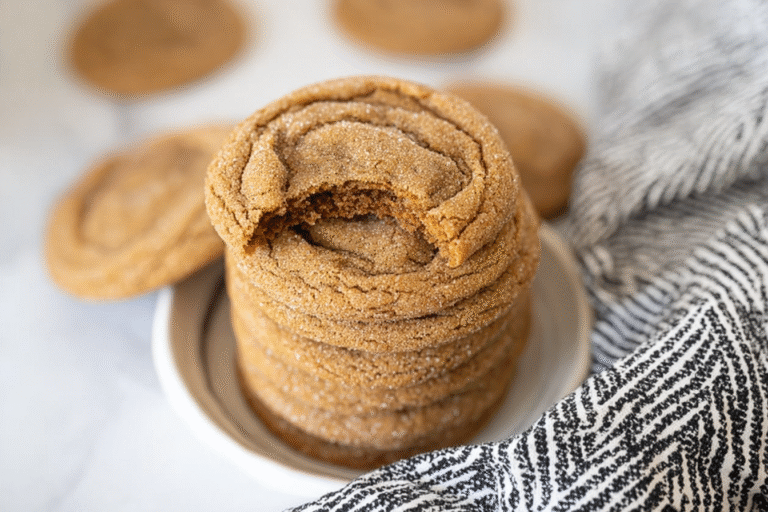
Soft Gingerbread Cookies
🍪🎄 Festive spiced gingerbread cookies with perfect chew and bold ginger kick – holiday magic in every bite!
🏠 Easy homemade dough rolls out smoothly for flawless cutouts; ideal for decorating traditions.
- Total Time: 2 hours 29 minutes
- Yield: 36 cookies
Ingredients
– 3 1/2 cups all-purpose flour for providing structure and body to the cookies
– 1 teaspoon baking soda for helping the cookies rise and become soft
– 1/2 teaspoon salt for enhancing the overall flavor profile
– 2 teaspoons ground ginger for adding the signature ginger flavor with a warm kick
– 1 1/2 teaspoons ground cinnamon for providing sweetness and warmth
– 1/4 teaspoon ground cloves for adding depth and complexity to the spice blend
– 1/4 teaspoon ground nutmeg for contributing subtle warmth and aroma
– 1/2 cup unsalted butter, softened for creating a tender texture and rich flavor
– 1/2 cup brown sugar, packed for adding moisture and a deeper sweetness
– 1/2 cup granulated sugar for providing structure and helping create crispy edges
– 1 large egg for binding ingredients together and adding richness
– 1/2 cup molasses for giving the characteristic dark color and rich flavor
– 1 teaspoon vanilla extract for enhancing all other flavors
Instructions
1-First Step: Preparation and Organization Before you begin, preheat your oven to 350°F (175°C) and line two baking sheets with parchment paper or silicone baking mats. This preparation prevents sticking and makes cleanup much easier. Gather all your ingredients and measure them out beforehand, a technique chefs call “mise en place” that makes the baking process smoother. In a medium bowl, whisk together the flour, baking soda, salt, ginger, cinnamon, cloves, and nutmeg until well combined. Set this dry mixture aside while you prepare the wet ingredients.
2-Second Step: Creaming Butter and Sugars In a large bowl or stand mixer, beat the softened butter, brown sugar, and granulated sugar together on medium speed until light and fluffy, approximately 3-4 minutes. This process incorporates air into the mixture, which helps create a softer texture in the final cookies. Scrape down the sides of the bowl as needed to promote even mixing. The mixture should appear noticeably lighter in color and texture when properly creamed, a crucial step for achieving the perfect soft gingerbread cookies.
3-Third Step: Adding Egg and Flavorings Add the egg to the butter-sugar mixture and beat for another minute until fully incorporated. Then, mix in the molasses and vanilla extract until the batter is smooth and uniform. The mixture might appear slightly separated after adding the molasses, but this is normal. Reduce the mixer speed to low and gradually add the dry ingredients in thirds, mixing just until combined after each addition. Be careful not to overmix at this stage, as this can make the cookies tough rather than soft.
4-Fourth Step: Chilling and Shaping the Dough Cover the bowl with plastic wrap and refrigerate the dough for at least 30 minutes or up to 24 hours. This chilling period allows the flavors to develop and the dough to firm up, making it easier to handle and preventing the cookies from spreading too much in the oven. Once chilled, scoop tablespoons of dough and roll them into balls about 1.5 inches in diameter. If desired, roll the balls in granulated sugar before baking to create a slightly crunchy exterior that contrasts beautifully with the soft interior.
5-Fifth Step: Baking to Perfection Place the dough balls on the prepared baking sheets, leaving about 2 inches of space between each cookie to allow for spreading. Bake for 9-11 minutes, until the edges are set but the centers still look slightly underbaked. This is the secret to achieving traditional gingerbread cookies that are soft – they will continue to cook slightly on the hot baking sheet after removal from the oven. For those who prefer a softer texture, err on the side of underbaking rather than overbaking.
6-Final Step: Cooling and Serving Remove the cookies from the oven and let them cool on the baking sheet for 5 minutes before transferring to a wire rack to cool completely. This resting period allows the cookies to set without becoming too hard. Once cooled, these cookies are delicious on their own, but can also be decorated with royal icing or sandwiched with cream cheese frosting for an extra special treat. For the best experience, serve them warm with a cup of tea or hot chocolate to bring out the full depth of the warm spices.
Last Step:
Please leave a rating and comment letting us know how you liked this recipe! This helps our business to thrive and continue providing free, high-quality recipes for you.Notes
❄️ Chill dough fully to prevent spreading and easy rolling.
🍬 Use unsulfured molasses for authentic flavor without bitterness.
🎨 Flour cutters lightly for clean shapes every time.
- Prep Time: 20 minutes
- Chill: 2 hours
- Cook Time: 9 minutes
- Category: Dessert
- Method: Baking
- Cuisine: American
- Diet: Vegetarian
Nutrition
- Serving Size: 1 cookie
- Calories: 110 calories
- Sugar: 9g
- Sodium: 110mg
- Fat: 3g
- Saturated Fat: 2g
- Unsaturated Fat: 1g
- Trans Fat: 0g
- Carbohydrates: 19g
- Fiber: 1g
- Protein: 2g
- Cholesterol: 12mg