
Why You’ll Love This Salted Caramel Sugar Cookie
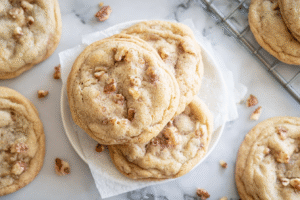
If you’re looking for a cookie that combines the classic comfort of a sugar cookie with the rich, indulgent flavor of salted caramel, this recipe is about to become your new favorite. There’s something magical about the way the buttery dough pairs with the gooey caramel filling and the subtle crunch of sea salt on top. Let me share why this salted caramel sugar cookie deserves a spot in your baking rotation.- Ease of preparation: This salted caramel sugar cookie recipe comes together with simple pantry ingredients you likely already have. The dough requires just one bowl and basic mixing techniques, making it perfect for both experienced bakers and beginners. With a total prep time of about 45 minutes (including chilling), you can have warm, freshly baked cookies in under an hour. The straightforward process means you can enjoy homemade treats without spending your entire day in the kitchen.
- Distinctive flavor: What sets this salted caramel sugar cookie apart from traditional sugar cookies is the perfect balance of sweet and salty. The caramel adds depth and richness while the sea salt enhances the overall flavor profile, creating a sophisticated treat that tastes bakery-quality. Each bite offers a delightful contrast between the soft, buttery cookie and the gooey caramel pockets that melt in your mouth. The brown sugar in the dough contributes to a chewy texture and adds subtle molasses notes that complement the caramel perfectly.
- Versatility: This salted caramel sugar cookie recipe adapts beautifully to different occasions and preferences. You can make them as stuffed cookies with caramel inside, as thumbprint cookies with caramel in the center, or simply swirl caramel sauce throughout the dough. The recipe works equally well for holiday platters, school bake sales, or just as a special weeknight treat. You can also customize the size of the cookies from bite-sized treats to impressive bakery-style cookies that everyone will remember.
- Texture perfection: Achieving the ideal texture in sugar cookies can be tricky, but this recipe delivers consistently soft, chewy cookies with slightly crisp edges. The combination of butter, brown sugar, and proper chilling technique ensures that each salted caramel sugar cookie maintains its shape while developing that irresistible texture that keeps people coming back for more. The caramel pieces create pockets of gooey goodness throughout each cookie, adding another delightful textural element.
“The perfect balance of sweet and salty makes these salted caramel sugar cookies absolutely addictive. Once you try them, you’ll understand why they’re such a beloved treat in bakeries everywhere.”
Jump to:
- Why You’ll Love This Salted Caramel Sugar Cookie
- Essential Ingredients for Salted Caramel Sugar Cookie
- Main Ingredients:
- For Homemade Salted Caramel (Optional):
- Special Dietary Options:
- How to Prepare the Perfect Salted Caramel Sugar Cookie: Step-by-Step Guide
- First Step: Prepare Your Ingredients and Equipment
- Second Step: Cream the Butter and Sugars
- Third Step: Add Eggs and Vanilla
- Fourth Step: Combine Dry Ingredients
- Fifth Step: Incorporate the Caramel
- Sixth Step: Chill the Dough
- Final Step: Bake and Cool
- Dietary Substitutions to Customize Your Salted Caramel Sugar Cookie
- Protein and Main Component Alternatives
- Vegetable, Sauce, and Seasoning Modifications
- Mastering Salted Caramel Sugar Cookie: Advanced Tips and Variations
- Pro Cooking Techniques
- Flavor Variations
- Presentation Tips
- Make-Ahead Options
- How to Store Salted Caramel Sugar Cookie: Best Practices
- Refrigeration
- Freezing
- Reheating
- Meal Prep Considerations
- FAQs: Frequently Asked Questions About Salted Caramel Sugar Cookie
- What is a salted caramel sugar cookie?
- How do you make salted caramel sugar cookies at home?
- What’s the best salted caramel for sugar cookies?
- How do you store salted caramel sugar cookies?
- Can you make salted caramel sugar cookies gluten-free?
- Salted Caramel Sugar Cookie
- Ingredients
- Instructions
- Last Step:
- Notes
- Nutrition
- Did you make this recipe?
Essential Ingredients for Salted Caramel Sugar Cookie
Creating the perfect salted caramel sugar cookie requires attention to ingredient quality and precise measurements. Let’s break down everything you’ll need to make these irresistible treats at home.Main Ingredients:
- 1 cup softened butter – Creates a rich, tender cookie base and helps achieve the perfect texture
- 1 cup granulated sugar – Provides sweetness and helps the cookies spread properly during baking
- 1/2 cup brown sugar – Adds moisture for chewiness and contributes a subtle molasses flavor
- 2 eggs – Binds the ingredients together and adds structure to the dough
- 1 tsp vanilla extract – Enhances the overall flavor profile and complements the caramel
- 3 cups all-purpose flour – Forms the base of the cookie dough
- 1 tsp baking soda – Helps the cookies rise and spread to the perfect thickness
- 1/2 tsp salt – Balances sweetness and enhances other flavors
- 1/2 cup chopped salted caramel candies – Creates gooey caramel pockets throughout the cookie
- Sea salt flakes for sprinkling – Adds a delightful crunch and intensifies the salted caramel flavor
For Homemade Salted Caramel (Optional):
- 1 cup granulated sugar – Forms the base of the caramel sauce
- 6 tbsp unsalted butter, cubed – Adds richness and smooth texture to the caramel
- 1/2 cup heavy cream – Creates a smooth, pourable caramel consistency
- 1 tsp sea salt or flaky salt – Provides the signature salted caramel flavor
Special Dietary Options:
- Vegan: Replace butter with vegan butter alternatives, use flax eggs or commercial egg replacer, and opt for vegan caramel sauce made with coconut milk or plant-based cream.
- Gluten-free: Substitute all-purpose flour with a high-quality 1:1 gluten-free baking blend, adding 1/2 teaspoon xanthan gum if your blend doesn’t already include it for better structure.
- Low-calorie: Reduce butter by half and substitute with applesauce or Greek yogurt, use a natural sugar substitute like erythritol or stevia, and limit the amount of caramel candies used in the recipe.
How to Prepare the Perfect Salted Caramel Sugar Cookie: Step-by-Step Guide
Making these delightful salted caramel sugar cookies is simpler than you might think. Follow these detailed steps to create bakery-quality cookies right in your own kitchen. This basic sugar cookie technique forms the foundation for this caramel-studded variation.First Step: Prepare Your Ingredients and Equipment
Before you begin, gather all your ingredients and equipment. Take the butter out of the refrigerator at least 30 minutes before baking so it softens to room temperature. This is crucial for proper creaming with the sugars. Preheat your oven to 350°F and line two baking sheets with parchment paper or silicone baking mats. If you’re making homemade caramel, prepare it first and allow it to cool slightly before using. Having everything measured and ready will make the process smoother and more enjoyable.Second Step: Cream the Butter and Sugars
In a large mixing bowl, combine the softened butter, granulated sugar, and brown sugar. Using an electric mixer on medium speed, beat these ingredients together for about 3-5 minutes until the mixture is light and fluffy. This process incorporates air into the dough, which helps create a lighter texture. Don’t rush this step proper creaming is the secret to achieving the perfect cookie texture. Scrape down the sides of the bowl occasionally to ensure even mixing. The mixture should become pale in color and have a creamy, mousse-like consistency when properly creamed.Third Step: Add Eggs and Vanilla
Add the eggs one at a time to the creamed butter and sugar mixture, beating well after each addition. This gradual incorporation ensures the eggs emulsify properly with the fat, creating a stable dough structure. After the eggs are fully incorporated, add the vanilla extract and mix briefly to combine. The vanilla enhances the overall flavor profile and pairs beautifully with the caramel notes. At this point, your mixture should be smooth and glossy. If you’re using a stand mixer, you may want to switch to a lower speed to prevent incorporating too much air, which could cause the cookies to spread too much during baking.Fourth Step: Combine Dry Ingredients
In a separate medium bowl, whisk together the flour, baking soda, and salt. This step ensures the leavening agent is evenly distributed throughout the flour, which is essential for uniform rising. Gradually add the dry ingredients to the wet mixture, mixing on low speed just until combined. Be careful not to overmix at this stage, as overworking the dough can develop the gluten in the flour, resulting in tough cookies. Stop mixing as soon as you no longer see streaks of dry flour. The dough will be thick and somewhat sticky at this point.Fifth Step: Incorporate the Caramel
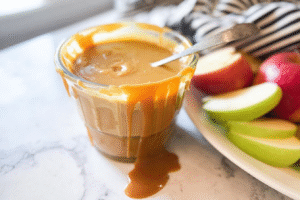
Fold in the chopped salted caramel candies or swirl in the homemade caramel sauce using a spatula or wooden spoon. If using chopped candies, distribute them evenly throughout the dough. If using caramel sauce, create a marbled effect by gently swirling it through the dough without fully incorporating it. This method ensures you’ll have distinct pockets of gooey caramel in each salted caramel sugar cookie. For stuffed cookies, you can also wrap a small amount of chilled caramel inside each ball of dough. However you choose to add the caramel, work gently to maintain the marbled effect.Sixth Step: Chill the Dough
Cover the bowl with plastic wrap and refrigerate the dough for at least 30 minutes. Chilling is essential for two reasons: it solidifies the fat in the dough, which prevents the cookies from spreading too much in the oven, and it allows the flour to hydrate fully, resulting in a better texture. If you have time, chilling for 1-2 hours yields even better results. You can also refrigerate the dough overnight for convenient baking the next day. When ready to bake, let the dough sit at room temperature for about 10 minutes to make scooping easier.Final Step: Bake and Cool
Scoop the chilled dough into 2-inch balls and place them on the prepared baking sheets, leaving about 2 inches of space between each cookie. Lightly sprinkle the tops with sea salt flakes for an extra burst of flavor and visual appeal. Bake at 350°F for 10-12 minutes, or until the edges are lightly golden but the centers still appear slightly underbaked. This technique ensures chewy centers. Remove from the oven and let the cookies cool on the baking sheets for 5 minutes before transferring them to a wire rack to cool completely. The residual heat will finish cooking the centers to perfection. Once cooled, your salted caramel sugar cookies are ready to enjoy!
Dietary Substitutions to Customize Your Salted Caramel Sugar Cookie
One of the beauties of this salted caramel sugar cookie recipe is its adaptability to various dietary needs and preferences. Let’s explore some clever substitutions that allow everyone to enjoy these delicious treats.Protein and Main Component Alternatives
For those with egg allergies or following a vegan diet, there are several effective egg replacements. Flax eggs (1 tablespoon ground flaxseed mixed with 3 tablespoons water per egg) work well and add a subtle nutty flavor that complements the caramel. Commercial egg replacers also produce excellent results and have a neutral flavor profile. If you’re looking to boost the protein content, consider replacing some of the flour with almond flour or adding a scoop of vanilla protein powder, though this may slightly alter the texture. For those avoiding dairy, vegan butter substitutes work remarkably well in this recipe, and coconut cream can replace heavy cream in the homemade caramel sauce.Vegetable, Sauce, and Seasoning Modifications
While traditional salted caramel sugar cookies don’t typically include vegetables, you can incorporate unexpected ingredients for unique variations. Pumpkin puree (about 1/4 cup per batch) adds moisture and creates a fall-inspired version that pairs beautifully with caramel flavors. For sauce alternatives beyond traditional caramel, try dulce de leche for a deeper, milky caramel taste, or experiment with fruit reductions like raspberry or date caramel for different flavor profiles. Seasoning modifications can include adding cinnamon, nutmeg, or cardamom to the dough for a spiced variation, or incorporating espresso powder for a mocha-caramel combination. For a more intense caramel flavor, brown butter can replace regular butter, adding a nutty depth that enhances the overall taste.| Dietary Need | Substitution | Effect on Final Result |
|---|---|---|
| Gluten-Free | 1:1 GF flour blend + 1/2 tsp xanthan gum | Slightly denser texture, otherwise similar |
| Vegan | Vegan butter, flax eggs, plant-based cream | Slightly softer spread, comparable taste |
| Lower Sugar | Erythritol or stevia blend | Less crisp edges, softer texture |
| Dairy-Free | Coconut oil or vegan butter | Coconut flavor may be noticeable |
Mastering Salted Caramel Sugar Cookie: Advanced Tips and Variations
Once you’ve mastered the basic salted caramel sugar cookie recipe, you might want to elevate your results with professional techniques and creative variations. These expert tips will help you achieve bakery-quality cookies at home.Pro Cooking Techniques
For consistently perfect cookies, invest in a kitchen scale to weigh your ingredients rather than relying on volume measurements. This precision is especially important with flour, as measuring by volume can lead to inconsistent results. Another professional technique is to rotate your baking sheets halfway through the baking time to ensure even heat distribution. For cookies with a more uniform shape, use a cookie scoop or roll the dough balls between your palms, then slightly flatten them with the bottom of a glass dipped in sugar. If your caramel tends to leak out during baking, try freezing the dough balls for 10 minutes before baking to help them hold their shape better in the oven.Flavor Variations
While classic salted caramel is delicious on its own, there are many ways to customize this salted caramel sugar cookie recipe. Consider adding chocolate chips or chunks to create a turtle-like flavor combination. For a coffee twist, add 1-2 tablespoons of instant espresso powder to the dough. Spice lovers might enjoy adding a pinch of cayenne pepper to the caramel for a Mexican hot chocolate variation. You can also experiment with different extracts such as almond, coconut, or rum to complement the caramel flavor. For a textural contrast, fold in toasted pecans or walnuts along with the caramel pieces.Presentation Tips
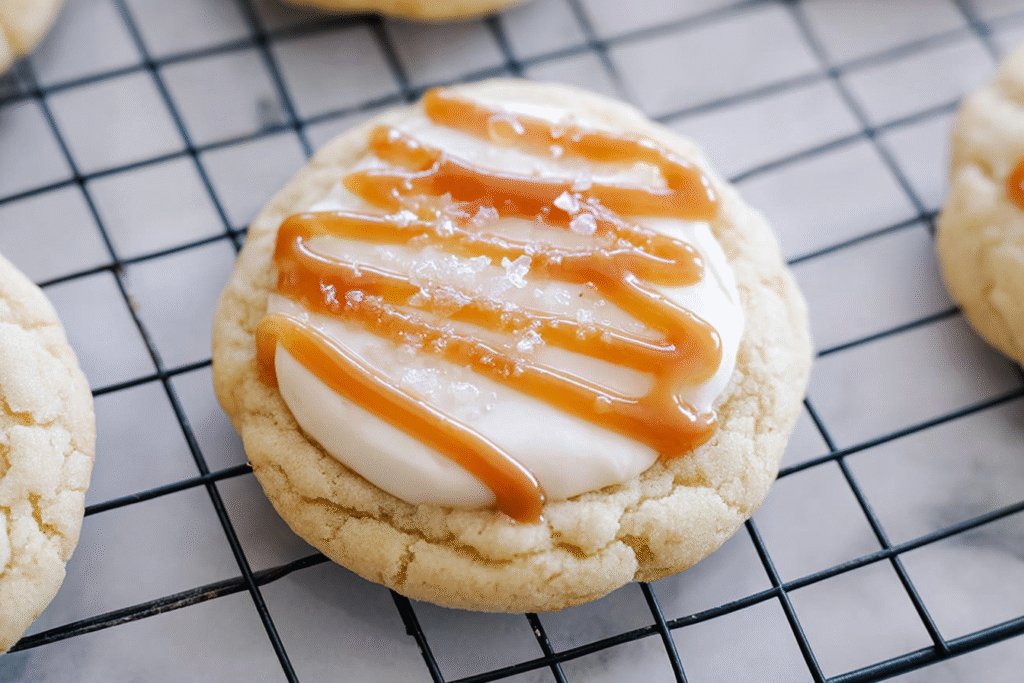
The visual appeal of your salted caramel sugar cookies can be enhanced with thoughtful presentation. After baking, drizzle additional warm caramel sauce over the cooled cookies and top with a generous pinch of flaky sea salt for a professional finish. For gift-giving, arrange the cookies in a clear box with parchment paper between layers to prevent sticking from the caramel. You can also dip half of each cooled cookie in melted chocolate and sprinkle with sea salt for an elegant touch. If serving at a party, consider varying the sizes by making some bite-sized and some oversized for visual interest on your platter.Make-Ahead Options
One of the greatest advantages of this salted caramel sugar cookie recipe is its suitability for advance preparation. The dough can be made up to 3 days ahead and kept refrigerated, or frozen for up to 3 months. If freezing, portion the dough into balls first, then freeze them on a baking sheet before transferring to a freezer bag. This allows you to bake fresh cookies in just minutes whenever the craving strikes. You can also bake the cookies completely and freeze them in airtight containers with parchment paper between layers. To refresh frozen baked cookies, warm them in a 300°F oven for 3-5 minutes or microwave for 5-10 seconds until they taste freshly baked.How to Store Salted Caramel Sugar Cookie: Best Practices
Proper storage is essential to maintain the quality and freshness of your salted caramel sugar cookies. Follow these guidelines to keep your cookies tasting delicious for as long as possible.Refrigeration
Ideally, salted caramel sugar cookies should be stored at room temperature rather than in the refrigerator. Cold temperatures can cause the caramel to harden and the cookie texture to become dry. If you must refrigerate them due to warm ambient temperatures, place the cookies in an airtight container with layers of parchment paper between them to prevent sticking from the caramel. Allow refrigerated cookies to come to room temperature for about 15 minutes before serving for the best texture and flavor.Freezing
For longer-term storage, freezing is an excellent option. To freeze baked cookies, arrange them in a single layer on a baking sheet until frozen solid, then transfer to a freezer-safe bag or container. Place parchment paper between layers to prevent them from sticking together. Frozen cookies will maintain their quality for 2-3 months. Alternatively, you can freeze the unbaked dough balls, which allows you to enjoy freshly baked cookies whenever you want. Bake frozen dough balls directly from the freezer, adding 1-2 minutes to the baking time.Reheating
To restore that just-baked quality to stored or frozen cookies, reheating makes a significant difference. For the best results, place the cookies on a baking sheet in a 300°F oven for 3-5 minutes, until warmed through. This method helps recrisp the edges while softening the interior. If you’re short on time, a quick 5-10 second burst in the microwave can also work, though it won’t provide the same textural benefits as oven reheating. Be careful not to overheat, as the caramel can become extremely hot.Meal Prep Considerations
For efficient meal prep, consider making a double batch of salted caramel sugar cookie dough. Portion it into balls and freeze them on baking sheets before transferring to freezer bags. Label the bags with the date and baking instructions for future reference. This approach allows you to have fresh-baked cookies ready in minutes without the mess of mixing dough each time. You can bake just as many cookies as you need, keeping the rest frozen for later. This method is particularly useful for busy families or during the holiday season when baking demands are high.
FAQs: Frequently Asked Questions About Salted Caramel Sugar Cookie
What is a salted caramel sugar cookie?
How do you make salted caramel sugar cookies at home?
What’s the best salted caramel for sugar cookies?
How do you store salted caramel sugar cookies?
Can you make salted caramel sugar cookies gluten-free?
Salted Caramel Sugar Cookie
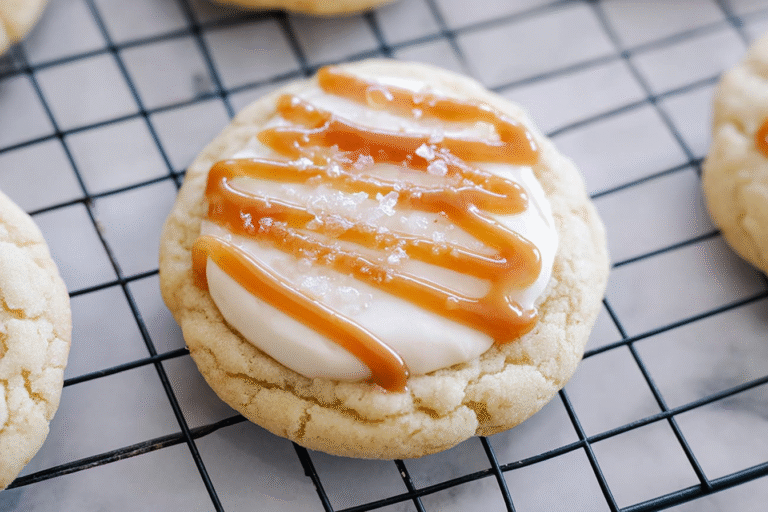
🧂🍪 Buttery sugar cookies loaded with gooey salted caramel swirls – perfect sweet-salty harmony in every bite!
⭐ Soft, chewy centers topped with flaky sea salt; simple bake-ahead treat for parties or snacks.
- Total Time: 55 minutes
- Yield: 36 cookies
Ingredients
– 1 cup softened butter
– 1 cup granulated sugar
– 1/2 cup brown sugar
– 2 eggs
– 1 tsp vanilla extract
– 3 cups all-purpose flour
– 1 tsp baking soda
– 1/2 tsp salt
– 1/2 cup chopped salted caramel candies
– Sea salt flakes for sprinkling
– 1 cup granulated sugar
– 6 tbsp unsalted butter, cubed
– 1/2 cup heavy cream
– 1 tsp sea salt or flaky salt
Instructions
1-First Step: Prepare Your Ingredients and Equipment Before you begin, gather all your ingredients and equipment. Take the butter out of the refrigerator at least 30 minutes before baking so it softens to room temperature. This is crucial for proper creaming with the sugars. Preheat your oven to 350°F and line two baking sheets with parchment paper or silicone baking mats. If you’re making homemade caramel, prepare it first and allow it to cool slightly before using. Having everything measured and ready will make the process smoother and more enjoyable.
2-Second Step: Cream the Butter and Sugars In a large mixing bowl, combine the softened butter, granulated sugar, and brown sugar. Using an electric mixer on medium speed, beat these ingredients together for about 3-5 minutes until the mixture is light and fluffy. This process incorporates air into the dough, which helps create a lighter texture. Don’t rush this step proper creaming is the secret to achieving the perfect cookie texture. Scrape down the sides of the bowl occasionally to ensure even mixing. The mixture should become pale in color and have a creamy, mousse-like consistency when properly creamed.
3-Third Step: Add Eggs and Vanilla Add the eggs one at a time to the creamed butter and sugar mixture, beating well after each addition. This gradual incorporation ensures the eggs emulsify properly with the fat, creating a stable dough structure. After the eggs are fully incorporated, add the vanilla extract and mix briefly to combine. The vanilla enhances the overall flavor profile and pairs beautifully with the caramel notes. At this point, your mixture should be smooth and glossy. If you’re using a stand mixer, you may want to switch to a lower speed to prevent incorporating too much air, which could cause the cookies to spread too much during baking.
4-Fourth Step: Combine Dry Ingredients In a separate medium bowl, whisk together the flour, baking soda, and salt. This step ensures the leavening agent is evenly distributed throughout the flour, which is essential for uniform rising. Gradually add the dry ingredients to the wet mixture, mixing on low speed just until combined. Be careful not to overmix at this stage, as overworking the dough can develop the gluten in the flour, resulting in tough cookies. Stop mixing as soon as you no longer see streaks of dry flour. The dough will be thick and somewhat sticky at this point.
5-Fifth Step: Incorporate the Caramel Fold in the chopped salted caramel candies or swirl in the homemade caramel sauce using a spatula or wooden spoon. If using chopped candies, distribute them evenly throughout the dough. If using caramel sauce, create a marbled effect by gently swirling it through the dough without fully incorporating it. This method ensures you’ll have distinct pockets of gooey caramel in each salted caramel sugar cookie. For stuffed cookies, you can also wrap a small amount of chilled caramel inside each ball of dough. However you choose to add the caramel, work gently to maintain the marbled effect.
6-Sixth Step: Chill the Dough Cover the bowl with plastic wrap and refrigerate the dough for at least 30 minutes. Chilling is essential for two reasons: it solidifies the fat in the dough, which prevents the cookies from spreading too much in the oven, and it allows the flour to hydrate fully, resulting in a better texture. If you have time, chilling for 1-2 hours yields even better results. You can also refrigerate the dough overnight for convenient baking the next day. When ready to bake, let the dough sit at room temperature for about 10 minutes to make scooping easier.
7-Final Step: Bake and Cool Scoop the chilled dough into 2-inch balls and place them on the prepared baking sheets, leaving about 2 inches of space between each cookie. Lightly sprinkle the tops with sea salt flakes for an extra burst of flavor and visual appeal. Bake at 350°F for 10-12 minutes, or until the edges are lightly golden but the centers still appear slightly underbaked. This technique ensures chewy centers. Remove from the oven and let the cookies cool on the baking sheets for 5 minutes before transferring them to a wire rack to cool completely. The residual heat will finish cooking the centers to perfection. Once cooled, your salted caramel sugar cookies are ready to enjoy!
Last Step:
Please leave a rating and comment letting us know how you liked this recipe! This helps our business to thrive and continue providing free, high-quality recipes for you.Notes
❄️ Chill dough to prevent spreading and keep caramel from melting out.
🧂 Press sea salt gently right after baking for best adhesion.
🍪 Store in airtight container; caramel softens cookies over time.
- Prep Time: 15 minutes
- Chill: 30 minutes
- Cook Time: 10 minutes
- Category: Dessert
- Method: Baking
- Cuisine: American
- Diet: Vegetarian
Nutrition
- Serving Size: 1 cookie
- Calories: 150 calories
- Sugar: 12g
- Sodium: 140mg
- Fat: 7g
- Saturated Fat: 4g
- Unsaturated Fat: 2g
- Trans Fat: 0g
- Carbohydrates: 21g
- Fiber: 0g
- Protein: 2g
- Cholesterol: 25mg