
Why You’ll Love This Oatmeal Cookie
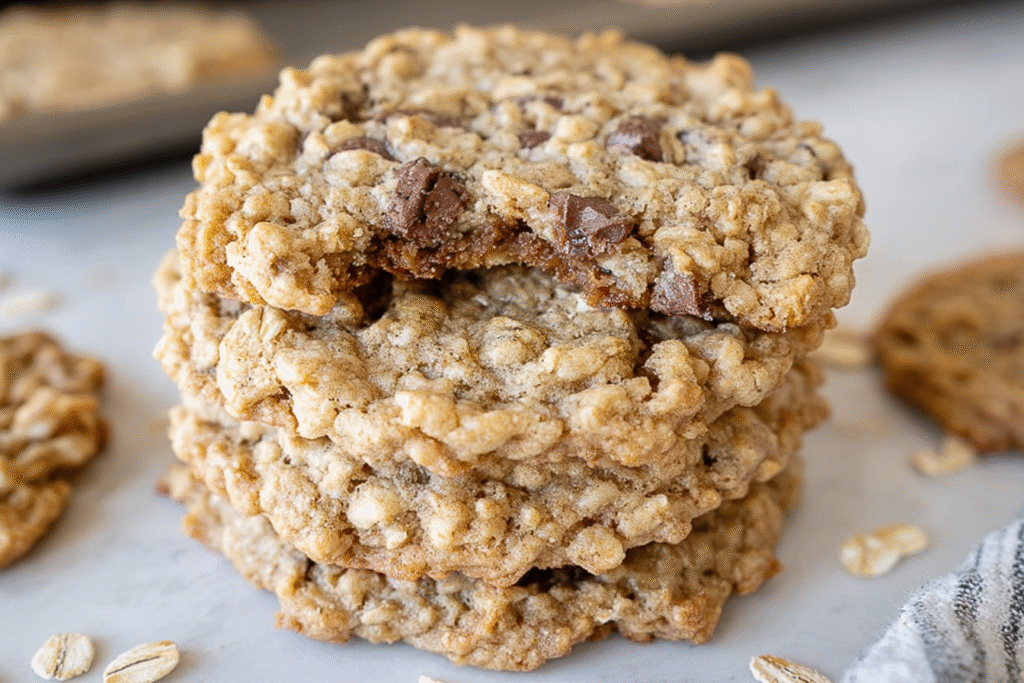
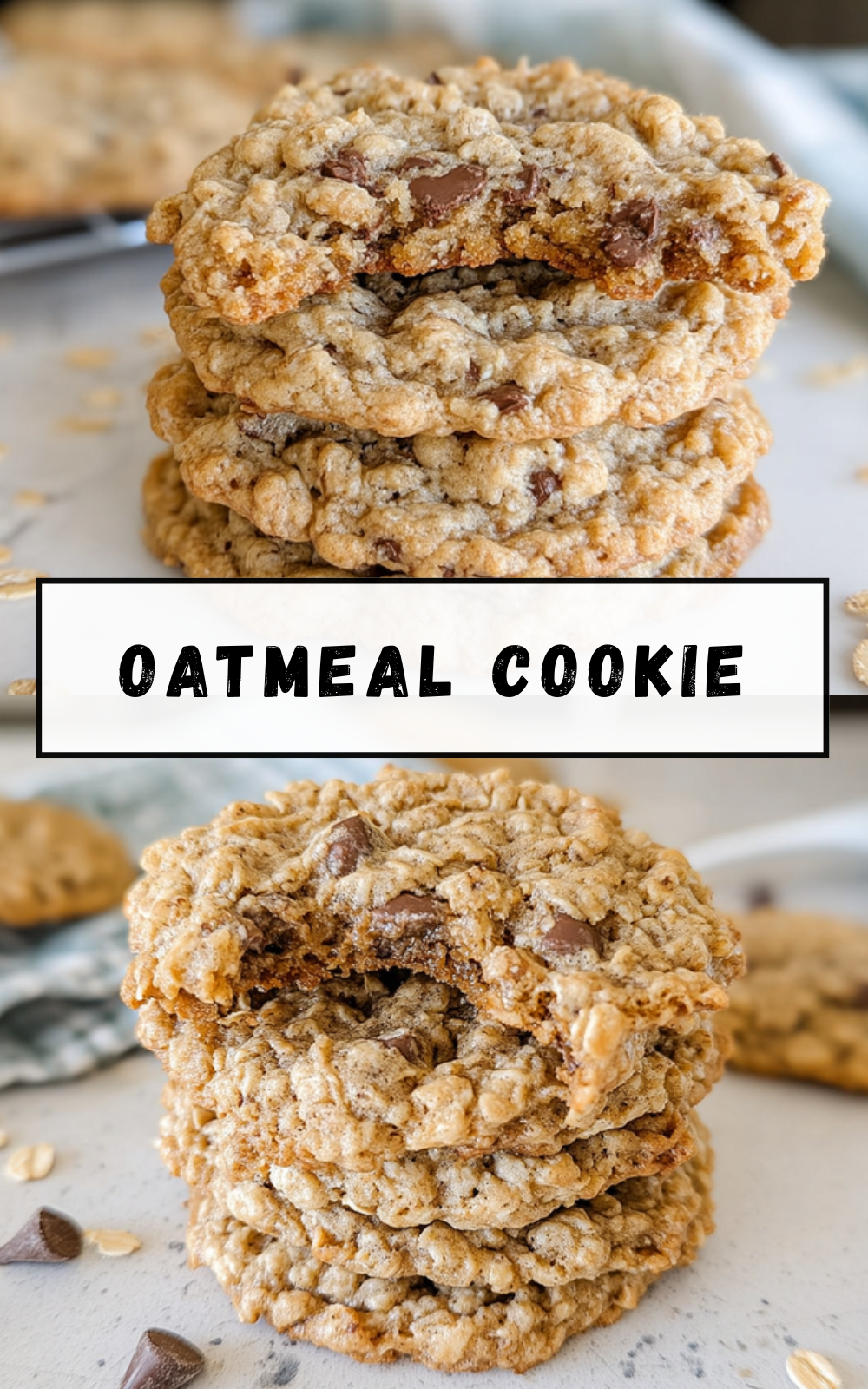
If you’re looking for the perfect homemade treat that balances health and indulgence, this oatmeal cookie recipe is about to become your new favorite. These cookies offer the best of both worlds with a soft, chewy texture that melts in your mouth while providing nutritional benefits you can feel good about.
- Ease of preparation: This oatmeal cookie recipe comes together in just 30 minutes with simple steps that even beginner bakers can master. You don’t need special equipment or hard-to-find ingredients, making these cookies perfect for busy weeknights when you want something homemade without the fuss.
- Health benefits: Unlike many cookie recipes that are purely indulgent, these oatmeal cookies contain 3 cups of rolled oats packed with fiber that aids digestion and provides lasting energy. Each cookie delivers about 4g of fiber and complex carbohydrates that won’t spike your blood sugar like refined flour treats would, making them a smarter choice for satisfying your sweet tooth.
- Versatility: This classic recipe adapts beautifully to your preferences and dietary needs. Swap raisins for chocolate chips, add nuts for extra protein, or modify ingredients to make them vegan or gluten-free. You can even reduce the sugar content without sacrificing texture, making these chewy oatmeal cookies work for everyone in your household.
- Distinctive flavor: The perfect balance of brown sugar, cinnamon, and vanilla creates a warm, comforting taste profile that pairs beautifully with the nutty flavor of oats. These cookies achieve that ideal texture with slightly crispy edges and irresistibly soft centers that keep everyone coming back for just one more.
Jump to:
- Why You’ll Love This Oatmeal Cookie
- Essential Ingredients for Oatmeal Cookie
- Main Ingredients
- Special Dietary Options
- Vegan Substitutions
- Gluten-Free Alternatives
- Low-Calorie Options
- How to Prepare the Perfect Oatmeal Cookie: Step-by-Step Guide
- Preparing Your Ingredients
- Creating the Cookie Base
- Incorporating Dry Ingredients
- Adding Oats and Mix-ins
- Shaping and Baking
- Dietary Substitutions to Customize Your Oatmeal Cookie
- Protein and Main Component Alternatives
- Vegetable, Sauce, and Seasoning Modifications
- Mastering Oatmeal Cookie: Advanced Tips and Variations
- Pro Cooking Techniques
- Flavor Variations
- Presentation Tips
- Make-Ahead Options
- How to Store Oatmeal Cookie: Best Practices
- Refrigeration
- Freezing
- Reheating
- Meal Prep Considerations
- FAQs: Frequently Asked Questions About Oatmeal Cookie
- How do I make soft oatmeal cookies at home?
- Are oatmeal cookies a healthy snack option?
- What’s the best way to store oatmeal cookies to keep them fresh?
- Can I make oatmeal cookies without eggs for a vegan version?
- Why do my oatmeal cookies turn out flat or spread too much?
- Oatmeal Cookie
- Ingredients
- Instructions
- Last Step:
- Notes
- Nutrition
- Did you make this recipe?
Essential Ingredients for Oatmeal Cookie
The magic of creating the perfect oatmeal cookie lies in using quality ingredients in the right proportions. Each component plays a crucial role in achieving that desirable soft chewy texture and balanced flavor.
Main Ingredients
- 1 cup softened butter – Provides richness, moisture, and helps create the tender texture of the cookies
- 1 cup brown sugar – Adds moisture and depth of flavor while contributing to chewiness
- ½ cup white sugar – Creates a slight crisp edge and balances the molasses notes from brown sugar
- 2 eggs – Act as binders and provide structure while adding richness to the dough
- 1 tsp vanilla extract – Enhances the overall flavor profile with aromatic sweetness
- 1.5 cups flour – Forms the structure and base of the cookie dough
- 1 tsp baking soda – Leavens the cookies and helps them spread properly
- 1 tsp cinnamon – Adds warmth and classic spice flavor that complements the oats
- 3 cups rolled oats – The star ingredient providing texture, fiber, and heartiness
- 1 cup raisins or chocolate chips – Adds bursts of sweetness and texture throughout each cookie
Special Dietary Options
Vegan Substitutions
- Eggs: Replace with flax egg (1 tbsp ground flaxseed + 3 tbsp water per egg, rested 5 minutes) or ¼ cup mashed banana per egg
- Butter: Use vegan butter or coconut oil in equal amounts
- Chocolate chips: Choose certified vegan chocolate chips
Gluten-Free Alternatives
- Flour: Substitute with a 1:1 gluten-free flour blend
- Oats: Use certified gluten-free rolled oats to avoid cross-contamination
Low-Calorie Options
- Sugar: Reduce total sugar to ¾ cup or use a natural sweetener like maple syrup
- Butter: Replace half the butter with unsweetened applesauce
- Add-ins: Include chia seeds for extra fiber and nutrition without adding many calories
How to Prepare the Perfect Oatmeal Cookie: Step-by-Step Guide
Creating bakery-quality oatmeal cookies at home is simpler than you might think. Follow these detailed steps to ensure your cookies turn out perfectly soft and chewy every single time. This method works for both the classic version and dietary modifications.
Preparing Your Ingredients
First Step: Begin by gathering all your ingredients and allowing the butter to soften at room temperature for about 30 minutes. This crucial step ensures the butter creams properly with the sugars, creating the base texture for your cookies. If you’re using vegan butter or coconut oil, let it soften slightly but don’t let it become completely liquid. Preheat your oven to 350°F (175°C) and line a baking sheet with parchment paper to prevent sticking and make cleanup effortless.
Creating the Cookie Base
Second Step: In a large mixing bowl, combine 1 cup softened butter, 1 cup brown sugar, and ½ cup white sugar. Using a hand mixer or stand mixer, beat these ingredients together on medium speed until they become light and fluffy, approximately 2-3 minutes. This process incorporates air into the mixture, which helps create a lighter texture in the finished cookies. For those making vegan version, cream your vegan butter alternative with the sugars until well combined.
Third Step: Add 2 eggs one at a time, beating well after each addition. Then mix in 1 teaspoon vanilla extract until fully incorporated. The eggs provide structure and richness to your oatmeal cookie dough. If you’re using a flax egg replacement, add it now along with any mashed banana if that’s your chosen egg substitute. This is the time to scrape down the sides of your bowl to ensure everything is evenly mixed.
Incorporating Dry Ingredients
Fourth Step: In a separate medium bowl, whisk together 1.5 cups flour, 1 teaspoon baking soda, and 1 teaspoon cinnamon. This step ensures these dry ingredients are evenly distributed before they hit the wet ingredients, which prevents clumps of baking soda or cinnamon in your finished cookies. For gluten-free versions, measure your gluten-free flour blend carefully and consider adding a pinch of xanthan gum if your blend doesn’t already contain it.
Fifth Step: Gradually add the dry ingredients to the wet mixture, mixing on low speed just until combined. Be careful not to overmix at this stage, as this can develop the gluten in the flour and result in tough cookies. The dough will start to come together but will still look somewhat crumbly before the oats are added.
Adding Oats and Mix-ins
Sixth Step: Add 3 cups rolled oats to the dough, mixing on low speed until they are evenly distributed throughout. The oats should be fully incorporated but still visible in the dough. This is what gives your oatmeal cookies their characteristic texture and heartiness. For extra variety, consider using a combination of thick and thin rolled oats, or incorporate some steel-cut oats for added crunch.
Seventh Step: Fold in 1 cup of raisins, chocolate chips, or your preferred mix-ins using a wooden spoon or spatula. This gentle folding technique prevents overmixing while ensuring the add-ins are evenly spaced throughout the dough. For a more sophisticated flavor profile, try combining raisins with chopped pecans or white chocolate chips with dried cranberries.
Shaping and Baking
Final Step: Drop rounded tablespoons of dough onto your prepared baking sheet, spacing them about 2 inches apart to allow for spreading. For consistently sized cookies, use a cookie scoop or measure with tablespoons. Flatten each cookie slightly with the back of a spoon or your palm. Bake at 350°F (175°C) for 10-12 minutes, until the edges are lightly golden but the centers still appear slightly soft. This is the secret to achieving that perfect chewy texture in the middle.
Remove the baking sheet from the oven and let the cookies rest on the pan for 5 minutes. During this time, they will finish cooking slightly and set, making them easier to transfer without breaking. After this resting period, move the cookies to a wire rack to cool completely. This recipe yields approximately 36 delicious oatmeal cookies that will stay fresh for days when stored properly.

Dietary Substitutions to Customize Your Oatmeal Cookie
The beauty of this oatmeal cookie recipe lies in its adaptability. With a few simple swaps, you can transform these classic treats to accommodate various dietary needs while maintaining that delicious taste and texture everyone loves.
Protein and Main Component Alternatives
For those seeking to increase protein content or manage allergies, several substitutions work beautifully in this recipe. Replace ½ cup of the oats with the same amount of chia seeds, flaxseeds, or hemp seeds to boost protein and omega-3 fatty acids. If you have nut allergies but want added crunch, try adding pumpkin seeds or sunflower seeds instead of traditional nuts.
For a higher protein version, consider adding 2 scoops of vanilla or unflavored protein powder while reducing the flour by the same amount. This creates a more substantial cookie that works well as a post-workout snack or satisfying breakfast alternative. Those following a Mediterranean-style diet can substitute walnuts for the chocolate chips for a dose of healthy fats and additional protein.
Vegetable, Sauce, and Seasoning Modifications
Transform your oatmeal cookies with creative vegetable and sauce additions that enhance both nutrition and flavor. Replace half the butter with pureed pumpkin, sweet potato, or butternut squash to increase vitamin content and natural sweetness while reducing fat. These additions create a moister cookie with a subtle earthy flavor that pairs exceptionally well with warming spices.
For those watching sugar intake, consider using unsweetened applesauce in place of half the butter and reducing the white sugar by one-fourth. This modification keeps the cookies soft while cutting calories significantly. When it comes to seasonings, experiment with different spice combinations try adding nutmeg, allspice, or ginger alongside the cinnamon for a cookie that tastes like fall in every bite.
Savory variations might include replacing the cinnamon with a pinch of sea salt and adding fresh herbs like rosemary or thyme, creating an unexpected but delightful flavor profile. These modified cookies make excellent accompaniments to cheese plates or as sophisticated snacks for adult gatherings.
Mastering Oatmeal Cookie: Advanced Tips and Variations
Once you’ve mastered the basic oatmeal cookie recipe, these expert techniques and creative variations will help you elevate your baking to new heights. With just a few adjustments to the standard method, you can create cookies that rival professional bakeries.
Pro Cooking Techniques
The secret to bakery-quality oatmeal cookies lies in controlling ingredient temperatures. Always start with room temperature ingredients (unless the recipe specifically states otherwise) to ensure proper emulsification of fats and sugars. If you have time, chill your cookie dough for 30 minutes to an hour before baking this simple step solidifies the fat, resulting in thicker cookies with more defined texture.
For consistently sized cookies, use a digital kitchen scale to portion dough into 1.5-ounce balls. This uniformity ensures all cookies bake at the same rate, preventing some from becoming overdone while others remain underbaked. Rotate your baking sheet halfway through the cooking time to account for any hot spots in your oven that might cause uneven baking.
Flavor Variations
Experiment with different extracts to transform the flavor profile completely. Replace vanilla with almond extract for a nuttier essence, or try maple extract for a breakfast-inspired cookie. For chocolate lovers, fold in dark chocolate chunks instead of chips and add a pinch of sea salt to enhance the chocolate flavor.
Seasonal variations keep this recipe fresh year-round. Add dried cranberries and orange zest in winter for a festive touch, or incorporate coconut and lime in summer for a tropical twist. Fall calls for dried apples and additional cinnamon, while spring welcomes lemon zest and poppy seeds for brightness.
Presentation Tips
For professional-looking cookies, press a few additional oats or chocolate chips into the top of each cookie dough ball before baking. This creates an attractive finished appearance with visible mix-ins on the surface. You can also finish with a light sprinkle of flaky sea salt immediately after removing the cookies from the oven for a sophisticated sweet-and-salty contrast.
Make-Ahead Options
For busy bakers, portion your cookie dough into balls and freeze them on a baking sheet before transferring to a freezer bag. These frozen dough balls can go directly from freezer to oven, adding just 1-2 minutes to the baking time. This technique allows you to have freshly baked cookies whenever the craving strikes without starting from scratch.
How to Store Oatmeal Cookie: Best Practices
Proper storage ensures your oatmeal cookies maintain their delicious texture and flavor for as long as possible. Whether you’re keeping them for a few days or several weeks, these methods will help preserve that just-baked quality.
Refrigeration
For short-term storage, place your cooled cookies in an airtight container at room temperature for up to 5 days. Layer them between sheets of parchment or wax paper to prevent sticking. Adding a slice of white bread to the container helps maintain moisture, keeping cookies soft and chewy without making them soggy. Replace the bread slice every other day for best results.
Freezing
To extend shelf life significantly, freeze oatmeal cookies for 2-3 months with minimal quality loss. Place cooled cookies in a freezer-safe bag or container, removing as much air as possible to prevent freezer burn. For added protection, wrap individual cookies in plastic wrap before placing them in the freezer container. When ready to enjoy, simply thaw at room temperature for about 30 minutes.
Reheating
If your cookies have lost some of their freshness, revive them with gentle reheating. Place them in a 300°F oven for 3-5 minutes or microwave for 10-15 seconds. These methods restore warmth and recreate that fresh-from-the-oven texture without drying out the cookies. Avoid reheating multiple times, as this can affect quality.
Meal Prep Considerations
For efficient meal preparation, consider baking oatmeal cookies in bulk and portioning them into individual servings or daily portions. This approach works well for school lunches, office snacks, or grab-and-go breakfasts. Pre-portioned cookies make it easier to enjoy them as part of a balanced diet without overindulging.
FAQs: Frequently Asked Questions About Oatmeal Cookie
How do I make soft oatmeal cookies at home?
Are oatmeal cookies a healthy snack option?
What’s the best way to store oatmeal cookies to keep them fresh?
Can I make oatmeal cookies without eggs for a vegan version?
Why do my oatmeal cookies turn out flat or spread too much?
Oatmeal Cookie
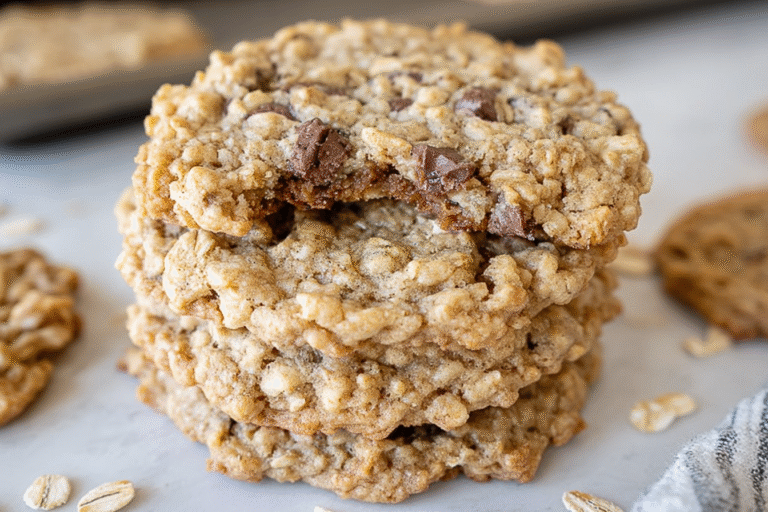
🍪🌾 Ultimate soft chewy oatmeal cookies packed with hearty oats and warm spices – comforting classic treat!
✨ Stay fresh and moist for days; endlessly customizable with raisins, chips, or nuts for family favorites.
- Total Time: 56 minutes
- Yield: 42 cookies
Ingredients
– 1 cup softened butter – Provides richness, moisture, and helps create the tender texture of the cookies
– 1 cup brown sugar – Adds moisture and depth of flavor while contributing to chewiness
– ½ cup white sugar – Creates a slight crisp edge and balances the molasses notes from brown sugar
– 2 eggs – Act as binders and provide structure while adding richness to the dough
– 1 tsp vanilla extract – Enhances the overall flavor profile with aromatic sweetness
– 1.5 cups flour – Forms the structure and base of the cookie dough
– 1 tsp baking soda – Leavens the cookies and helps them spread properly
– 1 tsp cinnamon – Adds warmth and classic spice flavor that complements the oats
– 3 cups rolled oats – The star ingredient providing texture, fiber, and heartiness
– 1 cup raisins or chocolate chips – Adds bursts of sweetness and texture throughout each cookie
Instructions
1-First Step: Begin by gathering all your ingredients and allowing the butter to soften at room temperature for about 30 minutes. This crucial step ensures the butter creams properly with the sugars, creating the base texture for your cookies. If you’re using vegan butter or coconut oil, let it soften slightly but don’t let it become completely liquid. Preheat your oven to 350°F (175°C) and line a baking sheet with parchment paper to prevent sticking and make cleanup effortless.
2-Second Step: In a large mixing bowl, combine 1 cup softened butter, 1 cup brown sugar, and ½ cup white sugar. Using a hand mixer or stand mixer, beat these ingredients together on medium speed until they become light and fluffy, approximately 2-3 minutes. This process incorporates air into the mixture, which helps create a lighter texture in the finished cookies. For those making vegan version, cream your vegan butter alternative with the sugars until well combined.
3-Third Step: Add 2 eggs one at a time, beating well after each addition. Then mix in 1 teaspoon vanilla extract until fully incorporated. The eggs provide structure and richness to your oatmeal cookie dough. If you’re using a flax egg replacement, add it now along with any mashed banana if that’s your chosen egg substitute. This is the time to scrape down the sides of your bowl to ensure everything is evenly mixed.
4-Fourth Step: In a separate medium bowl, whisk together 1.5 cups flour, 1 teaspoon baking soda, and 1 teaspoon cinnamon. This step ensures these dry ingredients are evenly distributed before they hit the wet ingredients, which prevents clumps of baking soda or cinnamon in your finished cookies. For gluten-free versions, measure your gluten-free flour blend carefully and consider adding a pinch of xanthan gum if your blend doesn’t already contain it.
5-Fifth Step: Gradually add the dry ingredients to the wet mixture, mixing on low speed just until combined. Be careful not to overmix at this stage, as this can develop the gluten in the flour and result in tough cookies. The dough will start to come together but will still look somewhat crumbly before the oats are added.
6-Sixth Step: Add 3 cups rolled oats to the dough, mixing on low speed until they are evenly distributed throughout. The oats should be fully incorporated but still visible in the dough. This is what gives your oatmeal cookies their characteristic texture and heartiness. For extra variety, consider using a combination of thick and thin rolled oats, or incorporate some steel-cut oats for added crunch.
7-Seventh Step: Fold in 1 cup of raisins, chocolate chips, or your preferred mix-ins using a wooden spoon or spatula. This gentle folding technique prevents overmixing while ensuring the add-ins are evenly spaced throughout the dough. For a more sophisticated flavor profile, try combining raisins with chopped pecans or white chocolate chips with dried cranberries.
8-Final Step: Drop rounded tablespoons of dough onto your prepared baking sheet, spacing them about 2 inches apart to allow for spreading. For consistently sized cookies, use a cookie scoop or measure with tablespoons. Flatten each cookie slightly with the back of a spoon or your palm. Bake at 350°F (175°C) for 10-12 minutes, until the edges are lightly golden but the centers still appear slightly soft. This is the secret to achieving that perfect chewy texture in the middle. Remove the baking sheet from the oven and let the cookies rest on the pan for 5 minutes. During this time, they will finish cooking slightly and set, making them easier to transfer without breaking. After this resting period, move the cookies to a wire rack to cool completely. This recipe yields approximately 36 delicious oatmeal cookies that will stay fresh for days when stored properly.
Last Step:
Please leave a rating and comment letting us know how you liked this recipe! This helps our business to thrive and continue providing free, high-quality recipes for you.Notes
❄️ Chill dough at least 30 min to prevent spreading and boost chewiness.
🥄 Use room temperature butter for even creaming and tender texture.
🍇 Toast oats lightly for nuttier flavor; soak raisins in hot water first for plumpness.
- Prep Time: 15 minutes
- Chill: 30 minutes
- Cook Time: 11 minutes
- Category: Dessert
- Method: Baking
- Cuisine: American
- Diet: Vegetarian
Nutrition
- Serving Size: 1 cookie
- Calories: 140 calories
- Sugar: 12g
- Sodium: 110mg
- Fat: 6g
- Saturated Fat: 3g
- Unsaturated Fat: 2g
- Trans Fat: 0g
- Carbohydrates: 20g
- Fiber: 1g
- Protein: 2g
- Cholesterol: 20mg