
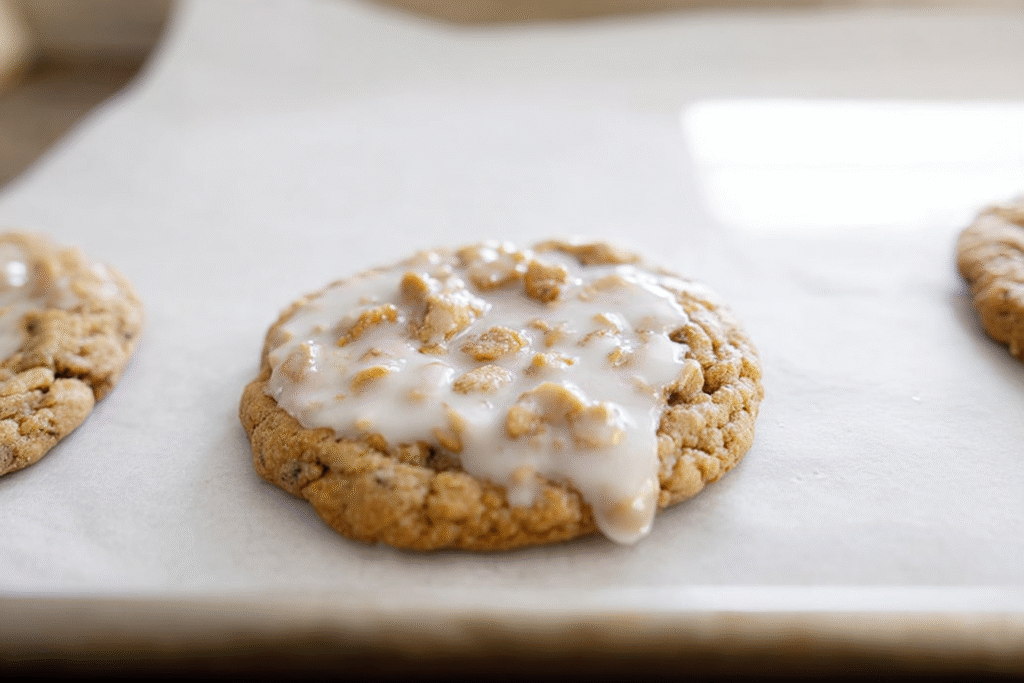
Why You’ll Love This Iced Oatmeal Cookies
If you’re searching for the perfect iced oatmeal cookies recipe that combines simplicity with delicious results, you’ve come to the right place. These soft chewy iced oatmeal cookies offer everything you could want in a homemade treat without requiring professional baking skills or hard-to-find ingredients.
- Ease of preparation: This iced oatmeal cookies recipe comes together quickly with simple ingredients you likely have in your pantry. With just 15 minutes of prep time and 10-12 minutes in the oven, you can have a batch of soft, chewy cookies ready to enjoy without any complex techniques or special equipment.
- Health benefits: Oats are nutritional powerhouses packed with fiber, which can help lower cholesterol and improve digestive health. These cookies contain less refined sugar than many commercial varieties, and you can easily adjust the recipe to add healthy mix-ins like nuts, seeds, or dried fruits while maintaining their soft texture.
- Versatility: This basic oatmeal cookies recipe adapts beautifully to different dietary needs and flavor preferences. Whether you’re looking to make them vegan, gluten-free, or just want to experiment with different mix-ins like chocolate chips, cranberries, or pecans, the base dough provides the perfect canvas for culinary creativity.
- Distinctive flavor: What sets these iced oatmeal cookies apart is the perfect balance of warm cinnamon-spiced dough and sweet vanilla icing. The contrast between the chewy oatmeal base and the delicate glaze creates a sophisticated treat that satisfies both cookie lovers and those who appreciate a more refined dessert.
Jump to:
- Why You’ll Love This Iced Oatmeal Cookies
- Essential Ingredients for Iced Oatmeal Cookies
- Main Ingredients
- Icing Ingredients
- Special Dietary Options
- How to Prepare the Perfect Iced Oatmeal Cookies: Step-by-Step Guide
- Preparation and Mixing
- Dry Ingredient Incorporation
- Baking Process
- Cooling and Icing
- Dietary Substitutions to Customize Your Iced Oatmeal Cookies
- Protein and Main Component Alternatives
- Vegetable, Sauce, and Seasoning Modifications
- Mastering Iced Oatmeal Cookies: Advanced Tips and Variations
- Pro Cooking Techniques
- Flavor Variations
- Presentation Tips
- Make-Ahead Options
- How to Store Iced Oatmeal Cookies: Best Practices
- Refrigeration
- Freezing
- Reheating
- Meal Prep Considerations
- FAQs: Frequently Asked Questions About Iced Oatmeal Cookies
- How do you make iced oatmeal cookies from scratch?
- What’s the best icing recipe for oatmeal cookies?
- Can you make iced oatmeal cookies without eggs?
- How do you store iced oatmeal cookies to keep them soft?
- Why are my iced oatmeal cookies too dry and how to fix it?
- Iced Oatmeal Cookies
- Ingredients
- Instructions
- Last Step:
- Notes
- Nutrition
- Did you make this recipe?
Essential Ingredients for Iced Oatmeal Cookies
Main Ingredients
- 1 cup softened butter – Provides richness and helps create the tender crumb texture
- 1 cup brown sugar – Adds moisture and a deep, caramel-like flavor
- ½ cup granulated sugar – Creates crisp edges and helps the cookies spread properly
- 2 eggs – Acts as a binder and provides structure to the dough
- 1 tsp vanilla – Enhances the overall flavor profile with warm, sweet notes
- 1 ½ cups all-purpose flour – Forms the base structure of the cookie
- 1 tsp baking soda – Helps the cookies rise and achieve the right texture
- 1 tsp cinnamon – Adds warm spice that complements the oats perfectly
- ½ tsp salt – Balances the sweetness and enhances other flavors
- 3 cups old-fashioned oats – Provides chewy texture and hearty character
- ½ cup raisins (optional) – Adds natural sweetness and texture contrast
Icing Ingredients
- 1 ½ cups powdered sugar – Creates the smooth, sweet glaze topping
- 3 tbsp milk – Adjusts the consistency of the icing
- ½ tsp vanilla – Adds flavor to complement the cookies
Special Dietary Options
- Vegan: Replace butter with coconut oil or vegan butter, eggs with flax eggs (1 tbsp ground flaxseed + 3 tbsp water), and use plant-based milk in the icing.
- Gluten-free: Substitute all-purpose flour with a 1:1 gluten-free flour blend and ensure your oats are certified gluten-free.
- Low-calorie: Reduce sugars by 25%, replace half the butter with unsweetened applesauce, and use a reduced-fat milk alternative in the icing.
How to Prepare the Perfect Iced Oatmeal Cookies: Step-by-Step Guide
Preparation and Mixing
First Step: Preheat your oven to 350°F (175°C) and line two baking sheets with parchment paper. This prevents sticking and makes cleanup easy. In a large bowl, cream together 1 cup softened butter, 1 cup brown sugar, and ½ cup granulated sugar until the mixture is light and fluffy. This step typically takes 2-3 minutes with an electric mixer or 4-5 minutes by hand, incorporating air into the mixture for a lighter cookie texture.
Second Step: Beat in 2 eggs one at a time, followed by 1 teaspoon of vanilla extract. Mixing thoroughly after each addition ensures even distribution of these liquid ingredients throughout the butter mixture. The eggs provide structure and help bind the dough together, while the vanilla enhances the overall flavor profile.
Dry Ingredient Incorporation
Third Step: In a separate medium bowl, whisk together 1 ½ cups all-purpose flour, 1 teaspoon baking soda, 1 teaspoon cinnamon, and ½ teaspoon salt. This ensures all the dry ingredients are evenly distributed before adding them to the wet mixture. Gradually add this flour mixture to the butter mixture, mixing on low speed just until combined. Be careful not to overmix at this stage, as this can develop too much gluten and result in tougher cookies.
Fourth Step: Stir in 3 cups of old-fashioned oats using a wooden spoon or spatula. These oats provide the signature texture and hearty character that makes oatmeal cookies so beloved. If you’re adding mix-ins like ½ cup raisins, chocolate chips, or nuts, fold them in gently at this stage.
Baking Process
Fifth Step: Drop tablespoon-sized balls of dough onto the prepared baking sheets, spacing them about 2 inches apart to allow for spreading. Using a cookie scoop helps create uniform cookies that bake evenly. Gently flatten each dough ball with the back of a spoon or your fingertips to encourage even spreading.
Sixth Step: Bake the cookies for 10-12 minutes, or until the edges are lightly golden but the centers still look slightly underbaked. This is crucial for achieving soft, chewy oatmeal cookies. The cookies will continue to cook on the hot baking sheet after you remove them from the oven, so don’t worry if they seem a little soft in the center.
Cooling and Icing
Seventh Step: Let the cookies cool on the baking sheets for about 5 minutes before transferring them to wire racks to cool completely. This allows them to set slightly and makes them easier to handle without breaking. Once completely cool, prepare the icing by whisking together 1 ½ cups powdered sugar, 3 tablespoons milk, and ½ teaspoon vanilla extract until smooth. If the icing is too thick, add additional milk ½ teaspoon at a time until it reaches a pourable consistency.
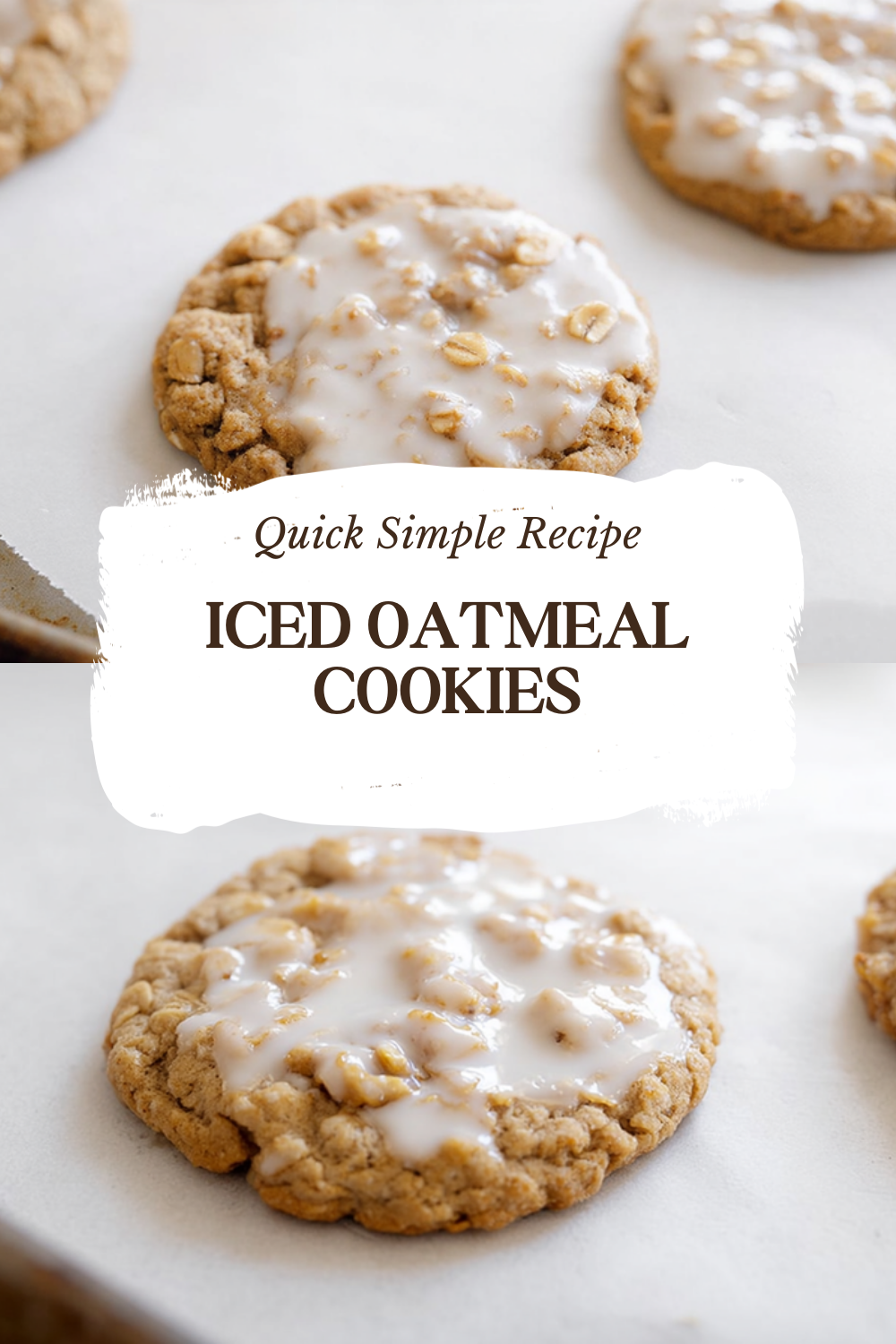
Eighth Step: Drizzle the icing over the cooled cookies using a spoon or fork, creating decorative patterns. Allow the icing to set for 10-15 minutes before serving or storing. This final touch adds sweetness and visual appeal that makes these cookies stand out from traditional oatmeal varieties.
For perfectly soft results every time, avoid overbaking and store the cookies in an airtight container once the icing has completely set. This recipe yields approximately 36 delicious iced oatmeal cookies that will stay fresh for up to 5 days when stored properly.

Dietary Substitutions to Customize Your Iced Oatmeal Cookies
Protein and Main Component Alternatives
For those with egg allergies or following a plant-based diet, there are several excellent egg substitutes that work well in oatmeal cookies. Flax eggs (1 tablespoon ground flaxseed mixed with 3 tablespoons water and rested for 5 minutes) provide structure and a slight nutty flavor that complements the oats. Unsweetened applesauce or mashed banana can also replace eggs, adding moisture and natural sweetness while reducing the overall fat content. If you’re not avoiding dairy, Greek yogurt makes an excellent egg substitute that adds protein and creates a tender texture.
For butter alternatives, coconut oil works beautifully in oatmeal cookies, imparting a subtle coconut flavor that pairs well with the oats. Vegan butter substitutes are designed to mimic the properties of dairy butter and can be used in equal amounts. For a lower-fat version, replace half the butter with unsweetened applesauce or pumpkin puree, maintaining moisture while reducing calories.
Vegetable, Sauce, and Seasoning Modifications
While traditional oatmeal cookies typically include raisins, there’s room for plenty of variation in the mix-ins. Dried cranberries, cherries, or blueberries add tartness and color, while chopped dates or figs provide natural sweetness and a chewy texture. For those who prefer nuts, pecans, walnuts, or almonds add crunch and healthy fats. Chocolate lovers can incorporate semi-sweet, dark, or white chocolate chips for a decadent twist on the classic recipe.
Spice variations can completely transform the flavor profile of your cookies. In addition to cinnamon, try adding a pinch of nutmeg, cardamom, or allspice for warmth and complexity. For a more seasonal approach, pumpkin pie spice blend works beautifully in autumn, while a touch of ginger adds a pleasant zing. If you’re feeling adventurous, a small amount of orange or lemon zest in the dough and icing can add brightness that cuts through the richness.
Mastering Iced Oatmeal Cookies: Advanced Tips and Variations
Pro Cooking Techniques
For consistently perfect results, chill your cookie dough for 30 minutes before baking. This helps prevent excessive spreading and results in thicker cookies with a better texture. When measuring flour, use the spoon-and-level method rather than scooping directly from the container to avoid packing too much flour into your measuring cup, which can lead to dry cookies.
Invest in an oven thermometer to ensure your oven temperature is accurate. Many ovens run hotter or cooler than their settings indicate, which can significantly affect baking times and outcomes. For the softest cookies, remove them from the oven when the edges are set but the centers still look slightly underbaked. They’ll continue to cook on the hot baking sheet outside the oven.
Flavor Variations
Transform your basic iced oatmeal cookies by incorporating different extracts. Almond extract pairs beautifully with oats and creates a sophisticated flavor profile, while maple extract enhances the natural sweetness of the brown sugar. For a mocha variation, add a teaspoon of instant coffee powder to the dough and a small amount to the icing for a subtle coffee flavor that complements the cinnamon.
For a more indulgent treat, sandwich two cookies together with a layer of cream cheese frosting or peanut butter. This creates a cookie sandwich that’s perfect for special occasions or when you want to elevate the humble oatmeal cookie into something extra special.
Presentation Tips
For bakery-perfect presentation, use a piping bag or small squeeze bottle to apply the icing in decorative patterns. You can create simple lines, zigzags, or even more intricate designs depending on your skill level. If you’re serving these for a special occasion, consider adding a sprinkle of finely chopped nuts, colored sugar, or edible glitter while the icing is still wet for extra visual appeal.
For gift-giving, arrange the cookies in a clear cellophane bag tied with a ribbon, or stack them in a mason jar with layers of parchment paper between each cookie. These presentation methods not only look beautiful but also help protect the icing during transport.
Make-Ahead Options
Oatmeal cookie dough freezes exceptionally well. Portion the dough into balls and place them on a baking sheet in the freezer until firm, then transfer to a freezer bag. You can bake frozen dough balls directly in the oven, adding just 1-2 minutes to the baking time. This allows you to have freshly baked cookies on demand without the full preparation process each time.
For even more convenience, bake a double batch and freeze the cooled, un-iced cookies. Thaw them at room temperature and prepare fresh icing when you’re ready to serve. This method preserves that just-baked flavor while allowing you to prepare well in advance for parties, holidays, or unexpected guests.
How to Store Iced Oatmeal Cookies: Best Practices
Refrigeration
For short-term storage, keep your iced oatmeal cookies in an airtight container at room temperature for up to 5 days. Place a piece of parchment paper between layers to prevent the icing from sticking to the cookies on top. Avoid storing them in the refrigerator unless absolutely necessary, as the cool, dry environment can cause the cookies to become stale more quickly. If you must refrigerate them due to particularly hot or humid conditions, allow them to come to room temperature before serving for the best texture.
Freezing
For long-term storage, freeze both the dough and the baked cookies with excellent results. To freeze dough, form it into balls and place them on a baking sheet until firm, then transfer to a freezer bag with the date marked. Frozen dough maintains its quality for up to 3 months. Baked cookies can also be frozen for 2-3 months; first freeze them individually on a baking sheet, then layer them in a freezer container with parchment paper between each cookie. Thaw frozen baked cookies at room temperature for 2-3 hours before serving.
Reheating
If your cookies have become slightly stale or you prefer them warm, refresh them in a 300°F (150°C) oven for 3-5 minutes. This will restore some of their original texture and warmth without making them overly crisp. Avoid microwaving, as this can create uneven heating and make the cookies tough. For the best experience, allow freshly reheated cookies to cool for a few minutes before eating.
Meal Prep Considerations
Batch cooking oatmeal cookies is an excellent meal prep strategy for busy households. Consider making a large batch on weekends to have ready-made treats throughout the week. You can also prepare the dough in advance and store it in the refrigerator for up to 3 days before baking, allowing you to have freshly baked cookies with just minutes of active prep time on busy weeknights. If baking ahead for events, prepare the icing just before serving to maintain its smooth texture and prevent it from absorbing into the cookies.
Pro tip: Underbake your cookies by just 1 minute for extra chewiness that will last for days when stored properly in an airtight container.
FAQs: Frequently Asked Questions About Iced Oatmeal Cookies
How do you make iced oatmeal cookies from scratch?
What’s the best icing recipe for oatmeal cookies?
Can you make iced oatmeal cookies without eggs?
How do you store iced oatmeal cookies to keep them soft?
Why are my iced oatmeal cookies too dry and how to fix it?
Iced Oatmeal Cookies
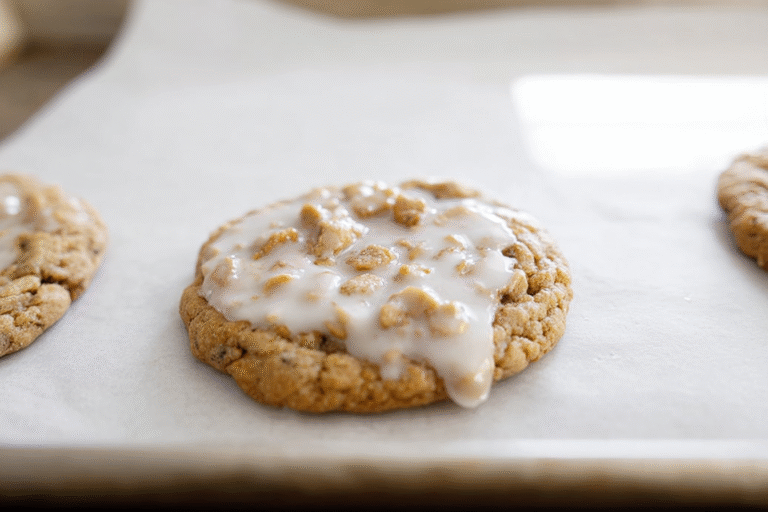
🍪🥄 Enjoy soft, chewy perfection in every bite of these iced oatmeal cookies, packed with hearty oats and warm spices for comforting flavor!
❄️🍬 Simple recipe with a sweet glaze drizzle, ideal for bake sales, holidays, or cozy treats – bakery-quality at home without fuss!
- Total Time: 1 hour
- Yield: 36 cookies
Ingredients
– 1 cup softened butter – Provides richness and helps create the tender crumb texture
– 1 cup brown sugar – Adds moisture and a deep, caramel-like flavor
– ½ cup granulated sugar – Creates crisp edges and helps the cookies spread properly
– 2 eggs – Acts as a binder and provides structure to the dough
– 1 tsp vanilla – Enhances the overall flavor profile with warm, sweet notes
– 1 ½ cups all-purpose flour – Forms the base structure of the cookie
– 1 tsp baking soda – Helps the cookies rise and achieve the right texture
– 1 tsp cinnamon – Adds warm spice that complements the oats perfectly
– ½ tsp salt – Balances the sweetness and enhances other flavors
– 3 cups old-fashioned oats – Provides chewy texture and hearty character
– ½ cup raisins (optional) – Adds natural sweetness and texture contrast
– 1 ½ cups powdered sugar – Creates the smooth, sweet glaze topping
– 3 tbsp milk – Adjusts the consistency of the icing
– ½ tsp vanilla – Adds flavor to complement the cookies
Instructions
1-First Step: Preheat your oven to 350°F (175°C) and line two baking sheets with parchment paper. This prevents sticking and makes cleanup easy. In a large bowl, cream together 1 cup softened butter, 1 cup brown sugar, and ½ cup granulated sugar until the mixture is light and fluffy. This step typically takes 2-3 minutes with an electric mixer or 4-5 minutes by hand, incorporating air into the mixture for a lighter cookie texture.
2-Second Step: Beat in 2 eggs one at a time, followed by 1 teaspoon of vanilla extract. Mixing thoroughly after each addition ensures even distribution of these liquid ingredients throughout the butter mixture. The eggs provide structure and help bind the dough together, while the vanilla enhances the overall flavor profile.
3-Third Step: In a separate medium bowl, whisk together 1 ½ cups all-purpose flour, 1 teaspoon baking soda, 1 teaspoon cinnamon, and ½ teaspoon salt. This ensures all the dry ingredients are evenly distributed before adding them to the wet mixture. Gradually add this flour mixture to the butter mixture, mixing on low speed just until combined. Be careful not to overmix at this stage, as this can develop too much gluten and result in tougher cookies.
4-Fourth Step: Stir in 3 cups of old-fashioned oats using a wooden spoon or spatula. These oats provide the signature texture and hearty character that makes oatmeal cookies so beloved. If you’re adding mix-ins like ½ cup raisins, chocolate chips, or nuts, fold them in gently at this stage.
5-Fifth Step: Drop tablespoon-sized balls of dough onto the prepared baking sheets, spacing them about 2 inches apart to allow for spreading. Using a cookie scoop helps create uniform cookies that bake evenly. Gently flatten each dough ball with the back of a spoon or your fingertips to encourage even spreading.
6-Sixth Step: Bake the cookies for 10-12 minutes, or until the edges are lightly golden but the centers still look slightly underbaked. This is crucial for achieving soft, chewy oatmeal cookies. The cookies will continue to cook on the hot baking sheet after you remove them from the oven, so don’t worry if they seem a little soft in the center.
7-Seventh Step: Let the cookies cool on the baking sheets for about 5 minutes before transferring them to wire racks to cool completely. This allows them to set slightly and makes them easier to handle without breaking. Once completely cool, prepare the icing by whisking together 1 ½ cups powdered sugar, 3 tablespoons milk, and ½ teaspoon vanilla extract until smooth. If the icing is too thick, add additional milk ½ teaspoon at a time until it reaches a pourable consistency.
8-Eighth Step: Drizzle the icing over the cooled cookies using a spoon or fork, creating decorative patterns. Allow the icing to set for 10-15 minutes before serving or storing. This final touch adds sweetness and visual appeal that makes these cookies stand out from traditional oatmeal varieties.
Last Step:
Please leave a rating and comment letting us know how you liked this recipe! This helps our business to thrive and continue providing free, high-quality recipes for you.Notes
❄️ Chill dough 30 minutes for thicker, chewier cookies that hold shape.
🌾 Use old-fashioned oats for best texture; quick oats make softer cookies.
🍬 Adjust milk in icing for perfect drizzling consistency – thicker for dipping.
- Prep Time: 15 minutes
- Chilling: 30 minutes
- Cook Time: 12 minutes
- Category: Desserts
- Method: Baked
- Cuisine: American
- Diet: Vegetarian
Nutrition
- Serving Size: 1 cookie
- Calories: 150 kcal
- Sugar: 18g
- Sodium: 110mg
- Fat: 5g
- Saturated Fat: 3g
- Unsaturated Fat: 1.5g
- Trans Fat: 0g
- Carbohydrates: 25g
- Fiber: 1g
- Protein: 2g
- Cholesterol: 25mg