
Why You’ll Love This Freeze Cookies
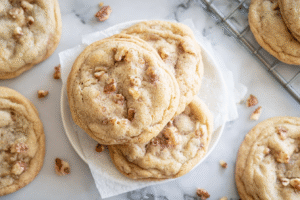
Have you ever found yourself with extra cookie dough and wondered what to do with it? Learning how to freeze cookies is a game-changer for anyone who loves fresh-baked treats. This simple method allows you to enjoy warm cookies anytime without mixing fresh dough every time you crave something sweet.The ability to freeze cookies, whether as dough or already baked, transforms your baking routine from a weekend project into an everyday convenience.
Ease of Preparation
Freezing cookies is remarkably straightforward and requires minimal equipment. You can prepare a large batch of your favorite dough, shape it, and store it for later use. This method saves you valuable time on busy weeknights when you still want homemade treats. When you freeze cookies, you essentially create an instant dessert option that’s ready to bake in minutes.
Health Benefits
Freezing cookies at home gives you complete control over ingredients. You can reduce sugar, add wholesome grains, or incorporate nuts and seeds for added nutrition. Having frozen cookie dough on hand prevents impulse purchases of store-bought cookies loaded with preservatives. Plus, portion control becomes easier when you pre-portion your dough before freezing.
Versatility
This freezing method works with virtually any cookie recipe. Chocolate chip, oatmeal, sugar cookies, and even shortbread freeze beautifully. You can customize your frozen cookies with mix-ins like chocolate chips, dried fruits, or nuts to suit different tastes. The technique also accommodates various dietary needs, including gluten-free and vegan options.
Distinctive Flavor
Many professional bakers swear by chilling cookie dough, as it allows flavors to develop and deepen over time. Freezing takes this a step further, intensifying the taste profile of your cookies. The slower melding of ingredients creates a more complex, rich flavor that simply can’t be achieved with freshly mixed dough. Experts in the baking community often recommend this technique for superior results.
Jump to:
- Why You’ll Love This Freeze Cookies
- Ease of Preparation
- Health Benefits
- Versatility
- Distinctive Flavor
- Essential Ingredients for Freeze Cookies
- Main Ingredients
- Special Dietary Options
- Vegan
- Gluten-free
- Low-calorie
- How to Prepare the Perfect Freeze Cookies: Step-by-Step Guide
- Method 1: Freezing Cookie Dough
- First Step: Prepare Your Dough
- Second Step: Shape Your Dough
- Third Step: Flash Freeze Individual Portions
- Fourth Step: Package for Long-term Storage
- Final Step: Bake from Frozen
- Method 2: Freezing Baked Cookies
- First Step: Cool Completely
- Second Step: Sort by Texture
- Third Step: Prepare for Freezing
- Fourth Step: Layer and Package
- Final Step: Thaw and Enjoy
- Dietary Substitutions to Customize Your Freeze Cookies
- Protein and Main Component Alternatives
- Vegetable, Sauce, and Seasoning Modifications
- Mastering Freeze Cookies: Advanced Tips and Variations
- Pro Cooking Techniques
- Flavor Variations
- Presentation Tips
- Make-ahead Options
- How to Store Freeze Cookies: Best Practices
- Refrigeration
- Freezing
- Reheating
- Meal Prep Considerations
- FAQs: Frequently Asked Questions About Freeze Cookies
- Freeze Cookies
- Ingredients
- Instructions
- Last Step:
- Notes
- Nutrition
- Did you make this recipe?
Essential Ingredients for Freeze Cookies
Before you start your cookie freezing adventure, gather these essential ingredients. Having everything measured and ready will make the process smooth and efficient.
Main Ingredients
2 1/4 cups all-purpose flour – The foundation for most cookies, providing structure
1 teaspoon baking soda – Helps cookies rise and spread properly
1/2 teaspoon salt – Balances sweetness and enhances flavors
1 cup unsalted butter, softened – Creates the rich, tender texture we love
3/4 cup granulated sugar – Sweetness and crisp edges
3/4 cup brown sugar, packed – Moisture, chewiness, and depth of flavor
1 large egg – Binds ingredients together
1 large egg yolk – Extra richness for tender cookies
2 teaspoons vanilla extract – Classic cookie flavor enhancement
2 cups semi-sweet chocolate chips – The star addition for chocolate chip lovers
Special Dietary Options
Vegan
Substitute butter with vegan butter or coconut oil, replace eggs with flax eggs (1 tablespoon ground flaxseed + 3 tablespoons water per egg), and use vegan chocolate chips.
Gluten-free
Replace all-purpose flour with a 1:1 gluten-free flour blend that includes xanthan gum. Ensure all other ingredients are certified gluten-free.
Low-calorie
Use half butter and half Greek yogurt, reduce sugar by one-third, and increase the flour slightly to maintain structure.
How to Prepare the Perfect Freeze Cookies: Step-by-Step Guide
Learning to freeze cookies properly opens up a world of convenience and freshness. Follow these detailed steps to master both methods of cookie preservation.
Method 1: Freezing Cookie Dough
First Step: Prepare Your Dough
Begin by mixing your cookie dough according to your favorite recipe. For the best results when you freeze cookies, mix just until combined. Over-mixing can develop too much gluten, leading to tough cookies. Once mixed, let the dough rest for 10-15 minutes before shaping. This brief rest allows the flour to absorb the liquids fully, making the dough easier to work with.
Second Step: Shape Your Dough
Portion your dough into consistent balls using a cookie scoop or tablespoon. Uniform sizing ensures even baking later. If your recipe calls for flattening the dough with a fork or glass, do this now for sugar cookies, but leave round for drop cookies. For slice-and-bake varieties, form the dough into logs about 2 inches in diameter. Wrap these logs tightly in plastic wrap, smoothing the surface to create an even cylinder.
Third Step: Flash Freeze Individual Portions
Place your shaped cookie dough balls on a parchment-lined baking sheet, leaving space between them. This technique, known as flash freezing, prevents the dough balls from sticking together. Place the baking sheet in the freezer for 1-2 hours until the dough is firm to the touch. Flash freezing is essential when you freeze cookies in individual portions, as it maintains their shape and makes storage more efficient.
Fourth Step: Package for Long-term Storage
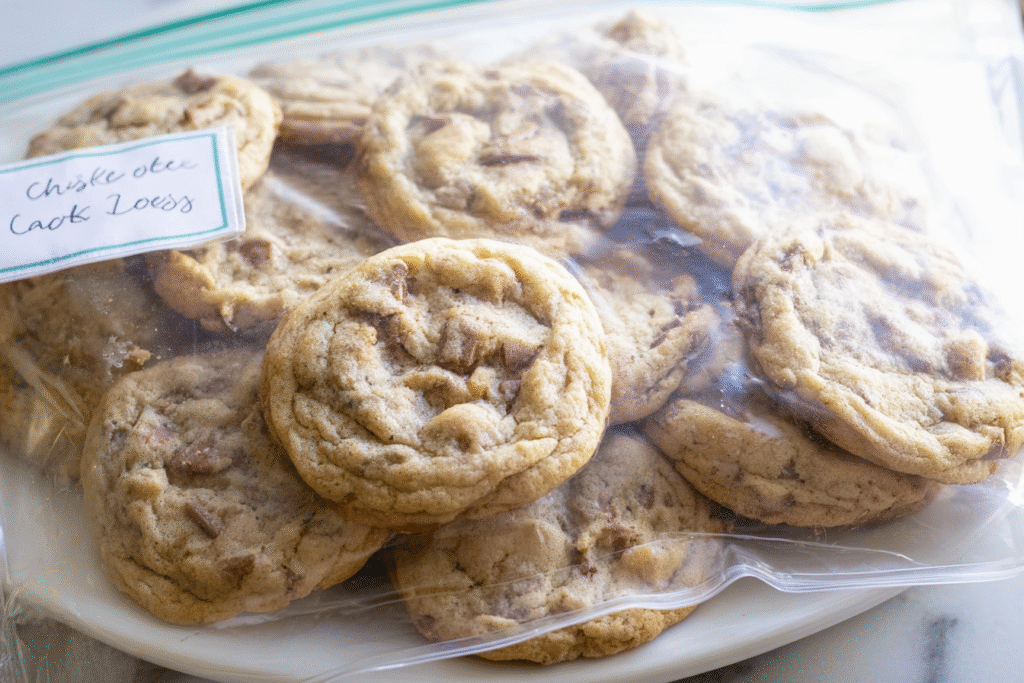
Once frozen, transfer the dough balls to a freezer-safe container or heavy-duty freezer bag. Label with the date, type of cookie, and baking temperature. Remove as much air as possible from bags to prevent freezer burn. For slice-and-bake logs, wrap the plastic-wrapped cylinder in foil or place in a freezer bag. Proper packaging extends the cookie dough freezer time significantly.
Final Step: Bake from Frozen
When ready to bake, preheat your oven according to your recipe. You can place frozen dough balls directly onto your baking sheet and bake, adding 1-2 minutes to the baking time. For slice-and-bake logs, simply slice off as many cookies as you need and return the log to the freezer. No need to thaw beforehand when you freeze cookies this way.
Method 2: Freezing Baked Cookies
First Step: Cool Completely
Allow your freshly baked cookies to cool completely on wire racks. Any remaining warmth will create condensation in your storage container, leading to soggy cookies. This cooling process typically takes 1-2 hours, depending on the cookie type and thickness. Patience here ensures quality preservation.
Second Step: Sort by Texture
Separate your cookies by texture and type before freezing. Crisp cookies store differently than soft, cake-like cookies. Chocolate chip cookies freeze well alongside other similar drop cookies, but delicate wafers or lace cookies need special care. Consider your favorite cookie recipes and how their textures might interact during storage.
Third Step: Prepare for Freezing
Place the cooled cookies in a single layer on a baking sheet and freeze for about 30 minutes. This initial freezing, similar to flash freezing dough, prevents cookies from sticking together in storage. For frosted or decorated cookies, freeze them uncovered first to set the frosting before packaging.
Fourth Step: Layer and Package
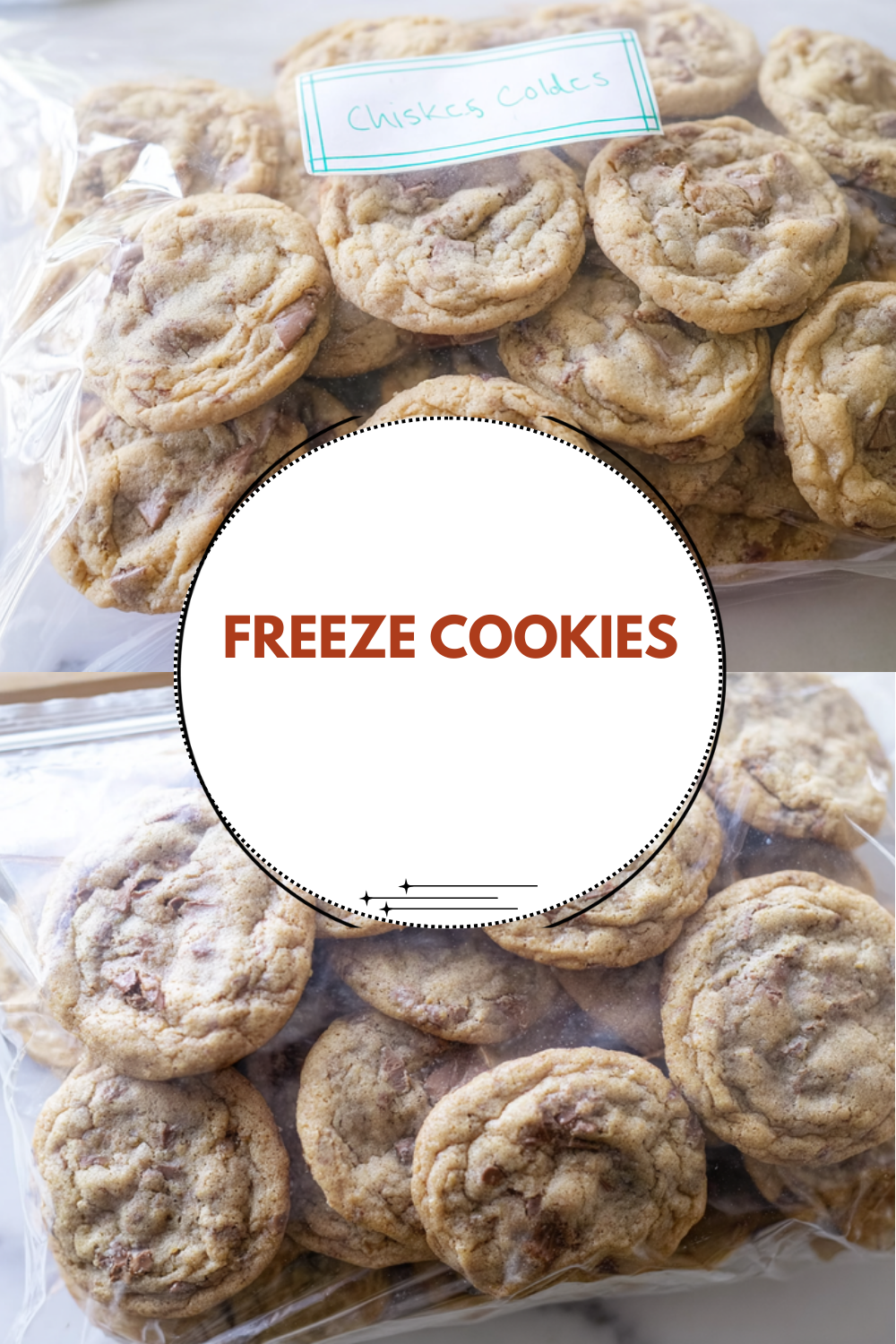
Layer the pre-frozen cookies in freezer-safe containers, placing parchment paper or wax paper between layers to prevent sticking. For crisp cookies, include a small piece of white bread in the container to help absorb moisture. Seal the container tightly, labeling it with contents and date. This method works exceptionally well for various freezer storage needs.
Final Step: Thaw and Enjoy
When ready to eat, remove the desired number of cookies and let them thaw at room temperature for 15-30 minutes. For best results, place them on a wire rack to allow air circulation. Crisp cookies can be refreshed in a 300°F oven for 3-5 minutes to restore their texture. Soft cookies benefit from a quick 10-second microwave heating to restore their chewiness.

Dietary Substitutions to Customize Your Freeze Cookies
Adapting recipes to suit different dietary needs doesn’t mean sacrificing quality or convenience. When you freeze cookies with these substitutions, you can create treats that everyone can enjoy.
Protein and Main Component Alternatives
Traditional recipes rely heavily on butter and wheat flour, but many alternatives work beautifully for freezing. For those avoiding dairy, coconut oil creates a stable texture in frozen dough, though it does add a subtle coconut flavor. Cashew butter offers a neutral alternative while providing healthy fats. Vegan butter substitutes have improved significantly and perform comparably to dairy butter in frozen applications.
For protein enthusiasts, incorporating nut butters like almond or peanut not only adds protein but also creates a denser, more satisfying cookie. Adding two tablespoons of collagen powder or protein powder to your dry ingredients can boost nutritional content without drastically altering texture. These additions actually benefit from the freezing process, which helps distribute flavors more evenly.
Vegetable, Sauce, and Seasoning Modifications
Unexpected ingredients can transform your frozen cookies into nutrient-dense treats. Pureed pumpkin or sweet potato replaces some fat while adding vitamins and fiber. These vegetables particularly shine in recipes with warming spices like cinnamon and nutmeg. When freezing these variations, the moisture content helps prevent ice crystal formation, keeping cookies exceptionally fresh.
For those watching sugar intake, monk fruit sweetener or erythritol can replace traditional sugar without affecting freezing properties. These alternatives maintain their sweetness even after extended freezer storage. Natural applesauce can replace half the butter in many recipes, resulting in a softer, cake-like cookie that freezes remarkably well. The key with any substitution is to test small batches before committing to a full recipe.
Mastering Freeze Cookies: Advanced Tips and Variations
Once you’ve mastered the basics, these advanced techniques will take your frozen cookies to the next level. From professional methods to creative variations, these tips will help you get the most out of your freezer storage.
Pro Cooking Techniques
Professional bakers often age their dough in the refrigerator for 24-72 hours before freezing. This aging process allows enzymes to break down carbohydrates, creating better flavor and browning. The cold temperature also firms the butter, reducing spreading during baking. For best results, shape your dough, wrap it well, and refrigerate before transferring to the freezer for long-term storage.
Another professional trick involves creating a “dough board” in your freezer. Line a baking sheet with parchment and arrange your dough balls in a grid pattern. Freeze until solid, then transfer the entire parchment sheet to a freezer bag. This method keeps your portions perfectly spaced and ready to transfer directly to a baking sheet.
Flavor Variations
Transform a basic chocolate chip dough into multiple flavor profiles before freezing. Divide your dough and add different mix-ins to each portion. Consider dried cranberries and orange zest for a holiday version, or toasted pecans and sea salt for a sophisticated twist. These variations freeze separately, giving you options for every craving.
Infusing your butter before mixing adds subtle complexity. Melt your butter with herbs like lavender or rosemary, then chill until solid before creaming with sugar. These infused butters create unique frozen cookies that develop even more complex flavors during storage.
Presentation Tips
For gift-giving, roll your frozen cookie dough balls in colorful sprinkles, coarse sugar, or crushed nuts before freezing. This creates a professional-looking finished product with minimal effort. The coating protects the dough during storage and adds visual appeal. For slice-and-bake varieties, roll your log in decorations before wrapping for similar effects.
Consider creating themed assortments in your freezer. Keep separate containers for “breakfast cookies” with oats and fruit, “dessert cookies” with chocolate and candy, and “healthier options” with nuts and seeds. This organization makes it easy to grab the perfect treat for any occasion.
Make-ahead Options
Dedicate a weekend to preparing multiple batches of different cookie doughs. Portion and freeze them all at once, creating a “cookie library” in your freezer. This approach maximizes your effort and ensures variety. Label each container clearly with not just the type of cookie, but also the optimal baking temperature and time for quick reference.
For holiday baking, start in October by preparing and freezing your dough. This spreads out the work and ensures fresh cookies throughout the season. Many cookie types actually improve with a month or two in the freezer, as flavors continue to develop over time.
How to Store Freeze Cookies: Best Practices
Proper storage techniques ensure your frozen cookies maintain quality and safety. Understanding the right methods for different scenarios will help you enjoy perfect treats every time.
Refrigeration
While the focus is on freezing, short-term refrigeration has its place. Freshly baked cookies can be refrigerated in airtight containers for up to one week. However, refrigerated cookies tend to dry out faster than frozen ones. If refrigerating, place a piece of white bread in the container to help maintain moisture. The bread releases humidity that keeps cookies soft while absorbing excess moisture that would make them soggy.
Freezing
The ideal freezer temperature for cookies is 0°F (-18°C) or below. At this temperature, most cookie dough maintains quality for 3-6 months, while baked cookies keep well for 2-3 months. Place your cookie storage in the coldest part of the freezer, typically the back, away from the door where temperature fluctuations occur most frequently.
Organize your freezer with the oldest items in front. This rotation system ensures you use cookies before they experience freezer burn. A simple freezer inventory list attached to the door can help track contents and dates. Many home bakers find this system invaluable for managing their baking freezer organization.
Reheating
Reviving frozen baked cookies requires gentle heat to restore texture without drying them out. For soft cookies, a 10-15 second interval in the microwave works perfectly. Crisp cookies benefit from a 300°F oven for 3-5 minutes. This reheating process recreates the fresh-baked experience, making it difficult to distinguish from newly made cookies.
Meal Prep Considerations
Incorporating frozen cookies into meal prep routines saves time throughout the week. Portion dough into sizes appropriate for school lunches, afternoon snacks, or dessert portions. This advance preparation makes packing lunches and planning snacks effortless. Consider making smaller “bite-sized” cookies for portion control, especially helpful when maintaining dietary goals.
FAQs: Frequently Asked Questions About Freeze Cookies
Print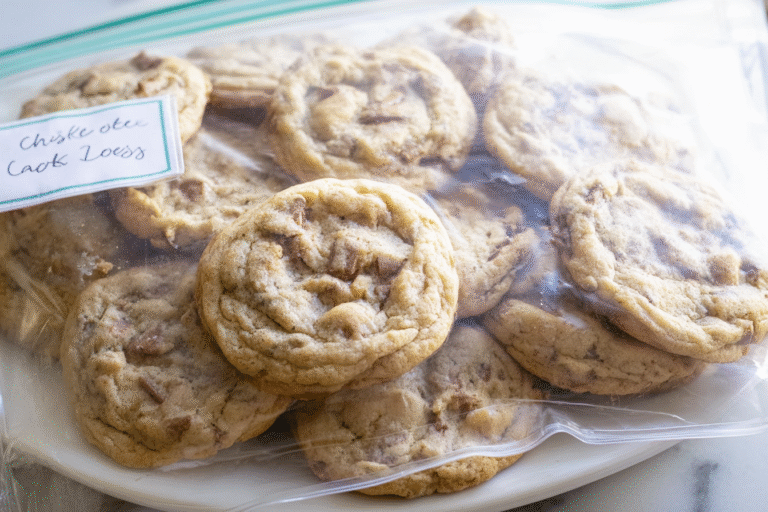
Freeze Cookies
🍪 Preserve your favorite cookies’ freshness for months with these two foolproof freezing methods – bake fresh anytime!
❄️ Save time on busy days by prepping ahead; enjoy warm, chewy cookies straight from the freezer without quality loss.
- Total Time: 2 hours 10 minutes
- Yield: Any quantity
Ingredients
– 2 1/4 cups all-purpose flour providing structure
– 1 teaspoon baking soda for rising and spreading
– 1/2 teaspoon salt for balancing sweetness and enhancing flavors
– 1 cup unsalted butter, softened for rich tender texture
– 3/4 cup granulated sugar for sweetness and crisp edges
– 3/4 cup brown sugar, packed for moisture chewiness and depth of flavor
– 1 large egg for binding ingredients
– 1 large egg yolk for extra richness
– 2 teaspoons vanilla extract for flavor enhancement
– 2 cups semi-sweet chocolate chips the star addition
Instructions
1-First Step: Prepare Your Dough Begin by mixing your cookie dough according to your favorite recipe. For the best results when you freeze cookies, mix just until combined. Over-mixing can develop too much gluten, leading to tough cookies. Once mixed, let the dough rest for 10-15 minutes before shaping. This brief rest allows the flour to absorb the liquids fully, making the dough easier to work with.
2-Second Step: Shape Your Dough Portion your dough into consistent balls using a cookie scoop or tablespoon. Uniform sizing ensures even baking later. If your recipe calls for flattening the dough with a fork or glass, do this now for sugar cookies, but leave round for drop cookies. For slice-and-bake varieties, form the dough into logs about 2 inches in diameter. Wrap these logs tightly in plastic wrap, smoothing the surface to create an even cylinder.
3-Third Step: Flash Freeze Individual Portions Place your shaped cookie dough balls on a parchment-lined baking sheet, leaving space between them. This technique, known as flash freezing, prevents the dough balls from sticking together. Place the baking sheet in the freezer for 1-2 hours until the dough is firm to the touch. Flash freezing is essential when you freeze cookies in individual portions, as it maintains their shape and makes storage more efficient.
4-Fourth Step: Package for Long-term Storage Once frozen, transfer the dough balls to a freezer-safe container or heavy-duty freezer bag. Label with the date, type of cookie, and baking temperature. Remove as much air as possible from bags to prevent freezer burn. For slice-and-bake logs, wrap the plastic-wrapped cylinder in foil or place in a freezer bag. Proper packaging extends the cookie dough freezer time significantly.
5-Final Step: Bake from Frozen When ready to bake, preheat your oven according to your recipe. You can place frozen dough balls directly onto your baking sheet and bake, adding 1-2 minutes to the baking time. For slice-and-bake logs, simply slice off as many cookies as you need and return the log to the freezer. No need to thaw beforehand when you freeze cookies this way.
6-First Step: Cool Completely Allow your freshly baked cookies to cool completely on wire racks. Any remaining warmth will create condensation in your storage container, leading to soggy cookies. This cooling process typically takes 1-2 hours, depending on the cookie type and thickness. Patience here ensures quality preservation.
7-Second Step: Sort by Texture Separate your cookies by texture and type before freezing. Crisp cookies store differently than soft, cake-like cookies. Chocolate chip cookies freeze well alongside other similar drop cookies, but delicate wafers or lace cookies need special care. Consider your favorite cookie recipes and how their textures might interact during storage.
8-Third Step: Prepare for Freezing Place the cooled cookies in a single layer on a baking sheet and freeze for about 30 minutes. This initial freezing, similar to flash freezing dough, prevents cookies from sticking together in storage. For frosted or decorated cookies, freeze them uncovered first to set the frosting before packaging.
9-Fourth Step: Layer and Package Layer the pre-frozen cookies in freezer-safe containers, placing parchment paper or wax paper between layers to prevent sticking. For crisp cookies, include a small piece of white bread in the container to help absorb moisture. Seal the container tightly, labeling it with contents and date. This method works exceptionally well for various freezer storage needs.
10-Final Step: Thaw and Enjoy When ready to eat, remove the desired number of cookies and let them thaw at room temperature for 15-30 minutes. For best results, place them on a wire rack to allow air circulation. Crisp cookies can be refreshed in a 300°F oven for 3-5 minutes to restore their texture. Soft cookies benefit from a quick 10-second microwave heating to restore their chewiness.
Last Step:
Please leave a rating and comment letting us know how you liked this recipe! This helps our business to thrive and continue providing free, high-quality recipes for you.Notes
❄️ Always flash-freeze first on a sheet to prevent sticking.
📝 Label bags with bake instructions and date for easy reference.
🕒 For best texture, use within 2-3 months; dough freezes better than baked.
- Prep Time: 10 minutes
- Flash Freeze: 2 hours
- Category: Baking Guide
- Method: Freezing
Nutrition
- Serving Size: N/A
- Calories: Varies
- Sugar: Varies
- Sodium: Varies
- Fat: Varies
- Saturated Fat: Varies
- Unsaturated Fat: Varies
- Trans Fat: Varies
- Carbohydrates: Varies
- Fiber: Varies
- Protein: Varies
- Cholesterol: Varies