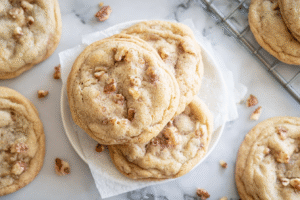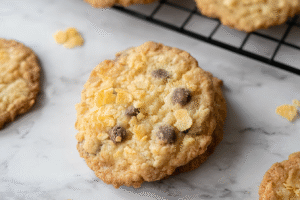

Why You’ll Love This Coconut Cookies
Ease of preparation
This coconut cookie recipe is designed with busy home cooks in mind. With just 10 minutes of prep time and common pantry ingredients, you can have delicious cookies in the oven in no time. The straightforward method requires no special equipment or advanced baking skills, making it perfect for beginners and experienced bakers alike.
Health benefits
Coconut offers numerous health advantages, including medium-chain triglycerides that may support metabolism and heart health. These coconut cookies provide dietary fiber and essential minerals like manganese and copper. When made with quality ingredients, they can be a satisfying treat that aligns with various wellness goals.
Versatility
This recipe adapts beautifully to different dietary needs and preferences. Whether you’re looking for vegan, gluten-free, or lower sugar options, you can easily modify the base recipe without sacrificing taste or texture. It’s also a canvas for creative additions like chocolate chips, nuts, or dried fruits.
Distinctive flavor
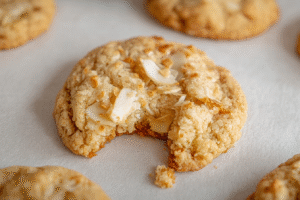
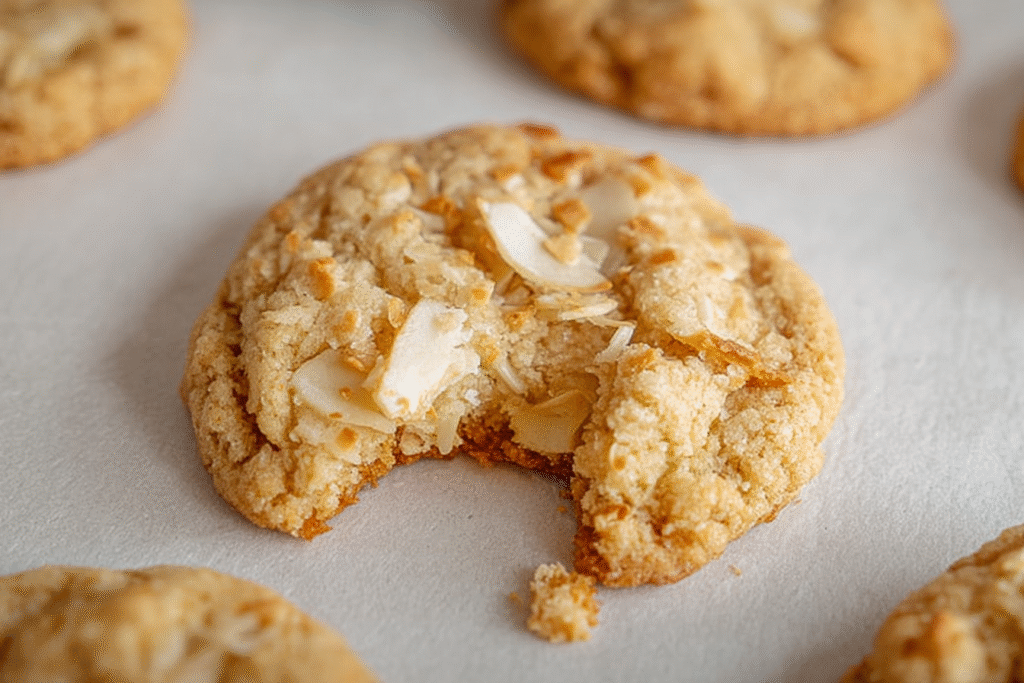
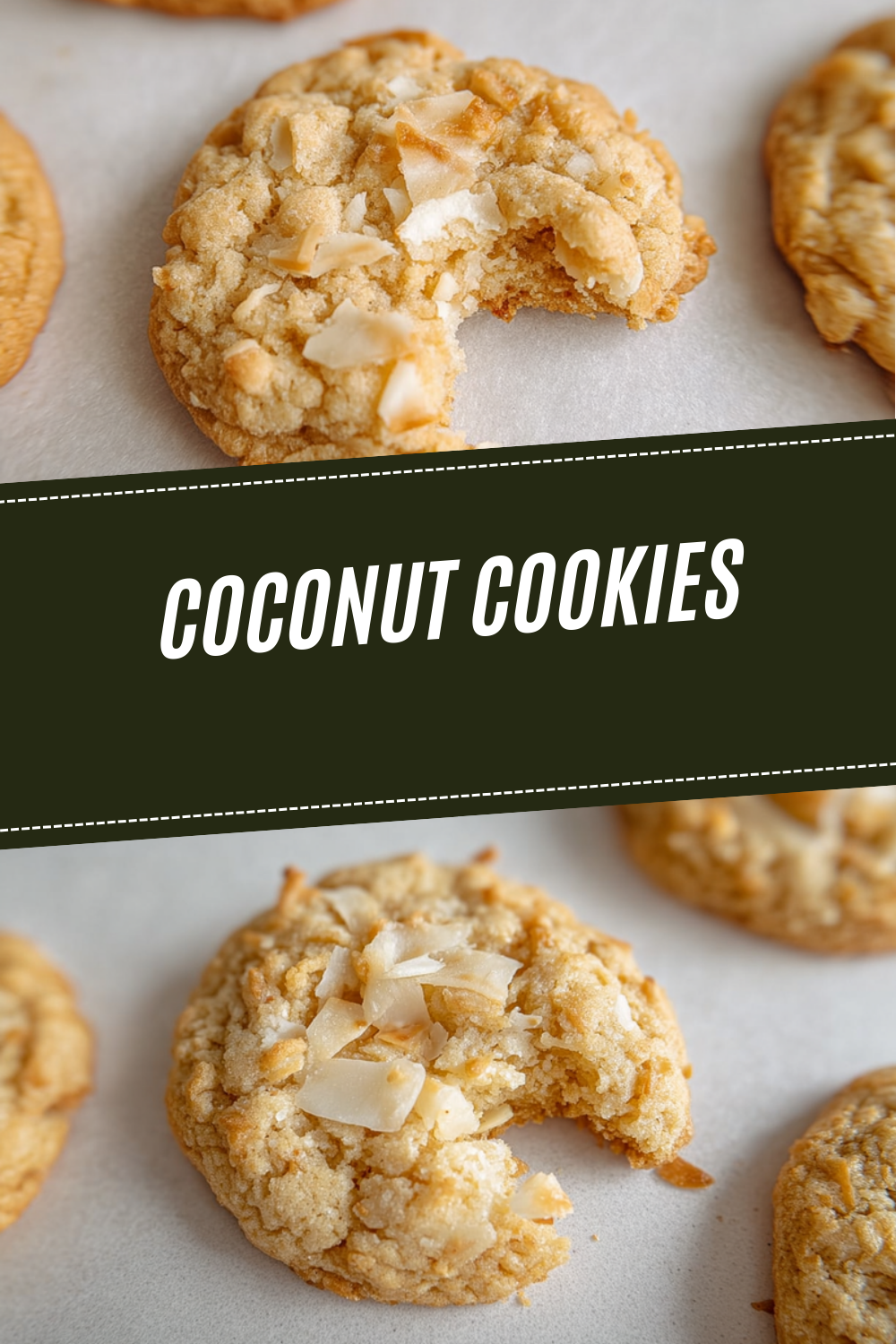
The natural sweetness and tropical aroma of coconut creates a unique flavor profile that stands out among other cookie varieties. The combination of toasted coconut notes with a buttery base delivers a satisfying texture experience crispy edges with a chewy center that keeps people coming back for more.
Jump to:
- Why You’ll Love This Coconut Cookies
- Ease of preparation
- Health benefits
- Versatility
- Distinctive flavor
- Essential Ingredients for Coconut Cookies
- Main Ingredients
- Special Dietary Options
- Vegan
- Gluten-free
- Low-calorie
- How to Prepare the Perfect Coconut Cookies: Step-by-Step Guide
- First Step: Preparation and Mise en Place
- Second Step: Creaming the Butter and Sugar
- Third Step: Adding Eggs and Flavoring
- Fourth Step: Incorporating Dry Ingredients
- Fifth Step: Folding in Coconut
- Sixth Step: Shaping the Cookies
- Seventh Step: Baking to Perfection
- Final Step: Cooling and Serving
- Dietary Substitutions to Customize Your Coconut Cookies
- Protein and Main Component Alternatives
- Vegetable, Sauce, and Seasoning Modifications
- Mastering Coconut Cookies: Advanced Tips and Variations
- Pro cooking techniques
- Flavor variations
- Presentation tips
- Make-ahead options
- How to Store Coconut Cookies: Best Practices
- Refrigeration
- Freezing
- Reheating
- Meal prep considerations
- FAQs: Frequently Asked Questions About Coconut Cookies
- How do you make simple coconut cookies at home?
- What ingredients are needed for chewy coconut cookies?
- Can you make coconut cookies vegan?
- How long do homemade coconut cookies stay fresh?
- Why are my coconut cookies flat and how to fix it?
- Coconut Cookies
- Ingredients
- Instructions
- Last Step:
- Notes
- Nutrition
- Did you make this recipe?
Essential Ingredients for Coconut Cookies
Main Ingredients
- ½ cup unsalted butter (room temperature) – Provides richness and helps create the perfect texture
- ¾ cup granulated sugar – Sweetens the cookies and contributes to their structure
- 1 large egg – Binds the ingredients together and adds moisture
- 1 tsp vanilla extract – Enhances the overall flavor profile
- 1 cup all-purpose flour – Forms the base structure of the cookie
- ½ tsp baking powder – Helps the cookies rise and develop a light texture
- ¼ tsp salt – Balances sweetness and enhances other flavors
- 1 ½ cups sweetened shredded coconut – The star ingredient providing distinctive flavor and texture
Special Dietary Options
Vegan
- ½ cup coconut oil (solid) instead of butter
- ¾ cup coconut sugar
- 1 flax egg (1 tbsp ground flax + 3 tbsp water, set for 5 minutes)
Gluten-free
- 1 cup gluten-free flour blend instead of all-purpose flour
- Ensure all other ingredients are certified gluten-free
Low-calorie
- Use ½ cup butter and ¼ cup unsweetened applesauce
- Substitute ½ cup sugar with a calorie-free sweetener
- Use unsweetened shredded coconut
coconut cookie recipes from professional bakers often include these same essential ingredients with slight variations for unique flavors.
How to Prepare the Perfect Coconut Cookies: Step-by-Step Guide
First Step: Preparation and Mise en Place
Begin by preheating your oven to 350°F (175°C). Line a baking sheet with parchment paper to prevent sticking and ensure easy cleanup. Gather all your ingredients, ensuring the butter is at room temperature for easy creaming. Measure all ingredients precisely using kitchen scales or proper measuring cups. This preparation step sets the foundation for successful coconut cookies.
Second Step: Creaming the Butter and Sugar
In a medium bowl, cream together the softened butter and sugar until the mixture becomes light and fluffy. This process typically takes 2-3 minutes with an electric mixer or 4-5 minutes by hand. The creaming action incorporates air into the batter, which helps create a lighter texture in the final cookies. For a richer flavor, consider using brown sugar for half of the sugar amount.
Third Step: Adding Eggs and Flavoring
Beat in the egg and vanilla extract until well combined. The egg adds structure and moisture to the cookies, while vanilla enhances the overall flavor profile. If you’re adding any additional flavorings like almond extract or coconut extract, this is the time to include them. Make sure to scrape down the sides of the bowl to ensure all ingredients are fully incorporated.
Fourth Step: Incorporating Dry Ingredients
In a separate bowl, whisk together the flour, baking powder, and salt. Gradually add this dry mixture to the wet ingredients, mixing on low speed or folding gently by hand. Stop mixing as soon as the flour is just incorporated to avoid developing too much gluten, which could make the cookies tough. The dough will be thick but pliable.
Fifth Step: Folding in Coconut
Add the shredded coconut to the dough and fold it in gently using a spatula or wooden spoon. Ensure the coconut is evenly distributed throughout the dough for consistent flavor in every cookie. For added texture, consider toasting the coconut in a dry pan for 2-3 minutes before adding it to the dough. This step intensifies the coconut flavor and adds a delightful nutty note.
Sixth Step: Shaping the Cookies
Scoop tablespoon-sized portions of dough and roll them into balls. Place them on the prepared baking sheet, leaving about 2 inches of space between each cookie to allow for spreading. If you prefer thinner, crispier cookies, gently flatten the balls with the palm of your hand or the bottom of a glass. For thicker, chewier cookies, leave them as rounded balls.
Seventh Step: Baking to Perfection
Bake the cookies for 10-12 minutes, or until the edges are lightly golden while the centers remain slightly soft. The cookies will continue to set as they cool on the baking sheet. Watch them carefully during the last few minutes, as coconut can brown quickly. For evenly baked cookies, rotate the baking sheet halfway through the cooking time.
Final Step: Cooling and Serving
Allow the cookies to cool on the baking sheet for 5 minutes before transferring them to a wire rack to cool completely. This resting period helps them firm up and develop their final texture. Once completely cool, store them in an airtight container or serve immediately for the ultimate fresh-baked experience. These coconut cookies pair wonderfully with a cup of tea or a glass of cold milk.
Pro tip: For perfectly uniform cookies, use a cookie scoop rather than a spoon to portion the dough. This ensures each cookie bakes evenly and looks professionally made.

Dietary Substitutions to Customize Your Coconut Cookies
Protein and Main Component Alternatives
For those seeking different protein sources or working with ingredient availability, several substitutions work well in coconut cookies. If avoiding eggs, you can use a flax egg (1 tablespoon ground flaxseed meal with 3 tablespoons water), a chia egg (same ratio as flax), or commercial egg replacers. For a protein boost, consider adding a tablespoon of chia seeds or hemp hearts directly to the dough. Those with dairy restrictions can substitute butter with coconut oil, which actually enhances the coconut flavor profile. Nut butters like almond or cashew butter can replace half of the butter for added richness and protein, though this will slightly alter the texture.
Vegetable, Sauce, and Seasoning Modifications
While traditional coconut cookies don’t typically include vegetables, creative bakers can incorporate zucchini or carrots for added moisture and nutrients when shredded finely. For flavor variations, consider adding citrus zest (lemon or orange complements coconut beautifully), a pinch of sea salt flakes on top, or warm spices like cinnamon, cardamom, or nutmeg. For sauce-like additions, a drizzle of coconut caramel or chocolate ganache after baking transforms simple cookies into an elegant dessert. Seasonal adaptations might include adding pumpkin spice in autumn or dried cranberries during the holiday season. For those watching sugar intake, stevia or monk fruit sweeteners can replace granulated sugar, though you may need to adjust the liquid ingredients slightly to maintain the proper dough consistency.
For those interested in the nutritional aspects of coconut cookies, coconut cookie nutrition information can help you make informed decisions about ingredients and portion sizes.
Mastering Coconut Cookies: Advanced Tips and Variations
Pro cooking techniques
For bakery-quality results, chill your dough for at least 30 minutes before baking. This step minimizes spreading and creates a thicker, chewier cookie with better flavor development. When measuring flour, use the spoon-and-level method rather than dipping the measuring cup directly into the flour, which can lead to packing and dense cookies. Toast your coconut before adding it to the dough for a deeper, more complex flavor profile. If your oven has hot spots, rotate the baking sheet halfway through baking to ensure even cooking. For perfectly uniform cookies, use a cookie scoop rather than a spoon to portion the dough.
Flavor variations
Transform your basic coconut cookies by incorporating different mix-ins. Chocolate chip coconut cookies are a classic combination that never disappoints, while adding macadamia nuts creates a tropical paradise flavor profile. For a sophisticated twist, try adding white chocolate and lime zest, or dip half of each cooled cookie in dark chocolate. Espresso powder (1-2 teaspoons) intensifies the chocolate flavor if you’re adding chocolate chips, while cardamom and orange zest create an exotic variation. Dried fruits like pineapple or mango work wonderfully for tropical-inspired cookies. For a savory-sweet option, add bacon bits and maple extract for a breakfast-inspired cookie.
Presentation tips
Elevate the appearance of your coconut cookies with simple techniques. Create an attractive pattern by pressing a fork into the tops of the cookie balls before baking. For a gourmet touch, roll the edges of the cookie dough balls in additional coconut before baking. Once cooled, drizzle with melted chocolate or dust with powdered sugar for an elegant finish. If serving for a special occasion, sandwich two cookies together with a layer of frosting or jam. For gift-giving, package in clear bags tied with colorful ribbon or arrange in a decorative tin with parchment paper between layers.
Make-ahead options
Save time by preparing the dough in advance and refrigerating it for up to 3 days or freezing for up to 3 months. If freezing, shape the dough into balls and freeze on a baking sheet before transferring to a freezer bag. You can bake frozen cookie balls directly, adding 1-2 minutes to the baking time. Baked cookies also freeze beautifully cool completely, then store in a freezer-safe container with parchment between layers for up to 3 months. This makes coconut cookies perfect for holiday baking or unexpected guests. For quick snacking, portion the dough into individual servings before freezing for grab-and-bake convenience.
Check out our collection of easy baking tips for beginners to help you master these techniques and become more confident in the kitchen.
How to Store Coconut Cookies: Best Practices
Refrigeration
While coconut cookies can be stored at room temperature, refrigeration can extend their freshness, especially in warmer climates or humid conditions. Place cooled cookies in an airtight container with parchment paper between layers to prevent sticking. They will maintain their texture for 7-10 days when refrigerated. Before serving, allow them to come to room temperature for about 15 minutes to restore their softness and full flavor. For best results, keep them away from strong-smelling foods in the refrigerator, as the coconut can absorb odors.
Freezing
For long-term storage, freezing is your best option. Place completely cooled cookies in a freezer-safe container or zip-top bag with parchment between layers. They will maintain quality for up to 3 months. Alternatively, freeze unbaked cookie balls on a baking sheet, then transfer to a freezer bag once solid. Bake from frozen, adding 1-2 minutes to the cooking time. This method allows you to enjoy fresh-baked cookies without the full preparation process. For optimal texture, thaw frozen baked cookies at room temperature rather than in the microwave.
Reheating
When reheating cookies, the goal is to restore that fresh-baked warmth without drying them out. For the best results, place room-temperature cookies on a baking sheet in a 300°F (150°C) oven for 5-7 minutes. Alternatively, microwave for 8-10 seconds for a quick warm-up. For toaster ovens, reduce the temperature to 275°F (135°C) and monitor closely to prevent burning. Never refrigerate warm cookies, as condensation will make them soggy. If you prefer a softer texture, place a slice of bread in the container with the cookies the moisture transfers to the cookies, keeping them tender.
Meal prep considerations
Coconut cookies are excellent for batch cooking and meal prep. Double or triple the recipe and freeze portions for future use. Consider making two variations from one batch add chocolate chips to half and dried fruit to the other to increase variety with minimal additional effort. Label containers with the date and any special ingredients for easy identification. For school lunches or work snacks, individually wrap cookies in plastic wrap before freezing for grab-and-go convenience. When planning meal prep around cookies, bake on a day when you’re already using the oven for other meals to maximize energy efficiency.
FAQs: Frequently Asked Questions About Coconut Cookies
How do you make simple coconut cookies at home?
What ingredients are needed for chewy coconut cookies?
Can you make coconut cookies vegan?
How long do homemade coconut cookies stay fresh?
Why are my coconut cookies flat and how to fix it?
Coconut Cookies
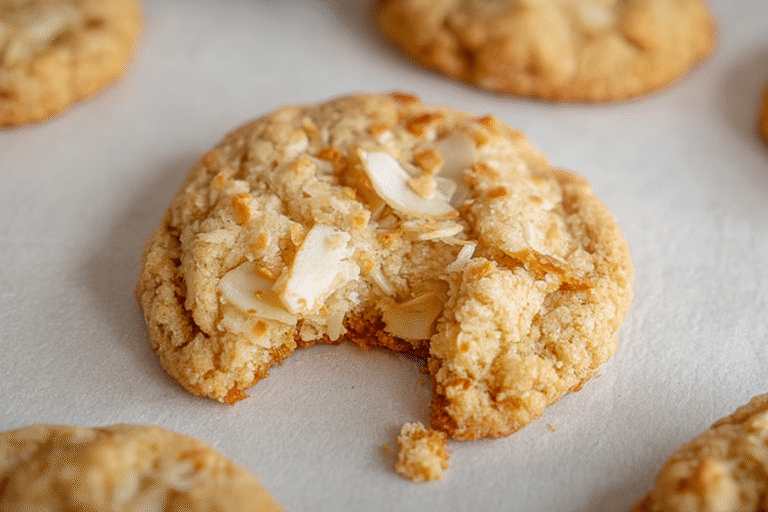
🥥🍪 Revel in tropical sweetness with chewy, golden coconut cookies – simple pantry-staple recipe bursting with flaky coconut flavor!
✨🥄 Effortless mix-and-bake delight, perfect for tea time, holidays, or gluten-free twists – crispy edges, soft centers every time!
- Total Time: 42 minutes
- Yield: 30 cookies
Ingredients
– ½ cup unsalted butter (room temperature) Provides richness and helps create the perfect texture
– ¾ cup granulated sugar Sweetens the cookies and contributes to their structure
– 1 large egg Binds the ingredients together and adds moisture
– 1 tsp vanilla extract Enhances the overall flavor profile
– 1 cup all-purpose flour Forms the base structure of the cookie
– ½ tsp baking powder Helps the cookies rise and develop a light texture
– ¼ tsp salt Balances sweetness and enhances other flavors
– 1 ½ cups sweetened shredded coconut The star ingredient providing distinctive flavor and texture
Instructions
1-First Step: Preparation and Mise en Place Begin by preheating your oven to 350°F (175°C). Line a baking sheet with parchment paper to prevent sticking and ensure easy cleanup. Gather all your ingredients, ensuring the butter is at room temperature for easy creaming. Measure all ingredients precisely using kitchen scales or proper measuring cups. This preparation step sets the foundation for successful coconut cookies.
2-Second Step: Creaming the Butter and Sugar In a medium bowl, cream together the softened butter and sugar until the mixture becomes light and fluffy. This process typically takes 2-3 minutes with an electric mixer or 4-5 minutes by hand. The creaming action incorporates air into the batter, which helps create a lighter texture in the final cookies. For a richer flavor, consider using brown sugar for half of the sugar amount.
3-Third Step: Adding Eggs and Flavoring Beat in the egg and vanilla extract until well combined. The egg adds structure and moisture to the cookies, while vanilla enhances the overall flavor profile. If you’re adding any additional flavorings like almond extract or coconut extract, this is the time to include them. Make sure to scrape down the sides of the bowl to ensure all ingredients are fully incorporated.
4-Fourth Step: Incorporating Dry Ingredients In a separate bowl, whisk together the flour, baking powder, and salt. Gradually add this dry mixture to the wet ingredients, mixing on low speed or folding gently by hand. Stop mixing as soon as the flour is just incorporated to avoid developing too much gluten, which could make the cookies tough. The dough will be thick but pliable.
5-Fifth Step: Folding in Coconut Add the shredded coconut to the dough and fold it in gently using a spatula or wooden spoon. Ensure the coconut is evenly distributed throughout the dough for consistent flavor in every cookie. For added texture, consider toasting the coconut in a dry pan for 2-3 minutes before adding it to the dough. This step intensifies the coconut flavor and adds a delightful nutty note.
6-Sixth Step: Shaping the Cookies Scoop tablespoon-sized portions of dough and roll them into balls. Place them on the prepared baking sheet, leaving about 2 inches of space between each cookie to allow for spreading. If you prefer thinner, crispier cookies, gently flatten the balls with the palm of your hand or the bottom of a glass. For thicker, chewier cookies, leave them as rounded balls.
7-Seventh Step: Baking to Perfection Bake the cookies for 10-12 minutes, or until the edges are lightly golden while the centers remain slightly soft. The cookies will continue to set as they cool on the baking sheet. Watch them carefully during the last few minutes, as coconut can brown quickly. For evenly baked cookies, rotate the baking sheet halfway through the cooking time.
8-Final Step: Cooling and Serving Allow the cookies to cool on the baking sheet for 5 minutes before transferring them to a wire rack to cool completely. This resting period helps them firm up and develop their final texture. Once completely cool, store them in an airtight container or serve immediately for the ultimate fresh-baked experience. These coconut cookies pair wonderfully with a cup of tea or a glass of cold milk.
Last Step:
Please leave a rating and comment letting us know how you liked this recipe! This helps our business to thrive and continue providing free, high-quality recipes for you.Notes
🥥 Toast coconut lightly before mixing for enhanced nutty flavor.
❄️ Chill dough 15 minutes for cookies that hold shape better.
🍪 Press extra coconut on tops before baking for beautiful, crunchy finish.
- Prep Time: 15 minutes
- Chilling: 15 minutes
- Cook Time: 12 minutes
- Category: Desserts
- Method: Baked
- Cuisine: American
- Diet: Vegetarian
Nutrition
- Serving Size: 1 cookie
- Calories: 130 kcal
- Sugar: 12g
- Sodium: 70mg
- Fat: 7g
- Saturated Fat: 5g
- Unsaturated Fat: 1.5g
- Trans Fat: 0g
- Carbohydrates: 15g
- Fiber: 1g
- Protein: 1g
- Cholesterol: 15mg