
Why You’ll Love This Chocolate Cookie Recipe
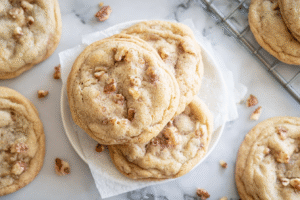
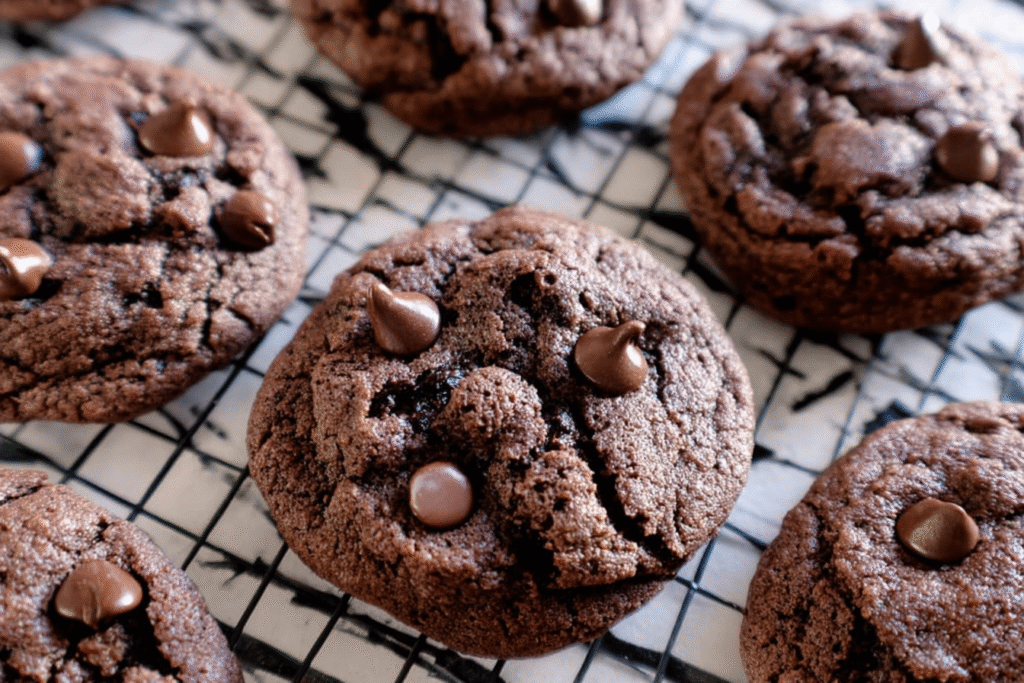
Looking for the perfect chocolate cookie recipe that combines simplicity with exceptional flavor? This soft chewy chocolate cookies recipe delivers everything you want in a homemade treat. Whether you’re a beginner baker or an experienced home cook, this recipe offers a delightful baking experience with delicious results.Baking brings joy to the kitchen and creates wonderful memories to share with loved ones around the table.What makes this cookie recipe special: * Ease of preparation: This recipe comes together quickly with straightforward steps. With just 15 minutes of prep time, you can have these cookies in the oven without any complex techniques or special equipment. The instructions are clear and simple, making it accessible for bakers of all skill levels. * Health benefits: While cookies are certainly an indulgence, this recipe includes quality ingredients like eggs and nuts (optional) that provide protein and nutrients. The chocolate chips contain antioxidants, and by controlling the ingredients yourself, you avoid preservatives and artificial additives found in store-bought alternatives. * Versatility: This soft cookie recipe easily adapts to various dietary needs. You can make them vegan, gluten-free, or adjust the sweetness level to your preference. The basic dough works as a canvas for endless variations, allowing you to customize based on what you have in your pantry. * Distinctive flavor: The combination of brown and granulated sugars creates a caramel-like depth, while the vanilla extract enhances the overall taste profile. These chewy cookies feature perfectly crisp edges with soft, tender centers a texture combination that makes them irresistible to cookie lovers of all ages.
Jump to:
- Why You’ll Love This Chocolate Cookie Recipe
- Essential Ingredients for Chocolate Cookie Recipe
- Main Ingredients
- Special Dietary Options
- How to Prepare the Perfect Chocolate Cookie Recipe: Step-by-Step Guide
- Preparation Phase
- Mixing the Dough
- Adding Mix-ins and Baking
- Dietary Substitutions to Customize Your Chocolate Cookie Recipe
- Protein and Main Component Alternatives
- Vegetable, Sauce, and Seasoning Modifications
- Mastering Chocolate Cookie Recipe: Advanced Tips and Variations
- Pro Cooking Techniques
- Flavor Variations
- Presentation Tips
- Make-Ahead Options
- How to Store Chocolate Cookie Recipe: Best Practices
- Refrigeration and Room Temperature Storage
- Freezing Options
- Reheating Guidelines
- FAQs: Frequently Asked Questions About Chocolate Cookie Recipe
- What ingredients are needed for a classic chocolate chip cookie recipe?
- How long and at what temperature do you bake chocolate chip cookies?
- Why are my chocolate chip cookies flat and how can I fix it?
- Can you make chocolate chip cookies without eggs?
- How do you store homemade chocolate chip cookies to keep them fresh?
- Chocolate Cookie Recipe
- Ingredients
- Instructions
- Last Step:
- Notes
- Nutrition
- Did you make this recipe?
Essential Ingredients for Chocolate Cookie Recipe
The key to creating the perfect soft chewy chocolate cookies lies in using quality ingredients in the right proportions. Each component plays a specific role in the final texture and taste of your cookies. Here’s everything you’ll need for this best chocolate cookies recipe:Main Ingredients
- 2 1/4 cups all-purpose flour – The structure-building foundation that gives cookies their shape and body
- 1 tsp baking soda – The leavening agent that helps cookies rise and spread properly
- 1 tsp salt – Enhances flavor and balances the sweetness
- 1 cup unsalted butter (softened) – Provides richness, moisture, and helps create the perfect texture
- 3/4 cup granulated sugar – Creates a crisp exterior and aids in spreading
- 3/4 cup packed brown sugar – Adds moisture and contributes to the chewy texture
- 1 tsp vanilla extract – Provides depth of flavor and aromatic qualities
- 2 large eggs – Bind ingredients together and add structure
- 2 cups semisweet chocolate chips – Deliver rich chocolate flavor throughout each bite
- 1 cup chopped nuts (optional) – Add crunch and additional protein
Special Dietary Options
| Dietary Need | Substitutions |
|---|---|
| Vegan | Replace eggs with 1/4 cup unsweetened applesauce per egg; use plant-based butter; ensure chocolate chips are dairy-free |
| Gluten-free | Use a 1:1 gluten-free flour blend; verify all other ingredients are certified gluten-free |
| Low-calorie | Reduce sugar by 25% and add a sugar substitute like stevia; use half the amount of chocolate chips |
How to Prepare the Perfect Chocolate Cookie Recipe: Step-by-Step Guide
Following this easy chocolate cookie recipe will help you create consistently delicious soft cookies with minimal effort. Let’s break down the process into manageable steps that ensure success every time you bake.Preparation Phase
First Step: Begin by preheating your oven to 375°F (190°C) and preparing your baking sheets. Line them with parchment paper or silicone baking mats for easy cleanup and to prevent sticking. Proper oven temperature is crucial for achieving the right texture in your chewy chocolate cookie recipe. Second Step: Measure all ingredients precisely before starting. Whisk together the flour, baking soda, and salt in a medium bowl. This ensures even distribution of the leavening agent throughout your cookies. Remember to spoon flour into your measuring cup and level it with a knife rather than scooping directly, which can compact the flour and lead to dense cookies.Mixing the Dough
Third Step: In a large bowl, cream together the softened butter, granulated sugar, and brown sugar until the mixture is light and fluffy (approximately 3-5 minutes). This process creates air pockets in the dough, resulting in lighter cookies. The butter should be at room temperature for proper creaming not melted or rock hard. Fourth Step: Add the eggs one at a time, beating well after each addition. Then mix in the vanilla extract. This step helps emulsify the ingredients and adds moisture to the dough. For extra flavor, consider adding a pinch of sea salt to enhance the chocolate taste. Fifth Step: Gradually add the dry flour mixture to the wet ingredients, mixing on low speed or by hand just until combined. Be careful not to overmix, which can develop gluten and make your cookies tough rather than tender. A few streaks of flour remaining is preferable to overmixing.Adding Mix-ins and Baking
Sixth Step: Fold in the semisweet chocolate chips and chopped nuts (if using) using a spatula. This distributes them evenly without breaking the chips. For a gourmet touch, consider using a combination of different chocolate types or adding a teaspoon of espresso powder to intensify the chocolate flavor. Seventh Step: Drop rounded tablespoons of dough onto the prepared baking sheets, spacing them about 2 inches apart to allow for spreading. For uniform cookies, use a cookie scoop. If you prefer thicker cookies, chill the dough for 30 minutes before baking. Eighth Step: Bake for 9-11 minutes at 375°F (190°C). The cookies are done when the edges are golden brown but the centers still look slightly underbaked. This technique ensures soft centers with crisp edges. For chewier cookies, bake at 350°F for 12-14 minutes instead. Final Step: Allow the cookies to cool on the baking sheet for 2 minutes before transferring them to a wire rack to cool completely. This short cooling period helps them set without continuing to cook. Serve warm for an extra special treat, or store for later enjoyment.
Dietary Substitutions to Customize Your Chocolate Cookie Recipe
One of the greatest advantages of this chocolate cookie recipe is its adaptability to various dietary preferences and restrictions. With a few simple substitutions, you can create delicious cookies that meet your specific needs without sacrificing flavor or texture.Protein and Main Component Alternatives
For those looking to modify the protein content or work with ingredient availability, several excellent options exist. Instead of the traditional all-purpose flour, consider using whole wheat flour for added fiber and nutrients, though this may result in a slightly denser texture. Almond flour provides a nutty flavor and protein boost while creating a more tender crumb. Oat flour adds fiber and a subtle flavor that pairs beautifully with chocolate. If you need to replace the eggs, several effective alternatives exist. Each egg can be substituted with 1/4 cup of unsweetened applesauce, mashed banana, or plain yogurt. These options maintain moisture and binding properties while making the cookies egg-free. For a protein-rich alternative, try using flax eggs (1 tablespoon ground flaxseed mixed with 3 tablespoons water per egg). For butter substitutions, coconut oil works well and adds a subtle coconut flavor, while plant-based butter sticks provide a similar texture and taste to dairy butter. These alternatives affect the final texture slightly but still produce delicious results.Vegetable, Sauce, and Seasoning Modifications
While traditional chocolate cookies don’t typically contain vegetables, creative bakers have found ways to incorporate them for added nutrition. Grated zucchini or pureed pumpkin can replace some of the fat while adding moisture and vitamins. These additions work best when reduced slightly to prevent making the dough too wet. For those looking to add different flavor profiles, several sauce and seasoning modifications work wonderfully. A tablespoon of molasses can replace some of the brown sugar for a deeper, more complex flavor. Adding spices like cinnamon, nutmeg, or cardamom creates a spiced variation that pairs exceptionally well with chocolate.This healthy dessert approach allows you to enjoy treats while aligning with your nutritional goals. Consider adding orange or peppermint extract for a seasonal twist that transforms this classic recipe into something special.
Mastering Chocolate Cookie Recipe: Advanced Tips and Variations
Once you’ve mastered the basic chewy chocolate cookie recipe, these advanced techniques and creative variations will help you elevate your baking game and impress friends and family with bakery-quality results at home.Pro Cooking Techniques
Temperature control makes a significant difference in cookie texture. For cookies with thicker centers and crispier edges, try freezing the dough balls for 15 minutes before baking. This technique solidifies the fat, causing the cookies to spread less and maintain their shape better in the oven. For even more control, try baking cookies at a lower temperature (325°F) for a longer time (12-15 minutes) to achieve uniform doneness throughout. The method of incorporating ingredients affects the final texture significantly. For cookies with more lift and a lighter texture, beat the butter and sugar mixture for 4-5 minutes until it becomes pale and significantly increased in volume. This incorporates more air bubbles into the dough, resulting in a cakier cookie. Conversely, for denser, fudgier cookies, minimize creaming time and gently mix ingredients just until combined.Flavor Variations
Chocolate chip cookies offer endless possibilities for customization. Consider using a combination of chocolate types mixing semisweet with dark and white chocolate chips creates a complex flavor profile. For adult versions, adding 2 tablespoons of coffee or espresso powder intensifies the chocolate flavor without adding a coffee taste. A teaspoon of cinnamon or a pinch of cayenne pepper adds warmth and depth that makes these cookies memorable. Extract variations provide an easy way to transform the flavor profile entirely. Replace the vanilla extract with almond extract for a nutty undertone, or use peppermint extract for a refreshing twist. Lemon or orange extract pairs surprisingly well with chocolate, creating a bright, citrusy variation perfect for summer gatherings.Presentation Tips
Transform your cookies from delicious to impressive with simple presentation techniques. While still warm, press additional chocolate chips into the tops of the cookies for a professional appearance. For bakery-style presentation, sprinkle sea salt flakes over the cookies immediately after removing them from the oven the contrast of salty and sweet is irresistible.Make-Ahead Options
For busy schedules, this dough freezer exceptionally well. Portion the dough into individual balls and freeze on a baking sheet before transferring to a freezer bag. These frozen dough balls can go directly from freezer to oven, adding just 1-2 minutes to the baking time. This method allows you to have freshly baked cookies with minimal effort whenever the craving strikes.How to Store Chocolate Cookie Recipe: Best Practices
Proper storage ensures your soft cookies remain delicious for as long as possible. Following these guidelines will help you maintain the perfect texture and flavor whether storing for a few days or several months.Refrigeration and Room Temperature Storage
For short-term storage (up to 5 days), keep your cookies in an airtight container at room temperature. Layer them between sheets of parchment paper to prevent sticking. To maintain optimal softness, add a slice of white bread to the container the bread absorbs excess moisture and keeps cookies soft and chewy for up to a week. Replace the bread slice every 2-3 days for best results. Refrigeration is generally not recommended for chocolate cookies, as the colder temperature can cause them to dry out more quickly and may cause the chocolate chips to develop a whitish appearance known as bloom. While still safe to eat, refrigerated cookies lose some of their appealing texture.Freezing Options
For long-term storage (2-3 months), freezing is your best option. Freeze baked cookies by placing them in a single layer on a baking sheet until solid, then transferring to a freezer-safe bag or container. For the best experience, thaw frozen cookies at room temperature for about 30 minutes before serving. To refresh them, warm briefly in a 300°F oven for 3-5 minutes. For the freshest taste, freeze cookie dough instead of baked cookies. Portion dough into individual balls, freeze on a tray, then transfer to a freezer bag. These dough balls keep for up to 3 months and can be baked directly from the freezer, adding just 1-2 minutes to the baking time. This method ensures you always have freshly baked cookies with minimal preparation.Reheating Guidelines
To restore that just-baked texture, place cookies in a 300°F oven for 3-5 minutes. This revitalizes the cookies, melting the chocolate slightly and refreshing the exterior. For microwave reheating, wrap cookies in a damp paper towel and heat for 10-15 seconds, though this method may affect the texture slightly more than oven reheating.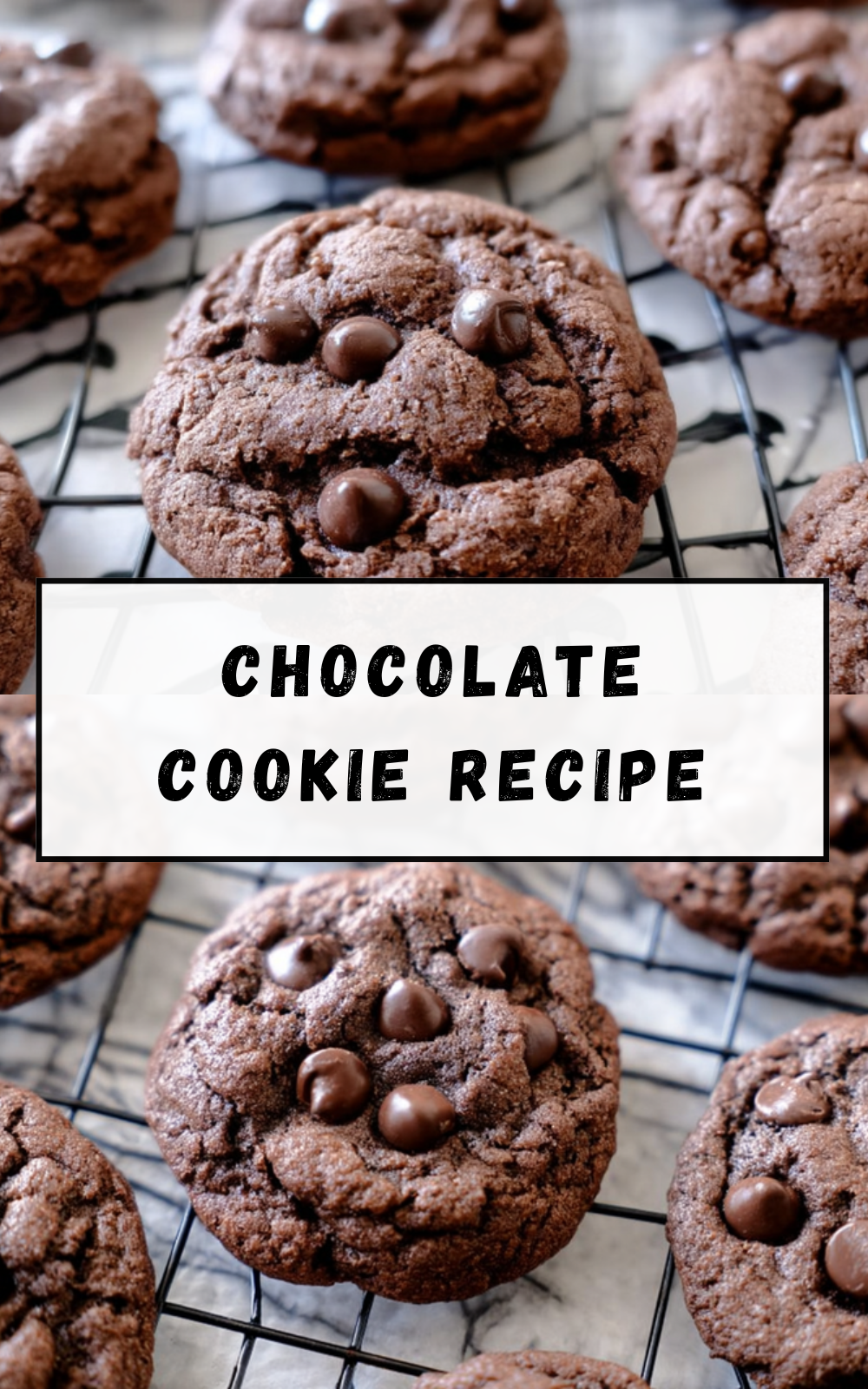
FAQs: Frequently Asked Questions About Chocolate Cookie Recipe
What ingredients are needed for a classic chocolate chip cookie recipe?
How long and at what temperature do you bake chocolate chip cookies?
Why are my chocolate chip cookies flat and how can I fix it?
Can you make chocolate chip cookies without eggs?
How do you store homemade chocolate chip cookies to keep them fresh?
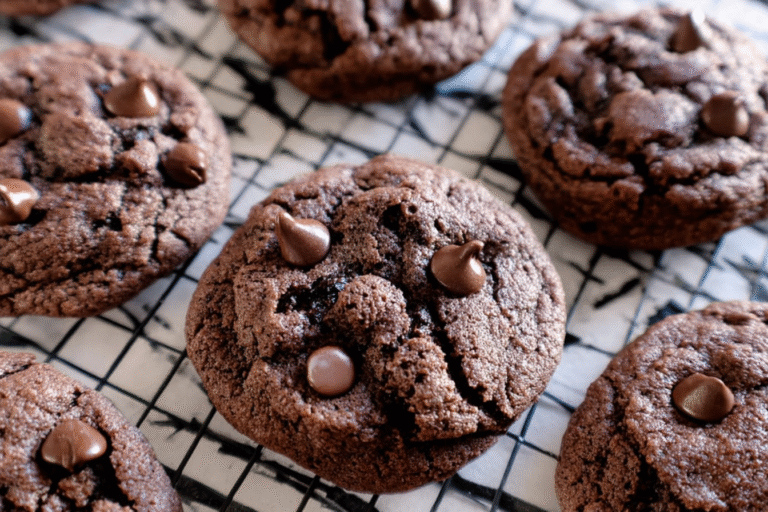
Chocolate Cookie Recipe
🍫 Irresistibly soft and chewy chocolate cookies with rich cocoa flavor and fudgy centers – chocolate lover’s dream!
🌟 Simple pantry staples yield bakery-quality results; great for gifting or impromptu treats.
- Total Time: 55 minutes
- Yield: 36 cookies
Ingredients
– 2 1/4 cups all-purpose flour for structure-building foundation
– 1 tsp baking soda for leavening
– 1 tsp salt for enhancing flavor
– 1 cup unsalted butter (softened) for richness, moisture, and texture
– 3/4 cup granulated sugar for crisp exterior and spreading
– 3/4 cup packed brown sugar for moisture and chewy texture
– 1 tsp vanilla extract for depth of flavor
– 2 large eggs for binding and structure
– 2 cups semisweet chocolate chips for rich chocolate flavor
– 1 cup chopped nuts (optional) for crunch and additional protein
Instructions
1-First Step: Begin by preheating your oven to 375°F (190°C) and preparing your baking sheets. Line them with parchment paper or silicone baking mats for easy cleanup and to prevent sticking. Proper oven temperature is crucial for achieving the right texture in your chewy chocolate cookie recipe.
2-Second Step: Measure all ingredients precisely before starting. Whisk together the flour, baking soda, and salt in a medium bowl. This ensures even distribution of the leavening agent throughout your cookies. Remember to spoon flour into your measuring cup and level it with a knife rather than scooping directly, which can compact the flour and lead to dense cookies.
3-Third Step: In a large bowl, cream together the softened butter, granulated sugar, and brown sugar until the mixture is light and fluffy (approximately 3-5 minutes). This process creates air pockets in the dough, resulting in lighter cookies. The butter should be at room temperature for proper creaming not melted or rock hard.
4-Fourth Step: Add the eggs one at a time, beating well after each addition. Then mix in the vanilla extract. This step helps emulsify the ingredients and adds moisture to the dough. For extra flavor, consider adding a pinch of sea salt to enhance the chocolate taste.
5-Fifth Step: Gradually add the dry flour mixture to the wet ingredients, mixing on low speed or by hand just until combined. Be careful not to overmix, which can develop gluten and make your cookies tough rather than tender. A few streaks of flour remaining is preferable to overmixing.
6-Sixth Step: Fold in the semisweet chocolate chips and chopped nuts (if using) using a spatula. This distributes them evenly without breaking the chips. For a gourmet touch, consider using a combination of different chocolate types or adding a teaspoon of espresso powder to intensify the chocolate flavor.
7-Seventh Step: Drop rounded tablespoons of dough onto the prepared baking sheets, spacing them about 2 inches apart to allow for spreading. For uniform cookies, use a cookie scoop. If you prefer thicker cookies, chill the dough for 30 minutes before baking.
8-Eighth Step: Bake for 9-11 minutes at 375°F (190°C). The cookies are done when the edges are golden brown but the centers still look slightly underbaked. This technique ensures soft centers with crisp edges. For chewier cookies, bake at 350°F for 12-14 minutes instead.
9-Final Step: Allow the cookies to cool on the baking sheet for 2 minutes before transferring them to a wire rack to cool completely. This short cooling period helps them set without continuing to cook. Serve warm for an extra special treat, or store for later enjoyment.
Last Step:
Please leave a rating and comment letting us know how you liked this recipe! This helps our business to thrive and continue providing free, high-quality recipes for you.Notes
❄️ Chill dough for thicker, chewier cookies that hold shape.
🍫 Don’t overbake – soft centers firm as they cool.
🥄 Use a cookie scoop for uniform size and perfect portions.
- Prep Time: 15 minutes
- Chill: 30 minutes
- Cook Time: 10 minutes
- Category: Dessert
- Method: Baking
- Cuisine: American
- Diet: Vegetarian
Nutrition
- Serving Size: 1 cookie
- Calories: 150 calories
- Sugar: 15g
- Sodium: 110mg
- Fat: 8g
- Saturated Fat: 5g
- Unsaturated Fat: 2g
- Trans Fat: 0g
- Carbohydrates: 20g
- Fiber: 2g
- Protein: 2g
- Cholesterol: 25mg