Why You’ll Love This Buttercream Frosting
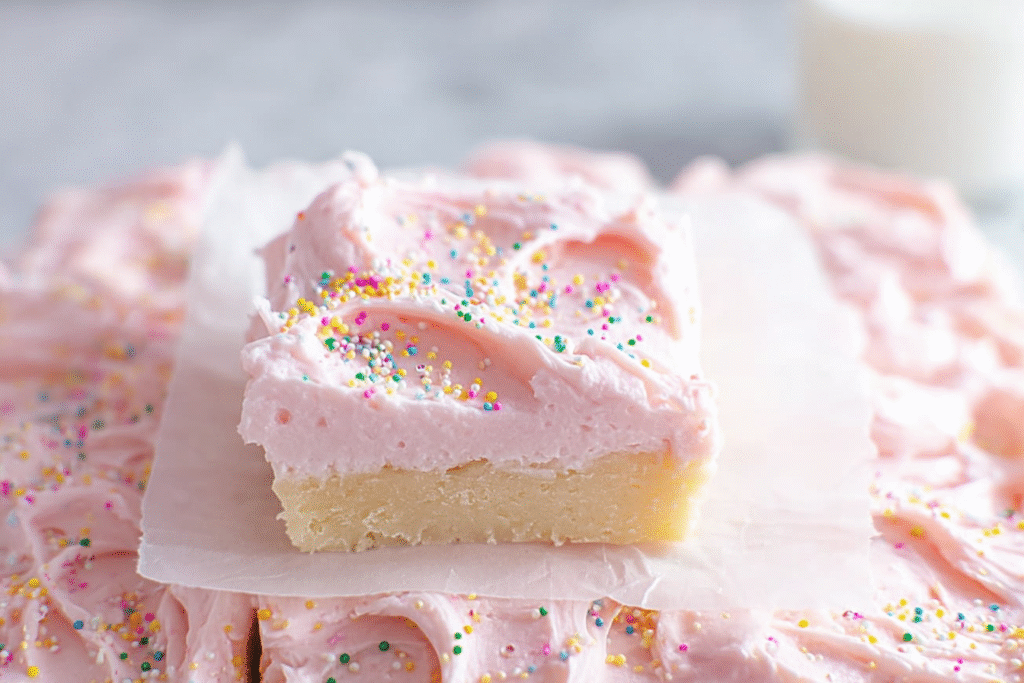
If you have ever baked a cake, you know the frosting can make or break the final result. A truly great Buttercream Frosting strikes the perfect balance between sweetness and rich flavor, transforming a simple sponge into a decadent dessert. This easy vanilla buttercream frosting recipe is designed for bakers of all skill levels, offering a professional finish without the stress. Whether you are preparing a birthday cake for a child or an elegant tiered cake for a wedding, this vanilla buttercream provides a sturdy yet smooth canvas for your creativity.- Ease of preparation: This buttercream recipe is incredibly straightforward, requiring just a few minutes of active prep time. You do not need fancy equipment or culinary school training to achieve a bakery-quality result. With ingredients you likely already have in your pantry, you can whip up a batch of cake frosting in under ten minutes.
- Health benefits: While frosting is certainly a treat, making it at home allows you to control the ingredients. By using high-quality butter and pure vanilla extract, you avoid the artificial preservatives and hydrogenated oils often found in store-bought tubs. You can also adjust the sugar levels to suit your taste, making this a simple buttercream frosting for beginners that feels less cloying.
- Versatility: One of the best aspects of American buttercream is its adaptability. This recipe serves as a blank canvas that works beautifully for cupcakes, layer cakes, and even cookies. It holds its shape well for piping intricate borders yet remains soft enough for a smooth spatula finish.
- Distinctive flavor: Unlike heavy fondant or overly sweet glazes, this perfect buttercream frosting for cakes offers a creamy, melt-in-your-mouth texture. The high butter content ensures a luxurious mouthfeel, while the vanilla provides a warm, aromatic finish that pairs well with almost any cake flavor, from chocolate to lemon.
Jump to:
- Why You’ll Love This Buttercream Frosting
- Essential Ingredients for Buttercream Frosting
- Main Ingredients
- Special Dietary Options
- How to Prepare the Perfect Buttercream Frosting: Step-by-Step Guide
- Preparation and Mise en Place
- Mixing the Base
- Incorporating Sugar and Flavor
- Achieving the Perfect Consistency
- Final Touches and Serving
- Dietary Substitutions to Customize Your Buttercream Frosting
- Protein and Main Component Alternatives
- Vegetable, Sauce, and Seasoning Modifications
- Mastering Buttercream Frosting: Advanced Tips and Variations
- Pro Cooking Techniques
- Flavor Variations
- Presentation Tips
- Make-Ahead Options
- How to Store Buttercream Frosting: Best Practices
- Refrigeration
- Freezing
- Reheating and Meal Prep Considerations
- FAQs: Frequently Asked Questions About Buttercream Frosting
- What is buttercream frosting?
- How do you make buttercream frosting at home?
- Why is my buttercream frosting grainy and how do I fix it?
- How long does buttercream frosting last and how should I store it?
- What’s the difference between American buttercream and Swiss meringue buttercream?
- Buttercream Frosting
- Ingredients
- Instructions
- Last Step:
- Notes
- Nutrition
- Did you make this recipe?
Essential Ingredients for Buttercream Frosting
To achieve the best results with this easy vanilla buttercream frosting recipe, it is crucial to use the right ingredients in the correct proportions. The quality of your components directly impacts the texture and taste of your best buttercream icing recipe. Below is a detailed breakdown of what you need to create this delicious topping.Main Ingredients
1 cup unsalted butter, softened to room temperature – Butter is the foundation of buttercream frosting, providing structure and rich flavor. Using unsalted butter allows you to control the sodium level precisely. 4 cups powdered sugar, also known as confectioners’ sugar – This provides sweetness and the thick structure needed for the frosting to hold its shape. Sifting it first is key to avoiding lumps. 2 teaspoons pure vanilla extract – This adds the classic aroma and depth of flavor that defines a high-quality vanilla buttercream. 2 to 4 tablespoons heavy cream or whole milk – Liquid is necessary to thin the mixture to a spreadable consistency. Heavy cream adds richness, while milk makes it slightly lighter. 1/4 teaspoon salt – A pinch of salt cuts through the sweetness of the sugar and balances the flavors, making the buttercream recipe taste more complex.Special Dietary Options
- Vegan: To make this dairy-free, substitute the unsalted butter with a high-quality vegan butter block (not tub margarine, as it contains too much water). Use heavy coconut cream or almond milk instead of dairy cream.
- Gluten-free: Great news, American buttercream is naturally gluten-free as long as your powdered sugar is certified gluten-free to avoid cross-contamination during processing.
- Low-calorie: While traditional cake frosting is calorie-dense, you can reduce the sugar by replacing half of the powdered sugar with a granulated erythritol-based sweetener designed for baking.
How to Prepare the Perfect Buttercream Frosting: Step-by-Step Guide
Creating a smooth and silky how to make buttercream frosting tutorial is all about technique and patience. The process relies heavily on the temperature of your ingredients and the speed of your mixing. Follow these detailed instructions to ensure your simple buttercream frosting for beginners turns out perfect every time.Preparation and Mise en Place
Before you start mixing, proper preparation is essential. Ensure your butter is truly at room temperature, about 65 to 70 degrees Fahrenheit. If it is too cold, it will not incorporate air properly, resulting in a dense frosting. If it is too warm, the vanilla buttercream will become soupy and unable to hold its shape. Measure out all your ingredients beforehand. Sift the powdered sugar into a separate bowl to remove any hard lumps. This simple step saves you from frustration later and guarantees a lump-free texture.Mixing the Base
Cut the softened butter into cubes and place it in the bowl of a stand mixer fitted with the paddle attachment. You can also use a large bowl and a hand mixer, though a stand mixer makes the job easier. Beat the butter on medium speed for about 3 to 5 minutes. You want the butter to become pale and creamy. This process aerates the butter, which is the secret to a fluffy buttercream frosting. Scrape down the sides and bottom of the bowl with a rubber spatula to ensure all the butter is being evenly whipped.Incorporating Sugar and Flavor
Turn the mixer to the lowest speed to prevent a cloud of sugar from flying out of the bowl. Gradually add the sifted powdered sugar, one cup at a time. Let each cup mix in completely before adding the next. Once all the sugar is incorporated, the mixture will look thick and crumbly. Do not worry, this is normal. Add the vanilla extract and the salt. At this stage, if you are making chocolate cake frosting, you would also add cocoa powder here.Achieving the Perfect Consistency
With the mixer still on low, slowly pour in 2 tablespoons of heavy cream or milk. Once the liquid is absorbed, increase the speed to medium-high and whip the frosting for another 3 to 5 minutes. This step is critical as it whips air into the mixture, making it light and white. Check the consistency. If the easy vanilla buttercream frosting recipe is too stiff for spreading, add more cream, one teaspoon at a time. If it is too thin, add a little more powdered sugar.Final Touches and Serving
Once the frosting is smooth, fluffy, and spreadable, give it a final taste test. Adjust the salt or vanilla if needed. If you plan to color your buttercream frosting, add gel food coloring at this stage. Gel coloring is preferred over liquid because it will not alter the consistency of the frosting. Your perfect buttercream frosting for cakes is now ready to use. You can spread it immediately with an offset spatula or transfer it to a piping bag fitted with your favorite tip for decorating.For visual learners, watching a professional decorator in action can be incredibly helpful. Check out this quick and almost professional buttercream icing tutorial to see the technique in motion.

Dietary Substitutions to Customize Your Buttercream Frosting
One of the joys of baking at home is the ability to tailor recipes to fit specific dietary needs or personal preferences. This buttercream frosting is highly adaptable, allowing you to create a delicious topping that everyone can enjoy.Protein and Main Component Alternatives
The primary component in American buttercream is, of course, butter. However, you can swap this out for different bases. For a dairy-free version, vegan butter sticks work remarkably well. Look for brands with a higher fat content to mimic the structure of dairy butter. Another alternative is coconut oil, but this will significantly alter the flavor profile, adding a distinct coconut taste and potentially making the frosting melt faster at room temperature. For those looking to reduce saturated fats, you can try a 50/50 mix of butter and a white vegetable shortening. This yields a frosting that is brighter in white and more stable in warm weather, though it may lack the depth of flavor found in an all-butter buttercream recipe.Vegetable, Sauce, and Seasoning Modifications
While this recipe focuses on vanilla, you can easily modify the seasonings and add-ins to create entirely new flavors. For a fruit variation, reduce the cream slightly and add a tablespoon of fruit preserves or puree. Raspberry or strawberry puree pairs beautifully with vanilla for a fruity cake frosting. For a mocha flavor, dissolve a teaspoon of instant espresso powder in the cream before adding it to the mixer. You can also experiment with different extracts, such as almond, lemon, or maple, to complement the specific cake you are decorating. Spices like cinnamon or nutmeg can be added during the fall season for a warm, comforting twist on the classic vanilla buttercream.Mastering Buttercream Frosting: Advanced Tips and Variations
Once you have mastered the basic how to make buttercream frosting technique, you might want to refine your skills or try something new. These expert tips will help you achieve a bakery-quality finish and troubleshoot common issues.Pro Cooking Techniques
Temperature control is the most advanced technique in making simple buttercream frosting for beginners and experts alike. If your kitchen is very warm, the butter can separate or become too soft. To combat this, place your mixing bowl in the refrigerator for 10 minutes halfway through the mixing process. Conversely, if your mixture looks curdled or greasy, it might be because the ingredients are too cold. Warm the bottom of the bowl slightly with a hair dryer or a towel soaked in hot water, then whip on high speed until it comes back together. This “seizing” and smoothing out is actually a common part of making more complex Swiss meringue buttercream, but can happen with American styles if ingredients are not the same temperature.Flavor Variations
While vanilla is a classic, do not be afraid to experiment. For a rich chocolate buttercream, sift ½ cup of unsweetened cocoa powder with the powdered sugar, or pour in 4 ounces of cooled, melted chocolate. For a salted caramel version, swap out the cream for room-temperature salted caramel sauce. This creates a gooey, salty-sweet buttercream frosting that is perfect for autumn cakes. You can also fold in crushed cookies, sprinkles, or chopped nuts at the very end for a fun “funfetti” or “cookies and cream” texture.Presentation Tips
Getting a smooth finish on a cake requires a good turntable and a bench scraper. Apply a thin “crumb coat” of best buttercream icing recipe first to lock in the loose crumbs, then chill the cake for 20 minutes. Apply the final layer of frosting and use the scraper held at a 45-degree angle against the cake while spinning the turntable to smooth the sides. For the top, use the angled spatula to sweep toward the center, removing excess frosting.Make-Ahead Options
Buttercream frosting is excellent for meal prep. You can make it up to two weeks in advance and store it in the refrigerator. This is a huge time-saver for party planning. You can also pipe frosting onto parchment paper-lined trays and freeze them. When you are ready to serve, simply pick up the frozen swirl and place it onto your cupcakes. It thaws quickly and looks perfectly fresh.How to Store Buttercream Frosting: Best Practices
Proper storage ensures your easy vanilla buttercream frosting recipe remains fresh and safe to eat. Because this recipe contains dairy, it requires specific handling to maintain its quality and texture over time.Refrigeration
If you are not using the frosting immediately, store it in an airtight container in the refrigerator. It will keep well for up to two weeks. Before using refrigerated vanilla buttercream, let it come to room temperature. It will likely look separated and curdled do not panic. Simply place it back in the mixer and beat on medium-high speed with a splash of cream until it becomes smooth and fluffy again. You can also store frosted cakes in the fridge. Place the cake in a cake box to prevent it from absorbing odors from other foods. Cold cake frosting is firm, which makes it great for transporting, but it should be served at room temperature for the best flavor and texture.Freezing
For long-term storage, freezing is an excellent option. Scoop the buttercream frosting into a heavy-duty freezer bag. Squeeze out all the air and flatten the bag. This shape allows it to thaw quickly and saves freezer space. Label the bag with the date and flavor. It can be frozen for up to three months. To thaw, move the bag to the refrigerator overnight, then let it sit on the counter until it reaches room temperature before re-whipping.Reheating and Meal Prep Considerations
Technically, you do not “reheat” American buttercream, but rather you bring it to room temperature and re-whip it. Never microwave the frosting to soften it, as the butter will melt and separate, ruining the emulsion. When meal prepping for large events, consider making your frosting in bulk. You can freeze different colored batches in separate bags so you are ready to decorate without the mess of mixing multiple colors on the day of the event. Always use a clean spoon when scooping frosting to prevent introducing bacteria that could shorten its shelf life.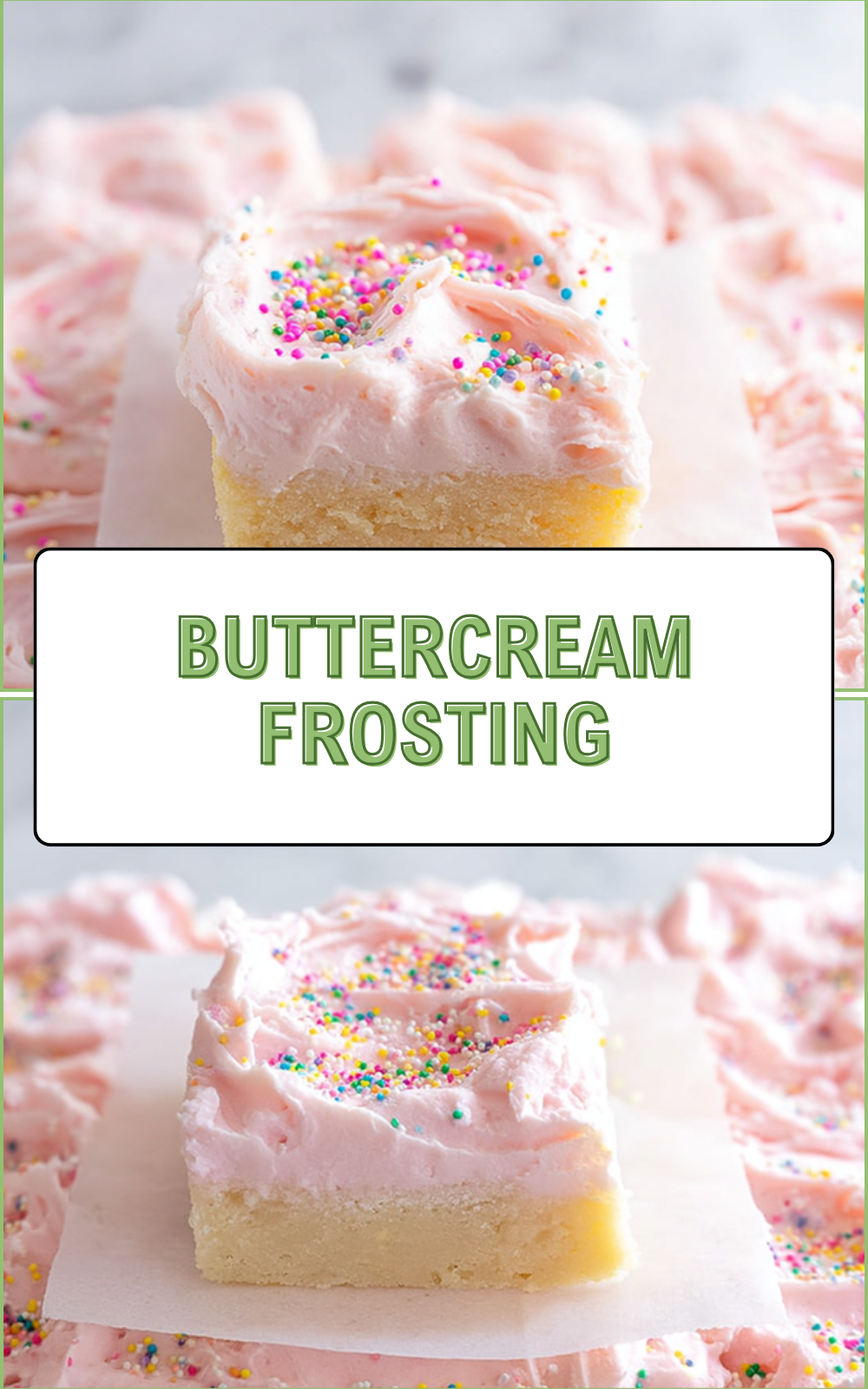
FAQs: Frequently Asked Questions About Buttercream Frosting
What is buttercream frosting?
How do you make buttercream frosting at home?
Why is my buttercream frosting grainy and how do I fix it?
How long does buttercream frosting last and how should I store it?
What’s the difference between American buttercream and Swiss meringue buttercream?
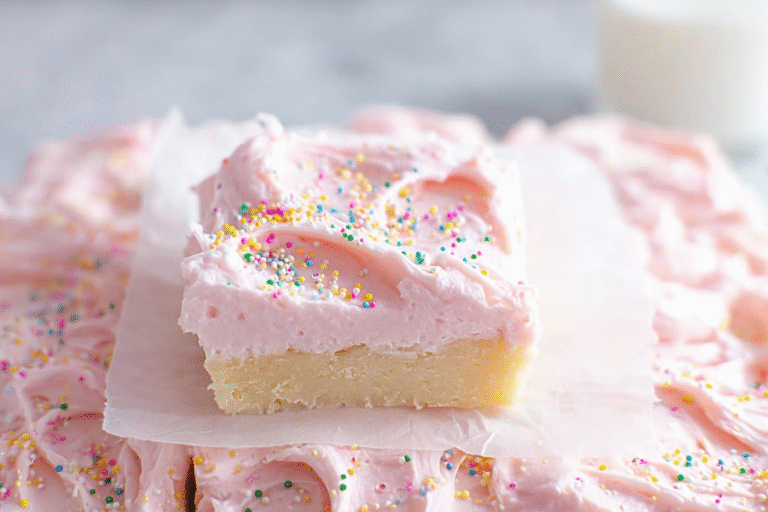
Buttercream Frosting
🍰 Silky-smooth vanilla buttercream frosting that pipes beautifully and tastes like bakery perfection on any cake!
🧈 Quick 5-minute prep with stable texture for decorating – versatile base for adding flavors or colors effortlessly.
- Total Time: 5 minutes
- Yield: 3 cups (enough for 24 cupcakes)
Ingredients
– 1 cup unsalted butter, softened to room temperature for structure and rich flavor
– 4 cups powdered sugar, also known as confectioners’ sugar for sweetness and thick structure
– 2 teaspoons pure vanilla extract for aroma and depth of flavor
– 2 to 4 tablespoons heavy cream or whole milk for spreadable consistency
– 1/4 teaspoon salt for balancing flavors
Instructions
1-Preparation and Mise en Place: Before you start mixing, proper preparation is essential. Ensure your butter is truly at room temperature, about 65 to 70 degrees Fahrenheit. If it is too cold, it will not incorporate air properly, resulting in a dense frosting. If it is too warm, the vanilla buttercream will become soupy and unable to hold its shape. Measure out all your ingredients beforehand. Sift the powdered sugar into a separate bowl to remove any hard lumps. This simple step saves you from frustration later and guarantees a lump-free texture.
2-Mixing the Base: Cut the softened butter into cubes and place it in the bowl of a stand mixer fitted with the paddle attachment. You can also use a large bowl and a hand mixer, though a stand mixer makes the job easier. Beat the butter on medium speed for about 3 to 5 minutes. You want the butter to become pale and creamy. This process aerates the butter, which is the secret to a fluffy buttercream frosting. Scrape down the sides and bottom of the bowl with a rubber spatula to ensure all the butter is being evenly whipped.
3-Incorporating Sugar and Flavor: Turn the mixer to the lowest speed to prevent a cloud of sugar from flying out of the bowl. Gradually add the sifted powdered sugar, one cup at a time. Let each cup mix in completely before adding the next. Once all the sugar is incorporated, the mixture will look thick and crumbly. Do not worry, this is normal. Add the vanilla extract and the salt. At this stage, if you are making chocolate cake frosting, you would also add cocoa powder here.
4-Achieving the Perfect Consistency: With the mixer still on low, slowly pour in 2 tablespoons of heavy cream or milk. Once the liquid is absorbed, increase the speed to medium-high and whip the frosting for another 3 to 5 minutes. This step is critical as it whips air into the mixture, making it light and white. Check the consistency. If the easy vanilla buttercream frosting recipe is too stiff for spreading, add more cream, one teaspoon at a time. If it is too thin, add a little more powdered sugar.
5-Final Touches and Serving: Once the frosting is smooth, fluffy, and spreadable, give it a final taste test. Adjust the salt or vanilla if needed. If you plan to color your buttercream frosting, add gel food coloring at this stage. Gel coloring is preferred over liquid because it will not alter the consistency of the frosting. Your perfect buttercream frosting for cakes is now ready to use. You can spread it immediately with an offset spatula or transfer it to a piping bag fitted with your favorite tip for decorating.
Last Step:
Please leave a rating and comment letting us know how you liked this recipe! This helps our business to thrive and continue providing free, high-quality recipes for you.Notes
🧈 Always use room-temperature butter for smoothest, lump-free frosting.
💡 Sift powdered sugar to prevent grainy texture in final result.
❄️ For chocolate version, beat in 1/2 cup cocoa powder with first sugar addition.
- Prep Time: 5 minutes
- Category: Dessert
- Method: No-Bake
- Cuisine: American
- Diet: Vegetarian
Nutrition
- Serving Size: 2 tablespoons
- Calories: 200 calories
- Sugar: 24g
- Sodium: 80mg
- Fat: 12g
- Saturated Fat: 8g
- Unsaturated Fat: 3g
- Trans Fat: 0g
- Carbohydrates: 24g
- Fiber: 0g
- Protein: 0g
- Cholesterol: 30mg