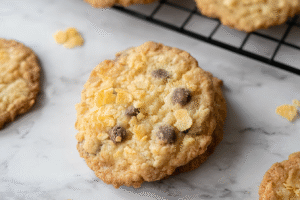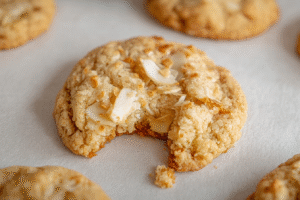

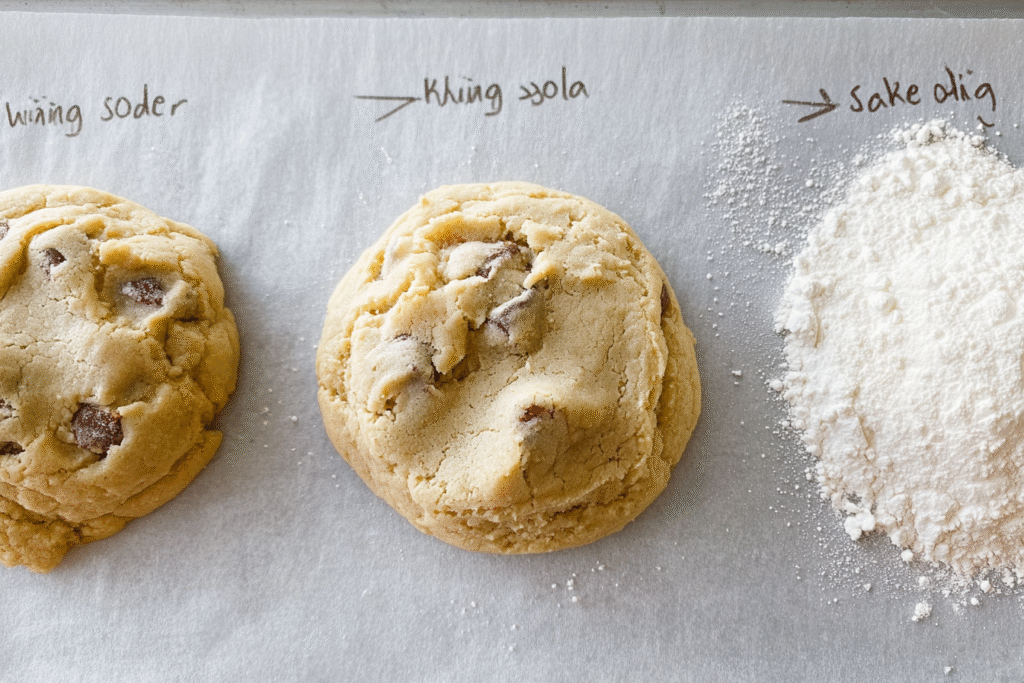
Why You’ll Love Mastering Baking Powder Baking Soda
Understanding the difference between baking soda and baking powder is a game-changer for any home cook. While they may look similar, these two leavening agents play very different roles in the kitchen. Mastering their use will not only improve your baked goods but also save you from common kitchen mishaps. Here is why getting to know these ingredients is so beneficial.
- Ease of preparation: Once you understand the chemistry, using these ingredients becomes second nature. You will know exactly when to add which agent to your batter, ensuring a quick and stress-free cooking experience. No more second-guessing whether your cookies will spread or your cakes will rise.
- Health benefits: Using the correct amount of baking soda can neutralize acidic ingredients, which can be easier on the stomach for some people. Furthermore, knowing what goes into your leavening agents allows you to avoid aluminum found in some commercial brands if you choose to make your own.
- Versatility: Baking soda is not just for baking; it is a powerhouse for cleaning and deodorizing. Baking powder is essential for recipes that lack acidic components. Learning how to substitute one for the other gives you immense flexibility, especially when you run out of one ingredient mid-recipe.
- Distinctive flavor: Using the wrong leavening agent can leave a metallic or soapy aftertaste. By choosing the right one, you ensure that your chocolate cake recipe or fluffy pancakes taste exactly as intended: light, airy, and delicious.
Jump to:
- Why You’ll Love Mastering Baking Powder Baking Soda
- Essential Ingredients for Baking Powder Baking Soda
- Homemade Baking Powder Recipe
- Vinegar Substitution for Baking Powder
- Baking Soda Freshness Test
- Baking Powder Freshness Test
- Special Dietary Options
- How to Prepare the Perfect Baking Powder Baking Soda: Step-by-Step Guide
- Preparation and Mise en Place
- Mixing Your Homemade Leavener
- Performing the Freshness Test
- Incorporating into Batter
- Final Step: Baking and Serving
- Protein and Main Component Alternatives
- Substituting Baking Soda
- Substituting Baking Powder
- Vegetable, Sauce, and Seasoning Modifications
- Acidic Liquid Adjustments
- Flavor and Seasoning Variations
- Mastering Baking Powder Baking Soda: Advanced Tips and Variations
- Pro Cooking Techniques
- Flavor Variations
- Presentation Tips
- Make-Ahead Options
- How to Store Baking Powder Baking Soda: Best Practices
- Refrigeration
- Freezing
- Reheating
- Meal Prep Considerations
- FAQs: Frequently Asked Questions About Baking Powder Baking Soda
- What’s the difference between baking powder and baking soda?
- Can I substitute baking soda for baking powder in a recipe?
- How do I know if my baking powder or baking soda is still good?
- What happens if I use too much baking soda or baking powder?
- When should I use baking powder vs baking soda in cookies?
- Baking Powder Baking Soda
- Ingredients
- Instructions
- Last Step:
- Notes
- Nutrition
- Did you make this recipe?
Essential Ingredients for Baking Powder Baking Soda
To truly grasp the science behind these leavening agents, it helps to look at their components. Below is a structured list of ingredients required to create your own baking powder mixture or perform freshness tests, based on the measurements discussed in this guide.
Homemade Baking Powder Recipe
- 1/4 teaspoon baking soda
- 1/2 teaspoon cream of tartar
- 1/4 teaspoon cornstarch (optional, for storage stability)
Vinegar Substitution for Baking Powder
- 1/4 teaspoon baking soda
- 1/2 teaspoon white vinegar
- 1/4 teaspoon water
Baking Soda Freshness Test
- 1/2 teaspoon baking soda
- 2 teaspoons white vinegar
Baking Powder Freshness Test
- 1 teaspoon baking powder
- 1/3 cup hot water
Special Dietary Options
- Vegan: Both baking soda and baking powder are naturally vegan. Ensure the brand of baking powder you buy does not contain additives derived from animal sources, though this is rare.
- Gluten-free: Pure baking soda and baking powder are gluten-free. However, always check the label to ensure no wheat starch was used as an anti-caking agent.
- Low-calorie: These leavening agents add negligible calories to your diet, making them excellent for low-calorie baking.
How to Prepare the Perfect Baking Powder Baking Soda: Step-by-Step Guide
Creating the perfect rise in your baked goods is all about the chemical reaction. Whether you are mixing up a homemade batch of baking powder or testing your current supplies, follow these steps to ensure success.
Preparation and Mise en Place
Before you start, gather all your tools and ingredients. You will need measuring spoons, a small mixing bowl, a fork or whisk, and the ingredients listed above. Accuracy is key in baking, so ensure your measuring spoons are clean and dry. Moisture can activate baking powder prematurely, ruining its potency.
Mixing Your Homemade Leavener
If you need to make your own baking powder, start by sifting the baking soda and cream of tartar together to ensure there are no lumps. Sifting introduces air and helps the ingredients combine evenly. If you are using cornstarch to absorb moisture, add it now. Mix thoroughly with a whisk. This combination creates a single-acting baking powder that will react as soon as liquid is added.
Performing the Freshness Test
To test your baking soda, place 1/2 teaspoon into a small bowl and pour 2 teaspoons of vinegar over it. Watch closely. If it fizzes vigorously, the soda is still active and good to use. For baking powder, stir 1 teaspoon into 1/3 cup of hot water. A steady stream of bubbles indicates it is fresh. If the reaction is weak or non-existent, it is time to buy a new supply.
Incorporating into Batter
When adding these agents to your recipe, timing is everything. For single-acting powders or soda plus acid, get your batter into the oven quickly after mixing to trap the gas bubbles. For double-acting baking powder, you have a bit more leeway, as the second reaction happens with heat. Whisk the dry leavening agents into your flour mixture first to ensure even distribution throughout the batter.
Final Step: Baking and Serving
Preheat your oven to the correct temperature before mixing your batter. A hot oven immediately sets the structure of the baked good, locking in the air bubbles created by the leavening reaction. Once baked, allow your creation to cool slightly. This resting period lets the structure firm up, making it easier to slice and serve without collapsing.
Protein and Main Component Alternatives
Sometimes you run out of a key ingredient, or you need to adapt a recipe for dietary restrictions. Here are the best alternatives for your main leavening components.
Substituting Baking Soda
If you do not have baking soda, you cannot swap it one-for-one with baking powder because the acidity levels are different. However, you can increase the amount of baking powder. Use three times the amount of baking powder to replace the baking soda. Keep in mind this may slightly alter the taste, as baking powder is less acidic. For recipes heavily reliant on the browning effect of baking soda, such as ginger snaps, the result will be paler.
Substituting Baking Powder
As mentioned earlier, you can create a substitute using baking soda and cream of tartar. This is often preferred by those who want to avoid aluminum found in some commercial baking powders. Mix one part baking soda with two parts cream of tartar. This creates a single-acting powder, so work quickly. If you are in a bind and have neither, you can try beating egg whites until stiff and folding them into the batter to incorporate air, though this changes the texture significantly.
Vegetable, Sauce, and Seasoning Modifications
Baking relies on a delicate balance of acids and bases. Modifying the liquids and flavorings in your recipe can affect how your leavening agents perform.
Acidic Liquid Adjustments
Recipes using baking soda require an acidic partner to activate. Common acidic liquids include buttermilk, yogurt, lemon juice, vinegar, and molasses. If you want to substitute regular milk for buttermilk in a recipe that uses baking soda, you must add an acid, like a tablespoon of vinegar or lemon juice, to the milk. Without this acid, the baking soda will remain inert, and your baked goods will be dense.
Flavor and Seasoning Variations
When working with cocoa powder, which is naturally acidic, baking soda is an excellent choice because it neutralizes the acidity and deepens the chocolate color. If you prefer a lighter-colored cake with a milder chocolate flavor, use baking powder instead or Dutch-processed cocoa, which is alkalized. For savory dishes like quick breads or soda bread, adding buttermilk or soured cream provides the necessary tang to activate the soda while enhancing the flavor profile.
Mastering Baking Powder Baking Soda: Advanced Tips and Variations
Taking your baking skills to the next level involves understanding the nuances of these ingredients. Here are expert tips to guarantee consistent results.
Pro Cooking Techniques
Always sieve your flour and leavening agents together. This not only removes lumps but also aerates the dry ingredients, leading to a lighter crumb. When creaming butter and sugar, ensure the mixture is truly pale and fluffy before adding eggs. This process creates air pockets that the leavening agents will later expand.
Flavor Variations
Experiment with different types of acids to change the flavor profile of your bake. Lemon juice adds brightness, while buttermilk adds a creamy tang. Vinegar is almost tasteless in baked goods but provides a strong reaction. For a unique twist, try using cream of tartar in snickerdoodle cookies to get that signature tangy chew and cracked top.
Presentation Tips
Ensure your oven rack is in the center position for even heat distribution. If the oven is too hot, the leavening agents will work too fast, causing the cake to rise and then collapse. If too cool, the agents will not activate fully before the structure sets, resulting in a flat cake. Rotate your pans halfway through baking to ensure an even rise.
Make-Ahead Options
You can make a large batch of homemade baking powder and store it in an airtight container. Label it clearly with the date and the ratio used. This ensures you always have a fresh supply on hand. For cookie doughs that rely on baking soda for spread, chilling the dough for 24 hours allows the flour to hydrate fully and the soda to distribute evenly, resulting in a richer flavor and better texture.
How to Store Baking Powder Baking Soda: Best Practices
Proper storage is crucial to maintaining the potency of these leavening agents. Moisture is the enemy here, as it triggers the chemical reaction prematurely.
Refrigeration
While you can store baking soda in the refrigerator to absorb odors, do not store the baking soda you intend to use for cooking in the fridge unless it is in a tightly sealed, airtight container. The humidity in the refrigerator can cause the baking soda to clump and lose its effectiveness. Baking powder should generally be kept in a cool, dry pantry rather than the fridge.
Freezing
Freezing is not typically recommended for baking powder or baking soda because condensation can form when they thaw, ruining the powder. However, you can freeze cookie doughs or batters that contain these ingredients. For long-term storage of the raw ingredients, keep them in their original packaging, placed inside a zip-lock bag or airtight container in a dark cupboard.
Reheating
Since these are dry ingredients, reheating does not apply. However, if you have baked goods that did not rise properly due to old leavening agents, unfortunately, there is no way to fix them after baking. This highlights the importance of the freshness test mentioned earlier. Always bring your cold ingredients to room temperature before mixing to ensure the leavening agents activate properly.
Meal Prep Considerations
For meal prep, measure out your dry ingredients, including the baking soda or powder, into individual bags or containers for future recipes. This saves time later. Just be sure these prep bags are completely moisture-proof. Labeling them with the date helps you track how long the pre-mixed ingredients have been stored.

FAQs: Frequently Asked Questions About Baking Powder Baking Soda
What’s the difference between baking powder and baking soda?
Can I substitute baking soda for baking powder in a recipe?
How do I know if my baking powder or baking soda is still good?
What happens if I use too much baking soda or baking powder?
When should I use baking powder vs baking soda in cookies?
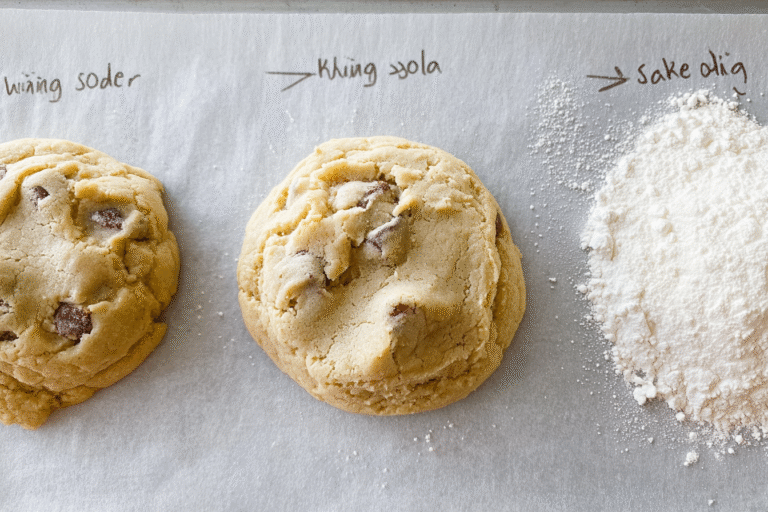
Baking Powder Baking Soda
🧪 Unlock perfectly risen bakes every time by mastering the crucial differences between baking soda and baking powder!
🔍 Boost your baking confidence with this simple guide – avoid common pitfalls and achieve pro-level results effortlessly.
- Total Time: 5 minutes
- Yield: Endless baking success
Ingredients
– 1/4 teaspoon baking soda
– 1/2 teaspoon cream of tartar
– 1/4 teaspoon cornstarch for storage stability
– 1/4 teaspoon baking soda
– 1/2 teaspoon white vinegar
– 1/4 teaspoon water
– 1/2 teaspoon baking soda
– 2 teaspoons white vinegar
– 1 teaspoon baking powder
– 1/3 cup hot water
Instructions
1-Preparation and Mise en Place: Before you start, gather all your tools and ingredients. You will need measuring spoons, a small mixing bowl, a fork or whisk, and the ingredients listed above. Accuracy is key in baking, so ensure your measuring spoons are clean and dry. Moisture can activate baking powder prematurely, ruining its potency.
2-Mixing Your Homemade Leavener: If you need to make your own baking powder, start by sifting the baking soda and cream of tartar together to ensure there are no lumps. Sifting introduces air and helps the ingredients combine evenly. If you are using cornstarch to absorb moisture, add it now. Mix thoroughly with a whisk. This combination creates a single-acting baking powder that will react as soon as liquid is added.
3-Performing the Freshness Test: To test your baking soda, place 1/2 teaspoon into a small bowl and pour 2 teaspoons of vinegar over it. Watch closely. If it fizzes vigorously, the soda is still active and good to use. For baking powder, stir 1 teaspoon into 1/3 cup of hot water. A steady stream of bubbles indicates it is fresh. If the reaction is weak or non-existent, it is time to buy a new supply.
4-Incorporating into Batter: When adding these agents to your recipe, timing is everything. For single-acting powders or soda plus acid, get your batter into the oven quickly after mixing to trap the gas bubbles. For double-acting baking powder, you have a bit more leeway, as the second reaction happens with heat. Whisk the dry leavening agents into your flour mixture first to ensure even distribution throughout the batter.
5-Final Step: Baking and Serving: Preheat your oven to the correct temperature before mixing your batter. A hot oven immediately sets the structure of the baked good, locking in the air bubbles created by the leavening reaction. Once baked, allow your creation to cool slightly. This resting period lets the structure firm up, making it easier to slice and serve without collapsing.
Last Step:
Please leave a rating and comment letting us know how you liked this recipe! This helps our business to thrive and continue providing free, high-quality recipes for you.Notes
💡 Check dates on packages – expired leaveners lead to flat bakes.
🧪 Vinegar test for baking soda: Add to a pinch; should fizz like a volcano.
🔄 Never swap 1:1; always account for acidity to prevent soapy or metallic flavors.
- Prep Time: 5 minutes
- Category: Baking Guide
- Method: Educational
Nutrition
- Serving Size: 1 guide
- Calories: 0
- Sugar: 0g
- Sodium: 0mg
- Fat: 0g
- Saturated Fat: 0g
- Unsaturated Fat: 0g
- Trans Fat: 0g
- Carbohydrates: 0g
- Fiber: 0g
- Protein: 0g
- Cholesterol: 0mg