

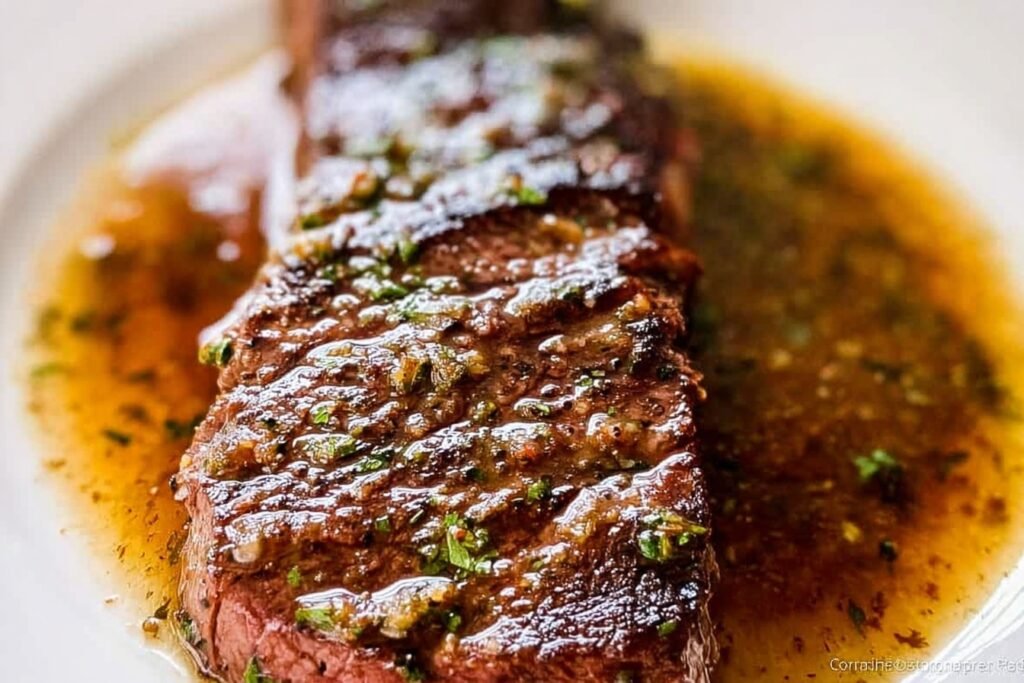
Why You’ll Love This Homemade Steak Marinade
If you have been looking for a Homemade Steak Marinade that is simple, bold, and reliable, this one is a keeper. It uses pantry staples, comes together in minutes, and works beautifully for busy weeknights or relaxed weekend dinners. I love recipes like this because they take a basic cut of steak and turn it into something juicy, savory, and family approved.
- Easy to make: You only need one bowl or a zip-top bag and a few minutes of mixing time. That makes it perfect for home cooks, students, and anyone racing the clock after work or school.
- Great for juicy results: The mix of soy sauce, lemon juice, olive oil, and Worcestershire sauce helps coat the steak, add flavor, and keep the meat from drying out during cooking.
- Flexible for many diets: You can adjust the salt, choose a low-sodium soy sauce, or swap ingredients to fit your needs without losing the spirit of the recipe.
- Big flavor without fuss: Garlic, Italian seasoning, black pepper, and red pepper flakes give this steak marinade a rich, savory taste with a light kick that tastes like you spent all day cooking.
“A good steak marinade should work hard for you. This one gives flavor, tenderness, and a juicy finish with almost no extra effort.”
For readers who enjoy simple comfort food, this kind of recipe fits right in with easy family meals like classic homemade banana bread and other practical, crowd pleasing dishes on the blog. If you want to understand the science behind marinating meat, this article from Serious Eats is a helpful read.
Jump to:
- Why You’ll Love This Homemade Steak Marinade
- Essential Ingredients for Homemade Steak Marinade
- Marinade Ingredients
- Special Dietary Options
- How to Prepare the Perfect Homemade Steak Marinade: Step-by-Step Guide
- First Step: Gather and prep your ingredients
- Second Step: Mix the marinade
- Third Step: Add the steak
- Fourth Step: Flip and check the steak
- Fifth Step: Pat dry and cook
- Final Step: Rest, slice, and serve
- Dietary Substitutions to Customize Your Homemade Steak Marinade
- Protein and Main Component Alternatives
- Vegetable, Sauce, and Seasoning Modifications
- Mastering Homemade Steak Marinade: Advanced Tips and Variations
- Pro cooking techniques
- Flavor variations
- Presentation tips
- Make-ahead options
- How to Store Homemade Steak Marinade: Best Practices
- Refrigeration
- Freezing
- Reheating
- Meal prep considerations
- FAQs: Frequently Asked Questions About Homemade Steak Marinade
- What’s a good homemade steak marinade recipe?
- How long should I marinate steak?
- How does marinade make steak tender?
- Why is my marinated steak still tough?
- What are common mistakes to avoid with homemade steak marinade?
- Homemade Steak Marinade
- Ingredients
- Instructions
- Last Step:
- Notes
- Nutrition
- Did you make this recipe?
Essential Ingredients for Homemade Steak Marinade
This Homemade Steak Marinade uses nine simple ingredients for up to 4 pounds of steak. Every item has a job to do, from tenderizing to boosting flavor. If you are cooking for a small family, a couple, or meal prep for the week, this amount works well for several steaks at once.
Marinade Ingredients
- 1/3 cup soy sauce: Adds deep savory flavor and helps season the steak throughout.
- 1/3 cup lemon juice: Brings bright acidity that helps tenderize the meat and balance the rich steak flavor.
- 1/2 cup olive oil: Carries the seasoning, helps the marinade cling to the meat, and supports a juicy texture.
- 1/4 cup Worcestershire sauce: Adds tangy depth, a little sweetness, and a classic steakhouse taste.
- 1 tablespoon minced garlic: Gives the marinade a strong, fragrant base that pairs well with beef.
- 2 tablespoons Italian seasoning: Adds herbs like oregano, basil, and thyme for a rounded flavor.
- 1 teaspoon ground black pepper: Brings gentle heat and a classic steak finish.
- 1/2 teaspoon salt: Helps the seasonings soak into the meat and supports balanced flavor.
- 1 pinch red pepper flakes: Adds a light bit of heat without overpowering the marinade.
| Ingredient | What It Does |
|---|---|
| Soy sauce | Salty umami base |
| Lemon juice | Bright acidity and tenderness |
| Olive oil | Locks in moisture and carries flavor |
| Worcestershire sauce | Deep savory complexity |
| Garlic | Strong aromatic flavor |
| Italian seasoning | Herbal balance |
| Black pepper | Warm spice |
| Salt | Seasoning support |
| Red pepper flakes | Light heat |
Special Dietary Options
- Vegan: Use the same marinade for portobello mushrooms, cauliflower steaks, or tofu. The flavor still works beautifully without meat.
- Gluten-free: Choose a certified gluten-free soy sauce or tamari and check that your Worcestershire sauce is gluten-free.
- Low-calorie: Reduce the olive oil slightly and choose a leaner steak cut, then keep the same herbs and acid for flavor.
How to Prepare the Perfect Homemade Steak Marinade: Step-by-Step Guide
Making this Homemade Steak Marinade is easy, but the little details matter. A good steak starts with the right mix, enough time in the fridge, and proper cooking after marinating. Follow these steps and you will get juicy, flavorful steak that tastes like it came from your favorite steakhouse.
First Step: Gather and prep your ingredients
Start by measuring everything before you begin. This makes the process smooth and keeps you from forgetting an ingredient halfway through. Use a medium bowl, a whisk, and either a zip-top bag or a shallow dish large enough to hold up to 4 pounds of steak. If your steak is thick, lightly score the surface with a knife in a few places to help the marinade reach more of the meat. Pat the steak dry before marinating only if it has extra moisture from packaging.
Second Step: Mix the marinade
In your bowl, whisk together 1/3 cup soy sauce, 1/3 cup lemon juice, 1/2 cup olive oil, 1/4 cup Worcestershire sauce, 1 tablespoon minced garlic, 2 tablespoons Italian seasoning, 1 teaspoon ground black pepper, 1/2 teaspoon salt, and 1 pinch red pepper flakes. Whisk until the oil and liquids blend into a smooth mixture. The marinade should look glossy and smell bold, garlicky, and a little tangy.
At this stage, take a quick taste if you want to check the balance. Since this marinade is meant for raw meat, do not double dip a spoon after it has touched the steak. If you want a deeper flavor, let the marinade sit for 5 to 10 minutes before adding the steak so the herbs soften and the garlic infuses the liquid.
Third Step: Add the steak
Place the steak into the bag or dish and pour the marinade over the top. Turn the steak several times so every side gets coated. If you are using a zip-top bag, press out as much air as possible before sealing it. This helps the marinade stay in contact with the meat.
For the best flavor, marinate the steak in the refrigerator for at least 2 hours. If you have more time, 8 to 12 hours is even better. Thin cuts like skirt steak or flank steak need less time, while thicker cuts such as ribeye or sirloin can go longer. Do not go past 24 hours, because the lemon juice can start to make the texture too soft.
Tip: Always marinate steak in the fridge, not on the counter. Cold storage keeps the meat safe while the flavor builds.
Fourth Step: Flip and check the steak
If the steak is sitting in a dish, flip it once or twice during marinating so all sides soak evenly. If it is in a bag, you can gently massage the bag a few times from outside the fridge after the first hour. This helps the marinade coat the steak more evenly without needing extra work. For busy parents and working professionals, this simple trick can make dinner feel much easier later.
When the marinating time is done, take the steak out of the fridge about 30 minutes before cooking. Letting it sit briefly at room temperature helps it cook more evenly. While it rests, preheat your grill, grill pan, or cast iron skillet to high heat. You want a strong sear to lock in flavor and create that beautiful crust on the outside.
Fifth Step: Pat dry and cook
Before the steak hits the heat, remove it from the marinade and let any excess drip off. Pat the surface dry with paper towels. This part matters because a dry surface browns better than a wet one. If you skip this step, the steak can steam instead of sear.
For grilling, place the steak on the hot grates and cook until it reaches your preferred doneness. For medium-rare, aim for 130°F to 135°F internal temperature. For medium, aim for about 140°F to 145°F. On a skillet, sear each side for a few minutes, depending on thickness. A meat thermometer is the easiest way to check doneness without guessing.
Final Step: Rest, slice, and serve
After cooking, move the steak to a plate or cutting board and let it rest for 5 to 10 minutes. Resting gives the juices time to settle back into the meat instead of spilling out when you cut it. Then slice the steak against the grain for the most tender bite. This matters a lot, especially for flank or skirt steak.
Serve your steak with potatoes, salad, rice, roasted vegetables, or even a simple bread side. This marinade pairs well with many meals, which is why I love keeping it in my regular dinner rotation. It is quick enough for weeknights but tasty enough for guests too.

Dietary Substitutions to Customize Your Homemade Steak Marinade
Protein and Main Component Alternatives
If you do not have the exact steak cut on hand, this marinade still works with many proteins. Flank steak, skirt steak, sirloin, ribeye, and strip steak all taste great here. Tougher cuts benefit the most because the acid and salt help break them down a little before cooking. If you are feeding a crowd, use a larger shallow dish so each piece is well coated.
You can also use this marinade on chicken thighs, pork chops, shrimp, mushrooms, or tofu. Just shorten the marinating time for delicate proteins. Shrimp only needs about 15 to 30 minutes, while chicken can go for a few hours. Tofu and mushrooms pick up flavor well and make a good plant-based dinner option.
Vegetable, Sauce, and Seasoning Modifications
For lower sodium needs, use reduced-sodium soy sauce and cut the added salt in half. If you do not have lemon juice, lime juice works well too and gives a slightly different citrus note. You can also swap Italian seasoning for a mix of dried oregano, thyme, and basil if that is what you have in the pantry.
If you want a milder version, leave out the red pepper flakes. For more heat, add a little cayenne or extra flakes. If you want a sweeter flavor, a small spoonful of honey can balance the acidity. For a deeper, richer taste, add a teaspoon of Dijon mustard. These changes let you build a marinade that fits your table, your taste, and your schedule.
Mastering Homemade Steak Marinade: Advanced Tips and Variations
Once you have made this Homemade Steak Marinade a few times, it becomes easy to tweak it to match your mood. Small changes can give you a whole new dinner without needing a brand new recipe. That is one reason I keep this marinade in my regular meal plan.
Pro cooking techniques
For the best texture, let the steak come close to room temperature before cooking, but not too long. A cold steak can cook unevenly. Also, always dry the meat before it hits the pan or grill. If you want a deeper crust, use a very hot cast iron skillet and leave the steak alone for the first couple of minutes so it can sear properly.
Another helpful trick is to slice thicker steaks after resting, then spoon a little fresh olive oil and pepper over the top. That gives the finished dish a fresh, restaurant style look. If you are cooking for guests, warm your plates first so the steak stays hot longer.
Flavor variations
You can add smoked paprika for a warmer flavor, fresh rosemary for a classic steakhouse feel, or a splash of balsamic vinegar for a sweeter tang. If you love garlic, add another clove or two. If you prefer a brighter flavor, increase the lemon juice slightly but keep the marinating time under control so the meat does not get mushy.
For a bolder finish, try a little crushed coriander or onion powder. These seasonings blend nicely with the soy sauce and Worcestershire sauce. If you want a steak that tastes a little like a backyard barbecue, add a touch of brown sugar and a tiny bit of mustard.
Presentation tips
Slice the steak thinly against the grain and fan the pieces across the plate. Add chopped parsley or fresh thyme for color. A lemon wedge on the side looks nice too, especially if you want to brighten each bite. If serving with vegetables, arrange them beside the steak rather than covering it so the sear stays visible.
Make-ahead options
This recipe is excellent for meal prep. Mix the marinade the night before and store it in the fridge, then add the steak the next day. You can also portion the steak into bags with the marinade for grab-and-go dinners later in the week. If you are planning a gathering, marinate several cuts ahead of time and keep them chilled until cooking day.
For more easy make-ahead ideas, you might also like a sweet treat such as homemade chocolate chip cookies when you want something simple for later.
How to Store Homemade Steak Marinade: Best Practices
Proper storage keeps your Homemade Steak Marinade safe and ready to use again. Since this recipe includes raw meat contact, you need to be careful with leftovers and any extra marinade that touched the steak.
Refrigeration
Store unused marinade in a sealed jar or container in the refrigerator for up to 3 days. If the marinade has already touched raw steak, do not use it again unless you boil it first for safety. The marinated steak itself should stay in the fridge while it soaks, never at room temperature.
Freezing
You can freeze the marinade by itself in a small freezer-safe bag or container for up to 3 months. This is a great meal prep trick for busy weeks. If you want, freeze the marinade in portions so you can thaw only what you need for one meal. Do not freeze raw steak in marinade for too long if the cut is very delicate, because the lemon juice may affect texture.
Reheating
If you have cooked steak leftovers, reheat them gently. Use low heat in a skillet with a splash of water or broth, or warm slices in the oven at a low temperature. High heat can dry them out fast. Steak is best when reheated just until warm, not cooked again.
Meal prep considerations
For meal prep, marinate the steak in separate portions so each serving can be cooked fresh later. This helps keep texture and flavor at their best. Label each container with the date and the cut of steak so you know what to cook first.

FAQs: Frequently Asked Questions About Homemade Steak Marinade
What’s a good homemade steak marinade recipe?
How long should I marinate steak?
How does marinade make steak tender?
Why is my marinated steak still tough?
What are common mistakes to avoid with homemade steak marinade?
Homemade Steak Marinade
🥩 Unlock the secret to mouthwatering tender, juicy steaks with this powerful marinade that tenderizes and infuses bold flavors for superior taste.
🔥 Ideal for grilling season, this easy mix transforms ordinary cuts into restaurant-worthy meals using simple ingredients anyone can find.
- Total Time: 4 hours 10 minutes
- Yield: 4 pounds steak (8 servings)
Ingredients
– 1/3 cup soy sauce for salty umami base
– 1/3 cup lemon juice for bright acidity and tenderness
– 1/2 cup olive oil for locks in moisture and carries flavor
– 1/4 cup Worcestershire sauce for deep savory complexity
– 1 tablespoon minced garlic for strong aromatic flavor
– 2 tablespoons Italian seasoning for herbal balance
– 1 teaspoon ground black pepper for warm spice
– 1/2 teaspoon salt for seasoning support
– 1 pinch red pepper flakes for light heat
Instructions
1-First Step: Gather and prep your ingredients Start by measuring everything before you begin. This makes the process smooth and keeps you from forgetting an ingredient halfway through. Use a medium bowl, a whisk, and either a zip-top bag or a shallow dish large enough to hold up to 4 pounds of steak. If your steak is thick, lightly score the surface with a knife in a few places to help the marinade reach more of the meat. Pat the steak dry before marinating only if it has extra moisture from packaging.
2-Second Step: Mix the marinade In your bowl, whisk together 1/3 cup soy sauce, 1/3 cup lemon juice, 1/2 cup olive oil, 1/4 cup Worcestershire sauce, 1 tablespoon minced garlic, 2 tablespoons Italian seasoning, 1 teaspoon ground black pepper, 1/2 teaspoon salt, and 1 pinch red pepper flakes. Whisk until the oil and liquids blend into a smooth mixture. The marinade should look glossy and smell bold, garlicky, and a little tangy. At this stage, take a quick taste if you want to check the balance. Since this marinade is meant for raw meat, do not double dip a spoon after it has touched the steak. If you want a deeper flavor, let the marinade sit for 5 to 10 minutes before adding the steak so the herbs soften and the garlic infuses the liquid.
3-Third Step: Add the steak Place the steak into the bag or dish and pour the marinade over the top. Turn the steak several times so every side gets coated. If you are using a zip-top bag, press out as much air as possible before sealing it. This helps the marinade stay in contact with the meat. For the best flavor, marinate the steak in the refrigerator for at least 2 hours. If you have more time, 8 to 12 hours is even better. Thin cuts like skirt steak or flank steak need less time, while thicker cuts such as ribeye or sirloin can go longer. Do not go past 24 hours, because the lemon juice can start to make the texture too soft.
4-Fourth Step: Flip and check the steak If the steak is sitting in a dish, flip it once or twice during marinating so all sides soak evenly. If it is in a bag, you can gently massage the bag a few times from outside the fridge after the first hour. This helps the marinade coat the steak more evenly without needing extra work. For busy parents and working professionals, this simple trick can make dinner feel much easier later. When the marinating time is done, take the steak out of the fridge about 30 minutes before cooking. Letting it sit briefly at room temperature helps it cook more evenly. While it rests, preheat your grill, grill pan, or cast iron skillet to high heat. You want a strong sear to lock in flavor and create that beautiful crust on the outside.
5-Fifth Step: Pat dry and cook Before the steak hits the heat, remove it from the marinade and let any excess drip off. Pat the surface dry with paper towels. This part matters because a dry surface browns better than a wet one. If you skip this step, the steak can steam instead of sear. For grilling, place the steak on the hot grates and cook until it reaches your preferred doneness. For medium-rare, aim for 130°F to 135°F internal temperature. For medium, aim for about 140°F to 145°F. On a skillet, sear each side for a few minutes, depending on thickness. A meat thermometer is the easiest way to check doneness without guessing.
6-Final Step: Rest, slice, and serve After cooking, move the steak to a plate or cutting board and let it rest for 5 to 10 minutes. Resting gives the juices time to settle back into the meat instead of spilling out when you cut it. Then slice the steak against the grain for the most tender bite. This matters a lot, especially for flank or skirt steak. Serve your steak with potatoes, salad, rice, roasted vegetables, or even a simple bread side. This marinade pairs well with many meals, which is why I love keeping it in my regular dinner rotation. It is quick enough for weeknights but tasty enough for guests too.
Last Step:
Please leave a rating and comment letting us know how you liked this recipe! This helps our business to thrive and continue providing free, high-quality recipes for you.Notes
⏱️ Marinate tender cuts like ribeye for no more than 8 hours to avoid over-tenderizing.
💧 Always pat steaks dry after marinating for a perfect sear and crust.
🧄 Use fresh minced garlic instead of jarred for the most vibrant flavor punch.
- Prep Time: 10 minutes
- Marinate Time: 4-24 hours
- Category: Main Dish
- Method: Marinate
- Cuisine: American
- Diet: Low-Carb
Nutrition
- Serving Size: 2 tablespoons per steak
- Calories: 120 kcal
- Sugar: 1g
- Sodium: 800mg
- Fat: 11g
- Saturated Fat: 1.5g
- Unsaturated Fat: 9g
- Trans Fat: 0g
- Carbohydrates: 3g
- Fiber: 0g
- Protein: 1g
- Cholesterol: 0mg