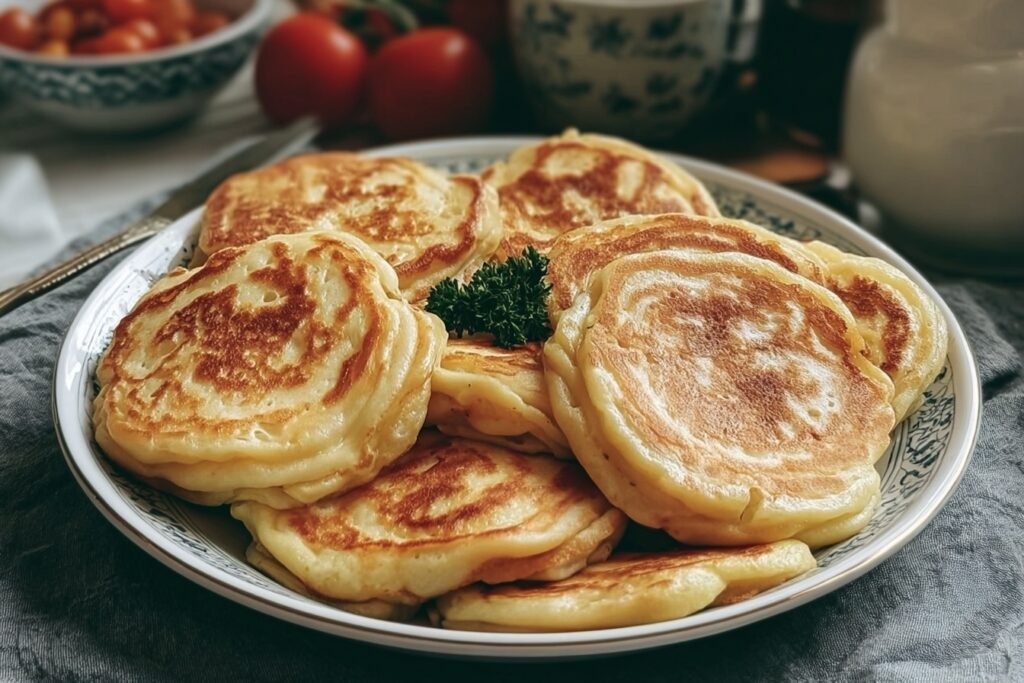
Why You’ll Love These Moroccan Pancakes
Moroccan Pancakes, also called baghrir, are a wonderful breakfast or snack when you want something special without a lot of work. They come together fast in a blender, rest for a short time, and cook in just a few minutes on the stovetop. If you are looking for a recipe that feels impressive but still fits a busy day, this is a great one to keep on hand.
- Easy to make: The batter blends in about 1 minute, then you let it rest and cook the pancakes one at a time. That makes this recipe a smart choice for home cooks, busy parents, students, and working professionals.
- Light and satisfying: Each serving is only 70 calories, with 14 grams of carbohydrates and 3 grams of protein, so these pancakes can fit into a lighter eating plan.
- Flexible for many diets: You can serve them with honey and melted butter, or keep them plain if you want a simpler option. They can also be adapted with different topping choices.
- Unique texture and flavor: The fine semolina gives these pancakes their soft, spongy bite and the famous little holes on top that soak up honey so well.
Baghrir is one of those recipes that feels like a treat, but it starts with simple pantry ingredients you may already have at home.
If you enjoy traditional breakfast recipes, you may also like more easy recipes on Recipes Valentina and our collection of simple homemade breakfast ideas for everyday cooking.
Jump to:
- Why You’ll Love These Moroccan Pancakes
- Essential Ingredients for Moroccan Pancakes
- Main Ingredients
- Special Dietary Options
- How to Prepare the Perfect Moroccan Pancakes: Step-by-Step Guide
- First Step: Get your pan and oven ready
- Second Step: Blend the batter
- Third Step: Let the batter rest
- Fourth Step: Cook the pancakes one by one
- Helpful signs that the pancake is ready
- Fifth Step: Keep cooked pancakes warm
- Final Step: Serve with butter and honey
- Dietary Substitutions to Customize Your Moroccan Pancakes
- Protein and Main Component Alternatives
- Vegetable, Sauce, and Seasoning Modifications
- Mastering Moroccan Pancakes: Advanced Tips and Variations
- Pro cooking techniques
- Flavor variations
- Presentation tips
- Make-ahead options
- How to Store Moroccan Pancakes: Best Practices
- Refrigeration
- Freezing
- Reheating
- Meal prep considerations
- FAQs: Frequently Asked Questions About Moroccan Pancakes
- What are baghrir Moroccan pancakes?
- How do you make baghrir batter at home?
- Why does baghrir batter need to rest before cooking?
- Why are my baghrir sticking to the pan?
- Can you make baghrir without semolina flour?
- Moroccan Pancakes
- Ingredients
- Instructions
- Last Step:
- Notes
- Nutrition
- Did you make this recipe?
Essential Ingredients for Moroccan Pancakes
Before you start, gather everything you need and measure it out. Using the right ingredients in the right amounts helps the batter bubble well and gives the pancakes their soft, airy texture. Fine semolina is the key ingredient here, so choose a good quality one if you can.
Main Ingredients
- 1 1/2 cups semolina flour – This gives the pancakes their classic texture and slightly nutty taste.
- 1/4 cup all-purpose flour – This helps bind the batter and gives it a little structure.
- 2 cups lukewarm water, plus 2 tablespoons more – This creates the loose batter baghrir needs. Add the extra water if the batter looks too thick.
- 2 teaspoons yeast – This helps create the bubbles and airy surface.
- 2 teaspoons baking powder – This gives the batter extra lift and helps the top become full of tiny holes.
- 1/2 teaspoon kosher salt – This balances the flavor.
- 1 teaspoon sugar – This feeds the yeast and adds a light sweetness.
- 1/4 cup melted butter, for serving – This adds richness when drizzled over the warm pancakes.
- 1/4 cup honey, for serving – This is the classic topping that soaks into the spongy surface.
Special Dietary Options
- Vegan: Skip the butter and serve with honey only if you eat honey, or use maple syrup instead. You can also use a plant-based spread for serving.
- Gluten-free: Traditional baghrir uses semolina and all-purpose flour, so it is not fully gluten-free. For a gluten-free version, try a tested gluten-free flour blend and expect a different texture.
- Low-calorie: Serve the pancakes plain or with a light drizzle of honey instead of the full butter and honey topping.
Semolina is the star here, and if you want to learn more about it, this Healthline guide to semolina flour is a helpful read.
| Ingredient | Amount | Why It Matters |
|---|---|---|
| Semolina flour | 1 1/2 cups | Builds the classic baghrir texture |
| All-purpose flour | 1/4 cup | Adds light structure |
| Lukewarm water | 2 cups plus 2 tablespoons | Creates a pourable batter |
| Yeast | 2 teaspoons | Helps the batter bubble |
| Baking powder | 2 teaspoons | Adds extra lift |
| Kosher salt | 1/2 teaspoon | Balances flavor |
| Sugar | 1 teaspoon | Feeds the yeast |
| Melted butter | 1/4 cup | Rich serving topping |
| Honey | 1/4 cup | Classic sweet topping |
How to Prepare the Perfect Moroccan Pancakes: Step-by-Step Guide
First Step: Get your pan and oven ready
Start by preheating your oven to 200 degrees Fahrenheit. Line a baking sheet with parchment paper so you have a place to keep the pancakes warm after cooking. This small setup step makes the rest of the process smoother, especially if you are cooking for more than one person.
Next, place a non-stick griddle or skillet over medium heat and let it warm for about 2 minutes before you begin cooking. Moroccan Pancakes cook best on steady medium heat, not high heat, because the batter needs time to bubble without burning on the bottom.
Second Step: Blend the batter
Add the semolina flour, all-purpose flour, lukewarm water, yeast, baking powder, kosher salt, and sugar to a blender. Blend everything for 1 minute until the batter looks smooth and thin. The texture should be loose and runny, not thick like cake batter. If it looks too dense, add a tablespoon or two more water and blend again briefly.
This is one of the most important parts of the recipe. A thin batter helps the pancakes spread in the pan and form those classic holes on top. If the batter seems too heavy, the pancakes may cook up thick and miss that signature baghrir look.
Third Step: Let the batter rest
Pour the blended batter into a bowl and cover it with a clean towel or lid. Let it rest at room temperature for 15 to 20 minutes, or until it looks bubbly on the surface. During this time, the yeast wakes up and helps create the airy texture baghrir is known for.
Do not rush the resting time. Those bubbles are the secret to the honeycomb top.
If your kitchen is cool, the batter may take a little longer to bubble. If it is warm, the bubbles may show up sooner. Either way, you want visible activity before you start cooking.
Fourth Step: Cook the pancakes one by one
When the pan is ready, pour about 1/4 cup of batter into the skillet for each pancake. Do not spread it around too much. The batter should settle on its own into a round shape. Cook for 2 to 3 minutes, or until holes form on the surface and the top looks dry.
Do not flip the pancake. Baghrir cooks only on one side, which helps keep the top soft and porous while the bottom turns lightly golden. If the pancake sticks, your pan may not be hot enough yet, so give it a little more time before adding the next one.
Helpful signs that the pancake is ready
- The surface looks dry
- Small and large holes appear on top
- The edges begin to lift slightly
- The bottom is lightly cooked, not dark
Fifth Step: Keep cooked pancakes warm
As each pancake finishes cooking, transfer it to the prepared baking sheet. Place the tray in the oven to keep the pancakes warm while you cook the rest. This method works well if you are making a full batch and want to serve everything hot at the same time.
Keeping them in a low oven also helps preserve the soft texture. Stack them gently if needed, but do not press them down too hard or the airy surface can flatten.
Final Step: Serve with butter and honey
When all the pancakes are done, serve them warm or at room temperature. Drizzle the top with melted butter and honey just before serving. The honey seeps into the little holes, and the butter adds a rich finish that tastes comforting and familiar.
If you like sweet breakfast dishes, you may also enjoy our easy breakfast recipes for busy mornings. They are simple, family-friendly, and made for real life.
For another look at honey as a food ingredient, this Mayo Clinic article on honey is a useful reference.

Dietary Substitutions to Customize Your Moroccan Pancakes
Protein and Main Component Alternatives
Traditional Moroccan Pancakes use semolina flour, and that ingredient gives baghrir its special texture. If you need to adjust the recipe, keep in mind that changing the flour will change the final result too. A full swap will not taste exactly the same, but you can still make a version that works for your needs.
- For a different flour mix: Use a gluten-free flour blend if needed, but expect fewer holes and a softer, less spongy texture.
- For no yeast: You can use an equal mix of acidic liquid, like lemon juice or vinegar, with baking soda, or use 2 teaspoons more baking powder. If you use only baking powder, skip the resting time.
- For richer flavor: Some cooks like to use more semolina and less all-purpose flour for a deeper, more traditional taste.
Vegetable, Sauce, and Seasoning Modifications
Baghrir is usually served simply, but you can change the toppings based on what you have at home. This makes the recipe useful for different eating styles and preferences.
- Honey swap: Use maple syrup, date syrup, or agave if you want a different sweet topping.
- Butter swap: Use plant-based butter for a dairy-free serving option.
- Savory twist: Skip the sweet toppings and serve with olive oil, soft cheese, or herb butter for a less traditional but tasty plate.
Mastering Moroccan Pancakes: Advanced Tips and Variations
Pro cooking techniques
Small details make a big difference with this recipe. First, always use fine-grain semolina flour made from durum for the best texture. Coarse semolina can make the pancakes feel gritty instead of soft. Second, keep the batter loose and runny. If it thickens while resting, stir in a tablespoon of water at a time until it pours easily.
Fresh baking powder matters too. If it has been sitting in your cupboard for a long time, it may not bubble as well. Also, do not oil the pan unless you need to fix sticking. A good non-stick skillet usually works fine on its own.
Flavor variations
Traditional baghrir is often served with honey and butter, but you can play with the topping. Try chopped almonds, crushed pistachios, cinnamon, or a little orange zest. For a more filling breakfast, add a spoonful of yogurt on the side or fresh fruit for color and freshness.
If you like a lighter flavor, serve the pancakes plain and let each person add their own topping at the table. That keeps the dish flexible for kids, guests, and picky eaters.
Presentation tips
Serve the pancakes stacked in a warm pile and drizzle the melted butter and honey over the top right before bringing them to the table. The holes on the surface look beautiful when the honey sinks in. A simple plate works well, but a small basket lined with a cloth also feels charming and homey.
Make-ahead options
You can make the batter ahead and store it briefly after resting, though the best texture comes from cooking it soon after the bubbles appear. If you need to save time, blend the batter in the morning and cook it later in the day. Cooked pancakes also reheat well, which makes them handy for meal prep or a second breakfast during the week.
How to Store Moroccan Pancakes: Best Practices
If you have leftovers, baghrir stores well and stays useful for quick meals later. Let the pancakes cool before storing them so they do not trap steam and become soggy. For the best flavor and texture, separate layers with parchment paper if stacking.
Refrigeration
Store cooked Moroccan Pancakes at room temperature for a day or two, or in the refrigerator if you want to keep them a bit longer. Place them in an airtight container or zip-top bag. They should stay fresh for a few days in the fridge.
Freezing
For longer storage, freeze the cooled pancakes for up to 2 months. Wrap them well or place parchment between each one before sealing them in a freezer bag. This makes it easy to grab just what you need later.
Reheating
Warm the pancakes in a skillet, toaster oven, or microwave until heated through. If they were frozen, let them thaw first for the best result. A quick warm-up brings back much of the softness and makes the honey holes ready for topping again.
Meal prep considerations
Baghrir is a smart batch-cooking choice because it works for breakfast, snack time, or even a light dessert. Make a full batch, store it in portions, and reheat when needed. That way you can enjoy a homemade treat even on a busy day.
FAQs: Frequently Asked Questions About Moroccan Pancakes
What are baghrir Moroccan pancakes?
How do you make baghrir batter at home?
Why does baghrir batter need to rest before cooking?
Why are my baghrir sticking to the pan?
Can you make baghrir without semolina flour?
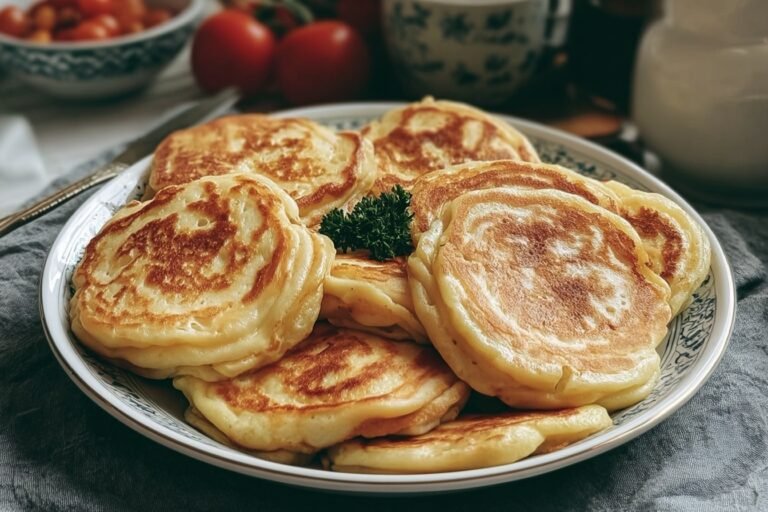
Moroccan Pancakes
🥞 Honeycomb-holed yeasted semolina pancakes soaked in butter-honey – light fluffy Moroccan breakfast bliss!
🍯 No-flip easy griddle delights versatile for sweet-savory – bubbly texture family favorite.
- Total Time: 1 hour
- Yield: 12 pancakes
Ingredients
– 1 1/2 cups Semolina flour Builds the classic baghrir texture
– 1/4 cup All-purpose flour Adds light structure
– 2 cups plus 2 tablespoons Lukewarm water Creates a pourable batter
– 2 teaspoons Yeast Helps the batter bubble
– 2 teaspoons Baking powder Adds extra lift
– 1/2 teaspoon Kosher salt Balances flavor
– 1 teaspoon Sugar Feeds the yeast
– 1/4 cup Melted butter Rich serving topping
– 1/4 cup Honey Classic sweet topping
Instructions
1-First Step: Get your pan and oven ready Start by preheating your oven to 200 degrees Fahrenheit. Line a baking sheet with parchment paper so you have a place to keep the pancakes warm after cooking. This small setup step makes the rest of the process smoother, especially if you are cooking for more than one person. Next, place a non-stick griddle or skillet over medium heat and let it warm for about 2 minutes before you begin cooking. Moroccan Pancakes cook best on steady medium heat, not high heat, because the batter needs time to bubble without burning on the bottom.
2-Second Step: Blend the batter Add the semolina flour, all-purpose flour, lukewarm water, yeast, baking powder, kosher salt, and sugar to a blender. Blend everything for 1 minute until the batter looks smooth and thin. The texture should be loose and runny, not thick like cake batter. If it looks too dense, add a tablespoon or two more water and blend again briefly. This is one of the most important parts of the recipe. A thin batter helps the pancakes spread in the pan and form those classic holes on top. If the batter seems too heavy, the pancakes may cook up thick and miss that signature baghrir look.
3-Third Step: Let the batter rest Pour the blended batter into a bowl and cover it with a clean towel or lid. Let it rest at room temperature for 15 to 20 minutes, or until it looks bubbly on the surface. During this time, the yeast wakes up and helps create the airy texture baghrir is known for. Do not rush the resting time. Those bubbles are the secret to the honeycomb top. If your kitchen is cool, the batter may take a little longer to bubble. If it is warm, the bubbles may show up sooner. Either way, you want visible activity before you start cooking.
4-Fourth Step: Cook the pancakes one by one When the pan is ready, pour about 1/4 cup of batter into the skillet for each pancake. Do not spread it around too much. The batter should settle on its own into a round shape. Cook for 2 to 3 minutes, or until holes form on the surface and the top looks dry. Do not flip the pancake. Baghrir cooks only on one side, which helps keep the top soft and porous while the bottom turns lightly golden. If the pancake sticks, your pan may not be hot enough yet, so give it a little more time before adding the next one. Helpful signs that the pancake is ready* The surface looks dry* Small and large holes appear on top* The edges begin to lift slightly* The bottom is lightly cooked, not dark
5-Fifth Step: Keep cooked pancakes warm As each pancake finishes cooking, transfer it to the prepared baking sheet. Place the tray in the oven to keep the pancakes warm while you cook the rest. This method works well if you are making a full batch and want to serve everything hot at the same time. Keeping them in a low oven also helps preserve the soft texture. Stack them gently if needed, but do not press them down too hard or the airy surface can flatten.
6-Final Step: Serve with butter and honey When all the pancakes are done, serve them warm or at room temperature. Drizzle the top with melted butter and honey just before serving. The honey seeps into the little holes, and the butter adds a rich finish that tastes comforting and familiar.
Last Step:
Please leave a rating and comment letting us know how you liked this recipe! This helps our business to thrive and continue providing free, high-quality recipes for you.Notes
🌾 Fine semolina essential for signature bubbly honeycomb texture.
💧 Keep batter thin/runny; add water tbsp-by-tbsp if needed.
⏱️ Rest batter fully 20 min – activates yeast for perfect bubbles.
- Prep Time: 5 minutes
- Batter Rest: 20 minutes
- Cook Time: 35 minutes
- Category: Breakfast
- Method: Griddle
- Cuisine: Moroccan
- Diet: Vegetarian
Nutrition
- Serving Size: 1 pancake
- Calories: 70
- Sugar: 1g
- Sodium: 128mg
- Fat: 1g
- Saturated Fat: 1g
- Unsaturated Fat: 0g
- Trans Fat: 0g
- Carbohydrates: 14g
- Fiber: 1g
- Protein: 3g
- Cholesterol: 0mg