
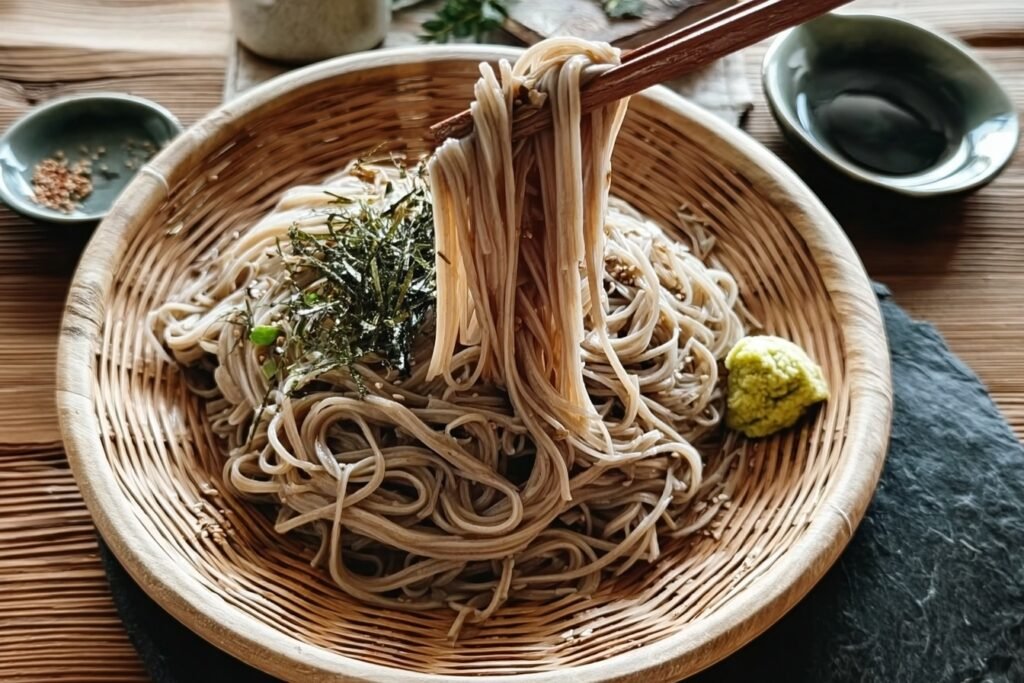
Why You’ll Love This Japanese Soba Noodles
If you need a fast dinner that still feels fresh and satisfying, Japanese Soba Noodles with miso sesame sauce is a smart choice. This dish comes together in about 15 minutes, but it tastes like something you planned ahead. It fits busy weeknights, relaxed lunches, and even meal prep for the next day.
- Easy to make: The noodles cook in just 4 to 5 minutes, and the sauce only needs a quick whisk. That means you can get dinner on the table fast, even on a packed night.
- Good for many diets: Japanese Soba Noodles can be vegetarian, vegan, plant-based, and dairy-free. If you use 100% buckwheat soba, they can also be gluten-free.
- Bright, bold flavor: The mix of toasted sesame oil, miso, soy sauce, and rice vinegar gives the noodles a salty-sweet taste with a little tang. The garlic and green onions keep it lively.
- Flexible for add-ins: You can keep it simple or turn it into a fuller meal with a fried egg, tofu, shrimp, or another protein. That makes this recipe easy to adapt for different appetites and schedules.
When dinner needs to happen fast, Japanese Soba Noodles are one of those recipes that feel calm, quick, and satisfying all at once.
Because the noodles are served with a flavorful sauce rather than a heavy coating, this dish also works well for people who want something lighter without giving up taste. It is a nice fit for home cooks, students, and working professionals, but it is also a good pick for anyone who wants a no-fuss meal that still feels special.
Jump to:
- Why You’ll Love This Japanese Soba Noodles
- Essential Ingredients for Japanese Soba Noodles
- Optional add-ins
- Special dietary options
- How to Prepare the Perfect Japanese Soba Noodles: Step-by-Step Guide
- First step: Boil the noodles
- Second step: Rinse right away
- Third step: Mix the miso sesame sauce
- Fourth step: Slice the green onions and prepare add-ins
- Fifth step: Toss everything together
- Final step: Garnish and serve
- Dietary Substitutions to Customize Your Japanese Soba Noodles
- Protein and Main Component Alternatives
- Vegetable, Sauce, and Seasoning Modifications
- Mastering Japanese Soba Noodles: Advanced Tips and Variations
- How to Store Japanese Soba Noodles: Best Practices
- FAQs: Frequently Asked Questions About Japanese Soba Noodles
- What are Japanese soba noodles?
- Are soba noodles gluten-free?
- What’s the difference between soba noodles and pasta?
- How do you cook soba noodles?
- Can I make soba noodle dishes ahead of time?
- Japanese Soba Noodles
- Ingredients
- Instructions
- Last Step:
- Notes
- Nutrition
- Did you make this recipe?
Essential Ingredients for Japanese Soba Noodles
Here is everything you need for this soba noodle recipe, plus a few simple notes on why each ingredient matters. The amounts below make about 4 side servings.
- 8 ounces soba noodles – The base of the dish. Look for a brand you like, since texture can vary from one package to another.
- 1/4 cup soy sauce or tamari or coconut aminos – Brings saltiness and depth to the miso sesame sauce. Tamari or coconut aminos are helpful swaps if you want a different option.
- 3 tablespoons toasted sesame oil – Adds a rich, nutty flavor that makes the sauce stand out. Toasted sesame oil gives the best bold taste.
- 2 tablespoons rice vinegar – Adds a light tang that balances the sweet and salty notes.
- 1 tablespoon honey or maple syrup – Adds a touch of sweetness to round out the sauce. Maple syrup works well for a vegan version.
- 1 tablespoon miso (white or yellow) – Gives the sauce savory, umami flavor and a little creamy body.
- 1 teaspoon grated garlic – Adds sharp, fresh flavor that wakes up the whole dish.
- 4 green onions – Slice thinly on the diagonal for freshness, color, and a mild onion bite.
- Sriracha to taste (optional) – For anyone who wants a little heat.
- Sesame seeds for garnish – Add a nice finishing touch and extra nuttiness.
Optional add-ins
- 1 fried egg – A simple topping that makes the noodles more filling.
- Tofu – A great plant-based protein for a vegan bowl.
- Shrimp – A quick seafood option if you want extra protein.
- Other proteins of your choice – Use whatever fits your pantry and your meal plan.
Special dietary options
- Vegan: Use maple syrup instead of honey and choose tofu or another plant-based protein if needed.
- Gluten-free: Choose 100% buckwheat soba noodles and use tamari or coconut aminos instead of soy sauce if needed.
- Low-calorie: Keep the sauce portion light, skip the fried egg, and add extra green onions or vegetables.
| Ingredient | What it does | Easy swap |
|---|---|---|
| Soba noodles | Main base with a nutty bite | 100% buckwheat soba for gluten-free needs |
| Miso | Adds savory depth | White or yellow miso both work well |
| Toasted sesame oil | Brings bold nutty flavor | Do not swap with regular sesame oil if you want full flavor |
| Honey | Balances the sauce | Maple syrup for vegan cooks |
How to Prepare the Perfect Japanese Soba Noodles: Step-by-Step Guide
First step: Boil the noodles
Bring a large pot of water to a boil and cook 8 ounces of soba noodles according to the package directions, usually 4 to 5 minutes. Keep an eye on them, since soba cooks quickly and can go soft if left too long. Stir gently once or twice while cooking so the noodles do not stick together.
If you plan to serve the dish cold, the timing matters even more. A short cook keeps the noodles springy, which helps them hold up once they are tossed with the sauce. For a warm serving, you can still follow the same method and finish with warm water instead of cool rinsing.
Second step: Rinse right away
Drain the noodles in a strainer and rinse them under cool running water while tossing them with your hands or tongs. This is an important step for Japanese Soba Noodles because it removes extra starch and keeps the noodles from turning sticky or gummy. Shake off the excess water well after rinsing.
If you want to serve the noodles warm, use warm water for the rinse instead of cold. That keeps the dish pleasantly warm without losing the clean texture that makes soba so nice to eat. Rinsing right away is one of the biggest secrets to better soba at home.
Third step: Mix the miso sesame sauce
In a bowl, whisk together 1/4 cup soy sauce, 3 tablespoons toasted sesame oil, 2 tablespoons rice vinegar, 1 tablespoon honey or maple syrup, 1 tablespoon miso, and 1 teaspoon grated garlic. Stir until the miso is blended in and the sauce looks smooth. If you like heat, add Sriracha to taste.
This sauce is simple, but it has a lot going on in a good way. The soy sauce brings salt, the sesame oil adds nuttiness, the vinegar gives brightness, the sweetener softens the edges, and the miso gives a deep, savory finish. If you like to prep ahead, this sauce can be made up to 3 days in advance and kept in the fridge.
Fourth step: Slice the green onions and prepare add-ins
Thinly slice 4 green onions on the diagonal. This shape looks nice and gives you more surface area for a fresh bite in every forkful. If you are using add-ins like tofu, shrimp, or a fried egg, prepare them now so everything is ready to toss together.
You can keep this recipe very simple or make it more filling depending on your needs. For a quick lunch, the noodles and sauce may be enough. For dinner, a protein topping can turn it into a more complete meal without much extra work.
Fifth step: Toss everything together
Place the rinsed noodles in a large bowl or pan. Add the sauce and sliced green onions, then toss until the noodles are evenly coated. If you are using proteins or extra vegetables, fold them in gently so they stay in place and do not break apart.
Try to serve the noodles soon after tossing for the best texture. If you let them sit too long, they can soak up too much sauce and lose some of their spring. A quick toss is usually all they need.
Final step: Garnish and serve
Finish with sesame seeds for garnish and a little extra Sriracha if you want heat. If you like a deeper sesame taste, toast the sesame seeds in a dry pan for about 3 minutes before sprinkling them on top. That small step adds a lovely nutty finish.
The best Japanese Soba Noodles are the ones that are rinsed well, tossed quickly, and served while the texture is still lively.
This recipe serves about 4 as a side, and it is ready in about 15 minutes total, with 10 minutes of prep and 5 minutes of cooking. That makes it a strong choice for nights when time is short but you still want something homemade.

Dietary Substitutions to Customize Your Japanese Soba Noodles
Protein and Main Component Alternatives
If you want to change the protein, this recipe gives you a lot of room to play. Tofu is the easiest plant-based option and works well if you want to keep the dish vegan. A fried egg adds richness and makes the bowl feel more filling, while shrimp gives the noodles a light seafood twist.
If you are serving a group with different needs, you can also split the noodles into bowls and top each one differently. That way one person can have tofu, another can have shrimp, and someone else can keep it simple with just sesame seeds and green onions. The base Japanese Soba Noodles stay the same, so everyone gets the same tasty sauce.
Vegetable, Sauce, and Seasoning Modifications
You can add extra vegetables if you want more color and crunch. Thin carrots, cucumber, shredded cabbage, edamame, or baby spinach all work nicely. These add-ins also help stretch the dish when you need to feed more people.
For the sauce, tamari or coconut aminos can stand in for soy sauce, and maple syrup can replace honey. If you like more heat, add Sriracha. If you want a softer flavor, use less garlic or a little less rice vinegar. This flexibility makes Japanese Soba Noodles easy to fit into different tastes and eating habits.
Mastering Japanese Soba Noodles: Advanced Tips and Variations
A few small habits can make this dish even better. First, rinse the noodles as soon as they finish cooking. That one step keeps the noodles from clumping and gives you a cleaner texture. Second, test a few soba brands if you can, since the flavor and feel can vary quite a bit from one package to another.
For extra nuttiness, toast the sesame seeds in a dry pan for about 3 minutes before using them. You can also use a little extra toasted sesame oil if you want the sauce to taste bolder. If you like more contrast, add crisp vegetables or a cool cucumber topping.
There are also fun ways to change the flavor. You could add shredded carrots and edamame for a brighter bowl, or top the noodles with a fried egg for a richer meal. For a more filling dinner, serve the noodles alongside grilled tofu or shrimp. If you want a lunchbox-friendly meal, keep the sauce separate until serving time.
For presentation, use a shallow bowl and pile the noodles loosely instead of pressing them down. Top with green onions, sesame seeds, and a small spoonful of Sriracha if you want color. A neat bowl goes a long way, even for a simple recipe.
Small details like rinsing well, toasting sesame seeds, and adding toppings at the end can turn a basic noodle bowl into a meal you want to make again.
If you enjoy quick noodle recipes, you may also like more easy recipes from Recipes Valentina or a helpful guide to building fast weeknight meals on the blog.
How to Store Japanese Soba Noodles: Best Practices
Store leftover Japanese Soba Noodles in the fridge in an airtight container for up to 3 days. They are good served cold or at room temperature, which makes them handy for lunch the next day. If the noodles seem dry after chilling, a small splash of water or a bit more sauce can bring them back.
The sauce can also be made ahead and kept in the refrigerator for up to 3 days. This is great for meal prep because you can cook the noodles fresh and have the dressing ready to go. Freezing is not the best choice for cooked soba, since the texture can suffer after thawing.
For reheating, use gentle heat or serve them chilled instead. If you want them warm, a quick rinse in warm water can help before tossing with the sauce again. That keeps the noodles from becoming mushy.
If you are planning meals for the week, store the noodles, sauce, and toppings separately. That helps the ingredients stay fresh and gives you better texture when it is time to eat. It also makes it easier to pack a lunch that still tastes good later in the day.
FAQs: Frequently Asked Questions About Japanese Soba Noodles
What are Japanese soba noodles?
Are soba noodles gluten-free?
What’s the difference between soba noodles and pasta?
How do you cook soba noodles?
Can I make soba noodle dishes ahead of time?
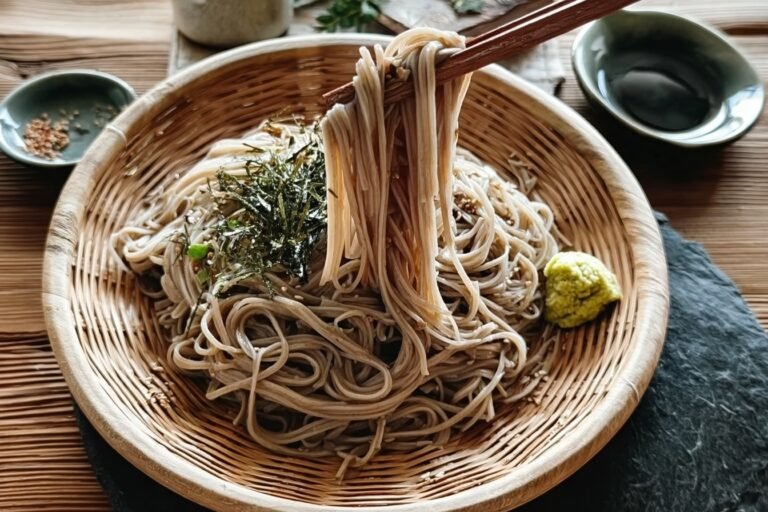
Japanese Soba Noodles
🍜 Lightning-fast 15-minute soba in umami-packed miso-sesame sauce – nutty, tangy refreshment for busy days!
🌿 Vegan buckwheat noodles bursting with flavor – gluten-free, slurpy side or light meal perfection.
- Total Time: 15 minutes
- Yield: 4 servings
Ingredients
– 8 ounces soba noodles
– 1/4 cup soy sauce or tamari or coconut aminos
– 3 tablespoons toasted sesame oil
– 2 tablespoons rice vinegar
– 1 tablespoon honey or maple syrup
– 1 tablespoon miso (white or yellow)
– 1 teaspoon grated garlic
– 4 green onions
– Sriracha to taste (optional)
– Sesame seeds for garnish
– 1 fried egg
– Tofu
– Shrimp
Instructions
1-First step: Boil the noodles Bring a large pot of water to a boil and cook 8 ounces of soba noodles according to the package directions, usually 4 to 5 minutes. Keep an eye on them, since soba cooks quickly and can go soft if left too long. Stir gently once or twice while cooking so the noodles do not stick together. If you plan to serve the dish cold, the timing matters even more. A short cook keeps the noodles springy, which helps them hold up once they are tossed with the sauce. For a warm serving, you can still follow the same method and finish with warm water instead of cool rinsing.
2-Second step: Rinse right away Drain the noodles in a strainer and rinse them under cool running water while tossing them with your hands or tongs. This is an important step for Japanese Soba Noodles because it removes extra starch and keeps the noodles from turning sticky or gummy. Shake off the excess water well after rinsing. If you want to serve the noodles warm, use warm water for the rinse instead of cold. That keeps the dish pleasantly warm without losing the clean texture that makes soba so nice to eat. Rinsing right away is one of the biggest secrets to better soba at home.
3-Third step: Mix the miso sesame sauce In a bowl, whisk together 1/4 cup soy sauce, 3 tablespoons toasted sesame oil, 2 tablespoons rice vinegar, 1 tablespoon honey or maple syrup, 1 tablespoon miso, and 1 teaspoon grated garlic. Stir until the miso is blended in and the sauce looks smooth. If you like heat, add Sriracha to taste. This sauce is simple, but it has a lot going on in a good way. The soy sauce brings salt, the sesame oil adds nuttiness, the vinegar gives brightness, the sweetener softens the edges, and the miso gives a deep, savory finish. If you like to prep ahead, this sauce can be made up to 3 days in advance and kept in the fridge.
4-Fourth step: Slice the green onions and prepare add-ins Thinly slice 4 green onions on the diagonal. This shape looks nice and gives you more surface area for a fresh bite in every forkful. If you are using add-ins like tofu, shrimp, or a fried egg, prepare them now so everything is ready to toss together. You can keep this recipe very simple or make it more filling depending on your needs. For a quick lunch, the noodles and sauce may be enough. For dinner, a protein topping can turn it into a more complete meal without much extra work.
5-Fifth step: Toss everything together Place the rinsed noodles in a large bowl or pan. Add the sauce and sliced green onions, then toss until the noodles are evenly coated. If you are using proteins or extra vegetables, fold them in gently so they stay in place and do not break apart. Try to serve the noodles soon after tossing for the best texture. If you let them sit too long, they can soak up too much sauce and lose some of their spring. A quick toss is usually all they need.
6-Final step: Garnish and serve Finish with sesame seeds for garnish and a little extra Sriracha if you want heat. If you like a deeper sesame taste, toast the sesame seeds in a dry pan for about 3 minutes before sprinkling them on top. That small step adds a lovely nutty finish.
Last Step:
Please leave a rating and comment letting us know how you liked this recipe! This helps our business to thrive and continue providing free, high-quality recipes for you.Notes
🚿 Rinse soba vigorously right after cooking to prevent sticky gumminess.
🥄 Use toasted sesame oil and toast seeds for maximum nutty aroma.
⏰ Make sauce ahead; leftovers keep 3 days in fridge – perfect meal prep.
- Prep Time: 10 minutes
- Cook Time: 5 minutes
- Category: Side Dishes
- Method: Boil
- Cuisine: Japanese
- Diet: Vegan
Nutrition
- Serving Size: 1 serving
- Calories: 320
- Sugar: 6g
- Sodium: 900mg
- Fat: 10g
- Saturated Fat: 1.5g
- Unsaturated Fat: 8.5g
- Trans Fat: 0g
- Carbohydrates: 48g
- Fiber: 3g
- Protein: 12g
- Cholesterol: 0mg