
Why You’ll Love This Moo Shu Pork
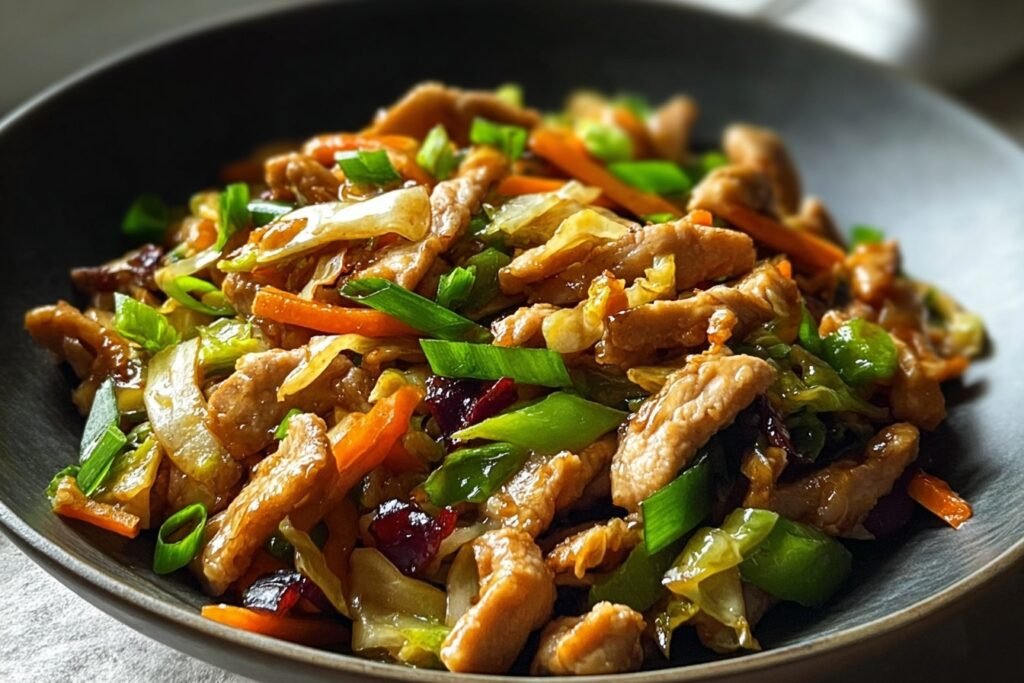
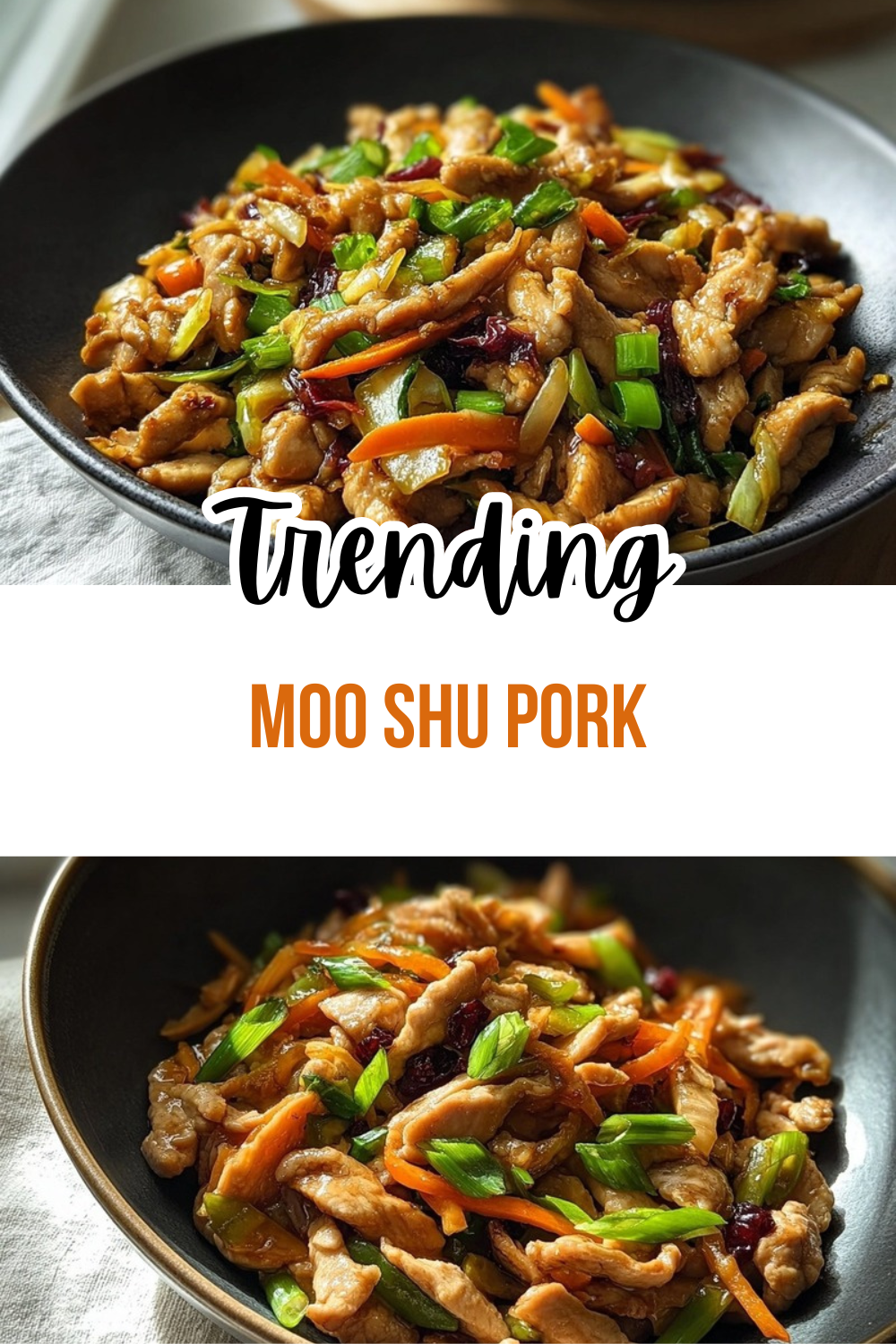
If you have been craving a cozy dinner that feels fun, fast, and full of flavor, Moo Shu Pork is such a winner. This classic Chinese-inspired stir-fry brings tender pork, crisp cabbage, warm ginger, and that sweet-savory hoisin taste together in one dish that always gets smiles at the table. My dad taught me the value of simple, home-cooked meals like this one, and honestly, that is part of the magic here.
- Easy to make on a busy night: Moo Shu Pork comes together quickly, which makes it perfect for home cooks, busy parents, students, and working professionals. You can prep the vegetables ahead of time and cook everything in one pan.
- Light but satisfying: This dish gives you protein, vegetables, and a rich flavor without feeling too heavy. Using cabbage and other crisp veggies helps add freshness and balance. For more on the nutrition profile of pork, you can read this pork nutrition guide from Healthline.
- Flexible for different diets: Moo Shu Pork can be adjusted for gluten-free, lower-calorie, or veggie-forward eating. You can swap the wrapper, change the sauce, or shift the protein without losing the spirit of the dish.
- Big flavor in every bite: The mix of hoisin sauce, soy sauce, ginger, pork, and vegetables creates the kind of savory, slightly sweet taste that makes this meal feel special. Every bite has a lovely mix of soft, crisp, and saucy textures.
My dad always said the best dinners do not need fancy steps. They just need good ingredients, a hot pan, and a little love.
This is the kind of recipe that works for weeknights, casual dinners, and family-style meals. It is comforting, fast, and full of personality, which is exactly why Moo Shu Pork deserves a spot in your regular rotation.
Jump to:
- Why You’ll Love This Moo Shu Pork
- Essential Ingredients for Moo Shu Pork
- Main Ingredients
- Traditional Time-Honored Ingredients
- Special Dietary Options
- How to Prepare the Perfect Moo Shu Pork: Step-by-Step Guide
- Step 1: Prep everything before you turn on the heat
- Step 2: Scramble the eggs first
- Step 3: Cook the pork until browned
- Step 4: Stir-fry the vegetables
- Step 5: Bring everything back together
- Step 6: Warm the pancakes
- Step 7: Assemble and serve
- Dietary Substitutions to Customize Your Moo Shu Pork
- Protein and Main Component Alternatives
- Vegetable, Sauce, and Seasoning Modifications
- Mastering Moo Shu Pork: Advanced Tips and Variations
- Flavor variations
- Presentation tips
- Make-ahead options
- How to Store Moo Shu Pork: Best Practices
- Refrigeration
- Freezing
- Reheating
- Meal prep considerations
- FAQs: Frequently Asked Questions About Moo Shu Pork
- What is moo shu pork?
- What ingredients do I need for moo shu pork?
- How do you make moo shu pork at home?
- What’s the difference between moo shu pork and regular pork stir-fry?
- Can I make moo shu pork ahead or freeze it?
- Moo Shu Pork
- Ingredients
- Instructions
- Last Step:
- Notes
- Nutrition
- Did you make this recipe?
Essential Ingredients for Moo Shu Pork
The beauty of Moo Shu Pork is that it uses simple ingredients with big payoff. Traditional versions vary by family and region, but the heart of the dish stays the same: pork, vegetables like cabbage, and seasonings such as hoisin sauce, soy sauce, and ginger. Below is a structured ingredient list that includes the classic recipe components and the ingredients from the version shared in your prompt.
Main Ingredients
- 1 lb pork tenderloin, sliced thin – The main protein, tender and quick to cook.
- 4 eggs, beaten – Adds softness and a rich, classic texture.
- 2 cups shredded napa cabbage – Brings crunch and freshness.
- 1 cup sliced shiitake mushrooms – Adds depth and earthy flavor.
- 1/2 cup bamboo shoots – Gives a crisp bite and traditional texture.
- 4 green onions, chopped – Adds color and a mild onion finish.
- 1/4 cup dried wood ear mushrooms, rehydrated – A time-honored ingredient for authentic texture.
- 3 tbsp hoisin sauce – Brings the signature sweet-savory flavor.
- 2 tbsp soy sauce – Adds saltiness and balance.
- 1 tbsp rice wine – Helps season and tenderize the pork.
- 1 tsp sesame oil – Adds aroma and a nutty finish.
- 2 garlic cloves, minced – Builds flavor in the pan.
- 1 tbsp ginger, minced – A traditional seasoning that gives warmth and freshness.
- 8 to 12 thin Chinese pancakes – Used for wrapping the filling tableside.
- 1/2 tsp cornstarch – Helps the pork stay tender during marinating.
- 1 tsp oil for eggs – Keeps the scramble light and quick.
- 1 tbsp oil for stir-frying – Helps everything cook fast over high heat.
Traditional Time-Honored Ingredients
Some older family recipes also include extra cabbage, more pork, and classic seasonings like ginger, hoisin sauce, and soy sauce in loose amounts rather than exact measures. That style is part of the charm of home cooking. It leaves room for your own taste, your own pan, and your own family table.
Special Dietary Options
- Vegan: Use tofu, tempeh, or mushrooms instead of pork. Swap the eggs for scrambled tofu and choose a vegan hoisin sauce.
- Gluten-free: Use gluten-free soy sauce or tamari, and serve with gluten-free wraps or lettuce cups instead of wheat pancakes.
- Low-calorie: Use less oil, add more cabbage, and serve the filling in lettuce wraps or over cauliflower rice.
For another helpful veggie reference, this cabbage nutrition article from Brown Health is worth a look.
How to Prepare the Perfect Moo Shu Pork: Step-by-Step Guide
Step 1: Prep everything before you turn on the heat
Start by slicing the pork thinly, chopping the cabbage, green onions, garlic, and ginger, and soaking the dried wood ear mushrooms if you are using them. This dish moves quickly once the pan gets hot, so having everything ready is the easiest way to keep Moo Shu Pork smooth and stress-free. If you are cooking for a gluten-free or low-calorie version, this is also the moment to choose your wraps or lettuce cups.
Next, beat the eggs in a small bowl and mix the pork with soy sauce, rice wine, and cornstarch. Let that sit for about 15 minutes. This short marinade helps tenderize the meat and gives the stir-fry deeper flavor. While you wait, warm the pancakes if needed or keep them covered so they stay soft.
Step 2: Scramble the eggs first
Heat 1 teaspoon of oil in a wok or large skillet over medium-high heat. Pour in the beaten eggs and scramble them gently until just set. They should look soft and fluffy, not dry. Remove them from the pan and set them aside.
This step matters because eggs cook fast and can overcook if left in the pan too long. If you are making a lighter version, use just a tiny bit of oil and keep the eggs tender. That way the final dish still feels rich without becoming heavy.
Step 3: Cook the pork until browned
Add 1 tablespoon of oil to the hot pan. Place the marinated pork in a single layer and let it sear for a minute before stirring. Cook for 2 to 3 minutes, or until the pork is browned and cooked through. Because the meat is sliced thin, it should finish quickly.
Do not overcrowd the pan. If needed, cook in two batches so the pork stays browned instead of steaming. That little trick helps Moo Shu Pork keep the savory flavor that makes restaurant versions so tasty. Transfer the pork to a plate once it is done.
Step 4: Stir-fry the vegetables
Add a little more oil if the pan looks dry, then toss in the garlic and ginger for about 15 seconds until fragrant. Add the cabbage, shiitake mushrooms, bamboo shoots, and wood ear mushrooms. Stir-fry for about 3 minutes, just until the vegetables soften slightly but still keep some crunch.
The goal here is texture. You want tender pork, soft eggs, and crisp vegetables all in one bite. If you prefer extra vegetables, this is a great place to add carrots, extra cabbage, or sliced bell peppers. Busy cooks can also chop the vegetables earlier in the day and keep them chilled until dinner time.
Step 5: Bring everything back together
Return the cooked pork and eggs to the pan. Add the hoisin sauce, soy sauce, and sesame oil. Toss everything together until the filling is evenly coated and heated through. The sauce should cling lightly to the ingredients without making them soggy.
If the mixture looks dry, add a tiny splash of water. If it looks too saucy, let it cook for another minute so the liquid reduces. This step is where all the flavors come together, and it is the moment when Moo Shu Pork starts smelling irresistible.
Step 6: Warm the pancakes
Warm the thin Chinese pancakes in the microwave for about 20 seconds under a damp paper towel, or steam them briefly until soft. If you are using lettuce wraps or gluten-free wraps, warm them only if the package suggests it. Keeping the wrappers soft makes assembly much easier.
For families, this is the fun part. Set the warm pancakes, filling, and extra hoisin sauce on the table so everyone can build their own wrap. It turns dinner into something interactive, which is perfect for kids, couples, and guests.
Step 7: Assemble and serve
Spoon a few tablespoons of the filling into each pancake, add a small swipe of hoisin sauce if you like, then roll or fold the wrap tightly. Serve immediately while everything is warm and fresh. If you want extra crunch, add a few raw green onions or a little shredded cabbage on top.
Moo Shu Pork works well as a stand-alone meal, but it also pairs nicely with rice or noodles if you want a bigger plate. The sweet-savory filling, soft wrapper, and crisp vegetables make each bite feel balanced and satisfying.

Dietary Substitutions to Customize Your Moo Shu Pork
Protein and Main Component Alternatives
If pork is not the right fit for your table, there are plenty of easy swaps that still keep the spirit of Moo Shu Pork. Thinly sliced chicken breast works well for a lighter take, while shrimp cooks fast and adds a mild sweetness. For a vegetarian or vegan version, use firm tofu, tempeh, or extra mushrooms instead of pork. These options hold flavor nicely and fit busy weeknight cooking.
If you want a richer meat option, chicken thigh can bring more juiciness. For a plant-based twist, shredded seitan gives a chewy texture that feels close to the original. The key is to keep the pieces thin and cook them quickly so the filling stays tender.
Vegetable, Sauce, and Seasoning Modifications
You can switch up the vegetables based on what is in season or already in your fridge. Napa cabbage, regular cabbage, carrots, bean sprouts, bell peppers, snow peas, and zucchini all work well. If you cannot find wood ear mushrooms or bamboo shoots, just add more cabbage and mushrooms to keep the texture lively.
For the sauce, use tamari instead of soy sauce if you need a gluten-free option. If hoisin sauce is too sweet for your taste, mix it with a little extra soy sauce, garlic, and ginger. You can also add a touch of chili paste if your family likes heat. For a lower-calorie version, serve the filling in lettuce cups and use less sauce.
These changes make the dish fit many diets without losing its charm. Whether you are cooking for kids, adults, or guests with special food needs, Moo Shu Pork stays flexible and still feels like a treat.
Mastering Moo Shu Pork: Advanced Tips and Variations
Once you know the basics, a few small tricks can make your Moo Shu Pork taste even better. The first rule is to keep your pan hot. High heat helps the pork brown quickly and keeps the vegetables crisp. If the heat drops too low, the filling can turn soft and lose that lively stir-fry texture. A wok is great, but a large skillet works too.
Another helpful tip is to cook in stages. Eggs first, pork second, vegetables third, then bring everything together at the end. That method keeps each ingredient tasting like itself instead of blending into one soft mixture. It also helps you control the salt and sauce level more easily.
Flavor variations
- Add a little chili garlic sauce for heat.
- Mix in shredded carrots for color and sweetness.
- Use mushrooms more heavily for a deeper, earthier taste.
- Swap some cabbage for bok choy or napa cabbage, depending on what you have.
Presentation tips
Serve the filling in a bowl lined with fresh green onions so it looks bright and inviting. Set the pancakes on a separate plate and let everyone assemble their own wraps. If you want a restaurant-style touch, add a small dish of extra hoisin sauce and a few sesame seeds on the side.
Make-ahead options
You can slice the pork and vegetables the day before and store them in separate containers. You can also mix the sauce ahead of time so dinner comes together even faster. For busy parents or students, this is a huge time saver. The filling can be cooked earlier in the day and reheated gently when it is time to eat.
That kind of flexibility is what makes this dish a repeat favorite. It is simple, comforting, and easy to adapt for real life.
How to Store Moo Shu Pork: Best Practices
Storing Moo Shu Pork the right way helps keep the filling tasty and safe to eat later. If you have leftovers, let the filling cool before packing it away. Keep the pancakes separate so they do not get soggy.
Refrigeration
Store the cooked filling in an airtight container in the fridge for up to 3 days. If you have leftover pancakes, wrap them well and refrigerate them separately. This works well for next-day lunches or quick dinners.
Freezing
The filling can be frozen for up to 1 month. Place it in a freezer-safe container or bag, press out extra air, and label it with the date. Do not freeze the assembled wraps, since the pancakes will lose their texture.
Reheating
Reheat the filling in a skillet over medium heat with a small splash of water to bring back moisture. You can also warm it in the microwave in short bursts, stirring between each round. Heat the pancakes separately under a damp towel or in a steamer until soft again.
Meal prep considerations
If you like planning ahead, chop the vegetables and marinate the pork before the week gets busy. Then all you need to do is cook and serve. That makes Moo Shu Pork a smart choice for meal prep, especially for working professionals and families who want something homemade without a lot of fuss.
FAQs: Frequently Asked Questions About Moo Shu Pork
What is moo shu pork?
What ingredients do I need for moo shu pork?
How do you make moo shu pork at home?
What’s the difference between moo shu pork and regular pork stir-fry?
Can I make moo shu pork ahead or freeze it?
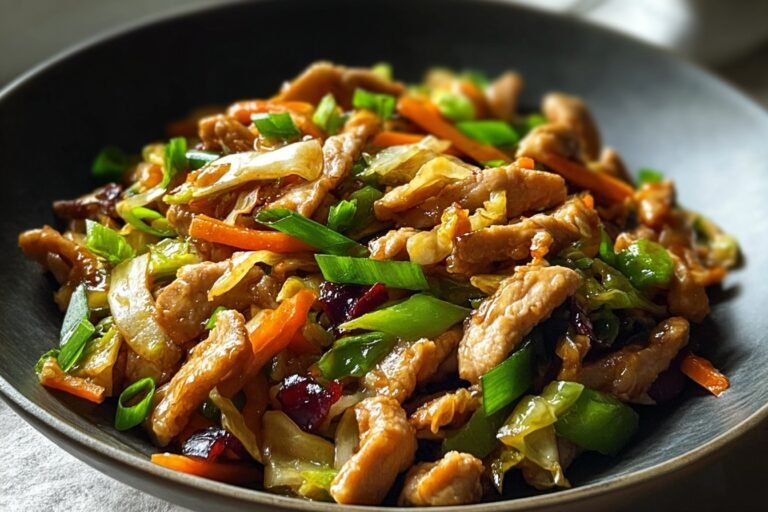
Moo Shu Pork
🥡 Tender marinated pork with crisp cabbage and scrambled eggs in sweet hoisin wraps – pro chef dad secrets for takeout-level flavor at home!
🥢 Quick stir-fry loaded with veggies and umami – customizable, fun family meal wrapped in warm pancakes.
- Total Time: 55 minutes
- Yield: 4 servings
Ingredients
– 1 lb pork tenderloin, sliced thin
– 4 eggs, beaten
– 2 cups shredded napa cabbage
– 1 cup sliced shiitake mushrooms
– 1/2 cup bamboo shoots
– 4 green onions, chopped
– 1/4 cup dried wood ear mushrooms, rehydrated
– 3 tbsp hoisin sauce
– 2 tbsp soy sauce
– 1 tbsp rice wine
– 1 tsp sesame oil
– 2 garlic cloves, minced
– 1 tbsp ginger, minced
– 8 to 12 thin Chinese pancakes
– 1/2 tsp cornstarch
– 1 tsp oil for eggs
– 1 tbsp oil for stir-frying
Instructions
1-Step 1: Prep everything before you turn on the heat Start by slicing the pork thinly, chopping the cabbage, green onions, garlic, and ginger, and soaking the dried wood ear mushrooms if you are using them. This dish moves quickly once the pan gets hot, so having everything ready is the easiest way to keep Moo Shu Pork smooth and stress-free. If you are cooking for a gluten-free or low-calorie version, this is also the moment to choose your wraps or lettuce cups. Next, beat the eggs in a small bowl and mix the pork with soy sauce, rice wine, and cornstarch. Let that sit for about 15 minutes. This short marinade helps tenderize the meat and gives the stir-fry deeper flavor. While you wait, warm the pancakes if needed or keep them covered so they stay soft.
2-Step 2: Scramble the eggs first Heat 1 teaspoon of oil in a wok or large skillet over medium-high heat. Pour in the beaten eggs and scramble them gently until just set. They should look soft and fluffy, not dry. Remove them from the pan and set them aside. This step matters because eggs cook fast and can overcook if left in the pan too long. If you are making a lighter version, use just a tiny bit of oil and keep the eggs tender. That way the final dish still feels rich without becoming heavy.
3-Step 3: Cook the pork until browned Add 1 tablespoon of oil to the hot pan. Place the marinated pork in a single layer and let it sear for a minute before stirring. Cook for 2 to 3 minutes, or until the pork is browned and cooked through. Because the meat is sliced thin, it should finish quickly. Do not overcrowd the pan. If needed, cook in two batches so the pork stays browned instead of steaming. That little trick helps Moo Shu Pork keep the savory flavor that makes restaurant versions so tasty. Transfer the pork to a plate once it is done.
4-Step 4: Stir-fry the vegetables Add a little more oil if the pan looks dry, then toss in the garlic and ginger for about 15 seconds until fragrant. Add the cabbage, shiitake mushrooms, bamboo shoots, and wood ear mushrooms. Stir-fry for about 3 minutes, just until the vegetables soften slightly but still keep some crunch. The goal here is texture. You want tender pork, soft eggs, and crisp vegetables all in one bite. If you prefer extra vegetables, this is a great place to add carrots, extra cabbage, or sliced bell peppers. Busy cooks can also chop the vegetables earlier in the day and keep them chilled until dinner time.
5-Step 5: Bring everything back together Return the cooked pork and eggs to the pan. Add the hoisin sauce, soy sauce, and sesame oil. Toss everything together until the filling is evenly coated and heated through. The sauce should cling lightly to the ingredients without making them soggy. If the mixture looks dry, add a tiny splash of water. If it looks too saucy, let it cook for another minute so the liquid reduces. This step is where all the flavors come together, and it is the moment when Moo Shu Pork starts smelling irresistible.
6-Step 6: Warm the pancakes Warm the thin Chinese pancakes in the microwave for about 20 seconds under a damp paper towel, or steam them briefly until soft. If you are using lettuce wraps or gluten-free wraps, warm them only if the package suggests it. Keeping the wrappers soft makes assembly much easier. For families, this is the fun part. Set the warm pancakes, filling, and extra hoisin sauce on the table so everyone can build their own wrap. It turns dinner into something interactive, which is perfect for kids, couples, and guests.
7-Step 7: Assemble and serve Spoon a few tablespoons of the filling into each pancake, add a small swipe of hoisin sauce if you like, then roll or fold the wrap tightly. Serve immediately while everything is warm and fresh. If you want extra crunch, add a few raw green onions or a little shredded cabbage on top. Moo Shu Pork works well as a stand-alone meal, but it also pairs nicely with rice or noodles if you want a bigger plate. The sweet-savory filling, soft wrapper, and crisp vegetables make each bite feel balanced and satisfying.
Last Step:
Please leave a rating and comment letting us know how you liked this recipe! This helps our business to thrive and continue providing free, high-quality recipes for you.Notes
🔪 Freeze pork 30 min before slicing for ultra-thin cuts – chef dad secret for tenderness!
🥚 Scramble eggs first and set aside; adds fluffy texture without overcooking.
🌿 High wok heat + constant toss keeps veggies crisp; don’t overcrowd.
- Prep Time: 20 minutes
- Marinating: 20 minutes
- Cook Time: 15 minutes
- Category: Main Dishes
- Method: Stir Fry
- Cuisine: Chinese
Nutrition
- Serving Size: 3 wraps
- Calories: 450
- Sugar: 10g
- Sodium: 1200mg
- Fat: 20g
- Saturated Fat: 5g
- Unsaturated Fat: 15g
- Trans Fat: 0g
- Carbohydrates: 40g
- Fiber: 4g
- Protein: 30g
- Cholesterol: 200mg