
Why You’ll Love This Otak Otak
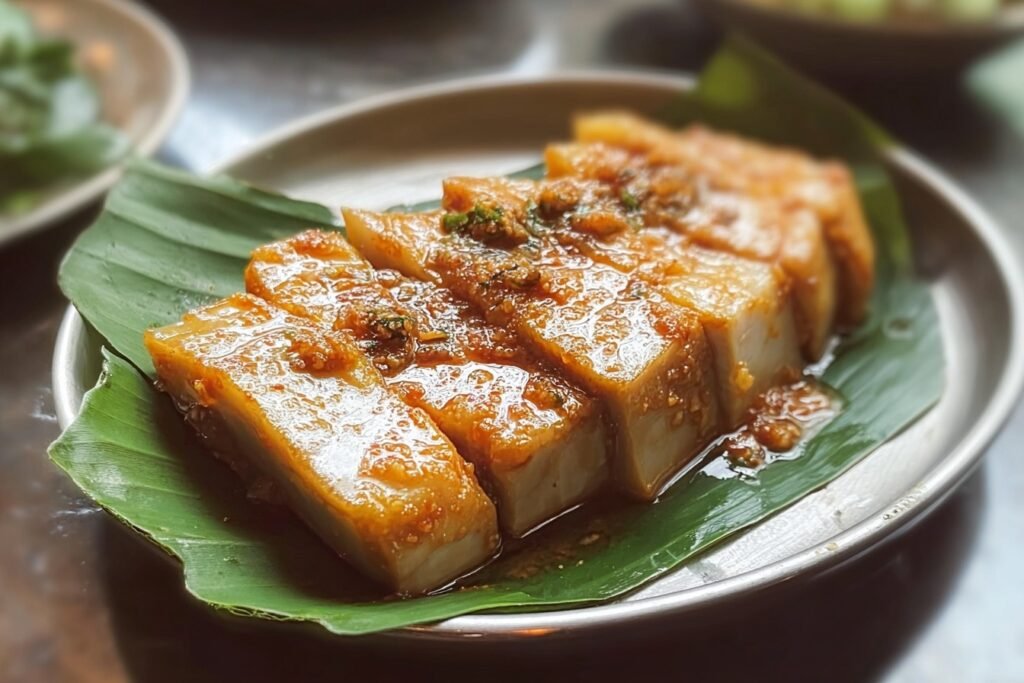
Otak Otak is a traditional grilled fish cake that brings together ground fish, spices, and starch in a simple but distinctive dish. It is known in many parts of Southeast Asia, especially in Indonesian and Malaysian cooking, where it is often wrapped in banana leaves and cooked over heat until fragrant. The result is soft, savory, and lightly smoky, with a texture that is firm enough to hold together yet tender when eaten.
- Easy preparation: Otak Otak comes together with basic mixing, shaping, and grilling. It suits home cooks who want a dish with a clear method and a short cooking time.
- Nutritious protein source: When made with mackerel or other oily fish, it offers protein and healthy fats. For readers interested in fish-based meals, see the health benefits of mackerel.
- Flexible for different diets: Otak Otak can be adjusted with alternative fish, lighter starch choices, or coconut milk in smaller amounts. It can also be shaped for grilling, steaming, or pan-cooking depending on the kitchen setup.
- Distinctive flavor: Garlic, shallot, pepper, salt, and optional chili paste create a savory base with warmth and color. The use of banana leaves, when available, adds aroma and a classic presentation.
Otak Otak is valued for its balance of fish, spice, and gentle smokiness, making it a practical dish for weeknight meals and special gatherings alike.
For readers who enjoy fish-forward recipes, you may also like our collection of simple home-cooked recipes for more meal ideas that fit busy schedules.
Jump to:
- Why You’ll Love This Otak Otak
- Essential Ingredients for Otak Otak
- Ingredient notes
- Special dietary options
- How to Prepare the Perfect Otak Otak: Step-by-Step Guide
- First step: prepare the fish and aromatics
- Second step: mix the base paste
- Third step: add optional flavoring
- Fourth step: shape the mixture
- Fifth step: grill until cooked through
- Final step: serve while warm
- Dietary Substitutions to Customize Your Otak Otak
- Protein and main component alternatives
- Vegetable, sauce, and seasoning modifications
- Mastering Otak Otak: Advanced Tips and Variations
- Pro cooking techniques
- Flavor variations
- Presentation tips
- Make-ahead options
- How to Store Otak Otak: Best Practices
- FAQs: Frequently Asked Questions About Otak Otak
- Otak Otak
- Ingredients
- Instructions
- Last Step:
- Notes
- Nutrition
- Did you make this recipe?
Essential Ingredients for Otak Otak
The ingredient list for Otak Otak is straightforward, but each part has a clear role. The fish gives body and flavor, the spices provide depth, and the starch helps create the firm, sliceable texture that defines the dish. Some versions also include coconut milk, herbs, and chili paste for richer taste and color.
| Ingredient | Purpose |
|---|---|
| 500 g ground mackerel, tenggiri, bandeng, or belida fish | Main protein and base flavor |
| 2 cloves garlic, minced | Sharp savory aroma |
| 2 shallots, minced | Mild sweetness and depth |
| 1 tsp ground pepper | Warm spice note |
| 1 tsp salt | Seasoning and balance |
| 3 tbsp tapioca starch or sago starch | Binding and texture |
| 2 tbsp coconut milk, optional | Extra richness and softness |
| 1 tbsp chopped herbs, optional | Fresh flavor |
| 1 tsp chili paste, optional | Color and gentle heat |
| Banana leaves, for wrapping, optional | Traditional aroma and presentation |
Ingredient notes
- Fish: Mackerel is common because it has a strong taste and good fat content. Tenggiri is also widely used in regional cooking. Bandeng and belida are traditional options when available.
- Starch: Tapioca starch or sago starch helps the paste hold shape during grilling. If the mixture feels too loose, a small amount more can be added.
- Coconut milk: This is optional, but it softens the mixture and gives a richer finish.
- Chili paste: Some cooks add chili paste for a deeper color and a mild spicy note.
If you need a fish guide for meal planning, you may find this article on fish and nutrition facts useful when choosing the best type of fish for your otak otak filling.
Special dietary options
- Vegan: Use mashed jackfruit, tofu, or hearts of palm with the same spice mix and starch.
- Gluten-free: Use tapioca starch or sago starch, which are naturally gluten-free.
- Low-calorie: Choose lean fish, reduce coconut milk, and grill rather than pan-fry.
How to Prepare the Perfect Otak Otak: Step-by-Step Guide
Otak Otak is usually made by blending fish and seasonings into a smooth paste, then shaping or wrapping the mixture before grilling. The steps below follow a practical home method that works well for busy cooks, students, and families. If banana leaves are unavailable, small foil packets or heat-safe parchment can be used, though the aroma will be less traditional.
First step: prepare the fish and aromatics
Start with fresh or properly thawed fish. Remove skin and bones if needed, then grind or pulse the fish until smooth. Finely mince the garlic and shallots so they blend evenly into the paste. This early preparation gives the dish a consistent texture and prevents pockets of raw seasoning.
Second step: mix the base paste
Combine the ground fish with garlic, shallots, pepper, salt, and tapioca starch or sago starch. If using coconut milk, add it slowly while mixing. The paste should feel moist but not runny. If it is too loose, a little more starch can be added. If it feels dry, add a small spoonful of coconut milk or water.
Third step: add optional flavoring
Stir in chopped herbs for freshness or chili paste for a deeper color and light heat. These additions are common in some Otak Otak versions and can be adjusted to taste. Keep the seasoning balanced so the fish flavor remains clear. For a milder version, leave out the chili paste and use only the basic spice mix.
Fourth step: shape the mixture
Scoop the paste into portions and shape each one into a flat oval or small log. Traditional Otak Otak is often wrapped in banana leaves, which are softened briefly over heat before use. Place the filling in the center, fold the leaf neatly, and secure it if needed. If using no wrapper, shape the paste into small patties for direct grilling or pan-cooking.
Fifth step: grill until cooked through
Heat a grill or grill pan over medium heat. Cook the wrapped or unwrapped fish cakes until the outside is lightly browned and the interior is firm. For banana leaf packets, the leaves may darken and release a fragrant aroma as the fish cooks. Turn carefully once or twice so the surface cooks evenly. Depending on size, the cooking time is often around 8 to 12 minutes.
Final step: serve while warm
Serve Otak Otak soon after cooking, while the texture is soft and the aroma is strongest. It pairs well with rice, a fresh cucumber salad, or a simple chili dip. For a more complete meal, serve it with steamed vegetables and a light soup. The dish is also convenient for packed lunches because it holds its shape well after cooling.
For the best result, keep the fish paste smooth and the heat moderate. High heat can dry the outside before the center is fully cooked.

Dietary Substitutions to Customize Your Otak Otak
Protein and main component alternatives
Otak Otak is most often made with mackerel, tenggiri, bandeng, or belida, but other fish can be used when those are not available. Tuna, snapper, pollock, and cod are workable choices, though lean fish may need a little extra coconut milk or starch to keep the paste moist. For a softer texture, some cooks mix two fish types together.
For non-fish eaters, a plant-based version can be made with tofu, mashed chickpeas, or jackfruit. The same garlic, shallot, pepper, salt, and starch combination can be used to preserve a similar savory profile. This makes the dish more accessible to vegetarian households while keeping the cooking method familiar.
Vegetable, sauce, and seasoning modifications
Herbs can be changed based on what is on hand. Cilantro, spring onion, or curry leaves can be used for a fresh note. Chili paste can be reduced for children or people who prefer mild flavors. A small amount of turmeric may be added for a warmer color, though it is not required in the classic recipe.
For a lighter meal, avoid extra oil and rely on grilling or steaming. If banana leaves are not available, use parchment-lined foil to retain moisture. For added freshness, serve the finished Otak Otak with cucumber, lime, or a simple vinegar dip.
Mastering Otak Otak: Advanced Tips and Variations
Pro cooking techniques
The texture of Otak Otak depends on how finely the fish is processed. A smooth paste gives the most traditional result, while a slightly coarse grind creates a more rustic bite. If the paste cracks while shaping, it may be too dry. Add a small spoonful of coconut milk or a bit more fish to bring it together.
Grilling over medium heat is preferred because it allows the outside to color slowly without drying the filling. Banana leaves should be briefly softened over heat or hot water before wrapping so they do not tear. If using a pan, a lid can help trap steam and cook the center evenly.
Flavor variations
Some regional versions use more chili paste for color and sharper heat. Others add herbs for freshness or a touch of sugar for balance. A small amount of toasted coconut can also be mixed in for a nuttier taste, though this is less common. The key is to keep the fish as the main flavor while adjusting the seasoning to suit the meal.
Presentation tips
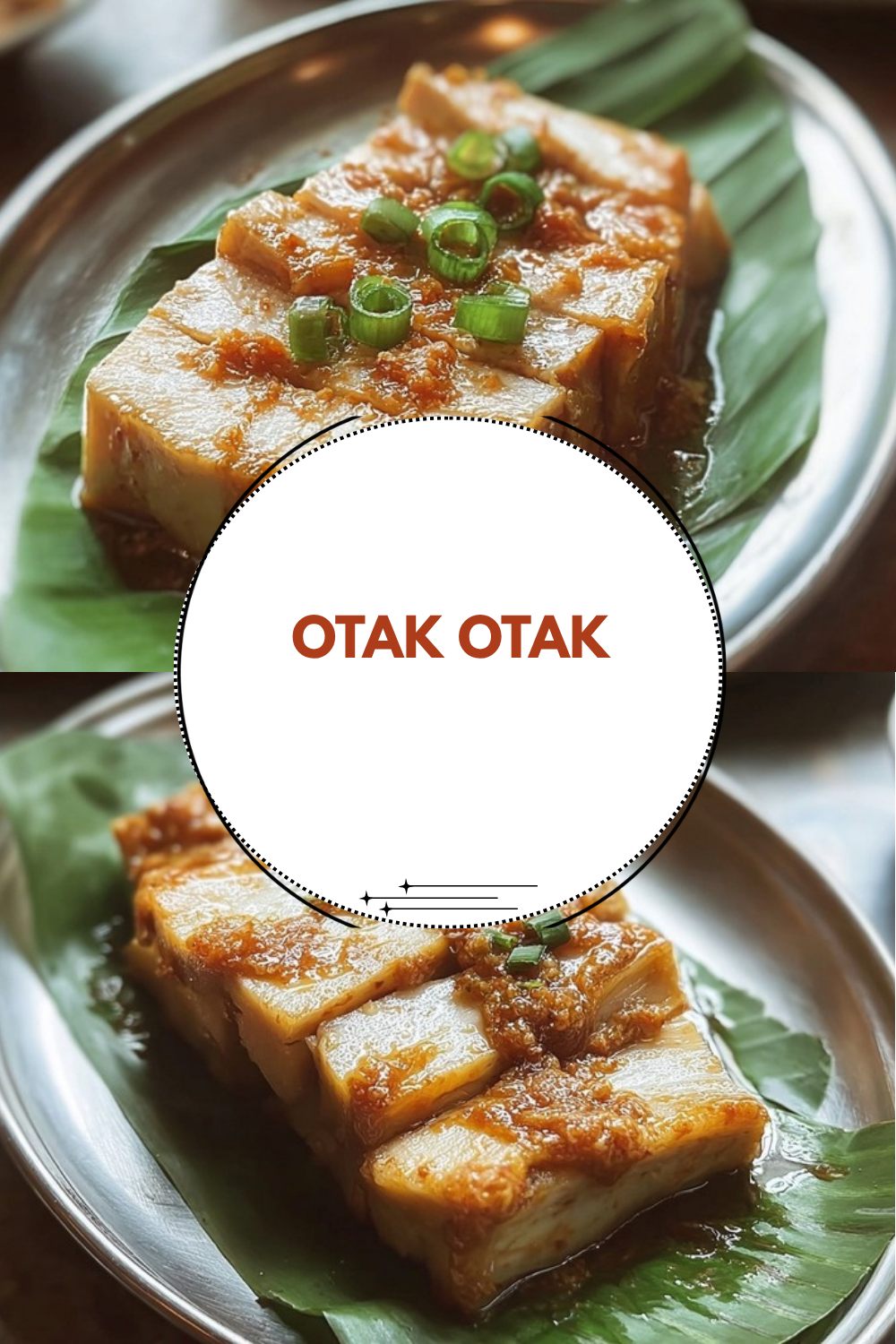
Banana leaf wraps give Otak Otak a classic market-style look and a pleasant aroma when opened. For a cleaner plate, place the grilled fish cakes on a serving tray with fresh herbs and lime wedges. If serving for guests, arrange them in neat rows so the shape and leaf wrapping are visible.
Make-ahead options
The fish mixture can be prepared a few hours ahead and kept chilled until cooking time. This is useful for working professionals, parents, and students who want less last-minute work. The shaped packets can also be frozen before grilling, then cooked straight from the freezer with a longer cooking time at moderate heat.
How to Store Otak Otak: Best Practices
Otak Otak stores well when handled properly, which makes it useful for batch cooking and meal planning. Keep the cooked fish cakes in an airtight container once they cool to room temperature. For short storage, refrigerate them promptly and eat within 2 to 3 days.
For longer storage, freeze the shaped uncooked packets or the fully cooked fish cakes. Wrap each piece tightly to prevent freezer burn, then place them in a sealed bag or container. Frozen Otak Otak is best used within 1 to 2 months for good flavor and texture.
Reheat chilled Otak Otak in a covered pan over low heat, in a steamer, or in a moderate oven until hot throughout. If frozen, thaw it in the refrigerator first when possible. Avoid high heat during reheating, since it can dry the fish and make the texture firm.
Batch cooking works well for Otak Otak because the mixture can be shaped in advance and cooked later, saving time on busy days.
FAQs: Frequently Asked Questions About Otak Otak
Print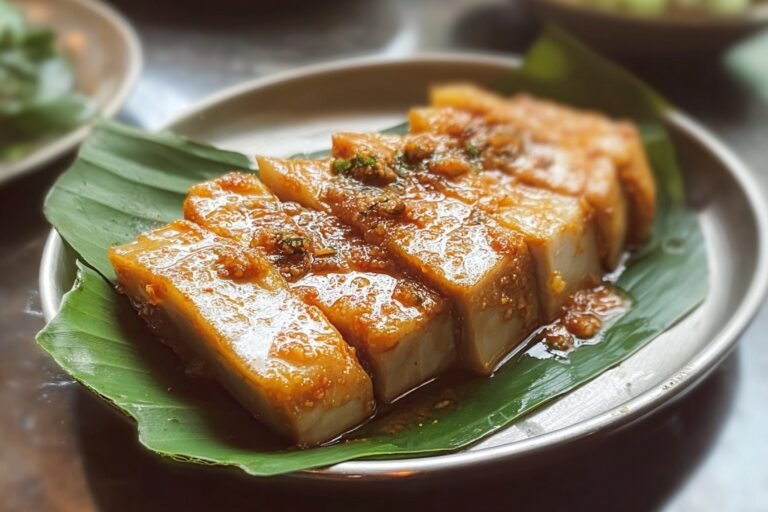
Otak Otak
🔥 Smoky, spiced grilled fish cakes wrapped in banana leaves – authentic Malaysian street food bursting with aromatic flavors!
🐟 Tender, protein-rich bites with fresh herbs and coconut – healthy, easy grill for parties or snacks.
- Total Time: 50 minutes
- Yield: 12-16 pieces (4 servings)
Ingredients
– 500 g ground mackerel, tenggiri, bandeng, or belida fish for main protein and base flavor
– 2 cloves garlic, minced for sharp savory aroma
– 2 shallots, minced for mild sweetness and depth
– 1 tsp ground pepper for warm spice note
– 1 tsp salt for seasoning and balance
– 3 tbsp tapioca starch or sago starch for binding and texture
– 2 tbsp coconut milk, optional for extra richness and softness
– 1 tbsp chopped herbs, optional for fresh flavor
– 1 tsp chili paste, optional for color and gentle heat
– Banana leaves, for wrapping, optional for traditional aroma and presentation
Instructions
1-First step: prepare the fish and aromatics Start with fresh or properly thawed fish. Remove skin and bones if needed, then grind or pulse the fish until smooth. Finely mince the garlic and shallots so they blend evenly into the paste. This early preparation gives the dish a consistent texture and prevents pockets of raw seasoning.
2-Second step: mix the base paste Combine the ground fish with garlic, shallots, pepper, salt, and tapioca starch or sago starch. If using coconut milk, add it slowly while mixing. The paste should feel moist but not runny. If it is too loose, a little more starch can be added. If it feels dry, add a small spoonful of coconut milk or water.
3-Third step: add optional flavoring Stir in chopped herbs for freshness or chili paste for a deeper color and light heat. These additions are common in some Otak Otak versions and can be adjusted to taste. Keep the seasoning balanced so the fish flavor remains clear. For a milder version, leave out the chili paste and use only the basic spice mix.
4-Fourth step: shape the mixture Scoop the paste into portions and shape each one into a flat oval or small log. Traditional Otak Otak is often wrapped in banana leaves, which are softened briefly over heat before use. Place the filling in the center, fold the leaf neatly, and secure it if needed. If using no wrapper, shape the paste into small patties for direct grilling or pan-cooking.
5-Fifth step: grill until cooked through Heat a grill or grill pan over medium heat. Cook the wrapped or unwrapped fish cakes until the outside is lightly browned and the interior is firm. For banana leaf packets, the leaves may darken and release a fragrant aroma as the fish cooks. Turn carefully once or twice so the surface cooks evenly. Depending on size, the cooking time is often around 8 to 12 minutes.
6-Final step: serve while warm Serve Otak Otak soon after cooking, while the texture is soft and the aroma is strongest. It pairs well with rice, a fresh cucumber salad, or a simple chili dip. For a more complete meal, serve it with steamed vegetables and a light soup. The dish is also convenient for packed lunches because it holds its shape well after cooling.
Last Step:
Please leave a rating and comment letting us know how you liked this recipe! This helps our business to thrive and continue providing free, high-quality recipes for you.Notes
🍌 Soften banana leaves over open flame for 10-20 seconds per side to prevent cracking during rolling.
🐟 Use fresh mackerel or tenggiri pounded by hand for authentic coarse texture; avoid over-processing.
🔥 Grill over indirect medium heat to cook evenly without burning the leaves.
- Prep Time: 30 minutes
- Cook Time: 20 minutes
- Category: Seafood
- Method: Grill
- Cuisine: Malaysian
Nutrition
- Serving Size: 3-4 pieces
- Calories: 250
- Sugar: 2g
- Sodium: 400mg
- Fat: 10g
- Saturated Fat: 3g
- Unsaturated Fat: 7g
- Trans Fat: 0g
- Carbohydrates: 15g
- Fiber: 1g
- Protein: 20g
- Cholesterol: 50mg