

Why You’ll Love Nepali Momo
Chicken nutrition and protein benefits can be part of a balanced meal, and Nepali Momo fits that idea well because it is flexible, satisfying, and easy to serve in many settings. This steamed dumpling is a practical choice for home cooks who want a dish that feels special without requiring complicated equipment.
- Ease of preparation: Nepali Momo uses a simple dough made from white flour and water, then a filling of meat or vegetables. The process is straightforward, and steaming keeps the cooking method clean and manageable for busy parents, students, and working professionals.
- Health benefits: Steamed dumplings can be lighter than fried snacks, especially when filled with vegetables such as cabbage, onion, garlic, and ginger. Meat fillings made with chicken, yak, goat, or buffalo provide protein, while vegetarian versions can be adapted for different dietary goals.
- Versatility: Nepali dumplings can be made with minced meat or plant-based fillings such as potatoes, cheese, mushrooms, or paneer. That makes the recipe suitable for mixed households, diet-conscious individuals, and travelers who enjoy regional food traditions.
- Distinctive flavor: The mix of salt, pepper, and coriander with aromatic vegetables gives momo a savory taste that is recognizable and comforting. The balance of soft wrapper, juicy filling, and dipping sauce makes each bite memorable.
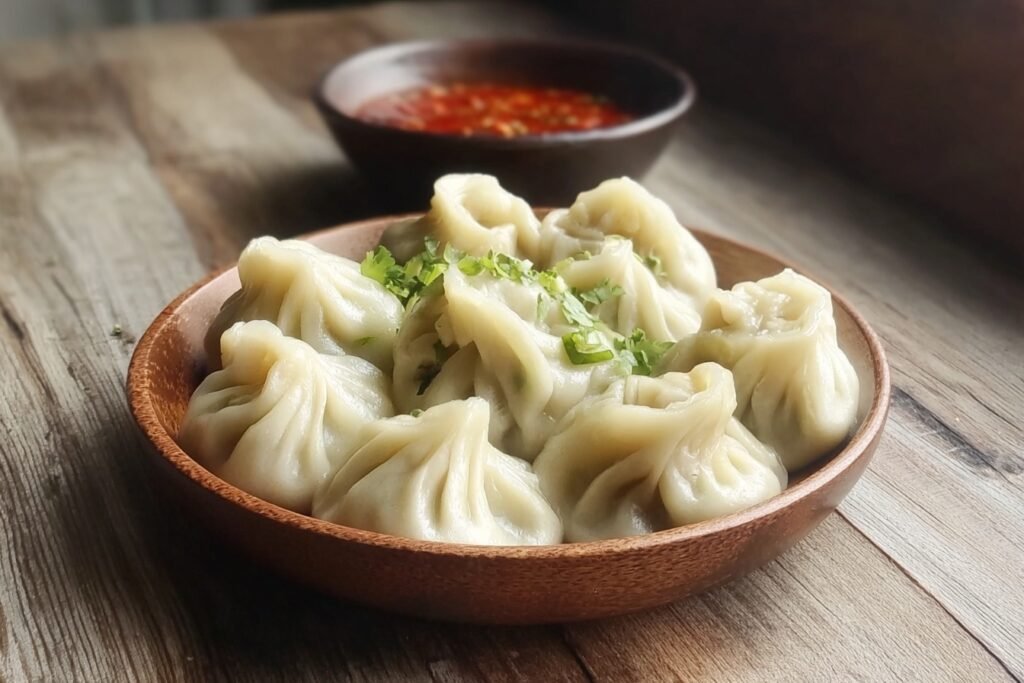
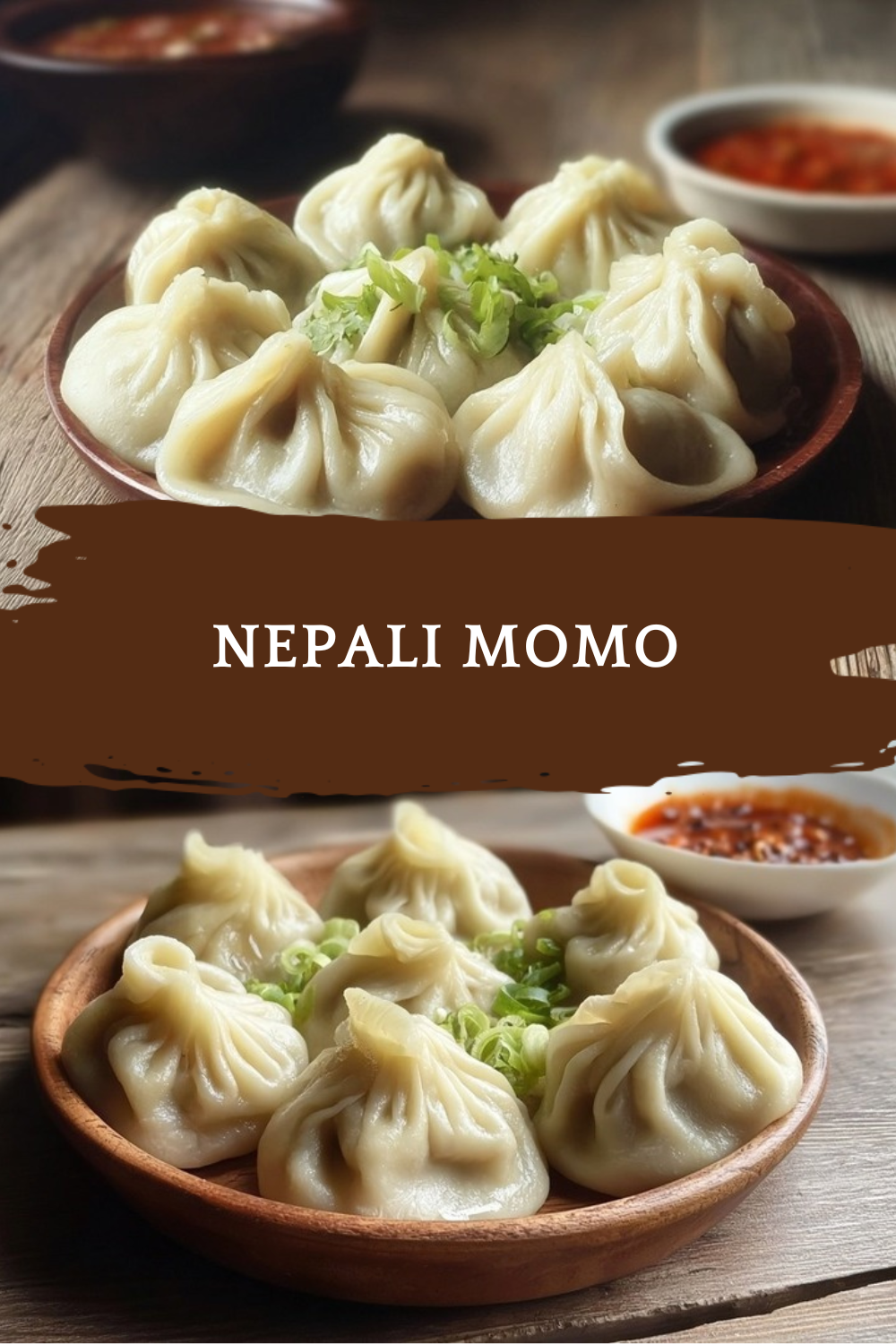
Nepali Momo is valued for its simple dough, savory filling, and steamed texture that works well for everyday meals or special gatherings.
For readers who like practical recipe planning, this dish also fits well with easy family meals from Recipes Valentina, since it can be prepared ahead and served with a sauce of your choice.
Jump to:
- Why You’ll Love Nepali Momo
- Essential Ingredients for Nepali Momo
- Main Ingredients
- Vegetarian Filling Options
- Special Dietary Options
- How to Prepare the Perfect Nepali Momo: Step-by-Step Guide
- First Step: Prepare the dough
- Second Step: Make the filling
- Third Step: Roll the wrappers
- Fourth Step: Fill and shape the momo
- Fifth Step: Arrange in the steamer
- Sixth Step: Steam until cooked
- Final Step: Serve hot with sauce
- Dietary Substitutions to Customize Your Nepali Momo
- Protein and Main Component Alternatives
- Vegetable, Sauce, and Seasoning Modifications
- Mastering Nepali Momo: Advanced Tips and Variations
- Pro cooking techniques
- Flavor variations
- Presentation tips
- Make-ahead options
- How to Store Nepali Momo: Best Practices
- FAQs: Frequently Asked Questions About Nepali Momo
- Nepali Momo
- Ingredients
- Instructions
- Last Step:
- Notes
- Nutrition
- Did you make this recipe?
Essential Ingredients for Nepali Momo
The ingredient list for Nepali Momo is simple, but each item matters. The wrapper depends on basic flour dough, while the filling can shift depending on whether you prefer meat, vegetables, or a vegetarian mixture. The quantities below are practical estimates because the source information does not provide exact measurements, so they can be adjusted to suit batch size and appetite.
Main Ingredients
| Ingredient | Suggested Amount | Purpose |
|---|---|---|
| White flour | 3 cups | Forms the dough for the momo wrapper. |
| Water | About 1 cup, added gradually | Brings the dough together and helps create a smooth texture. |
| Minced chicken, yak, goat, or buffalo | 2 cups | Provides the traditional savory filling and protein. |
| Cabbage | 1 cup, finely chopped | Adds moisture, texture, and light sweetness. |
| Onion | 1 medium, finely chopped | Gives depth and mild sharpness. |
| Garlic | 2 cloves, minced | Adds aroma and savory flavor. |
| Ginger | 1 tablespoon, minced | Brings warmth and a clean, fresh note. |
| Salt | 1 to 1 1/2 teaspoons | Seasoning for the dough and filling. |
| Black pepper | 1 teaspoon | Adds mild heat. |
| Coriander | 1 to 2 teaspoons, ground or chopped | Contributes a bright, herbal finish. |
Vegetarian Filling Options
- Potatoes: 2 medium potatoes, boiled and mashed, for a soft and filling base.
- Cheese: 1 cup crumbled or grated cheese, for a rich, salty filling.
- Mushrooms: 1 cup finely chopped mushrooms, for a savory, meaty texture.
- Paneer: 1 cup crumbled paneer, for a mild protein-rich vegetarian version.
Special Dietary Options
- Vegan: Replace meat and paneer with potatoes, mushrooms, cabbage, onion, garlic, and ginger.
- Gluten-free: Use a gluten-free flour blend that can form a workable dough with water.
- Low-calorie: Use more cabbage and mushrooms, and keep cheese or fatty meats to a minimum.
For more ingredient context, readers can also look at the benefits of cabbage in balanced meals, since cabbage is a common part of momo filling and adds texture without heaviness.
How to Prepare the Perfect Nepali Momo: Step-by-Step Guide
First Step: Prepare the dough
Place the white flour in a large bowl and add water slowly while mixing with your hand or a spoon. The goal is a smooth, firm dough that is not sticky and not dry. Knead it for 8 to 10 minutes until it feels elastic, then cover it and let it rest for at least 20 minutes. Resting helps the dough roll more easily and gives the wrappers a better texture when steamed.
Second Step: Make the filling
Combine the minced meat or vegetarian ingredients in a separate bowl. Add cabbage, onion, garlic, ginger, salt, pepper, and coriander. Mix well until the filling looks evenly seasoned. If using chicken or other meat, the mixture should be moist but not watery. For vegetarian momo, mash or chop the vegetables finely so the filling binds well and stays inside the wrapper.
Third Step: Roll the wrappers
Divide the rested dough into small pieces and shape each one into a ball. Roll each ball into a thin circle, keeping the center slightly thicker than the edges if possible. A wrapper that is too thick can taste heavy, while one that is too thin may tear during filling or steaming. Keep unused dough covered so it does not dry out.
Fourth Step: Fill and shape the momo
Place a spoonful of filling in the center of each wrapper. Fold the dough over the filling and pinch the edges together to seal. Traditional shapes vary, so you may form pleats or simple half-moon folds. The most important part is a tight seal, because open seams can leak during steaming. If you are preparing momo for children or seniors, smaller pieces may be easier to eat.
Fifth Step: Arrange in the steamer
Line a steamer basket with parchment, cabbage leaves, or a lightly oiled surface to stop sticking. Set the momo in a single layer with a little space between each dumpling so steam can move around them. Bring the water in the steamer base to a steady boil before placing the basket on top. Keep the heat at medium to medium-high so the steam stays active without boiling dry.
Sixth Step: Steam until cooked
Steam the momo for about 10 to 15 minutes, depending on size and filling. Meat-filled momo should be fully cooked through, while vegetable-filled versions may need slightly less time. Do not open the lid too often, since this releases steam and can slow the cooking process. The wrappers should turn slightly glossy and firm when done.
Final Step: Serve hot with sauce
Remove the momo carefully and serve them while hot. They are commonly paired with a tomato-based dipping sauce, chili sauce, or a spicy sesame sauce. If you want a milder meal, use plain yogurt or a light herb dip. Freshly steamed momo have the best texture, so try to serve them soon after cooking.
Good momo dough should feel soft and smooth, while the filling should be well seasoned and not too wet.

Dietary Substitutions to Customize Your Nepali Momo
Protein and Main Component Alternatives
Nepali Momo can be adapted for many diets without losing its core character. If chicken is not available, minced goat, buffalo, yak, or mixed vegetables can be used instead. Paneer gives a softer, richer vegetarian filling, while mushrooms create a more savory taste with a pleasant bite. For a plant-focused version, potatoes can be mixed with cabbage and onion to create a filling that is filling and mild.
Vegetable, Sauce, and Seasoning Modifications
You can change the filling based on season or preference. Add more cabbage for moisture, or reduce garlic if you want a gentler flavor. Fresh coriander can be increased for a brighter finish, while black pepper can be reduced for children or anyone sensitive to spice. For sauce, choose tomato chutney, soy-based dip, or a simple yogurt sauce. A low-salt version works well for diet-conscious individuals, and the steamed cooking method already keeps the dish lighter than many fried snacks.
Mastering Nepali Momo: Advanced Tips and Variations
Pro cooking techniques
For cleaner results, make the filling first and chill it briefly before shaping the dumplings. A colder filling is easier to handle and less likely to leak. When sealing the wrappers, press out air pockets so the momo do not burst while steaming. If you are making a large batch, work in small groups and keep the finished dumplings covered with a damp cloth.
Flavor variations
Different regions and families adjust momo in their own way. Some cooks add extra ginger for warmth, while others use more onion for sweetness. A little crushed coriander seed can deepen the aroma, and finely chopped mushrooms can add depth to vegetarian batches. If serving guests with different tastes, prepare two fillings, such as chicken and paneer, so everyone has a choice.
Presentation tips
Arrange the momo in a round pattern on a warm plate or in a bamboo-style steamer for a simple, neat presentation. Add a small bowl of dipping sauce in the center and finish with fresh coriander leaves. For family dinners, serve the dumplings with a side salad or light soup to create a fuller meal without adding much work.
Make-ahead options
The dough and filling can both be prepared in advance and kept chilled for short periods. You can also shape the momo ahead of time and steam them just before serving. This is useful for students, newlyweds, and working professionals who want a meal that fits a busy schedule. Batch preparation also makes it easier to cook once and eat twice.
How to Store Nepali Momo: Best Practices
Refrigeration: Cooked Nepali Momo can be kept in the refrigerator for up to 3 days in a sealed container. Let them cool first so condensation does not make the wrappers soggy.
Freezing: For longer storage, freeze uncooked momo on a tray until firm, then transfer them to a freezer bag. This keeps them separate and makes it easy to steam only the amount you need.
Reheating: Reheat steamed momo by steaming again for a few minutes or by using a microwave with a damp cover. Steaming keeps the wrapper softer and closer to the original texture.
Meal prep considerations: If making momo for batch cooking, prepare the filling and wrappers separately, then assemble before freezing. This method works well for families, seniors, and busy professionals who want ready-to-cook meals during the week.
FAQs: Frequently Asked Questions About Nepali Momo
Print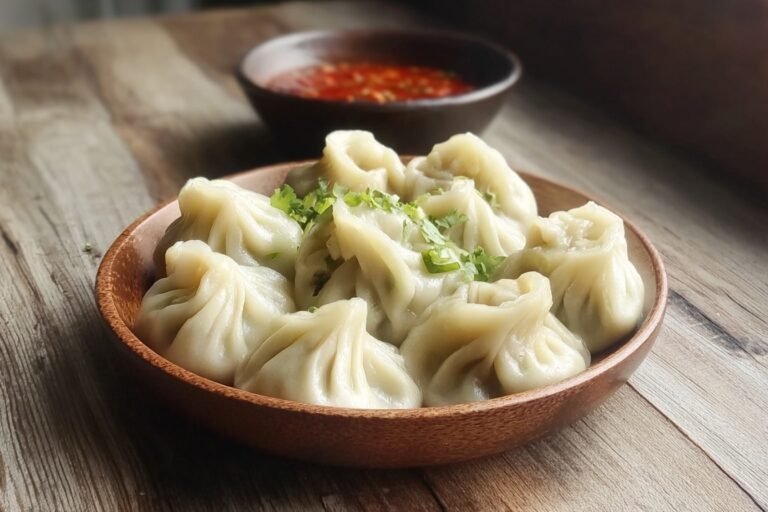
Nepali Momo
🥟 Juicy, spiced meat-filled steamed dumplings – authentic Nepali momos that burst with flavor in every bite!
🍲 Versatile, healthy appetizer or meal, easy to make at home for parties, snacks, or family dinners.
- Total Time: 1 hour 15 minutes
- Yield: 24 momos (4 servings)
Ingredients
– 3 cups white flour for the momo wrapper
– About 1 cup, added gradually water for smooth dough texture
– 2 cups minced chicken, yak, goat, or buffalo for savory filling and protein
– 1 cup, finely chopped cabbage for moisture, texture, and light sweetness
– 1 medium, finely chopped onion for depth and mild sharpness
– 2 cloves, minced garlic for aroma and savory flavor
– 1 tablespoon, minced ginger for warmth and clean, fresh note
– 1 to 1 1/2 teaspoons salt for seasoning dough and filling
– 1 teaspoon black pepper for mild heat
– 1 to 2 teaspoons, ground or chopped coriander for bright, herbal finish
– 2 medium potatoes, boiled and mashed for soft and filling base
– 1 cup crumbled or grated cheese for rich, salty filling
– 1 cup finely chopped mushrooms for savory, meaty texture
– 1 cup crumbled paneer for mild protein-rich vegetarian version
Instructions
1-First Step: Prepare the dough Place the white flour in a large bowl and add water slowly while mixing with your hand or a spoon. The goal is a smooth, firm dough that is not sticky and not dry. Knead it for 8 to 10 minutes until it feels elastic, then cover it and let it rest for at least 20 minutes. Resting helps the dough roll more easily and gives the wrappers a better texture when steamed.
2-Second Step: Make the filling Combine the minced meat or vegetarian ingredients in a separate bowl. Add cabbage, onion, garlic, ginger, salt, pepper, and coriander. Mix well until the filling looks evenly seasoned. If using chicken or other meat, the mixture should be moist but not watery. For vegetarian momo, mash or chop the vegetables finely so the filling binds well and stays inside the wrapper.
3-Third Step: Roll the wrappers Divide the rested dough into small pieces and shape each one into a ball. Roll each ball into a thin circle, keeping the center slightly thicker than the edges if possible. A wrapper that is too thick can taste heavy, while one that is too thin may tear during filling or steaming. Keep unused dough covered so it does not dry out.
4-Fourth Step: Fill and shape the momo Place a spoonful of filling in the center of each wrapper. Fold the dough over the filling and pinch the edges together to seal. Traditional shapes vary, so you may form pleats or simple half-moon folds. The most important part is a tight seal, because open seams can leak during steaming. If you are preparing momo for children or seniors, smaller pieces may be easier to eat.
5-Fifth Step: Arrange in the steamer Line a steamer basket with parchment, cabbage leaves, or a lightly oiled surface to stop sticking. Set the momo in a single layer with a little space between each dumpling so steam can move around them. Bring the water in the steamer base to a steady boil before placing the basket on top. Keep the heat at medium to medium-high so the steam stays active without boiling dry.
6-Sixth Step: Steam until cooked Steam the momo for about 10 to 15 minutes, depending on size and filling. Meat-filled momo should be fully cooked through, while vegetable-filled versions may need slightly less time. Do not open the lid too often, since this releases steam and can slow the cooking process. The wrappers should turn slightly glossy and firm when done.
7-Final Step: Serve hot with sauce Remove the momo carefully and serve them while hot. They are commonly paired with a tomato-based dipping sauce, chili sauce, or a spicy sesame sauce. If you want a milder meal, use plain yogurt or a light herb dip. Freshly steamed momo have the best texture, so try to serve them soon after cooking.
Last Step:
Please leave a rating and comment letting us know how you liked this recipe! This helps our business to thrive and continue providing free, high-quality recipes for you.Notes
🥬 Finely chop veggies and squeeze out excess moisture to prevent soggy filling.
🔥 Don’t overfill dumplings to avoid bursting during steaming.
🕒 Rest dough for at least 30 minutes for pliable wrappers that seal easily.
- Prep Time: 30 minutes
- Resting Time: 30 minutes
- Cook Time: 15 minutes
- Category: Appetizers
- Method: Steam
- Cuisine: Nepali
Nutrition
- Serving Size: 6 momos
- Calories: 400
- Sugar: 3g
- Sodium: 600mg
- Fat: 15g
- Saturated Fat: 3g
- Unsaturated Fat: 12g
- Trans Fat: 0g
- Carbohydrates: 40g
- Fiber: 2g
- Protein: 20g
- Cholesterol: 70mg