
Why You’ll Love This Korean Naengmyeon
Korean Naengmyeon is the kind of meal that makes hot days feel a little more bearable. This refreshing Korean cold noodle soup is chilled, tangy, and just plain fun to eat, especially when you want something light but still satisfying. If you love a meal that wakes up your taste buds without keeping you in the kitchen all day, this mul naengmyeon recipe is a winner.
- Easy enough for busy days: The noodle cook time is short, and the broth can be made ahead. That makes this naengmyeon recipe a great pick for home cooks, students, and working professionals who want something fast but special.
- Cool and satisfying: Korean cold noodles are served ice-cold, which makes them perfect for summer. The chilled broth, crisp cucumber, sweet pear, and chewy noodles create a meal that feels refreshing from the first bite to the last slurp.
- Light but filling: With beef brisket, egg, and plenty of fresh toppings, Korean Naengmyeon gives you protein, crunch, and flavor without feeling heavy. It is a smart choice for diet-conscious eaters who still want a real meal.
- Flexible and friendly: You can adjust the toppings, swap ingredients, or keep the mustard and vinegar on the side. That makes this Korean naengmyeon recipe easy to adapt for different tastes and needs.
When the weather turns sticky, mul naengmyeon is the kind of meal that cools you down and makes you smile at the same time.
If you are curious about more comforting noodle meals, you might also like our cozy recipe collection for everyday home cooking.
Jump to:
- Why You’ll Love This Korean Naengmyeon
- Essential Ingredients for Korean Naengmyeon
- Noodles and toppings
- Naengmyeon broth
- Special dietary options
- How to Prepare the Perfect Korean Naengmyeon: Step-by-Step Guide
- First step: Make the broth base
- Second step: Strain and season the broth
- Third step: Prepare the toppings
- Fourth step: Cook and rinse the noodles
- Fifth step: Assemble the bowls
- Final step: Eat it the Korean way
- Dietary Substitutions to Customize Your Korean Naengmyeon
- Protein and main component alternatives
- Vegetable, sauce, and seasoning modifications
- Mastering Korean Naengmyeon: Advanced Tips and Variations
- Pro cooking techniques
- Flavor variations
- Presentation tips
- Make-ahead options
- How to Store Korean Naengmyeon: Best Practices
- Refrigeration
- Freezing
- Reheating
- Meal prep considerations
- FAQs: Frequently Asked Questions About Korean Naengmyeon
- What is Korean naengmyeon?
- What is mul naengmyeon?
- Mul naengmyeon vs bibim naengmyeon?
- How do you eat naengmyeon?
- How to make mul naengmyeon at home?
- Korean Naengmyeon
- Ingredients
- Instructions
- Last Step:
- Notes
- Nutrition
- Did you make this recipe?
Essential Ingredients for Korean Naengmyeon
For the best Korean Naengmyeon, keep the ingredients simple and cold. This recipe serves 2 and uses a mix of chewy noodles, savory broth, and fresh toppings. If you want the classic mul naengmyeon taste, the broth matters just as much as the noodles.
Noodles and toppings
- 200 g dried naengmyeon noodles – The chewy base of the dish.
- 50 g Korean or nashi pear, thinly sliced – Adds sweet, juicy crunch.
- 40 g pickled radish or dongchimi radish, thinly sliced – Brings tang and a little bite.
- 40 g cucumber, julienned – Gives a cool, fresh crunch.
- 1 hard-boiled egg, halved – Adds richness and protein.
- Toasted sesame seeds, for garnish – Adds nuttiness and a pretty finish.
- Mustard paste, optional – Gives a sharp kick if you like a bolder flavor.
- White or apple cider vinegar, optional – Helps brighten the broth.
Naengmyeon broth
- 4 cups water – The base for the broth.
- 150 g beef brisket – Adds savory depth and body. For more about beef as a protein, see this guide to beef nutrition and benefits.
- 20 g onion, peeled – Helps build flavor.
- 5 g green onion (white part) – Adds mild onion flavor.
- 10 whole black peppercorns – Gives the broth gentle warmth.
- 2 cups dongchimi radish water kimchi brine – This is what gives mul naengmyeon its classic tang.
- 2 tablespoons white or apple cider vinegar – Sharpens the flavor.
- 1 tablespoon Korean or nashi pear juice, from grated and strained pear – Adds clean sweetness.
- 1.5 tablespoons fine sugar – Balances the salty and sour notes.
- 0.5 teaspoon fine sea salt – Seasons the broth.
- 0.25 teaspoon mustard powder – Adds a little heat and classic Korean noodle character.
Special dietary options
- Vegan: Swap the beef brisket for a rich mushroom stock and use extra dongchimi brine or a little soy-free seasoning for depth.
- Gluten-free: Use gluten-free naengmyeon noodles if available and check that your kimchi brine and mustard paste are gluten-free.
- Low-calorie: Reduce the sugar slightly, use less brisket, and add more cucumber and pear for volume and freshness.
| Ingredient | Why it matters | Easy swap |
|---|---|---|
| Naengmyeon noodles | Chewy texture that defines Korean cold noodles | Gluten-free noodles if needed |
| Dongchimi brine | Creates the signature tangy broth | Extra vinegar plus chilled stock |
| Beef brisket | Deep savory flavor | Mushrooms or kombu for a meatless version |
| Pear | Sweet balance for the sour broth | Asian pear or a splash of pear juice |
If you enjoy ingredient-focused guides, you may also like our simple cooking tips for weeknight meals.
How to Prepare the Perfect Korean Naengmyeon: Step-by-Step Guide
Making Korean Naengmyeon at home is easier than it looks. The biggest trick is getting everything cold enough. The broth should be icy, the noodles should be rinsed well, and the toppings should be prepped before you start assembling. Once you have that rhythm, this mul naengmyeon recipe comes together smoothly.
First step: Make the broth base
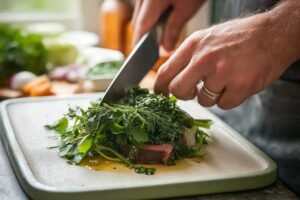
In a medium pot, combine 4 cups water, 150 g beef brisket, 20 g peeled onion, 5 g green onion white part, and 10 whole black peppercorns. Bring it to a gentle boil, then lower the heat and simmer until the beef is tender and the broth tastes rich. This usually takes about 1.5 to 2 hours, depending on the brisket cut.
As the broth simmers, skim any foam that rises to the top. That keeps the broth cleaner and smoother. If you are cooking for a busy schedule, you can make the broth the day before and chill it overnight, which also makes it easier to remove excess fat.
Second step: Strain and season the broth
Once the beef is tender, strain the broth through a fine sieve. Let it cool a bit, then stir in 2 cups dongchimi radish water kimchi brine, 2 tablespoons white or apple cider vinegar, 1 tablespoon Korean or nashi pear juice, 1.5 tablespoons fine sugar, 0.5 teaspoon fine sea salt, and 0.25 teaspoon mustard powder. Taste the broth and adjust it if needed.
This is the moment where mul naengmyeon starts to taste like the real thing. The broth should be tangy, lightly sweet, and refreshing, not too salty. If you like a sharper bite, add a little more vinegar. If you want extra heat, serve mustard paste on the side.
Chill the broth until it is very cold before serving. Cold broth is the heart of Korean Naengmyeon.
Third step: Prepare the toppings
While the broth chills, slice 50 g Korean or nashi pear into thin pieces. Cut 40 g pickled radish or dongchimi radish into thin slices, and julienne 40 g cucumber. Halve 1 hard-boiled egg. Toast a little sesame seed if you want extra aroma, though pre-toasted seeds work fine too.
The toppings are simple, but they matter. The pear gives sweetness, the cucumber adds crunch, and the pickled radish brings that bright tang people love in Korean cold noodles. If you want to make the bowl feel a little richer, you can add a few slices of the brisket from the broth to the top of each serving.
Fourth step: Cook and rinse the noodles
Bring a pot of water to a boil and cook 200 g dried naengmyeon noodles according to the package directions, usually 3 to 4 minutes. Do not overcook them. Korean Naengmyeon should stay chewy and springy, not soft and soggy. Once the noodles are done, drain them right away and rinse them under cold running water.
Then give the noodles a good rinse in ice water. This step helps remove starch and cools the noodles fast. You can even swish them around with your hands a few times to separate them. Drain them well so your broth stays clear and cold instead of getting cloudy.
Fifth step: Assemble the bowls
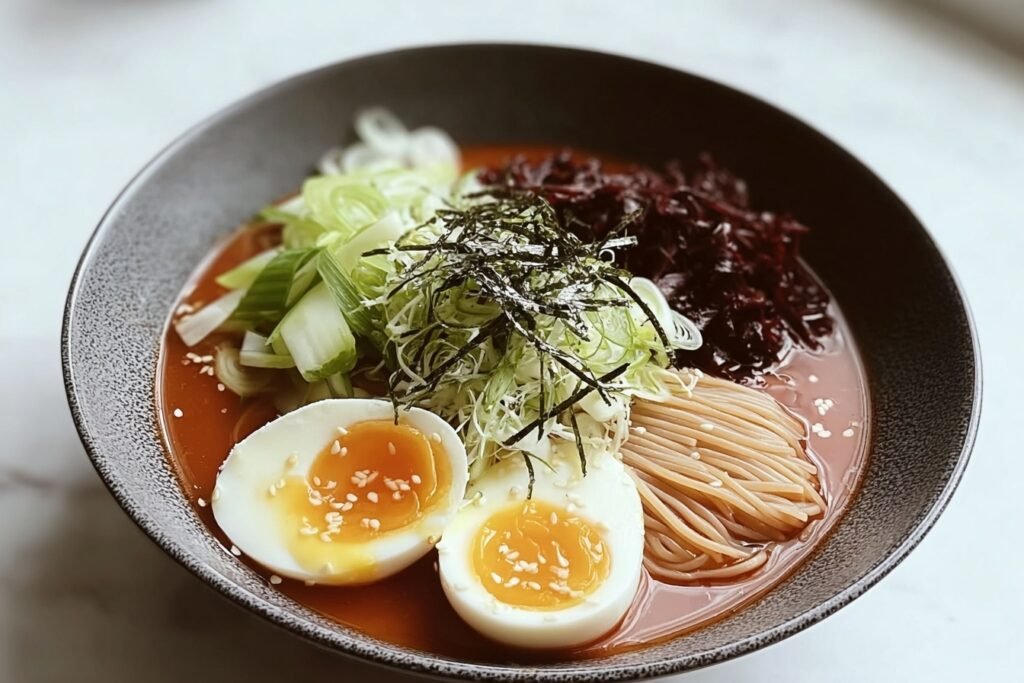
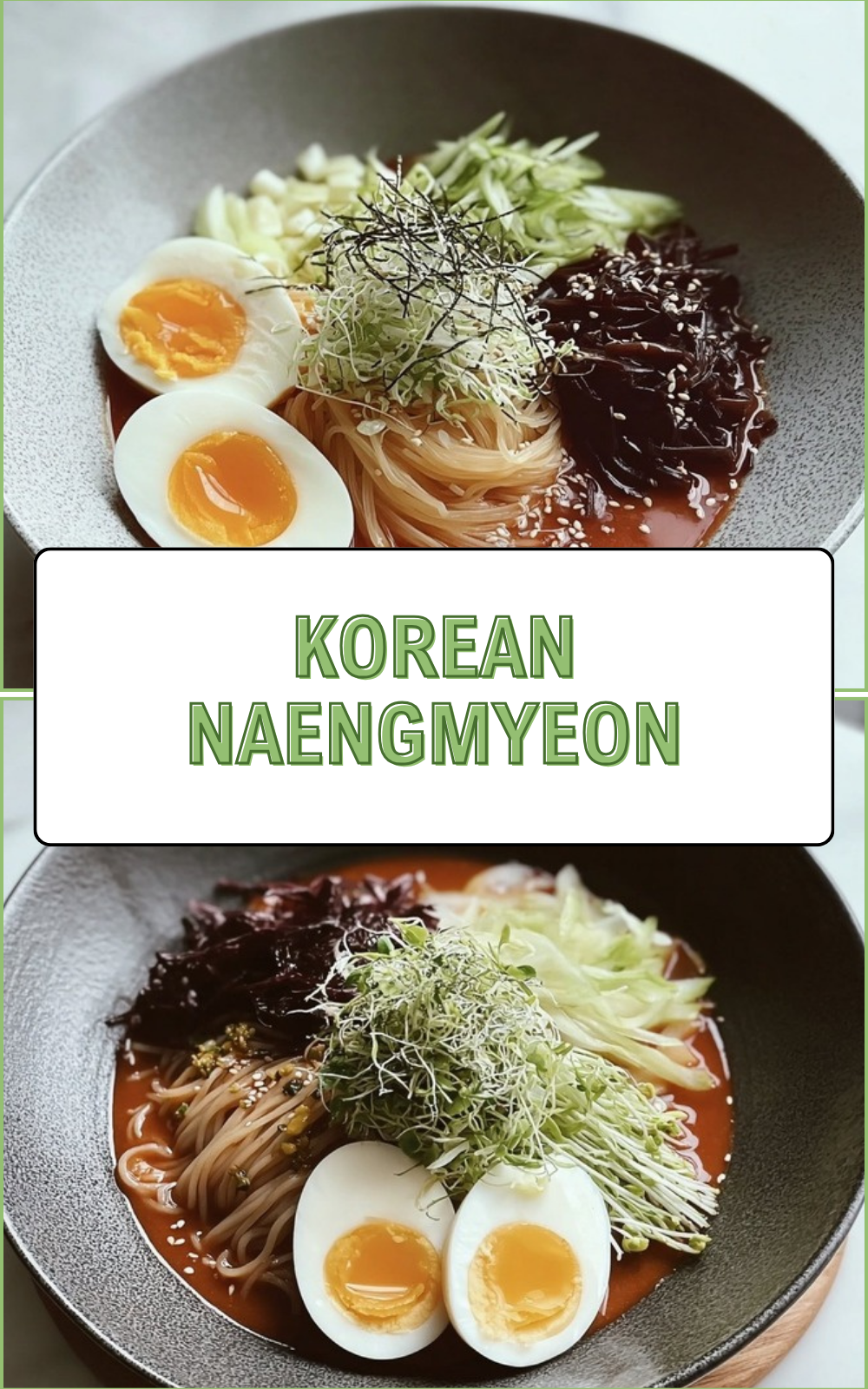
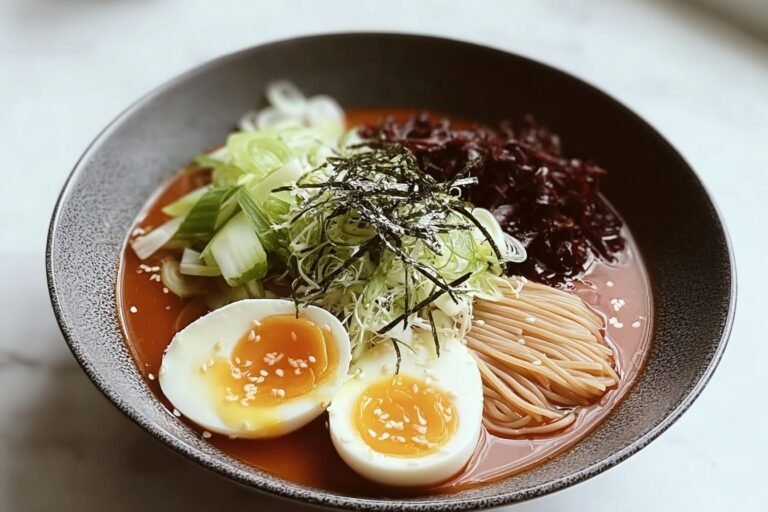
Divide the noodles between two bowls. Pour the chilled broth over the top, then arrange the pear, radish, cucumber, and egg on each serving. Sprinkle with toasted sesame seeds. If you like a stronger flavor, add mustard paste and a tiny splash of vinegar at the table.
For the best experience, serve the bowls immediately. Korean Naengmyeon is at its best when the broth is icy and the noodles still have that chewy bite. If you want the broth extra cold, pop the bowls in the fridge for a few minutes before serving.
Final step: Eat it the Korean way
Mix the toppings into the broth before you start slurping. The sweet pear, tangy radish, and savory egg all blend into the broth as you eat, which makes every bite taste a little different. Use chopsticks for the noodles and a spoon for the broth.
This dish is especially nice after Korean barbecue because it cuts through rich, smoky flavors so well. It also works as a light lunch, a summer dinner, or a fun weekend meal when you want something different from your usual noodle bowl.

Dietary Substitutions to Customize Your Korean Naengmyeon
Protein and main component alternatives
If you want a lighter or meat-free version of Korean Naengmyeon, there are a few easy ways to change it up. The beef brisket adds classic depth, but it is not the only route. You can use mushrooms, kombu, or a light vegetable stock if you need a vegetarian or vegan bowl.
For extra protein without beef, try shredded chicken breast, tofu strips, or even a jammy soft-boiled egg in place of the hard-boiled one. If you are watching sodium, use less brine and boost flavor with a bit more pear juice and vinegar instead.
Vegetable, sauce, and seasoning modifications
The toppings are flexible, which is great when your fridge is looking a little bare. Swap cucumber for zucchini ribbons, use Asian pear instead of Korean pear, or add sliced lettuce for more crunch. If you cannot find dongchimi radish, use regular pickled radish or a mild kimchi.
You can also adjust the broth flavor to match your taste. Some people love extra mustard paste, while others prefer just a little vinegar. If you want a milder bowl, reduce the mustard powder and sugar slightly. For a stronger tang, add another spoonful of brine. That is the beauty of a good mul naengmyeon recipe. It can bend a bit without losing its cool.
Mastering Korean Naengmyeon: Advanced Tips and Variations
Pro cooking techniques
There are a few small tricks that make Korean Naengmyeon taste more like the versions served in Korean restaurants. First, chill the broth thoroughly. Warm broth kills the whole vibe. Second, rinse the noodles until the water runs clear and the starch is gone. Third, keep the toppings cold until the last minute.
If you want a clearer broth, make it a day ahead and chill it overnight. The fat will rise and harden, so you can lift it off before serving. That gives you a cleaner, brighter taste. You can also freeze part of the broth for about 30 minutes before serving to get that slushy, frosty edge people love in summer.
Flavor variations
There is more than one way to enjoy Korean cold noodles. Some cooks add a tiny bit more pear for sweetness, while others use extra vinegar for a sharper finish. You can also add a spoonful of beef from the broth on top for a richer bite. If you like a more dramatic contrast, add a few slices of kimchi on the side.
For a spicier twist, serve a little gochugaru or chili paste with the mustard. For a softer, sweeter bowl, keep the seasonings gentle and let the pear shine. Both styles work, and both still feel like true mul naengmyeon.
Presentation tips
Serve the noodles in deep, wide bowls so the broth and toppings have room. Lay the cucumber and pear in neat little piles for a clean look, then place the egg half on top. A sprinkle of sesame seeds makes the bowl look finished without much effort.
If you are serving guests, bring the mustard and vinegar to the table in small dishes. That way everyone can season their bowl the way they like it. It is a simple touch, but it makes the meal feel thoughtful and relaxed.
Make-ahead options
Korean Naengmyeon is a smart make-ahead meal for busy parents and working professionals. The broth can be made 1 to 2 days ahead, the egg can be boiled early, and the toppings can be sliced in the morning. Keep everything cold, and cook the noodles right before serving.
If you are planning a summer get-together, this is a great dish to prep in batches. Just remember that the noodles should not sit in broth for too long before eating, or they will lose their bounce.
How to Store Korean Naengmyeon: Best Practices
Like most noodle soups, Korean Naengmyeon is best fresh, but you can still store parts of it safely if needed. Keep the broth, noodles, and toppings separate whenever possible. That helps the dish stay crisp and pleasant instead of soggy.
Refrigeration
Store the broth in an airtight container in the refrigerator for up to 2 days. Keep the noodles in a separate sealed container and add a little cold water if they start to stick. Toppings like pear, cucumber, and radish are best sliced fresh, but they can be chilled for a few hours ahead of time.
Freezing
You can freeze the broth if you want to save it longer. Freeze it in a freezer-safe container, leaving a little room at the top, for up to 1 month. The noodles do not freeze well after cooking, so make them fresh when you are ready to eat.
Reheating
Do not reheat Korean Naengmyeon broth for serving. This dish is meant to stay cold. If the broth is too warm after storage, chill it again in the fridge or set the container in a bowl of ice water for a few minutes.
Meal prep considerations
For meal prep, make the broth and toppings ahead, then cook the noodles right before serving. That gives you the best texture and flavor. If you want a quick lunch later in the week, this strategy saves time without giving up the fresh taste of Korean cold noodles.
FAQs: Frequently Asked Questions About Korean Naengmyeon
What is Korean naengmyeon?
What is mul naengmyeon?
Mul naengmyeon vs bibim naengmyeon?
How do you eat naengmyeon?
How to make mul naengmyeon at home?
Korean Naengmyeon
❄️🍜 Chilled buckwheat noodles in tangy, icy beef broth with crisp toppings – ultimate refreshing summer soup!
🥒 Authentic Korean flavors with pear sweetness and mustard kick, light yet satisfying for hot days.
- Total Time: 4 hours
- Yield: 2 servings
Ingredients
– 200 g dried naengmyeon noodles
– 50 g Korean or nashi pear, thinly sliced
– 40 g pickled radish or dongchimi radish, thinly sliced
– 40 g cucumber, julienned
– 1 hard-boiled egg, halved
– Toasted sesame seeds, for garnish
– Mustard paste, optional
– White or apple cider vinegar, optional
– 4 cups water
– 150 g beef brisket
– 20 g onion, peeled
– 5 g green onion (white part)
– 10 whole black peppercorns
– 2 cups dongchimi radish water kimchi brine
– 2 tablespoons white or apple cider vinegar
– 1 tablespoon Korean or nashi pear juice, from grated and strained pear
– 1.5 tablespoons fine sugar
– 0.5 teaspoon fine sea salt
– 0.25 teaspoon mustard powder
Instructions
1-First step: Make the broth base In a medium pot, combine 4 cups water, 150 g beef brisket, 20 g peeled onion, 5 g green onion white part, and 10 whole black peppercorns. Bring it to a gentle boil, then lower the heat and simmer until the beef is tender and the broth tastes rich. This usually takes about 1.5 to 2 hours, depending on the brisket cut. As the broth simmers, skim any foam that rises to the top. That keeps the broth cleaner and smoother. If you are cooking for a busy schedule, you can make the broth the day before and chill it overnight, which also makes it easier to remove excess fat.
2-Second step: Strain and season the broth Once the beef is tender, strain the broth through a fine sieve. Let it cool a bit, then stir in 2 cups dongchimi radish water kimchi brine, 2 tablespoons white or apple cider vinegar, 1 tablespoon Korean or nashi pear juice, 1.5 tablespoons fine sugar, 0.5 teaspoon fine sea salt, and 0.25 teaspoon mustard powder. Taste the broth and adjust it if needed. This is the moment where mul naengmyeon starts to taste like the real thing. The broth should be tangy, lightly sweet, and refreshing, not too salty. If you like a sharper bite, add a little more vinegar. If you want extra heat, serve mustard paste on the side. Chill the broth until it is very cold before serving. Cold broth is the heart of Korean Naengmyeon.
3-Third step: Prepare the toppings While the broth chills, slice 50 g Korean or nashi pear into thin pieces. Cut 40 g pickled radish or dongchimi radish into thin slices, and julienne 40 g cucumber. Halve 1 hard-boiled egg. Toast a little sesame seed if you want extra aroma, though pre-toasted seeds work fine too. The toppings are simple, but they matter. The pear gives sweetness, the cucumber adds crunch, and the pickled radish brings that bright tang people love in Korean cold noodles. If you want to make the bowl feel a little richer, you can add a few slices of the brisket from the broth to the top of each serving.
4-Fourth step: Cook and rinse the noodles Bring a pot of water to a boil and cook 200 g dried naengmyeon noodles according to the package directions, usually 3 to 4 minutes. Do not overcook them. Korean Naengmyeon should stay chewy and springy, not soft and soggy. Once the noodles are done, drain them right away and rinse them under cold running water. Then give the noodles a good rinse in ice water. This step helps remove starch and cools the noodles fast. You can even swish them around with your hands a few times to separate them. Drain them well so your broth stays clear and cold instead of getting cloudy.
5-Fifth step: Assemble the bowls Divide the noodles between two bowls. Pour the chilled broth over the top, then arrange the pear, radish, cucumber, and egg on each serving. Sprinkle with toasted sesame seeds. If you like a stronger flavor, add mustard paste and a tiny splash of vinegar at the table. For the best experience, serve the bowls immediately. Korean Naengmyeon is at its best when the broth is icy and the noodles still have that chewy bite. If you want the broth extra cold, pop the bowls in the fridge for a few minutes before serving.
6-Final step: Eat it the Korean way Mix the toppings into the broth before you start slurping. The sweet pear, tangy radish, and savory egg all blend into the broth as you eat, which makes every bite taste a little different. Use chopsticks for the noodles and a spoon for the broth. This dish is especially nice after Korean barbecue because it cuts through rich, smoky flavors so well. It also works as a light lunch, a summer dinner, or a fun weekend meal when you want something different from your usual noodle bowl.
Last Step:
Please leave a rating and comment letting us know how you liked this recipe! This helps our business to thrive and continue providing free, high-quality recipes for you.Notes
🧊 Chill the broth thoroughly in the fridge for at least 2 hours for the signature icy, refreshing texture.
💧 Rinse cooked noodles in ice-cold water multiple times to remove excess starch and prevent sticking.
🍐 Adjust vinegar, sugar, and mustard powder to taste for the perfect balance of tangy, sweet, and spicy.
- Prep Time: 20 minutes
- Chilling Time: 2 hours
- Cook Time: 1 hour 30 minutes
- Category: Soups
- Method: Cold Boil
- Cuisine: Korean
Nutrition
- Serving Size: 1 bowl
- Calories: 450
- Sugar: 8g
- Sodium: 1200mg
- Fat: 8g
- Saturated Fat: 2g
- Unsaturated Fat: 6g
- Trans Fat: 0g
- Carbohydrates: 70g
- Fiber: 4g
- Protein: 25g
- Cholesterol: 60mg