
Why You’ll Love This Sinigang
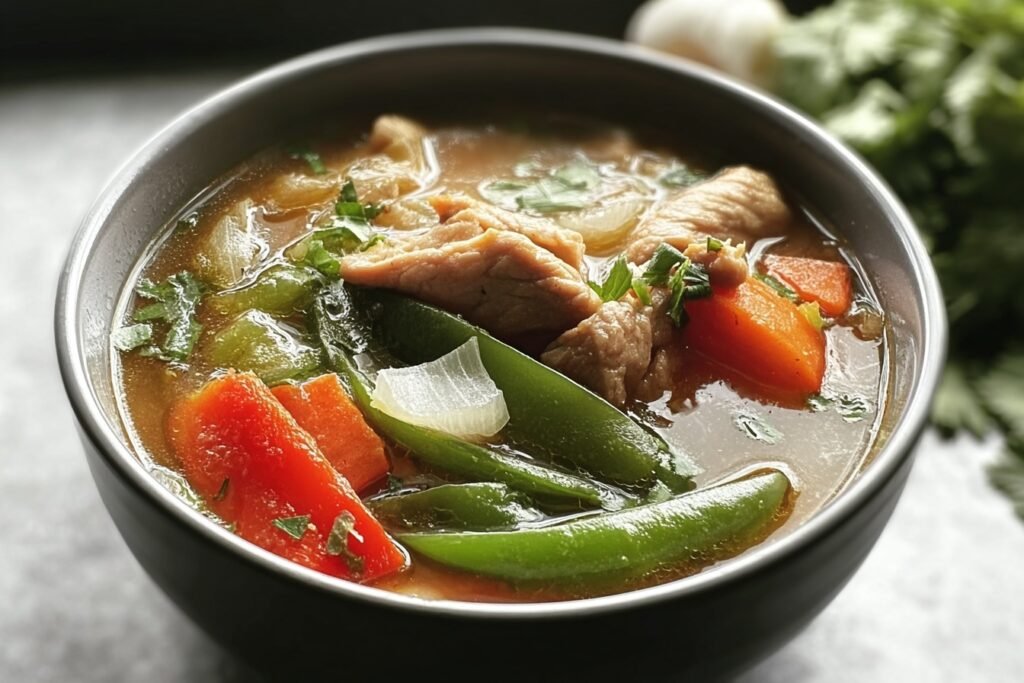
If you have been craving a cozy bowl of Sinigang, this sinigang recipe is the kind of meal that hits all the right notes. It is tangy, savory, and packed with pork and vegetables that soak up every bit of that rich tamarind broth. This is the kind of Filipino sinigang many home cooks turn to when they want something comforting without needing fancy ingredients.
- Easy to make: The method is simple, and the pot does most of the work. After the tamarind broth is ready, the pork simmers until tender while the vegetables go in stages. That makes this pork sinigang approachable for busy parents, students, and working professionals.
- Good for everyday eating: Even though this sinigang na baboy is hearty, it also includes water spinach, okra, eggplant, daikon, tomatoes, and string beans. That mix gives you fiber, vitamins, and a satisfying bowl that feels wholesome.
- Flexible for many kitchens: This tamarind soup works with what you have. You can swap greens, choose pork shoulder instead of belly, or adjust the souring agent. That makes it a friendly fit for newlyweds, seniors, and anyone cooking on a budget.
- Signature sour flavor: The broth gets its bold taste from young tamarind, which gives this authentic Filipino sinigang recipe its classic sharp and savory finish. If you love traditional Filipino pork sinigang, this is the kind of flavor that keeps you coming back for another spoonful.
For me, sinigang always feels like home in a bowl. It is the kind of meal that tastes even better when shared with steamed rice and a little fish sauce on the side.
If you want to read more about the souring fruit behind this dish, see this guide to the health benefits of tamarind.
Jump to:
- Why You’ll Love This Sinigang
- Essential Ingredients for Sinigang
- Main Ingredients
- Special Dietary Options
- How to Prepare the Perfect Sinigang: Step-by-Step Guide
- First Step: Make the tamarind broth
- Second Step: Build the soup base
- Third Step: Add the firm vegetables
- Fourth Step: Add the quick-cooking vegetables
- Fifth Step: Finish with water spinach
- Final Step: Serve hot
- Dietary Substitutions to Customize Your Sinigang
- Protein and Main Component Alternatives
- Vegetable, Sauce, and Seasoning Modifications
- Mastering Sinigang: Advanced Tips and Variations
- Pro cooking techniques
- Flavor variations
- Presentation tips
- Make-ahead options
- How to Store Sinigang: Best Practices
- Refrigeration
- Freezing
- Reheating
- Meal prep considerations
- FAQs: Frequently Asked Questions About Sinigang
- What is sinigang?
- Where does sinigang come from?
- What fruits make sinigang sour?
- Is sinigang the national dish of the Philippines?
- What can I substitute for kangkong in sinigang?
- Sinigang
- Ingredients
- Instructions
- Last Step:
- Notes
- Nutrition
- Did you make this recipe?
Essential Ingredients for Sinigang
This authentic tamarind pork soup uses simple ingredients, but each one plays a big role in the final flavor. The pork belly gives the broth richness, while the young tamarind creates the sour base that makes filipino sinigang so memorable. The vegetables add color, texture, and that classic balance of soft and crisp bites.
Main Ingredients
- 2 pounds pork belly – Gives the soup a rich, tender bite and helps create a fuller broth.
- 1 pound young tamarind – The main souring agent for classic sinigang flavor.
- 1 bunch water spinach, chopped – Adds fresh greens and a soft, leafy finish.
- 8 pieces string beans, cut into 2-inch pieces – Adds crunch and a clean vegetable flavor.
- 2 pieces Chinese eggplant, sliced – Softens nicely in the broth and absorbs flavor well.
- 1 piece daikon radish – Brings mild sweetness and a comforting texture.
- 8 pieces okra – Thickens the soup slightly and adds the classic sinigang feel.
- 2 pieces tomatoes, sliced into wedges – Help deepen the broth and add brightness.
- 2 pieces long green pepper – Adds a gentle heat and fragrant finish.
- 1 piece onion, sliced into wedges – Builds the base flavor for the broth.
- 2 quarts water – Used to extract the tamarind juice and form the soup base.
- Fish sauce to taste – Adds saltiness and depth.
- Ground black pepper to taste – Gives the soup a light peppery edge.
Special Dietary Options
- Vegan: Replace pork belly with tofu, mushrooms, or jackfruit, and use vegetable broth instead of pork. Keep the tamarind base and vegetables for a plant-based version.
- Gluten-free: This dish is naturally gluten-free as long as your fish sauce is certified gluten-free.
- Low-calorie: Use pork shoulder with trimmed fat or switch to leaner protein like fish or shrimp. Add more greens and reduce the pork portion if you want a lighter bowl.
For pork nutrition facts and more cooking ideas, you can also check this pork nutrition overview.
| Ingredient | Role in the Dish |
|---|---|
| Pork belly | Creates a rich, satisfying broth |
| Young tamarind | Provides the sour signature of sinigang |
| Water spinach | Adds fresh greens and a tender finish |
| Tomatoes and onion | Build a deeper, more savory broth |
How to Prepare the Perfect Sinigang: Step-by-Step Guide
First Step: Make the tamarind broth
Start by boiling 1 pound young tamarind in 2 quarts water for about 40 minutes. This is what gives your sinigang recipe its classic sour backbone. The fruit will soften as it cooks, and the water will turn fragrant and tart.
After boiling, strain the mixture into a bowl or another pot. Then squeeze the softened tamarind to pull out as much juice as possible. This step matters because the juice is where most of the flavor lives. You want a clear, tangy broth that tastes bright but still balanced.
Second Step: Build the soup base
Pour the tamarind broth back into a pot and bring it to a boil. Add 1 piece onion, sliced into wedges, 2 pounds pork belly, and half of the 2 pieces tomatoes, sliced into wedges. The onion and tomato help deepen the broth early, which is one of the best tricks for making a stronger sinigang na baboy recipe.
As the soup heats up, skim off the scum that rises to the top. This keeps the broth clean and gives you a better finish. Season with fish sauce to taste, then cover the pot and simmer for 1 hour. The pork should become tender and flavorful. If you are using pork shoulder instead of belly, give it the same slow simmer so it softens fully.
Third Step: Add the firm vegetables
Once the pork is tender, add 1 piece daikon radish and 2 pieces Chinese eggplant, sliced. Cook for about 5 minutes. These vegetables need a little time to soften, but not too long or they can lose their shape. The radish should become slightly translucent, while the eggplant turns silky.
If you are cooking for someone who prefers less sour broth, taste the soup at this point and add a little more fish sauce if needed. That small adjustment can help balance the tanginess without changing the classic flavor of Filipino sinigang.
Fourth Step: Add the quick-cooking vegetables
Next, add 2 pieces long green pepper, 8 pieces string beans, cut into 2-inch pieces, the remaining tomatoes, and 8 pieces okra. Cook for 3 minutes. This is the stage where the soup gets its bright, colorful look. The vegetables should stay lively and slightly crisp.
Try not to overcook this part. The best authentic Filipino sinigang recipe keeps the vegetables tender but not mushy. If your okra cooks too long, it can get overly soft. That is why this stage is short and quick.
Fifth Step: Finish with water spinach
Add the chopped stalks from 1 bunch water spinach and season again with fish sauce and ground black pepper to taste. Cook for 2 minutes. The stalks need a little more time than the leaves, so this order helps keep the greens from getting soggy.
Then add the water spinach leaves, cover the pot, turn off the heat, and let the residual heat cook the leaves for 3 minutes. This gives you tender greens with a fresh color and a soft bite. It also keeps the soup from turning dull or overcooked.
Final Step: Serve hot
Ladle the authentic tamarind pork soup into bowls and serve it hot with steamed rice. The broth should taste sour, savory, and deeply comforting. If you like an extra punch, add a little more fish sauce at the table.
Prep time: 10 minutes
Cook time: 1 hour
Total time: 1 hour 10 minutes
Best practice tip: Add the greens at the very end. That keeps the color fresh and the texture just right.

Dietary Substitutions to Customize Your Sinigang
Protein and Main Component Alternatives
If you do not have pork belly, you can still enjoy a satisfying bowl of sinigang. Pork shoulder is the easiest swap because it stays moist and becomes tender after simmering. If you want a leaner version, pork loin can work, though it will not have the same richness.
For seafood lovers, shrimp or fish makes a lighter pork tamarind soup recipe style meal with a different feel. For a vegetarian bowl, use tofu, mushrooms, or even chunks of eggplant as the main body of the dish. These swaps keep the same sour broth and fresh vegetables.
Vegetable, Sauce, and Seasoning Modifications
You can change the vegetables based on what is in your kitchen. Spinach, bok choy, baby kale, or watercress can stand in for water spinach. Cabbage and green beans also work well when you want a fuller vegetable mix. If you cannot find young tamarind, use tamarind paste, sinigang mix, green mango, or guava for sourness.
Fish sauce gives the broth depth, but you can use salt if needed. For a gentler taste, add the seasoning a little at a time. If you want more heat, a few extra long green peppers can do the trick. That flexibility is one reason traditional Filipino pork sinigang is such a reliable family meal.
- Vegetables: Spinach, bok choy, cabbage, watercress, or baby kale
- Souring agents: Tamarind paste, sinigang mix, green mango, guava, or santol
- Seasoning: Fish sauce, salt, or a mix of both
- Protein: Pork shoulder, shrimp, fish, tofu, or mushrooms
Mastering Sinigang: Advanced Tips and Variations
Pro cooking techniques
The best filipino sinigang starts with good meat and patient simmering. Use high-quality pork and let it cook until truly tender, usually between 60 and 90 minutes. If you rush the simmer, the broth may taste fine, but the pork will not have that soft, comforting texture people love.
Another useful trick is to add onion and tomato early. They build a deeper broth and help round out the sharp tang from the tamarind. If you are short on time, a slow cooker also works well. Just add the greens near the end so they stay fresh.
Flavor variations
You can adjust the sourness to fit your taste. Some cooks prefer a sharper broth, while others like a softer tang. You can also add more tomatoes for a slightly sweeter note or a few extra peppers for mild heat. That is part of what makes sinigang recipe so loved in so many homes.
If you want a different style, try using beef, shrimp, or fish instead of pork. Each version keeps the spirit of sinigang na baboy while giving you a new flavor profile. This dish also pairs well with bagoong on the side, which adds another salty, savory layer.
Presentation tips
Serve the soup in a deep bowl so the broth, pork, and vegetables are all visible. Add a few green pieces on top for color, and keep the rice on the side. A simple serving bowl can make this authentic Filipino sinigang recipe feel even more inviting.
Make-ahead options
If you are cooking for a busy week, make the tamarind broth and simmer the pork ahead of time. Store the cooked base separately from the greens. Then reheat and add the water spinach just before serving. That way, the vegetables stay bright and the soup tastes fresh.
How to Store Sinigang: Best Practices
Leftover Sinigang stores well, which makes it handy for meal prep. Let the soup cool first, then pack it into containers. If possible, keep the greens in a separate container so they do not turn too soft.
Refrigeration
Store the soup in the refrigerator for up to 3 to 4 days. The flavor often gets even better the next day as the broth settles. Reheat only the portion you plan to eat.
Freezing
For longer storage, freeze the pork and broth without the leafy greens. Vegetables like okra and eggplant can change texture after freezing, so it is best to add fresh ones later if you want the best result. Frozen sinigang base can last for about 2 to 3 months.
Reheating
Warm the soup on the stove over medium heat until hot. If the broth tastes too strong after chilling, add a splash of water. Add fresh greens near the end if you stored them separately.
Meal prep considerations
For batch cooking, make the pork and tamarind broth in advance, then portion it out. This is useful for working professionals and students who want a fast homemade meal during the week. Just cook the leafy vegetables fresh before serving.

FAQs: Frequently Asked Questions About Sinigang
What is sinigang?
Where does sinigang come from?
What fruits make sinigang sour?
Is sinigang the national dish of the Philippines?
What can I substitute for kangkong in sinigang?
Sinigang
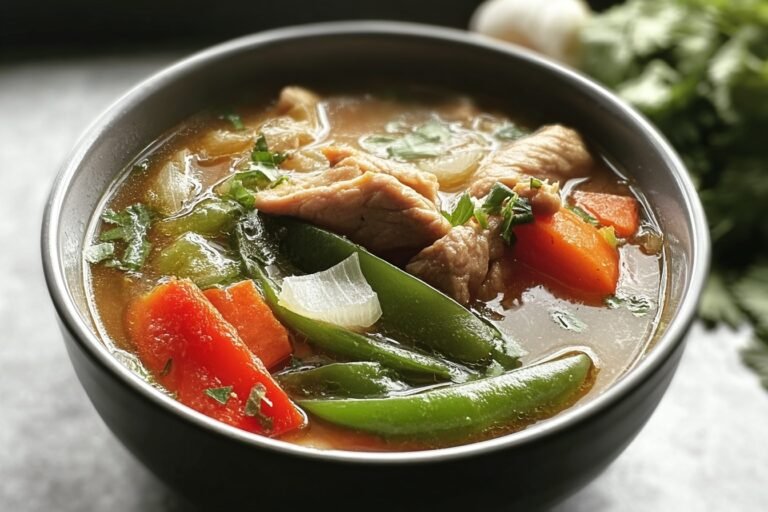
🍲 Tangy tamarind pork soup loaded with fresh veggies – authentic Filipino comfort in every sour, savory spoonful!
🥬 Nutrient-packed, hearty stew that’s easy to customize and warms you from the inside out.
- Total Time: 1 hour 20 minutes
- Yield: 6 servings
Ingredients
– 2 pounds pork belly
– 1 pound young tamarind
– 1 bunch water spinach, chopped
– 8 pieces string beans, cut into 2-inch pieces
– 2 pieces Chinese eggplant, sliced
– 1 piece daikon radish
– 8 pieces okra
– 2 pieces tomatoes, sliced into wedges
– 2 pieces long green pepper
– 1 piece onion, sliced into wedges
– 2 quarts water
– Fish sauce to taste
– Ground black pepper to taste
Instructions
1-First Step: Make the tamarind broth Start by boiling 1 pound young tamarind in 2 quarts water for about 40 minutes. This is what gives your sinigang recipe its classic sour backbone. The fruit will soften as it cooks, and the water will turn fragrant and tart. After boiling, strain the mixture into a bowl or another pot. Then squeeze the softened tamarind to pull out as much juice as possible. This step matters because the juice is where most of the flavor lives. You want a clear, tangy broth that tastes bright but still balanced.
2-Second Step: Build the soup base Pour the tamarind broth back into a pot and bring it to a boil. Add 1 piece onion, sliced into wedges, 2 pounds pork belly, and half of the 2 pieces tomatoes, sliced into wedges. The onion and tomato help deepen the broth early, which is one of the best tricks for making a stronger sinigang na baboy recipe. As the soup heats up, skim off the scum that rises to the top. This keeps the broth clean and gives you a better finish. Season with fish sauce to taste, then cover the pot and simmer for 1 hour. The pork should become tender and flavorful. If you are using pork shoulder instead of belly, give it the same slow simmer so it softens fully.
3-Third Step: Add the firm vegetables Once the pork is tender, add 1 piece daikon radish and 2 pieces Chinese eggplant, sliced. Cook for about 5 minutes. These vegetables need a little time to soften, but not too long or they can lose their shape. The radish should become slightly translucent, while the eggplant turns silky. If you are cooking for someone who prefers less sour broth, taste the soup at this point and add a little more fish sauce if needed. That small adjustment can help balance the tanginess without changing the classic flavor of Filipino sinigang.
4-Fourth Step: Add the quick-cooking vegetables Next, add 2 pieces long green pepper, 8 pieces string beans, cut into 2-inch pieces, the remaining tomatoes, and 8 pieces okra. Cook for 3 minutes. This is the stage where the soup gets its bright, colorful look. The vegetables should stay lively and slightly crisp. Try not to overcook this part. The best authentic Filipino sinigang recipe keeps the vegetables tender but not mushy. If your okra cooks too long, it can get overly soft. That is why this stage is short and quick.
5-Fifth Step: Finish with water spinach Add the chopped stalks from 1 bunch water spinach and season again with fish sauce and ground black pepper to taste. Cook for 2 minutes. The stalks need a little more time than the leaves, so this order helps keep the greens from getting soggy. Then add the water spinach leaves, cover the pot, turn off the heat, and let the residual heat cook the leaves for 3 minutes. This gives you tender greens with a fresh color and a soft bite. It also keeps the soup from turning dull or overcooked.
6-Final Step: Serve hot Ladle the authentic tamarind pork soup into bowls and serve it hot with steamed rice. The broth should taste sour, savory, and deeply comforting. If you like an extra punch, add a little more fish sauce at the table.
Last Step:
Please leave a rating and comment letting us know how you liked this recipe! This helps our business to thrive and continue providing free, high-quality recipes for you.Notes
🥩 Use pork belly or shoulder and simmer 60-90 minutes for melt-in-your-mouth tenderness.
🧅 Add onion and tomatoes early to infuse the broth with deep, flavorful base notes.
🏡 Try a slow cooker: cook pork first, then add veggies at the end to keep them crisp.
- Prep Time: 10 minutes
- Cook Time: 1 hour 10 minutes
- Category: Soups
- Method: Stovetop
- Cuisine: Filipino
Nutrition
- Serving Size: 1 serving
- Calories: 1538
- Sugar: 54g
- Sodium: 175mg
- Fat: 121g
- Saturated Fat: 44g
- Unsaturated Fat: 77g
- Trans Fat: 0g
- Carbohydrates: 91g
- Fiber: 13g
- Protein: 29g
- Cholesterol: 163mg