
Why You’ll Love This Oatmeal Scotchies
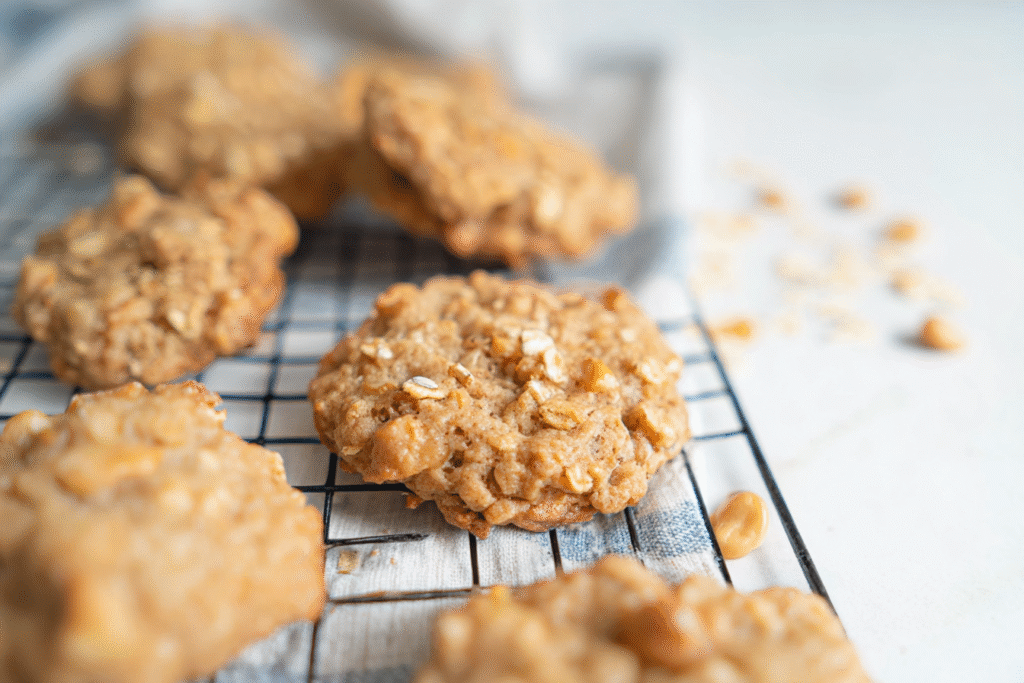
There’s something magical about the combination of oats and butterscotch that makes Oatmeal Scotchies irresistible. These soft and chewy cookies have become a beloved treat in households across the country, and once you try them, you’ll understand why they’re so popular.- Ease of preparation: This recipe comes together in under 30 minutes with simple ingredients you likely have in your pantry. The straightforward mixing process means even novice bakers can achieve professional-looking results without specialized equipment or techniques.
- Health benefits: Oats provide fiber, protein, and essential minerals that make these cookies a slightly better choice than typical sugary treats. The whole grains offer sustained energy and help keep you feeling fuller longer, making them a satisfying snack option.
- Versatility: This recipe adapts beautifully to different dietary needs. You can easily make them gluten-free with alternative flours, vegan with plant-based substitutes, or lower in sugar by adjusting the sweeteners while maintaining the delicious texture.
- Distinctive flavor: The rich caramel-like butterscotch chips combined with hearty oats create a perfect balance of sweet and savory notes. The subtle warmth of cinnamon adds depth that sets these cookies apart from traditional oatmeal cookies.
Whether you’re baking for a school fundraiser, holiday gathering, or just because, these cookies deliver a unique flavor profile that keeps people coming back for more.
Jump to:
- Why You’ll Love This Oatmeal Scotchies
- Essential Ingredients for Oatmeal Scotchies
- Main Ingredients:
- Special Dietary Options:
- Vegan Substitutes:
- Gluten-Free Alternatives:
- Low-Calorie Options:
- How to Prepare the Perfect Oatmeal Scotchies: Step-by-Step Guide
- Preparation Phase
- Creating the Dough
- Baking to Perfection
- Pro Tips for Success
- Protein and Main Component Alternatives
- Butter Alternatives
- Egg Substitutes
- Butterscotch Variations
- Vegetable, Sauce, and Seasoning Modifications
- Healthy Vegetable Additions
- Flavorful Sauce Enhancements
- Seasoning Variations
- Nut and Seed Additions
- Mastering Oatmeal Scotchies: Advanced Tips and Variations
- Pro Cooking Techniques
- Flavor Variations
- Presentation Tips
- Make-Ahead Options
- How to Store Oatmeal Scotchies: Best Practices
- Refrigeration Guidelines
- Freezing Techniques
- Reheating Methods
- Meal Prep Considerations
- FAQs: Frequently Asked Questions About Oatmeal Scotchies
- What are oatmeal scotchies?
- How do you make oatmeal scotchies from scratch?
- Why are my oatmeal scotchies flat or crispy?
- Can you freeze oatmeal scotchies dough or baked cookies?
- How long do oatmeal scotchies stay fresh?
- Oatmeal Scotchies
- Ingredients
- Instructions
- Last Step:
- Notes
- Nutrition
- Did you make this recipe?
Essential Ingredients for Oatmeal Scotchies
Creating the perfect Oatmeal Scotchies begins with gathering quality ingredients. Here’s everything you’ll need for these butterscotch oatmeal cookies:Main Ingredients:
- 1 1/4 cups all-purpose flour – Forms the structure of the cookies and provides the right consistency
- 1 teaspoon baking soda – Helps the cookies rise and become tender
- 1/2 teaspoon ground cinnamon – Adds warmth and depth to complement the butterscotch
- 1 cup butter, softened – Creates the perfect texture and rich flavor base
- 3/4 cup granulated sugar – Sweetens the dough and creates crisp edges
- 3/4 cup packed brown sugar – Adds moisture, richness, and a subtle caramel flavor
- 2 large eggs – Provides structure and helps bind the ingredients together
- 1 teaspoon vanilla extract – Enhances the overall flavor profile
- 3 cups quick oats – Provides the characteristic chewy texture and nutty flavor
- 1 2/3 cups butterscotch chips – The star ingredient that gives these cookies their signature flavor
Special Dietary Options:
Vegan Substitutes:
- Use plant-based butter or coconut oil instead of dairy butter
- Replace eggs with flax eggs (1 tablespoon ground flaxseed + 3 tablespoons water per egg)
- Choose vegan-certified butterscotch chips (some contain dairy)
Gluten-Free Alternatives:
- Substitute all-purpose flour with a 1:1 gluten-free flour blend
- Ensure oats are certified gluten-free (as regular oats may be cross-contaminated)
- Check that butterscotch chips are gluten-free
Low-Calorie Options:
- Replace half the butter with unsweetened applesauce
- Use a natural zero-calorie sweetener in place of half the sugar
- Reduce butterscotch chips to 1 cup and add chopped nuts for volume
How to Prepare the Perfect Oatmeal Scotchies: Step-by-Step Guide
Making these soft scotchies at home is simpler than you might think. Follow this detailed guide to achieve bakery-quality results in your own kitchen. Check out this classic recipe for additional inspiration and techniques.Preparation Phase
First Step: Preheat your oven to 375°F (190°C) and line two baking sheets with parchment paper. This prevents sticking and makes cleanup easier. Measure all ingredients before beginning to ensure a smooth baking process. For best results, your butter should be softened to room temperature but not melted. Second Step: In a medium bowl, whisk together 1 1/4 cups all-purpose flour, 1 teaspoon baking soda, and 1/2 teaspoon ground cinnamon until well combined. This ensures the leavening and spices are evenly distributed throughout the dough. Set this dry mixture aside while you prepare the wet ingredients. Third Step: In a large mixing bowl, beat 1 cup softened butter, 3/4 cup granulated sugar, and 3/4 cup packed brown sugar together until creamy and well combined. This process usually takes 2-3 minutes with an electric mixer or slightly longer by hand. Creaming the butter and sugars creates air pockets that help the cookies rise and develop a light texture.Creating the Dough
Fourth Step: Add 2 large eggs and 1 teaspoon vanilla extract to the butter mixture. Beat until fully incorporated and the mixture becomes light and fluffy. This step is crucial for developing the right texture in your cookies, so don’t rush this part of the process. Fifth Step: Gradually stir in the flour mixture to the butter mixture, mixing just until combined. Be careful not to overmix at this stage, as this can develop too much gluten and result in tough cookies. The dough should start to come together but may still look slightly crumbly. Sixth Step: Fold in 3 cups quick oats and 1 2/3 cups butterscotch chips. Use a spatula or wooden spoon to gently incorporate these ingredients, ensuring they’re evenly distributed throughout the dough without overworking it. The dough should now be thick and slightly sticky but hold its shape when pressed together.Baking to Perfection
Seventh Step: Drop rounded tablespoons of dough onto the prepared baking sheets, spacing them about 2 inches apart to allow for spreading. For uniform cookies, use a cookie scoop or roll the dough into balls with your hands. This recipe yields approximately 48 cookies, so you’ll need to bake in batches. Eighth Step: Bake at 375°F for 7-8 minutes, or until edges are light golden brown but centers still appear slightly underbaked. The cookies will continue to cook on the baking sheet after removal, so removing them at this stage ensures a soft, chewy center rather than a crisp texture. Final Step: Allow the cookies to cool on the baking sheets for 2 minutes before transferring them to wire racks to cool completely. This short cooling period helps them set without becoming too hard. Store in an airtight container once completely cool to maintain freshness. Check the nutritional information to see how these treats fit into your diet.Pro Tips for Success
- For thicker cookies, chill the dough for 30 minutes before baking
- Rotate baking sheets halfway through baking time for even browning
- Use an oven thermometer to ensure accurate temperature
- Avoid overcrowding the baking sheets to allow proper air circulation
Protein and Main Component Alternatives
While the traditional Oatmeal Scotchies recipe calls for butter, eggs, and butterscotch chips, there are several ways to modify these key components. These substitutions can accommodate dietary restrictions or simply create new flavor profiles for your chewy oatmeal cookies.Butter Alternatives
For those seeking dairy-free options, coconut oil makes an excellent substitute for butter in this recipe. Use it in a 1:1 ratio and ensure it’s softened but not melted to maintain the proper texture. Coconut oil will add a subtle coconut flavor that complements the butterscotch nicely. For a neutral flavor profile, try using plant-based butter sticks designed for baking rather than tub varieties which contain more water. Avocado puree offers another innovative butter alternative that reduces saturated fat while adding creaminess. Replace half the butter with mashed ripe avocado for a cookie with a surprisingly similar texture and a boost of nutrients. The green color disappears during baking, leaving no visual evidence of the healthy swap.Egg Substitutes
Flax eggs work exceptionally well in oatmeal cookies due to their binding properties and slightly nutty flavor. To make one flax egg, combine 1 tablespoon ground flaxseed with 3 tablespoons water and let it sit for 5 minutes until thickened. Each flax egg replaces one regular egg in this recipe. For those with egg allergies, commercial egg replacers designed for baking provide reliable results. Follow the package instructions for the equivalent of two eggs. These typically produce cookies that are slightly denser but still delicious. Applesauce can also replace eggs in a pinch use 1/4 cup per egg, though this may result in a cakier texture.Butterscotch Variations
While traditional butterscotch chips are the hallmark of Oatmeal Scotchies, you can experiment with other flavor combinations. White chocolate chips create a milder, creamier flavor profile that some prefer. Semi-sweet chocolate chips offer a classic chocolate-oat combination that never disappoints. For a more sophisticated variation, try using caramel bits or chopped toffee pieces instead of butterscotch chips. These melt differently during baking, creating pockets of gooey caramel that add an indulgent twist to the traditional recipe. Cinnamon chips provide a warm, spiced alternative that pairs beautifully with the oats.Vegetable, Sauce, and Seasoning Modifications
Beyond the main components, there are numerous ways to customize your Oatmeal Scotchies with additional vegetables, sauces, and seasonings. These modifications can enhance nutrition, create new flavor profiles, or simply add excitement to this classic recipe.Healthy Vegetable Additions
Grated carrots or zucchini can be seamlessly incorporated into oatmeal scotchies recipe for added nutrition and moisture. Use about 1 cup of finely grated vegetables, squeezing out excess moisture before adding. The natural sweetness of carrots complements the butterscotch flavor while zucchini keeps the cookies exceptionally soft without altering the taste significantly. Pumpkin puree creates a seasonal twist on traditional Oatmeal Scotchies while reducing the need for butter. Replace half the butter with pumpkin puree and add an extra 1/2 cup of flour to maintain structure. The result is a cookie with a beautiful golden color and subtle earthy notes that pair wonderfully with butterscotch.Flavorful Sauce Enhancements
A tablespoon of molasses added to the butter and sugar mixture deepens the flavor profile and creates a richer, more complex cookie. This works especially well with the brown sugar already in the recipe, enhancing its natural caramel notes without overpowering the butterscotch. Almond extract (1/2 teaspoon) can replace or supplement the vanilla for a nuttier flavor that bridges the gap between the oats and butterscotch. For a more decadent option, try adding 2 tablespoons of bourbon or rum to the dough the alcohol bakes off but leaves behind a sophisticated flavor that elevates these humble cookies.Seasoning Variations
While cinnamon is the traditional spice in these cookies, you can experiment with other warming spices. A pinch of nutmeg adds depth, while 1/4 teaspoon of ground ginger provides a subtle kick. Cardamom offers an exotic twist that pairs surprisingly well with butterscotch and oats. For a savory-sweet contrast, try adding 1/2 teaspoon of sea salt flakes on top of the cookies before baking. This creates a delightful texture and flavor contrast that many bakers swear by. Alternatively, incorporate 1/4 teaspoon of smoked salt into the dough for a more subtle smoky element.Nut and Seed Additions
Chopped pecans, walnuts, or hazelnuts add crunch and complement the butterscotch flavor. Try adding 1 cup of toasted chopped nuts along with the butterscotch chips. The toasting process enhances their natural flavor and creates a more complex cookie profile. For those with nut allergies, pumpkin or sunflower seeds provide similar crunch without allergens. Toast them lightly before adding to the dough to develop their flavor. Chia seeds can also be incorporated for a nutritional boost without significantly altering the taste or texture.Mastering Oatmeal Scotchies: Advanced Tips and Variations
Once you’ve mastered the basic recipe, there are several techniques and variations that can take your Oatmeal Scotchies to the next level. These advanced tips help achieve professional results and creative variations keep this classic treat exciting for repeat baking.Pro Cooking Techniques
The temperature of your ingredients significantly impacts the final result. For thicker cookies with a tender center, use butter and eggs that are truly at room temperature (about 70°F). Cold ingredients don’t emulsify properly, while melted butter causes excessive spreading. Precision in ingredient temperature is what separates good cookies from great ones. Whipping the butter and sugars for the full recommended time creates tiny air pockets that leaven the cookies. This step, known as creaming, is essential for achieving the right texture. Don’t cut this short even an extra minute of mixing can make a noticeable difference in the final cookie’s structure.Flavor Variations
For a salted caramel version, sprinkle flaky sea salt over the cookies immediately after removing them from the oven. The salt melts slightly into the warm surface, creating a sophisticated flavor profile that mimics high-end caramel corn. This small addition transforms the cookies from everyday treats to something truly special. Toffee crunch Oatmeal Scotchies incorporate 1/2 cup of crushed toffee bits along with the butterscotch chips. The toffee adds a buttery crunch and intensifies the caramel notes already present in the recipe. For best results, use high-quality English toffee for the most authentic flavor.Presentation Tips
For uniform cookies, use a cookie scoop rather than spooning the dough by hand. This ensures even baking and a professional appearance. If you want extra-polished cookies, roll the dough balls between your palms to smooth them before baking. The gentle warmth of your hands rounds them perfectly. Create a stunning presentation by pressing additional butterscotch chips into the tops of the dough balls before baking. As the cookies bake, these chips will melt and create attractive pools of butterscotch on the surface. This simple technique makes the cookies look as good as they taste.Make-Ahead Options
Oatmeal Scotchies dough freezes exceptionally well for up to three months. Portion the dough into balls and freeze them on a baking sheet before transferring to a freezer bag. This allows you to bake just a few cookies at a time whenever the craving strikes, with no thawing necessary just add 1-2 minutes to the baking time. For the freshest-tasting cookies without daily baking, prepare the dough completely through adding the oats and chips, then refrigerate it in a sealed container for up to 48 hours before baking. The extended rest time allows the flavors to meld and the oats to hydrate, resulting in cookies with deeper flavor and more complex texture.| Storage Method | Duration | Special Instructions |
|---|---|---|
| Room Temperature | 5-7 days | Store in airtight container with wax paper between layers |
| Refrigeration | 2 weeks | Let come to room temperature before serving for best texture |
| Freezer (Baked) | 2-3 months | Flash freeze before storing in freezer bags |
| Freezer (Dough) | 3 months | Portion into balls before freezing for easy baking |
How to Store Oatmeal Scotchies: Best Practices
Proper storage ensures your Oatmeal Scotchies maintain their delicious texture and flavor for as long as possible. These cookies have particular storage needs due to their moisture-sensitive oats and butterscotch components.Refrigeration Guidelines
While Oatmeal Scotchies can be stored at room temperature, refrigeration extends their freshness significantly, especially in warm or humid climates. Place cooled cookies in an airtight container lined with wax paper or parchment, separating layers to prevent sticking. Refrigerated cookies will firm up slightly but regain their chewy texture within minutes of reaching room temperature. For maximum freshness, consider placing a slice of white bread in the container with the cookies. The bread releases moisture that keeps the cookies soft without making them soggy. Replace the bread slice every 2-3 days for best results. This simple trick can extend the life of your cookies by several days.Freezing Techniques
Freezing baked Oatmeal Scotchies requires a two-step process to prevent them from sticking together. Arrange the cookies in a single layer on a baking sheet and place in the freezer for 1-2 hours until firm. Then transfer the frozen cookies to a freezer-safe bag or container, placing wax paper between layers if stacking. When freezing dough, portion it into individual balls before freezing. This allows you to bake just the amount you need without thawing the entire batch. Label your container with the date and baking temperature for easy reference. Frozen dough bakes beautifully and actually produces slightly thicker cookies than freshly made dough.Reheating Methods
To refresh cookies that have lost some of their freshness, warm them in a 300°F oven for 3-5 minutes. This method revives the texture and makes the butterscotch chips gooey again. For a quicker option, microwave individual cookies for 10-15 seconds, though this won’t recreate the crisp edges of freshly baked cookies. When reheating frozen cookies, there’s no need to thaw them first. Simply place the frozen cookie directly in the preheated oven and add a few extra minutes to the warming time. This creates a fresh-baked experience that’s nearly indistinguishable from the original.Meal Prep Considerations
Oatmeal Scotchies make an excellent addition to meal prep routines. Consider baking a double batch on weekends and portioning them into individual servings or small groups. This approach ensures you always have homemade treats on hand without daily baking commitment. For school or work lunches, wrap individual cookies in plastic wrap or place in small containers. This protects them from damage and makes them easy to grab on busy mornings. The durability of these cookies makes them ideal for packing they maintain their texture better than more delicate baked goods.
FAQs: Frequently Asked Questions About Oatmeal Scotchies
What are oatmeal scotchies?
How do you make oatmeal scotchies from scratch?
Why are my oatmeal scotchies flat or crispy?
Can you freeze oatmeal scotchies dough or baked cookies?
How long do oatmeal scotchies stay fresh?
Oatmeal Scotchies
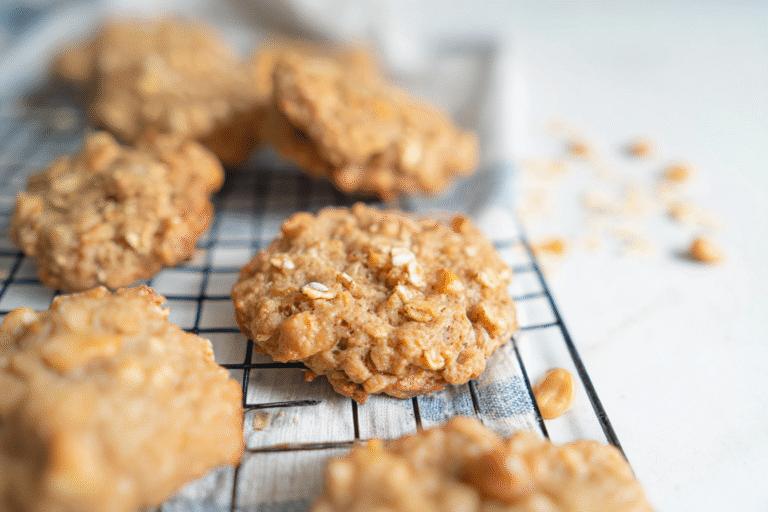
🥣🍪 Irresistible oatmeal scotchies with buttery oats, chewy texture, and sweet butterscotch bursts – comfort cookie perfection!
✨ Soft centers, crisp edges; family favorite that beats any store-bought treat.
- Total Time: 1 hour
- Yield: 48 cookies
Ingredients
– 1 1/4 cups all-purpose flour for structure and consistency
– 1 teaspoon baking soda for rising and tenderness
– 1/2 teaspoon ground cinnamon for warmth and depth
– 1 cup butter, softened for texture and rich flavor
– 3/4 cup granulated sugar for sweetening and crisp edges
– 3/4 cup packed brown sugar for moisture, richness, and caramel flavor
– 2 large eggs for structure and binding
– 1 teaspoon vanilla extract for flavor enhancement
– 3 cups quick oats for chewy texture and nutty flavor
– 1 2/3 cups butterscotch chips for signature flavor
Instructions
1-First Step: Preheat your oven to 375°F (190°C) and line two baking sheets with parchment paper. This prevents sticking and makes cleanup easier. Measure all ingredients before beginning to ensure a smooth baking process. For best results, your butter should be softened to room temperature but not melted.
2-Second Step: In a medium bowl, whisk together 1 1/4 cups all-purpose flour, 1 teaspoon baking soda, and 1/2 teaspoon ground cinnamon until well combined. This ensures the leavening and spices are evenly distributed throughout the dough. Set this dry mixture aside while you prepare the wet ingredients.
3-Third Step: In a large mixing bowl, beat 1 cup softened butter, 3/4 cup granulated sugar, and 3/4 cup packed brown sugar together until creamy and well combined. This process usually takes 2-3 minutes with an electric mixer or slightly longer by hand. Creaming the butter and sugars creates air pockets that help the cookies rise and develop a light texture.
4-Fourth Step: Add 2 large eggs and 1 teaspoon vanilla extract to the butter mixture. Beat until fully incorporated and the mixture becomes light and fluffy. This step is crucial for developing the right texture in your cookies, so don’t rush this part of the process.
5-Fifth Step: Gradually stir in the flour mixture to the butter mixture, mixing just until combined. Be careful not to overmix at this stage, as this can develop too much gluten and result in tough cookies. The dough should start to come together but may still look slightly crumbly.
6-Sixth Step: Fold in 3 cups quick oats and 1 2/3 cups butterscotch chips. Use a spatula or wooden spoon to gently incorporate these ingredients, ensuring they’re evenly distributed throughout the dough without overworking it. The dough should now be thick and slightly sticky but hold its shape when pressed together.
7-Seventh Step: Drop rounded tablespoons of dough onto the prepared baking sheets, spacing them about 2 inches apart to allow for spreading. For uniform cookies, use a cookie scoop or roll the dough into balls with your hands. This recipe yields approximately 48 cookies, so you’ll need to bake in batches.
8-Eighth Step: Bake at 375°F for 7-8 minutes, or until edges are light golden brown but centers still appear slightly underbaked. The cookies will continue to cook on the baking sheet after removal, so removing them at this stage ensures a soft, chewy center rather than a crisp texture.
9-Final Step: Allow the cookies to cool on the baking sheets for 2 minutes before transferring them to wire racks to cool completely. This short cooling period helps them set without becoming too hard. Store in an airtight container once completely cool to maintain freshness. Check the nutritional information to see how these treats fit into your diet.
Last Step:
Please leave a rating and comment letting us know how you liked this recipe! This helps our business to thrive and continue providing free, high-quality recipes for you.Notes
❄️ Chill dough 30 minutes for thicker, chewier cookies.
🥄 Use rolled oats, not instant, for best texture.
🔥 Don’t overbake – soft centers firm up as they cool.
- Prep Time: 20 minutes
- Chill: 30 minutes
- Cook Time: 10 minutes
- Category: Dessert
- Method: Baking
- Cuisine: American
- Diet: Vegetarian
Nutrition
- Serving Size: 1 cookie
- Calories: 140 calories
- Sugar: 13g
- Sodium: 100mg
- Fat: 7g
- Saturated Fat: 4g
- Unsaturated Fat: 2g
- Trans Fat: 0g
- Carbohydrates: 19g
- Fiber: 1g
- Protein: 2g
- Cholesterol: 20mg