

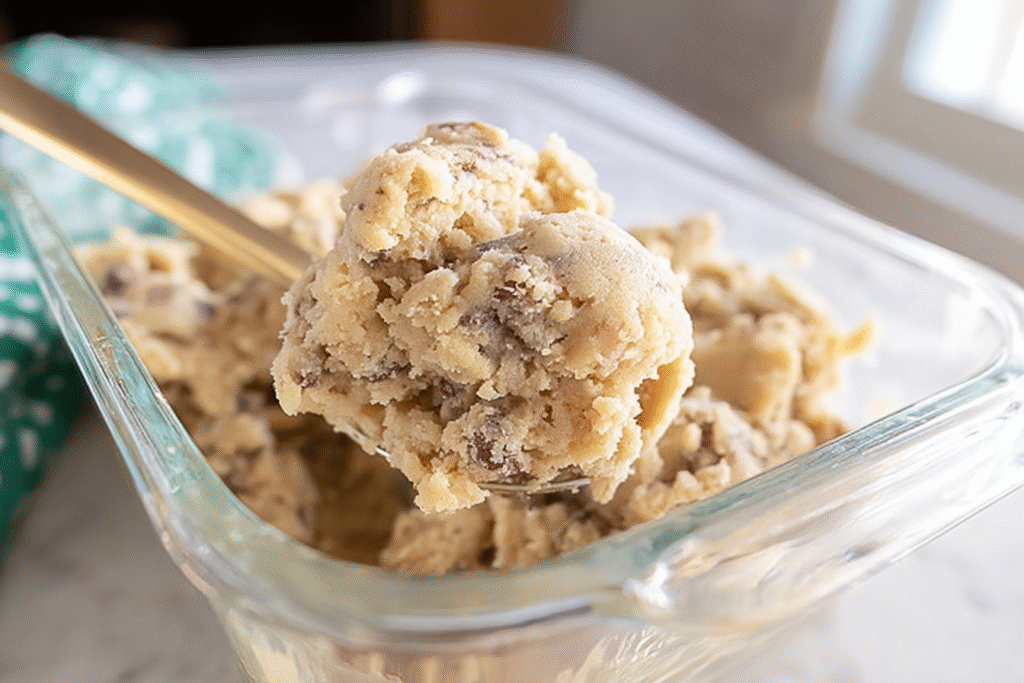
Why You’ll Love This Store Cookie Dough
Making your own cookie dough at home offers numerous benefits that store-bought versions simply can’t match. Whether you’re a busy parent looking for convenient snack options or a baking enthusiast who loves fresh cookies, learning to properly prepare and store cookie dough will transform your kitchen routine.- Ease of preparation: This cookie dough comes together in just 15 minutes with basic ingredients you likely already have in your pantry. No special equipment or advanced techniques are needed, making it perfect for beginners and experienced bakers alike. You can prepare a large batch in one session and enjoy fresh cookies anytime without starting from scratch.
- Health benefits: Homemade dough allows you to control the quality of ingredients, reducing preservatives and artificial additives found in commercial versions. You can choose organic flour, high-quality butter, and natural sweeteners to create a healthier treat. Plus, portion control is easier when you make your own dough, helping you manage indulgences more effectively.
- Versatility: This basic dough serves as an excellent foundation for countless variations, from classic chocolate chip to oatmeal raisin, peanut butter, or double chocolate. You can easily adapt it for different dietary needs by making simple substitutions without sacrificing taste or texture.
- Distinctive flavor: Fresh homemade dough delivers a superior taste experience with rich buttery notes and perfect texture. The balance of sweet and salty, combined with fresh ingredients, creates cookies that taste better than anything you can buy from a store.
Jump to:
- Why You’ll Love This Store Cookie Dough
- Essential Ingredients for Store Cookie Dough
- Main Ingredients
- Special Dietary Options
- Vegan
- Gluten-free
- Low-calorie
- How to Prepare the Perfect Store Cookie Dough: Step-by-Step Guide
- Preparation and Mixing
- Incorporating Mix-ins
- Protein and Main Component Alternatives
- Flour Alternatives
- Fat Alternatives
- Vegetable, Sauce, and Seasoning Modifications
- Vegetable and Fruit Additions
- Flavor Enhancers and Seasonings
- Mastering Store Cookie Dough: Advanced Tips and Variations
- Pro Cooking Techniques
- Flavor Variations
- Presentation Tips
- How to Store Store Cookie Dough: Best Practices
- Refrigeration
- Freezing
- Reheating
- Meal Prep Considerations
- FAQs: Frequently Asked Questions About Store Cookie Dough
- How long can I store cookie dough in the fridge?
- Can you freeze cookie dough and how long does it last?
- What’s the best way to store cookie dough in the freezer?
- How do I thaw frozen cookie dough safely?
- How do I know if cookie dough has gone bad?
- Store Cookie Dough
- Ingredients
- Instructions
- Last Step:
- Notes
- Nutrition
- Did you make this recipe?
Essential Ingredients for Store Cookie Dough
Creating the perfect cookie dough starts with quality ingredients. Each component plays a crucial role in the final taste and texture of your cookies. Here’s everything you need to make a basic yet delicious cookie dough that stores beautifully:Main Ingredients
- 2 1/4 cups all-purpose flour – Provides structure and body to your cookies
- 1 teaspoon baking soda – Helps cookies rise and spread properly
- 1/2 teaspoon salt – Enhances flavor and balances sweetness
- 1 cup unsalted butter, softened – Creates rich flavor and tender texture
- 3/4 cup granulated sugar – Adds sweetness and helps with spreading
- 3/4 cup brown sugar, packed – Adds moisture and depth of flavor
- 1 large egg – Binds ingredients together and adds structure
- 1 teaspoon vanilla extract – Provides classic cookie flavor
- 2 cups chocolate chips – Adds chocolatey goodness in every bite
Special Dietary Options
Vegan
- Replace butter with vegan butter or coconut oil (1:1 ratio)
- Use flax egg (1 tablespoon ground flaxseed + 3 tablespoons water) instead of regular egg
- Choose vegan-friendly chocolate chips (many brands offer dairy-free options)
Gluten-free
- Use a 1:1 gluten-free flour blend instead of all-purpose flour
- Ensure all other ingredients (especially chocolate chips) are certified gluten-free
- Add 1 teaspoon xanthan gum if your flour blend doesn’t include it for better binding
Low-calorie
- Replace half the butter with unsweetened applesauce or Greek yogurt
- Use a natural sweetener like stevia or monk fruit to reduce sugar content
- Increase vanilla extract to compensate for reduced sweetness
- Add extra fiber with oat flour or whole wheat flour for more satiety
How to Prepare the Perfect Store Cookie Dough: Step-by-Step Guide
Creating delicious cookie dough that stores well requires attention to detail at each step. Follow this comprehensive guide to achieve perfect results every time.Preparation and Mixing
First Step: Gather all your ingredients and equipment before beginning. Use room temperature butter and eggs for better incorporation. Measure all ingredients precisely, especially flour, which should be spooned into measuring cups and leveled off rather than scooped directly. Prepare your baking sheets with parchment paper or silicone mats for later use.
Second Step: In a medium bowl, whisk together the flour, baking soda, and salt until well combined. This step ensures the leavening agents are evenly distributed throughout the flour, which prevents pockets of baking soda that could affect the cookie’s texture. Set this dry mixture aside while you prepare the wet ingredients.
Third Step: In a large mixing bowl, beat the softened butter with both sugars on medium speed until light and fluffy, about 2-3 minutes. This process, known as creaming, incorporates air into the mixture and creates the desired texture in your baked cookies. Scrape down the sides of the bowl to ensure everything is evenly mixed.
Fourth Step: Add the egg and vanilla extract to the butter mixture, beating until fully incorporated. The mixture may look slightly curdled, which is normal. Continue mixing for about 1 minute until the mixture becomes smooth and creamy again. This step is crucial for properly emulsifying the ingredients.
Fifth Step: Gradually add the dry flour mixture to the wet ingredients on low speed, mixing just until combined. Be careful not to overmix at this stage, as overdeveloping the gluten can result in tough cookies. Stop mixing when you still see a few streaks of flour remaining.
Incorporating Mix-ins
Sixth Step: Remove the bowl from the mixer and finish mixing by hand with a rubber spatula to avoid overworking the dough. Add the chocolate chips (or any other mix-ins you prefer) and fold them gently into the dough until evenly distributed. This ensures the chocolate chips are incorporated without breaking them or toughening the dough.
Seventh Step: For the best storage results, divide the dough into portions based on how you plan to use it later. You can form the entire batch into a log, shape individual cookie dough balls, or divide into smaller batches. This pre-portioning technique makes it easier to bake just what you need later without having to thaw the entire batch.
Eighth Step: Wrap each portion tightly in plastic wrap, pressing the wrap directly against the dough to remove air pockets. If making logs, roll the wrapped dough on the counter to create an even cylinder shape. For dough balls, place them on a parchment-lined baking sheet to freeze initially before transferring to storage containers.
Final Step: Label each package with the date and type of cookie dough. If freezing, place the wrapped portions in a freezer-safe bag or airtight container for additional protection. The dough is now ready for short-term refrigeration or long-term freezing, depending on when you plan to bake it. Following these steps ensures your dough maintains its quality and freshness until you’re ready to bake.
Protein and Main Component Alternatives
Customizing your cookie dough with alternative proteins and main ingredients allows you to create unique flavors while accommodating various dietary preferences. Experimenting with different combinations can yield delicious results that rival traditional recipes.
Flour Alternatives
For those with gluten sensitivities or seeking different nutritional profiles, several flour options work well in cookie dough:
- Almond flour creates a tender, slightly nutty cookie with added protein and healthy fats. Use it in combination with other flours for best results, as it lacks the binding properties of wheat flour.
- Oat flour adds a hearty, wholesome taste and extra fiber to your cookies. It works particularly well in recipes with cinnamon, raisins, or other warm spices.
- Coconut flour is highly absorbent and requires additional liquid in recipes. It adds a subtle tropical flavor and works best in recipes that include plenty of eggs or other binders.
- Whole wheat flour provides more fiber and nutrients while maintaining a structure similar to all-purpose flour. For best results, use white whole wheat flour for a milder flavor.
Fat Alternatives
The fat component in cookie dough greatly influences both texture and flavor. Consider these alternatives:
- Coconut oil creates a slightly firmer cookie at room temperature and adds a subtle coconut flavor. Use virgin coconut oil for a more pronounced taste or refined for a neutral flavor.
- Greek yogurt reduces the fat content while adding protein. It creates a softer, cakier cookie texture. Replace up to half the butter with Greek yogurt for the best results.
- Avocado offers a creamy texture and healthy fats while creating a denser, fudgier cookie. Use it in chocolate-based recipes where its green color won’t be noticeable.
Vegetable, Sauce, and Seasoning Modifications
Elevating your cookie dough with creative additions transforms basic cookies into extraordinary treats. These modifications allow you to customize flavors based on seasons, preferences, or dietary needs.
Vegetable and Fruit Additions
While vegetables might seem unusual in cookies, they can add moisture, nutrients, and interesting flavors:
- Shredded zucchini adds moisture without significantly altering the taste. It’s particularly good in chocolate or spice cookies. Squeeze out excess moisture before adding to prevent soggy cookies.
- Pumpkin puree creates soft, cake-like cookies with a warm autumn flavor. It pairs perfectly with cinnamon, nutmeg, and chocolate chips. Reduce other liquids in the recipe when adding pumpkin.
- Mashed banana provides natural sweetness and moisture to cookies. It works best in oatmeal or peanut butter varieties. Very ripe bananas offer the sweetest flavor.
- Dried fruits like cranberries, cherries, or raisins add chewy texture and concentrated sweetness. Rehydrate them slightly in warm water before adding to prevent them from absorbing too much moisture from the dough.
Flavor Enhancers and Seasonings
Simple additions can dramatically change the flavor profile of your cookies:
| Seasoning | Best Pairings | Amount to Add |
|---|---|---|
| Sea salt flakes | Chocolate cookies | 1/4 teaspoon per batch |
| Cinnamon | Oatmeal, sugar cookies | 1/2 to 1 teaspoon |
| Espresso powder | Chocolate-based doughs | 1 to 2 teaspoons |
| Almond extract | Sugar, shortbread cookies | 1/2 teaspoon |
| Lemon zest | Sugar, white chocolate | Zest of 1 lemon |
Pro tip: When adding liquid flavorings like extracts, reduce other liquids in your recipe slightly to maintain the proper dough consistency. This small adjustment ensures your cookies maintain their ideal texture.
Mastering Store Cookie Dough: Advanced Tips and Variations
Taking your cookie dough skills to the next level involves understanding the science behind baking and experimenting with creative techniques. These expert tips will help you achieve consistently excellent results.
Pro Cooking Techniques
- Aging your dough in the refrigerator for 24-72 hours allows the flour to hydrate fully and the flavors to meld. This simple step results in cookies with deeper, more complex flavors and improved texture. The chemical breakdown of proteins during this resting period also creates cookies with better structure and chewiness.
- Temperature control is crucial for consistent results. Chill your dough before baking to prevent excessive spreading, especially if your kitchen is warm. For thicker cookies, use cold dough and bake at a slightly higher temperature (375°F instead of 350°F) for a shorter time. This technique creates cookies with crisp edges and soft centers.
- Portion control improves both presentation and baking consistency. Use a cookie scoop to create uniform balls that bake evenly. This attention to detail results in a professional appearance and ensures all cookies finish baking at the same time.
Flavor Variations
Transform your basic dough into exciting new creations with these simple additions:
- Molasses cookies: Replace 1/4 cup of granulated sugar with molasses and add 1 teaspoon each of ginger and cinnamon for a classic holiday treat.
- Peanut butter blossoms: Add 1/2 cup of creamy peanut butter to your dough and press a chocolate kiss into each cookie immediately after baking.
- White chocolate macadamia: Substitute white chocolate chips for semi-sweet and add 1 cup of chopped macadamia nuts for a luxurious variation.
- Double chocolate: Add 1/4 cup of cocoa powder to the dry ingredients and use a mix of chocolate chips and chunks for intense chocolate flavor.
Presentation Tips
Make your cookies visually appealing with these finishing touches:
- Press extra chocolate chips into the tops of dough balls before baking for a professional appearance with plenty of visible chocolate.
- Sprinkle cookies with flaky sea salt immediately after removing from the oven while still warm.
- For gift-giving, create a dough log wrapped in parchment paper tied with baker’s twine, adding a handwritten label with baking instructions.
How to Store Store Cookie Dough: Best Practices
Proper storage techniques ensure your cookie dough maintains its quality and freshness until you’re ready to bake. Whether you’re planning to bake within a few days or want to keep dough on hand for months, these methods will help you achieve the best results.
Refrigeration
For short-term storage, refrigerate cookie dough in an airtight container or tightly wrapped in plastic wrap. It typically stays fresh for 3 to 5 days when properly stored. Place the dough in the coldest part of your refrigerator, usually the back rather than the door. This temperature consistency helps maintain the dough’s texture and prevents premature rising. If you’ve already portioned the dough into balls, arrange them in a single layer in the container with parchment paper between layers to prevent sticking.
Freezing
Freezing extends the life of your cookie dough significantly while maintaining quality. Proper freezing techniques can keep dough fresh for up to 3 months without significant quality loss. Pre-portioned dough balls are especially convenient simply place them on a baking sheet to freeze individually before transferring to a freezer bag. This prevents them from sticking together and allows you to bake only what you need. For logs, wrap tightly in plastic followed by a layer of aluminum foil for extra protection against freezer burn.
Reheating
While you don’t technically reheat cookie dough, proper thawing is essential for best results. Thaw frozen dough in the refrigerator overnight for the most even results. This gradual thawing maintains the dough’s structure and prevents the butter from separating. If you’re in a hurry, you can bake cookies directly from frozen dough simply add 1-2 minutes to the baking time. This method often yields thicker cookies with better texture than thawed dough.
Meal Prep Considerations
Incorporating cookie dough into your meal prep routine ensures you always have fresh treats ready. Prepare a double batch of dough on the weekend, portion it into balls, and freeze immediately. This technique allows you to bake fresh cookies in less time than it takes to preheat your oven. Consider organizing your frozen dough by variety or date to make selection easier. Labeling each package with the baking temperature and time eliminates guesswork later.

FAQs: Frequently Asked Questions About Store Cookie Dough
How long can I store cookie dough in the fridge?
Can you freeze cookie dough and how long does it last?
What’s the best way to store cookie dough in the freezer?
How do I thaw frozen cookie dough safely?
How do I know if cookie dough has gone bad?
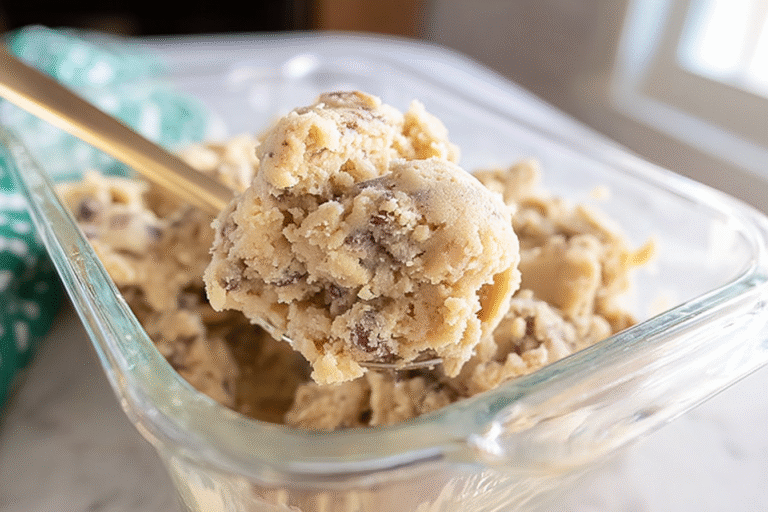
Store Cookie Dough
🍪🔪 Master cookie dough prep for perfect texture and shape – chill, portion, bake fresh anytime!
❄️📦 Foolproof storage methods keep dough fresh for months; save time, reduce waste, endless fresh cookies.
- Total Time: 40 minutes
- Yield: Varies by recipe
Ingredients
– 2 1/4 cups all-purpose flour – Provides structure and body to your cookies
– 1 teaspoon baking soda – Helps cookies rise and spread properly
– 1/2 teaspoon salt – Enhances flavor and balances sweetness
– 1 cup unsalted butter, softened – Creates rich flavor and tender texture
– 3/4 cup granulated sugar – Adds sweetness and helps with spreading
– 3/4 cup brown sugar, packed – Adds moisture and depth of flavor
– 1 large egg – Binds ingredients together and adds structure
– 1 teaspoon vanilla extract – Provides classic cookie flavor
– 2 cups chocolate chips – Adds chocolatey goodness in every bite
Instructions
1-First Step: Gather all your ingredients and equipment before beginning. Use room temperature butter and eggs for better incorporation. Measure all ingredients precisely, especially flour, which should be spooned into measuring cups and leveled off rather than scooped directly. Prepare your baking sheets with parchment paper or silicone mats for later use.
2-Second Step: In a medium bowl, whisk together the flour, baking soda, and salt until well combined. This step ensures the leavening agents are evenly distributed throughout the flour, which prevents pockets of baking soda that could affect the cookie’s texture. Set this dry mixture aside while you prepare the wet ingredients.
3-Third Step: In a large mixing bowl, beat the softened butter with both sugars on medium speed until light and fluffy, about 2-3 minutes. This process, known as creaming, incorporates air into the mixture and creates the desired texture in your baked cookies. Scrape down the sides of the bowl to ensure everything is evenly mixed.
4-Fourth Step: Add the egg and vanilla extract to the butter mixture, beating until fully incorporated. The mixture may look slightly curdled, which is normal. Continue mixing for about 1 minute until the mixture becomes smooth and creamy again. This step is crucial for properly emulsifying the ingredients.
5-Fifth Step: Gradually add the dry flour mixture to the wet ingredients on low speed, mixing just until combined. Be careful not to overmix at this stage, as overdeveloping the gluten can result in tough cookies. Stop mixing when you still see a few streaks of flour remaining.
6-Sixth Step: Remove the bowl from the mixer and finish mixing by hand with a rubber spatula to avoid overworking the dough. Add the chocolate chips (or any other mix-ins you prefer) and fold them gently into the dough until evenly distributed. This ensures the chocolate chips are incorporated without breaking them or toughening the dough.
7-Seventh Step: For the best storage results, divide the dough into portions based on how you plan to use it later. You can form the entire batch into a log, shape individual cookie dough balls, or divide into smaller batches. This pre-portioning technique makes it easier to bake just what you need later without having to thaw the entire batch.
8-Eighth Step: Wrap each portion tightly in plastic wrap, pressing the wrap directly against the dough to remove air pockets. If making logs, roll the wrapped dough on the counter to create an even cylinder shape. For dough balls, place them on a parchment-lined baking sheet to freeze initially before transferring to storage containers.
9-Final Step: Label each package with the date and type of cookie dough. If freezing, place the wrapped portions in a freezer-safe bag or airtight container for additional protection. The dough is now ready for short-term refrigeration or long-term freezing, depending on when you plan to bake it. Following these steps ensures your dough maintains its quality and freshness until you’re ready to bake.
Last Step:
Please leave a rating and comment letting us know how you liked this recipe! This helps our business to thrive and continue providing free, high-quality recipes for you.Notes
⏰ Label with date and recipe name to track freshness.
❄️ Flatten dough balls slightly before freezing for even baking.
🥄 Portion dough same size for uniform cookies every batch.
- Prep Time: 10 minutes
- Chill: 30 minutes
- Category: Baking Tips
- Method: Preparation and Storage
- Cuisine: Universal
- Diet: Varies
Nutrition
- Calories: Varies
- Sugar: Varies
- Sodium: Varies
- Fat: Varies
- Saturated Fat: Varies
- Unsaturated Fat: Varies
- Trans Fat: 0g
- Carbohydrates: Varies
- Fiber: Varies
- Protein: Varies
- Cholesterol: Varies