

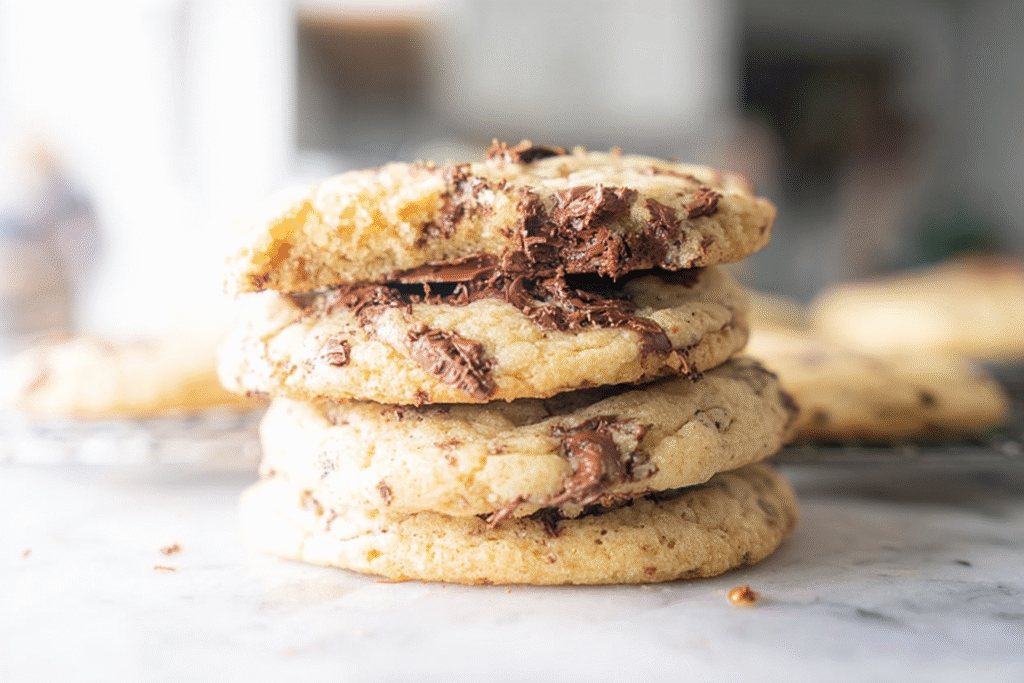
Why You’ll Love This Reheat Cookies
Reheating cookies to restore their fresh-baked goodness is one of the simplest yet most rewarding kitchen techniques. Whether you have leftover treats from a previous baking session or you simply want to enjoy that warm, gooey texture again, learning the proper way to reheat cookies will transform your snacking experience. This method brings back the comforting aroma and delightful texture that makes freshly baked cookies so irresistible.Key Benefits of Reheating Cookies
- Ease of preparation: Reheating cookies requires minimal effort and only takes a few minutes. No special equipment is needed beyond what most kitchens already have, making this technique accessible to everyone. The process is straightforward and doesn’t require any cooking skills, making it perfect for busy parents, students, or anyone craving a quick warm treat.
- Health benefits: By reheating cookies properly, you can reduce food waste by enjoying treats that might otherwise be discarded. This mindful approach to consumption aligns with sustainable practices. Additionally, serving warm cookies allows you to control portion sizes better, as the enhanced flavor means you can satisfy your craving with fewer cookies.
- Versatility: This reheating method works with virtually any type of cookie, from chocolate chip to oatmeal raisin to sugar cookies. It’s adaptable to various dietary needs and preferences, including vegan and gluten-free options. The technique can be modified based on the appliances available in your kitchen.
- Distinctive flavor: Proper reheating releases the aromatic compounds in cookies that have developed during baking, intensifying the overall flavor profile. The warm texture creates a delightful contrast between a crisp exterior and soft interior, mimicking the experience of freshly baked treats.
Jump to:
- Why You’ll Love This Reheat Cookies
- Key Benefits of Reheating Cookies
- Essential Ingredients for Reheat Cookies
- Main Ingredients and Tools
- Equipment Options
- Special Dietary Options
- How to Prepare the Perfect Reheat Cookies: Step-by-Step Guide
- Reheating Cookies in the Microwave
- Reheating Cookies in the Oven
- Reheating Cookies in an Air Fryer
- Protein and Main Component Alternatives
- Substitutions for Cookie Varieties
- Alternative Treats
- Vegetable, Sauce, and Seasoning Modifications
- Vegetable-Infused Cookies
- Sauce and Glaze Considerations
- Seasoning Adjustments After Reheating
- Mastering Reheat Cookies: Advanced Tips and Variations
- Pro Cooking Techniques
- Flavor Variations
- Presentation Tips
- Make-Ahead Options
- How to Store Reheat Cookies: Best Practices
- Refrigeration
- Freezing
- Reheating
- Meal Prep Considerations
- FAQs: Frequently Asked Questions About Reheat Cookies
- Reheat Cookies
- Ingredients
- Instructions
- Last Step:
- Notes
- Nutrition
- Did you make this recipe?
Essential Ingredients for Reheat Cookies
When it comes to reheating cookies, you don’t need traditional baking ingredients. Instead, you’ll need specific tools and sometimes supplemental items to achieve the perfect warm, soft texture without drying out your treats.Main Ingredients and Tools
- Cookies: – The treats you wish to reheat (any variety and amount)
- Parchment paper: – Prevents sticking and helps maintain moisture during reheating
- Baking sheet: – Provides even heat distribution when using the oven
- Moist paper towel: – Helps create steam to prevent drying out in the microwave
- Aluminum foil: – Protects cookies from direct heat and retains moisture
Equipment Options
Depending on your preferred reheating method, you may need one or more of these kitchen appliances:- Microwave oven
- Conventional oven or toaster oven
- Air fryer
Special Dietary Options
- Vegan: Plant-based cookies can be reheated using the same methods as traditional cookies
- Gluten-free: Gluten-free cookies often dry out faster, so they benefit from extra moisture protection during reheating
- Low-calorie: Lighter cookie varieties can be gently warmed without additional fats or oils
How to Prepare the Perfect Reheat Cookies: Step-by-Step Guide
The key to successfully reheating cookies lies in understanding the proper method for each appliance. Follow these detailed instructions to achieve warm, delicious cookies every time.Reheating Cookies in the Microwave
The microwave offers the quickest method for warming cookies, though it requires careful attention to prevent sogginess or uneven heating.
First Step: Prepare your cookies by placing them on a microwave-safe plate. For soft cookies, place a moist paper towel directly on the plate before adding the cookies. This creates steam that helps maintain moisture. For crisp cookies, skip the paper towel to retain their texture.
Second Step: Arrange cookies in a single layer with space between them. This ensures even heating and prevents them from sticking together. If reheating multiple cookies, work in batches rather than overcrowding the plate.
Third Step: Microwave on medium power (50%) for 10-15 seconds. Lower power settings help heat the cookies more evenly without creating hot spots. Check the cookies and continue microwaving in 5-second intervals until warmed to your preference.
Fourth Step: Let the cookies rest for 30-60 seconds after microwaving. This allows the heat to distribute evenly throughout the cookie and prevents burning your mouth on hot spots. The resting period also helps the cookies firm up slightly if they’ve become too soft.
Reheating Cookies in the Oven
The oven method provides the most consistent results and helps restore a slightly crisp exterior while maintaining a soft center.
First Step: Preheat your oven to 300°F (150°C). This moderate temperature warms the cookies without burning them or drying them out excessively. Avoid higher temperatures, as they can cause the edges to brown before the center warms through.
Second Step: Line a baking sheet with parchment paper. This prevents sticking and makes cleanup easier. Arrange your cookies in a single layer, leaving space between them for even heat circulation.
Third Step: For extra moisture protection, loosely tent the cookies with aluminum foil. This creates a mini-oven environment that helps retain moisture while still allowing the cookies to warm through. This step is particularly helpful for cookies that are already slightly dry.
Fourth Step: Place the baking sheet in the preheated oven for 5-10 minutes. The exact time depends on the size and thickness of your cookies. Check after 5 minutes and continue heating until warmed throughout. The cookies should feel warm to the touch and have a slightly soft texture.
Final Step: Remove the cookies from the oven and let them cool on the baking sheet for 2-3 minutes. This brief resting period allows them to set slightly before serving. Enjoy them while still warm for the best experience.
Reheating Cookies in an Air Fryer
The air fryer offers a unique reheating method that can restore a crisp exterior while keeping the inside soft and chewy.
First Step: Preheat your air fryer to 300°F (150°C) for 2-3 minutes. This ensures the cooking environment reaches the optimal temperature before adding your cookies.
Second Step: Place your cookies in the air fryer basket in a single layer. Avoid overcrowding, as this prevents proper air circulation and even heating. Work in batches if necessary.
Third Step: Heat for 2-3 minutes, then check the cookies. Air fryers heat more quickly than traditional ovens, so monitor closely to prevent burning. The cookies should be warm with slightly crisp edges.
Fourth Step: If needed, continue heating in 30-second increments until warmed through. Be careful not to overheat, as cookies can quickly become too hard or dry in an air fryer.
Final Step: Carefully remove the cookies from the air fryer basket using tongs. Let them cool on a wire rack for 1-2 minutes before serving. This slight cooling period helps them achieve the perfect texture.
Remember that different cookie types may require slight adjustments to these methods. Thicker, denser cookies generally need more time to heat through than thinner varieties.
Protein and Main Component Alternatives
While this guide focuses on traditional cookies, you can apply similar reheating principles to other baked goods. Understanding how different ingredients respond to heat will help you adapt these techniques to various treats.Substitutions for Cookie Varieties
Not all cookies are created equal, and their composition affects how they reheat. Cookies with higher fat content, such as those made with butter or oil, tend to reheat more successfully as the fat helps maintain moisture. For lower-fat cookies, consider adding a small amount of moisture during the reheating process.
Chocolate chip cookies: These classics reheat beautifully in any method. The chocolate chips will soften and become slightly gooey, enhancing the overall experience. For best results, use the oven method to restore a slight crispness to the edges.
Oatmeal cookies: These denser cookies benefit from slightly longer reheating times to ensure they warm through completely. The oats can absorb moisture, so the tented oven method works particularly well for maintaining texture.
Sugar cookies: These more delicate cookies can dry out quickly, so use extra moisture protection. A shorter reheating time in the oven or the moist paper towel method in the microwave works best.
Alternative Treats
The techniques described for dessert treats can be adapted for various baked goods:
- Brownies: Reheat using the oven method at 275°F for 8-10 minutes for a fudgy texture
- Blondies: Use the air fryer method for 2-3 minutes to restore a slightly crisp top
- Cookie bars: The tented oven method works best to prevent drying out the edges
| Treat Type | Best Reheating Method | Temperature/Time |
|---|---|---|
| Chocolate Chip Cookies | Oven | 300°F for 5-10 minutes |
| Oatmeal Raisin Cookies | Oven (tented) | 300°F for 8-12 minutes |
| Sugar Cookies | Microwave | 50% power for 10-15 seconds |
| Brownies | Oven | 275°F for 8-10 minutes |
Vegetable, Sauce, and Seasoning Modifications
While traditional cookies don’t typically include vegetables or sauces, creative bakers often incorporate these elements. When reheating such variations, special considerations apply to maintain both texture and flavor.Vegetable-Infused Cookies
Vegetable-based cookies, such as those containing zucchini, carrots, or pumpkin, have higher moisture content than traditional varieties. This extra moisture affects how they reheat.
Zucchini cookies: The high water content in zucchini can make these cookies soggy when reheated. The air fryer method works exceptionally well, as it helps remove excess moisture while warming the cookie through.
Carrot cookies: Similar to zucchini varieties, carrot cookies benefit from methods that reduce moisture. Use the oven method without foil to allow some evaporation during reheating.
Pumpkin cookies: These dense, moist cookies reheat well using the tented oven method. The foil helps retain their signature soft texture while ensuring they warm completely.
Sauce and Glaze Considerations
Cookies with sauces, glazes, or frostings require careful attention during reheating to prevent melting or creating a mess.
Frosted cookies: Reheating frosted cookies is tricky, as the heat can cause the frosting to melt and run. If you must reheat them, use very low heat in the oven (250°F) for just 2-3 minutes. Alternatively, place them in the refrigerator first to firm up the frosting before briefly microwaving on the lowest setting.
Glazed cookies: Thin glazes can become sticky when reheated. The air fryer set to a low temperature (275°F) for just 1-2 minutes works best, providing gentle heat without making the glaze runny.
Sauce-topped cookies: For cookies with sauce dollops on top, reheat the cookies first, then add fresh sauce. The heat will cause the sauce to separate and become unappealing if reheated together.
Seasoning Adjustments After Reheating
Some seasonings lose their potency during the reheating process. Consider these adjustments:
- Cinnamon-spiced cookies: Lightly dust with fresh cinnamon after reheating to restore aroma
- Lemon-zest cookies: Add a small amount of fresh lemon zest after warming for a bright flavor boost
- Salted caramel cookies: Finish with a pinch of flaky sea salt after reheating to enhance the caramel notes
Mastering Reheat Cookies: Advanced Tips and Variations
Once you’ve mastered the basic reheating techniques, these expert tips will help you achieve professional results and creative variations that elevate your cookie experience.Pro Cooking Techniques
The double microwave method: For cookies that have become extremely hard, try this technique. Microwave a glass of water for 1 minute, then remove it and immediately place your cookies on a plate in the microwave. The residual moisture in the microwave will help soften the cookies as you heat them for 10-15 seconds on medium power.
Steam reheating: Create a steaming environment in your oven by placing a pan of water on the bottom rack while preheating. Place your cookies on the upper rack. The gentle steam will help restore moisture to dry cookies as they warm through.
The refresh technique: For stale cookies that aren’t just cold but have lost their freshness, brush them lightly with milk before reheating. This adds moisture that will be absorbed during heating, making them taste freshly baked again.
Flavor Variations
Reheating offers an opportunity to enhance or transform the flavor profile of your cookies:
- Cheese and cookies: Place a small amount of sharp cheddar or cream cheese on top of plain sugar or spice cookies during the last minute of reheating in the oven for a savory-sweet combination
- Nutty boost: Press chopped pecans or walnuts slightly into the top of your cookies before reheating in the oven. The heat will toast the nuts and enhance their flavor
- Spice infusion: Place a cinnamon stick or star anise in the oven while reheating spice cookies to infuse them with additional aromatic flavor
Presentation Tips
Make your reheated cookies look as good as they taste with these simple presentation techniques:
- Arrange warm cookies on a wooden board or slate platter for a rustic presentation
- Dust chocolate chip or sugar cookies with powdered sugar immediately after reheating while they’re still slightly warm
- Serve with a small dish of warm milk or almond milk for dipping, emphasizing the comfort factor
- For variety, create a tasting plate with different cookie types reheated using their optimal methods
Make-Ahead Options
For those who like to plan ahead, these prep strategies make enjoying warm cookies convenient even on busy days:
- Pre-portion cookies into small resealable bags with 2-3 cookies each for easy single-serving reheating
- Create “reheating kits” by pre-cutting parchment paper and foil squares to the right size for your baking sheet
- Label cookie containers with the optimal reheating time and temperature for quick reference
- Freeze cookie dough balls instead of baked cookies, then bake fresh as needed for the ultimate warm cookie experience
How to Store Reheat Cookies: Best Practices
Proper storage before reheating is just as important as the reheating technique itself. Follow these guidelines to maintain quality and safety.Refrigeration
For short-term storage (up to one week), place cookies in an airtight container with layers separated by parchment paper. Adding a slice of white bread to the container helps maintain moisture. Store at room temperature rather than in the refrigerator, as refrigeration can make cookies stale faster. However, if your cookies contain perishable ingredients like cream cheese frosting, refrigeration is necessary.
Freezing
For long-term storage (up to three months), flash-freeze individual cookies on a baking sheet before transferring to freezer bags. This prevents them from sticking together. Remove as much air as possible from the bags to prevent freezer burn. Label with the date and cookie type for easy identification. For best results, thaw frozen cookies at room temperature before reheating, though you can also reheat them directly from frozen with slightly extended times.
Reheating
Always reheat cookies to an internal temperature of 165°F to ensure food safety, though this is rarely an issue with properly stored baked goods. Never reheat cookies more than once, as repeated temperature changes can negatively affect texture and potentially create safety issues with certain ingredients. When reheating frozen cookies without thawing first, increase the recommended time by approximately 50%.
Meal Prep Considerations
For those who like to batch prepare treats, consider these strategies:
- Dedicate one day to baking several varieties of cookies, then cool and store them properly for quick reheating throughout the week
- Create a “cookie station” in your kitchen with all necessary reheating tools organized for easy access
- Pre-set your oven or air fryer to the appropriate temperature before getting your cookies from storage to streamline the process
- For gift-giving, package cookies with reheating instructions attached so recipients can enjoy them at their best

FAQs: Frequently Asked Questions About Reheat Cookies
Print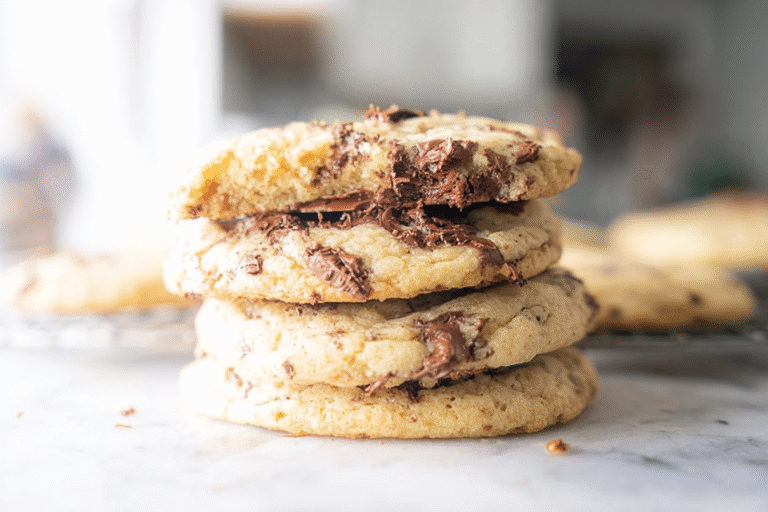
Reheat Cookies
🍪🔥 Restore stale cookies to warm, chewy, fresh-baked glory with crisp edges – zero waste indulgence!
⚡ Foolproof oven, microwave, skillet methods work every time; perfect for midnight snacks or parties.
- Total Time: 6 minutes
- Yield: Any number
Ingredients
– Cookies
Instructions
1-First Step: Prepare your cookies by placing them on a microwave-safe plate. For soft cookies, place a moist paper towel directly on the plate before adding the cookies. This creates steam that helps maintain moisture. For crisp cookies, skip the paper towel to retain their texture.
2-Second Step: Arrange cookies in a single layer with space between them. This ensures even heating and prevents them from sticking together. If reheating multiple cookies, work in batches rather than overcrowding the plate.
3-Third Step: Microwave on medium power (50%) for 10-15 seconds. Lower power settings help heat the cookies more evenly without creating hot spots. Check the cookies and continue microwaving in 5-second intervals until warmed to your preference.
4-Fourth Step: Let the cookies rest for 30-60 seconds after microwaving. This allows the heat to distribute evenly throughout the cookie and prevents burning your mouth on hot spots. The resting period also helps the cookies firm up slightly if they’ve become too soft.
5-First Step: Preheat your oven to 300°F (150°C). This moderate temperature warms the cookies without burning them or drying them out excessively. Avoid higher temperatures, as they can cause the edges to brown before the center warms through.
6-Second Step: Line a baking sheet with parchment paper. This prevents sticking and makes cleanup easier. Arrange your cookies in a single layer, leaving space between them for even heat circulation.
7-Third Step: For extra moisture protection, loosely tent the cookies with aluminum foil. This creates a mini-oven environment that helps retain moisture while still allowing the cookies to warm through. This step is particularly helpful for cookies that are already slightly dry.
8-Fourth Step: Place the baking sheet in the preheated oven for 5-10 minutes. The exact time depends on the size and thickness of your cookies. Check after 5 minutes and continue heating until warmed throughout. The cookies should feel warm to the touch and have a slightly soft texture.
9-Final Step: Remove the cookies from the oven and let them cool on the baking sheet for 2-3 minutes. This brief resting period allows them to set slightly before serving. Enjoy them while still warm for the best experience.
10-First Step: Preheat your air fryer to 300°F (150°C) for 2-3 minutes. This ensures the cooking environment reaches the optimal temperature before adding your cookies.
11-Second Step: Place your cookies in the air fryer basket in a single layer. Avoid overcrowding, as this prevents proper air circulation and even heating. Work in batches if necessary.
12-Third Step: Heat for 2-3 minutes, then check the cookies. Air fryers heat more quickly than traditional ovens, so monitor closely to prevent burning. The cookies should be warm with slightly crisp edges.
13-Fourth Step: If needed, continue heating in 30-second increments until warmed through. Be careful not to overheat, as cookies can quickly become too hard or dry in an air fryer.
14-Final Step: Carefully remove the cookies from the air fryer basket using tongs. Let them cool on a wire rack for 1-2 minutes before serving. This slight cooling period helps them achieve the perfect texture.
Last Step:
Please leave a rating and comment letting us know how you liked this recipe! This helps our business to thrive and continue providing free, high-quality recipes for you.Notes
⏲️ Avoid high heat – low and slow prevents drying out.
💧 Damp towel adds steam for softness in microwave magic.
🧊 Freeze extras first; reheat from frozen adding 1-2 min.
- Prep Time: 1 minute
- Cook Time: 5 minutes
- Category: Baking Tips
- Method: Reheating
- Cuisine: Universal
- Diet: Varies
Nutrition
- Serving Size: 1 cookie
- Calories: Varies
- Sugar: Varies
- Sodium: Varies
- Fat: Varies
- Saturated Fat: Varies
- Unsaturated Fat: Varies
- Trans Fat: 0g
- Carbohydrates: Varies
- Fiber: Varies
- Protein: Varies
- Cholesterol: Varies