

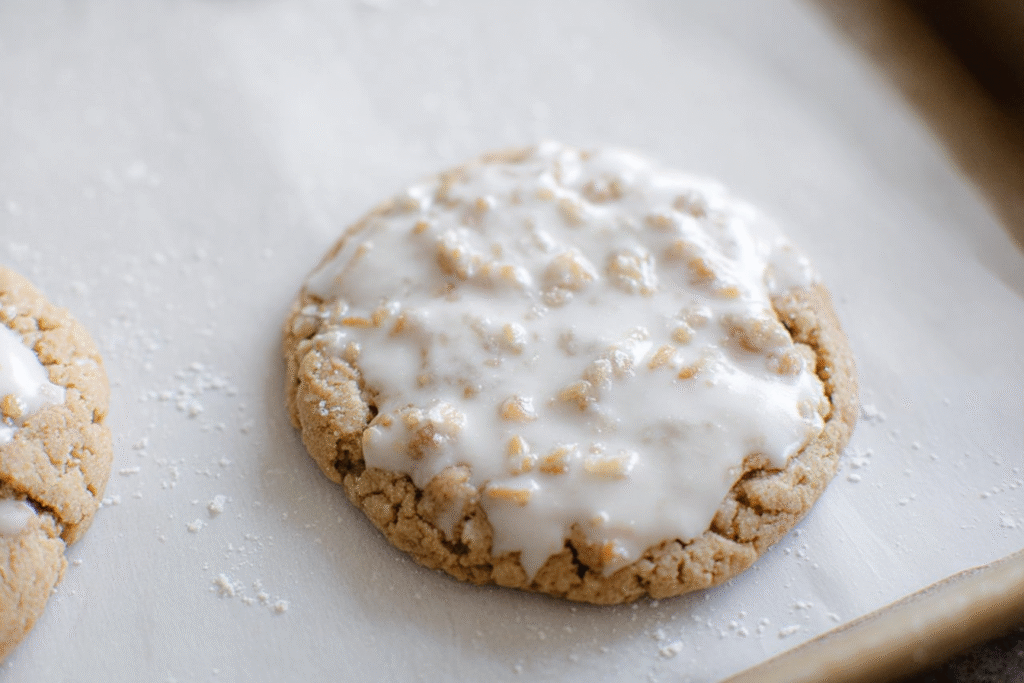
Why You’ll Love This Powdered Sugar Icing
There is nothing quite like finishing a homemade cake or batch of cookies with a sweet, smooth glaze. This powdered sugar icing is the ultimate finishing touch for your favorite baked goods. It comes together in mere minutes and requires only basic pantry staples you likely already have. Whether you are a seasoned baker or just starting out, this recipe is designed to deliver delicious results every single time. * Ease of preparation: This simple icing recipe is incredibly fast to make. You can whip it up in under five minutes, meaning you spend less time preparing and more time enjoying your treats. There is no need for complicated equipment or a stand mixer; a simple whisk and bowl do the job perfectly. * Versatility: The beauty of this confectioners sugar icing lies in its adaptability. You can use it as a thick spread for cinnamon rolls, a thin drizzle for donuts, or a pipeable frosting for sugar cookies. It also serves as a fantastic base for adding different flavors like citrus, almond, or even cocoa. * Distinctive flavor: Unlike heavy buttercream frostings, this easy cake icing offers a lighter sweetness that complements rather than overpowers. The vanilla adds a comforting aroma and taste, while the texture is silky smooth. It hardens just enough to stay put but remains soft enough to bite into with pleasure.Jump to:
- Why You’ll Love This Powdered Sugar Icing
- Essential Ingredients for Powdered Sugar Icing
- Main Ingredients
- Special Dietary Options
- How to Prepare the Perfect Powdered Sugar Icing: Step-by-Step Guide
- Preparation
- First Step: Sift the Sugar
- Second Step: Add Liquid and Flavor
- Third Step: The Mixing Process
- Fourth Step: Consistency Check
- Final Step: Finishing Touches
- Dietary Substitutions to Customize Your Powdered Sugar Icing
- Protein and Main Component Alternatives
- Vegetable, Sauce, and Seasoning Modifications
- Mastering Powdered Sugar Icing: Advanced Tips and Variations
- Pro Cooking Techniques
- Flavor Variations
- Presentation Tips
- Make-Ahead Options
- How to Store Powdered Sugar Icing: Best Practices
- Refrigeration
- Freezing
- Reheating
- Meal Prep Considerations
- FAQs: Frequently Asked Questions About Powdered Sugar Icing
- How do you make powdered sugar icing?
- What’s a simple powdered sugar icing recipe for cakes?
- How do you thicken powdered sugar icing?
- How long does powdered sugar icing last?
- Can you color powdered sugar icing?
- Powdered Sugar Icing
- Ingredients
- Instructions
- Last Step:
- Notes
- Nutrition
- Did you make this recipe?
Essential Ingredients for Powdered Sugar Icing
Making the best powdered sugar glaze starts with high-quality ingredients. Because the recipe is so simple, each component plays a vital role in the final taste and texture. You want to ensure you have the right items on hand before you begin mixing.Main Ingredients
- 2 cups Powdered sugar – The base of the icing, providing sweetness and structure.
- 2-3 tablespoons Milk or heavy cream – Adjusts the consistency from thick to drizzle.
- 1 teaspoon Vanilla extract – Adds essential flavor and aroma.
Special Dietary Options
You can easily adapt this recipe to fit various dietary needs without sacrificing taste or texture.- Vegan: Swap the dairy milk for almond milk, soy milk, oat milk, or coconut milk. These plant-based liquids create a smooth consistency just like regular milk.
- Gluten-free: Pure powdered sugar is naturally gluten-free. Just be sure to check the labels on your vanilla extract and other additives to ensure no gluten-containing additives are present.
- Low-calorie: For a lighter version, use a zero-calorie liquid sweetener mixed with a thickening agent like cornstarch, or simply reduce the amount of glaze used per serving.
For those interested in the nutritional profile of the primary ingredient, you can check out the details on sugar powdered or confectioners sugar.
How to Prepare the Perfect Powdered Sugar Icing: Step-by-Step Guide
Creating a smooth, lump-free powdered sugar icing is an art form that anyone can master. Follow these detailed steps to ensure your glaze turns out perfectly every time. This process covers everything from preparation to the final adjustments that make the difference between a good icing and a great one.Preparation
Before you start mixing, proper preparation is key. Measure out all your ingredients accurately. Baking is a science, and even small deviations can affect the consistency of your glaze. You will need a medium-sized mixing bowl and a whisk or a fork. If you have a sifter, that is excellent, but if not, a fine-mesh sieve will work perfectly for aerating your sugar.First Step: Sift the Sugar
Place the 2 cups powdered sugar into your sifter or sieve. Sift it directly into your mixing bowl. This step is crucial because it breaks up any clumps that may have formed in the bag or container. Clumps are the enemy of smooth icing. Sifting incorporates air into the sugar, which makes it lighter and easier to dissolve into the liquid. Skipping this step often results in a lumpy, gritty final product.Second Step: Add Liquid and Flavor
Pour 1 teaspoon of vanilla extract over the sifted sugar. Then, add 2 tablespoons of milk (or your chosen liquid). Do not dump all the liquid in at once if you are aiming for a specific consistency. Starting with less allows you to control the thickness more effectively. The milk serves to dissolve the sugar crystals and create the fluid texture needed for spreading or drizzling.Third Step: The Mixing Process
Using your whisk, begin to stir the ingredients together. At first, it will seem like a thick, dry paste. Continue to whisk vigorously, pressing out any small lumps of sugar against the side of the bowl. As the sugar absorbs the liquid, the mixture will start to loosen up and become glossy. If you find the mixture is too stiff to whisk, add the remaining tablespoon of milk a teaspoon at a time.Fourth Step: Consistency Check
Stop mixing and lift your whisk or spoon. Watch how the icing falls off the utensil.- For a thick frosting: You want the icing to hold its shape when dropped. It should fall off in a heavy dollop rather than a stream. This consistency is ideal for spreading on cakes or piping borders.
- For a medium glaze: The icing should flow off the spoon but in a slow, steady ribbon. This is perfect for dipping donuts or covering cinnamon rolls.
- For a thin drizzle: The icing should be liquid enough to pour easily. It should run off the spoon in a thin stream. Use this for drizzling over cookies, pastries, or bread pudding.
Final Step: Finishing Touches
Once you have reached your desired consistency, give the icing one final, quick whisk to ensure it is perfectly smooth. Your powdered sugar icing is now ready to use. Pour it over your cooled baked goods immediately. If you are working with a batch of cookies or donuts, you can dip them directly into the bowl for even coverage. Allow the icing to set for a few minutes before serving to let it firm up slightly.
Dietary Substitutions to Customize Your Powdered Sugar Icing
One of the best things about this recipe is how easily it adapts to different needs and preferences. You can tweak the ingredients to suit dietary restrictions or simply to use what you have in your kitchen. Understanding these substitutions helps you become a more flexible and confident home cook.Protein and Main Component Alternatives
While powdered sugar is the main component, sometimes you might want to change the flavor profile or nutritional content. If you find yourself out of powdered sugar, you can make your own by blending granulated white sugar with a teaspoon of cornstarch in a high-speed blender or food processor until it reaches a fine dust. Be careful not to blend it for too long, or it will turn into a block of hard sugar. For those looking to reduce refined sugar, natural sweeteners like powdered Erythritol or monk fruit sweetener can be used as a 1:1 substitute. Keep in mind that alternative sweeteners may cool differently or have a slightly different aftertaste. You might also consider adding a tablespoon of Greek yogurt substitute or cream cheese for a tangy twist that also adds a bit of protein and creaminess, though this will alter the texture to be more like a frosting than a glaze.Vegetable, Sauce, and Seasoning Modifications
Flavoring your powdered sugar icing opens up a world of possibilities. Beyond vanilla, consider using other extracts to change the vibe completely. Almond extract gives a nutty, sophisticated flavor that pairs well with stone fruits. Lemon or orange extract adds a bright, citrusy zing that cuts through the sweetness, making it perfect for pound cakes or scones. You can also incorporate fruit juices instead of milk. Lemon juice is a classic choice, creating a tangy glaze that hardens well. Orange juice, pomegranate juice, or even berry juice can add natural color and flavor. If you want to get fancy, a teaspoon of maple syrup or bourbon can add warmth and depth. For a seasonal touch, add a pinch of cinnamon, nutmeg, or pumpkin pie spice to the mix before adding the liquid.Mastering Powdered Sugar Icing: Advanced Tips and Variations
Once you have mastered the basic recipe, you can start experimenting with more advanced techniques and creative variations. These tips will help you take your easy cake icing to the next level, impressing friends and family with your baking skills.Pro Cooking Techniques
Temperature plays a big role in how your glaze behaves. If you want a thicker icing that sets harder, use cold liquid. Conversely, warm liquid will make the icing thinner and flow more easily, which is great for covering large surfaces quickly. If your icing starts to harden while you are working with it, place the bowl over a pot of simmering water for a few seconds to gently warm it up and loosen it. For a perfectly glossy finish that does not dry out too quickly, try adding a teaspoon of light corn syrup or honey to the mixture. This helps prevent the icing from crystallizing and keeps it shiny for longer. When icing a layered cake, apply a “crumb coat” first. This is a very thin layer of icing applied to seal in the crumbs. Chill the cake for 15 minutes to set this layer, then apply your final, thicker coat of icing for a flawless, crumb-free look.Flavor Variations
Do not limit yourself to plain vanilla. A chocolate powdered sugar glaze is a favorite for many. Simply mix 2 tablespoons of unsweetened cocoa powder into the powdered sugar before adding the liquid. You may need to add a little extra liquid to account for the dryness of the cocoa. For a mocha flavor, add a teaspoon of instant coffee granules dissolved in the milk. Spiced icing is another excellent variation. Adding a pinch of cayenne pepper to a chocolate icing creates a Mexican hot chocolate flavor that is sure to surprise and delight. For a festive holiday twist, add a drop of peppermint extract or crush a candy cane and mix the pieces into the finished glaze.Presentation Tips
Presentation matters just as much as taste. To create professional-looking drizzles, use a piping bag or a plastic sandwich bag with the corner snipped off. This gives you control over the width and pattern of the glaze. Zig-zag patterns look beautiful on bundt cakes, while simple dots work well on cookies. If you want to add a bit of texture, sprinkle toppings immediately after applying the icing while it is still wet. Chopped nuts, sprinkles, coconut flakes, or edible glitter will stick perfectly. Layering different colors of glaze can also create a stunning marbled effect. Pour one color, then immediately drizzle a second color on top and swirl gently with a toothpick.Make-Ahead Options
You can prepare the base of your icing ahead of time to save effort later. Mix the powdered sugar and any dry ingredients like cocoa powder or spices together and store them in a sealed container or ziplock bag. Label it with the wet ingredients needed, so you can quickly finish the glaze when you are ready to bake. For fully made icing, it stores well in the refrigerator. Keep it in an airtight container. When you are ready to use it again, you might find it has separated or hardened slightly. Simply whisk in a teaspoon of liquid at a time until it returns to its original smooth consistency.How to Store Powdered Sugar Icing: Best Practices
Proper storage ensures your powdered sugar icing remains fresh and safe to eat. Because it contains dairy (if you used milk), it is perishable and needs to be handled correctly. Understanding how to refrigerate, freeze, and reheat your icing helps reduce waste and keeps your desserts tasting their best.Refrigeration
If you have leftover icing or made it in advance, store it in an airtight container in the refrigerator. It will stay fresh for up to one week. Before using refrigerated icing, let it sit at room temperature for about 20 minutes to soften. Whisk it vigorously to reincorporate any ingredients that may have separated. If it is too thick, add a few drops of milk to reach the desired consistency again.Freezing
You can freeze powdered sugar glaze for longer storage. Scoop the icing into a freezer-safe bag or container. It can be frozen for up to 3 months. When you are ready to use it, transfer it to the refrigerator to thaw overnight. Once thawed, bring it to room temperature and whisk until smooth. Freezing may affect the texture slightly, making it grainier, but whisking usually brings it back to life.Reheating
Reheating is not typically required for this type of icing unless it has hardened significantly in the fridge. If it is too stiff, simply let it warm up naturally at room temperature. Avoid using the microwave to heat it, as this can cause the dairy to curdle or the sugar to melt and recrystallize into a hard lump. Gentle whisking with a small amount of warm liquid is the safest way to return it to a spreadable state.Meal Prep Considerations
For meal prep, consider making a large batch of “dry” icing mix. Combine large quantities of powdered sugar, powdered milk, and vanilla powder. Store this mix in the pantry. When you need icing, just add the required amount of water. This method bypasses the need for refrigeration entirely until the water is added, making it convenient for busy schedules.
FAQs: Frequently Asked Questions About Powdered Sugar Icing
How do you make powdered sugar icing?
What’s a simple powdered sugar icing recipe for cakes?
How do you thicken powdered sugar icing?
How long does powdered sugar icing last?
Can you color powdered sugar icing?
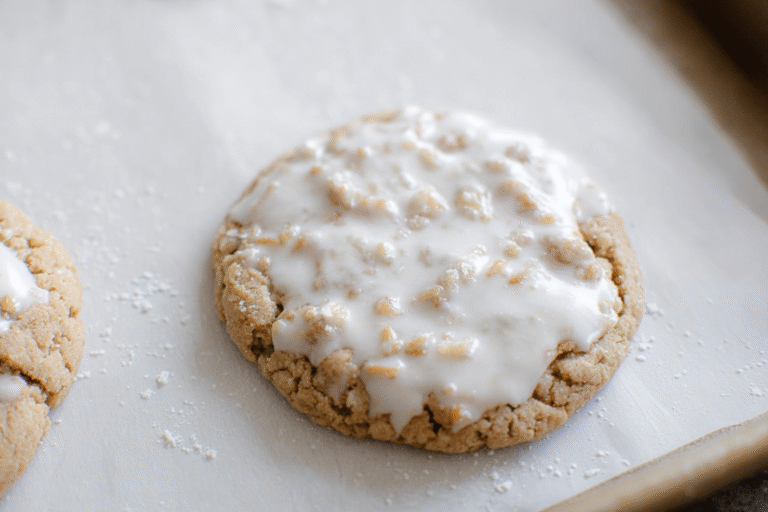
Powdered Sugar Icing
🍬 Silky smooth powdered sugar icing that drizzles perfectly on cookies, cakes, or pastries – instant glossy finish!
✨ Ready in 2 minutes with just 3 ingredients; customizable flavors for any baking project.
- Total Time: 5 minutes
- Yield: 1 1/2 cups
Ingredients
– 2 cups Powdered sugar
– 2-3 tablespoons Milk or heavy cream
– 1 teaspoon Vanilla extract
Instructions
1-Preparation: Before you start mixing, proper preparation is key. Measure out all your ingredients accurately. Baking is a science, and even small deviations can affect the consistency of your glaze. You will need a medium-sized mixing bowl and a whisk or a fork. If you have a sifter, that is excellent, but if not, a fine-mesh sieve will work perfectly for aerating your sugar.
2-First Step: Sift the Sugar Place the 2 cups powdered sugar into your sifter or sieve. Sift it directly into your mixing bowl. This step is crucial because it breaks up any clumps that may have formed in the bag or container. Clumps are the enemy of smooth icing. Sifting incorporates air into the sugar, which makes it lighter and easier to dissolve into the liquid. Skipping this step often results in a lumpy, gritty final product.
3-Second Step: Add Liquid and Flavor Pour 1 teaspoon of vanilla extract over the sifted sugar. Then, add 2 tablespoons of milk (or your chosen liquid). Do not dump all the liquid in at once if you are aiming for a specific consistency. Starting with less allows you to control the thickness more effectively. The milk serves to dissolve the sugar crystals and create the fluid texture needed for spreading or drizzling.
4-Third Step: The Mixing Process Using your whisk, begin to stir the ingredients together. At first, it will seem like a thick, dry paste. Continue to whisk vigorously, pressing out any small lumps of sugar against the side of the bowl. As the sugar absorbs the liquid, the mixture will start to loosen up and become glossy. If you find the mixture is too stiff to whisk, add the remaining tablespoon of milk a teaspoon at a time.
5-Fourth Step: Consistency Check Stop mixing and lift your whisk or spoon. Watch how the icing falls off the utensil. *For a thick frosting: You want the icing to hold its shape when dropped. It should fall off in a heavy dollop rather than a stream. This consistency is ideal for spreading on cakes or piping borders.*For a medium glaze: The icing should flow off the spoon but in a slow, steady ribbon. This is perfect for dipping donuts or covering cinnamon rolls.*For a thin drizzle: The icing should be liquid enough to pour easily. It should run off the spoon in a thin stream. Use this for drizzling over cookies, pastries, or bread pudding.
6-Final Step: Finishing Touches Once you have reached your desired consistency, give the icing one final, quick whisk to ensure it is perfectly smooth. Your powdered sugar icing is now ready to use. Pour it over your cooled baked goods immediately. If you are working with a batch of cookies or donuts, you can dip them directly into the bowl for even coverage. Allow the icing to set for a few minutes before serving to let it firm up slightly.
Last Step:
Please leave a rating and comment letting us know how you liked this recipe! This helps our business to thrive and continue providing free, high-quality recipes for you.Notes
🧂 Sift sugar always for lump-free icing.
💧 Adjust milk gradually for perfect thickness every time.
❄️ Tint with food coloring or add flavors like cocoa for endless variations.
- Prep Time: 5 minutes
- Category: Dessert
- Method: No-Bake
- Cuisine: American
- Diet: Vegetarian
Nutrition
- Serving Size: 2 tablespoons
- Calories: 100 calories
- Sugar: 24g
- Sodium: 5mg
- Fat: 0g
- Saturated Fat: 0g
- Unsaturated Fat: 0g
- Trans Fat: 0g
- Carbohydrates: 25g
- Fiber: 0g
- Protein: 0g
- Cholesterol: 1mg