


Why You’ll Love This Heat Treat Flour
Heating flour might seem like an extra step, but this simple technique transforms ordinary flour into a versatile ingredient that opens up a world of no-bake possibilities. Learning how to properly heat treat flour is a game-changer for home bakers who want to enjoy raw dough without safety concerns.Benefits of Heat Treating Your Own Flour
- Ease of preparation: Heat treating flour is incredibly simple and requires minimal equipment. With just your oven or microwave, you can transform regular flour into a safe-to-eat ingredient in minutes. The process requires no special skills and can be done with common kitchen items you likely already have.
- Health benefits: Heat treating flour eliminates harmful bacteria like Salmonella and E. coli that may be present in raw flour. This pasteurization process makes it safe to eat raw without losing nutritional value. By following proper heating techniques, you can enjoy edible cookie dough and other no-bake treats without worrying about foodborne illness.
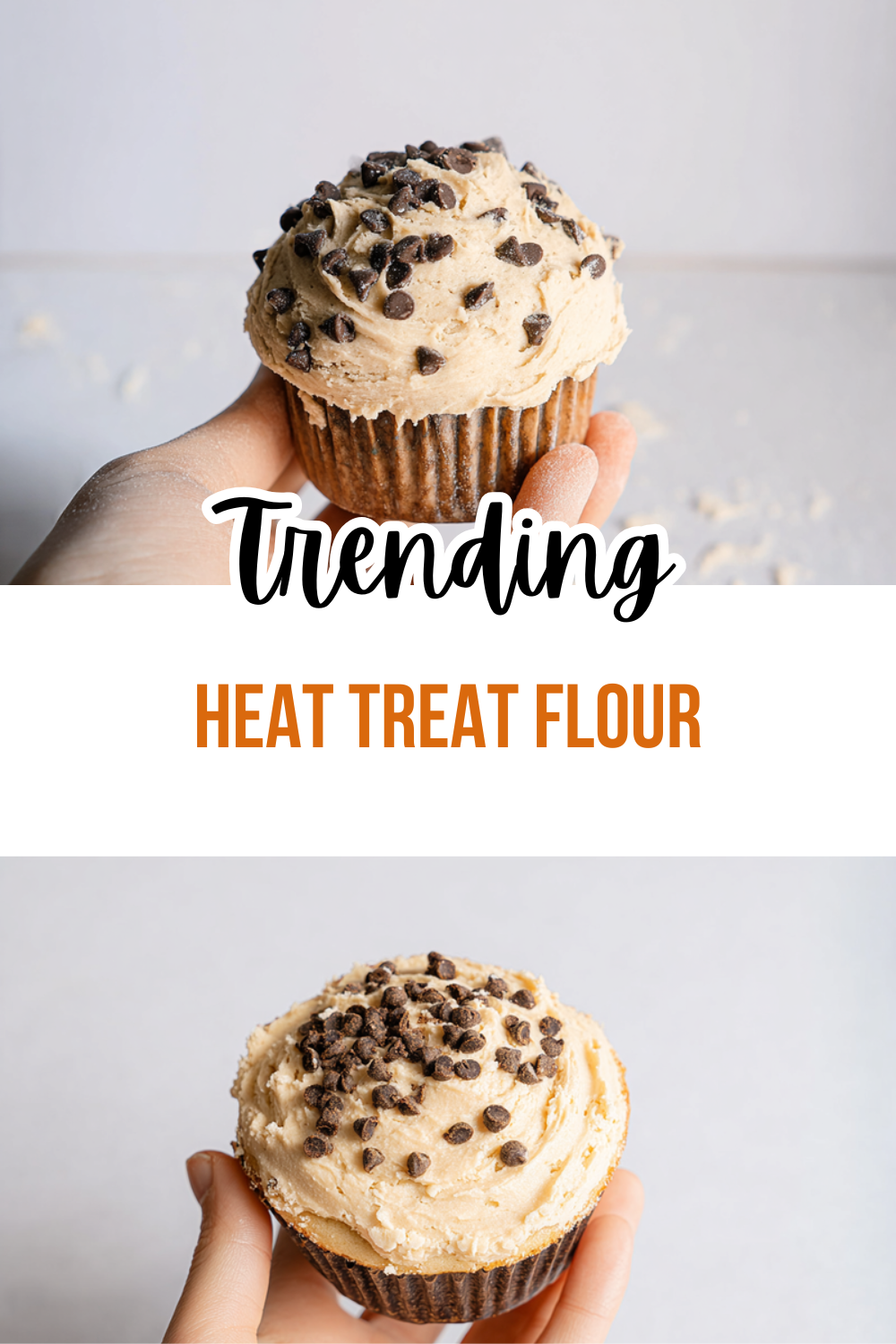
- Versatility: Once you’ve heat treated your flour, it becomes suitable for countless recipes that require flour to remain uncooked. Use it for edible cookie dough, frosting, cake batter dips, and even playdough for children. The treated flour performs identically to untreated flour in all baked recipes, giving you the flexibility to use one ingredient for multiple purposes.
- Cost-effective: Buying commercially heat-treated flour can cost 20-50% more than regular flour. Learning to heat treat your own flour saves money while giving you control over the process. You can treat exactly the amount you need, ensuring freshness and eliminating waste.
Jump to:
- Why You’ll Love This Heat Treat Flour
- Benefits of Heat Treating Your Own Flour
- Essential Ingredients for Heat Treat Flour
- Main Ingredients:
- Special Dietary Options:
- Vegan:
- Gluten-free:
- Low-calorie:
- How to Prepare the Perfect Heat Treat Flour: Step-by-Step Guide
- Oven Method
- First Step: Preparation and Setup
- Second Step: Initial Heating
- Third Step: Continued Heating with Monitoring
- Fourth Step: Temperature Verification
- Microwave Method
- First Step: Microwave Preparation
- Second Step: Initial Heating
- Third Step: Continued Microwave Heating
- Fourth Step: Temperature Verification
- Final Step: Cooling and Storage
- Dietary Substitutions to Customize Your Heat Treat Flour
- Protein and Main Component Alternatives
- Vegetable, Sauce, and Seasoning Modifications
- Mastering Heat Treat Flour: Advanced Tips and Variations
- Pro Cooking Techniques
- Flavor Variations
- Presentation Tips
- Make-Ahead Options
- How to Store Heat Treat Flour: Best Practices
- Refrigeration
- Freezing
- Meal Prep Considerations
- FAQs: Frequently Asked Questions About Heat Treat Flour
- What is heat treated flour?
- Is heat treated flour safe to eat raw?
- What’s the difference between regular flour and heat treated flour?
- Can you heat treat flour at home?
- Where can I buy heat treated flour?
- Heat Treat Flour
- Ingredients
- Instructions
- Last Step:
- Notes
- Nutrition
- Did you make this recipe?
Essential Ingredients for Heat Treat Flour
To heat treat flour properly, you need very few ingredients. This process is more about technique than complex ingredient lists. Here’s what you’ll need for successful flour treatment:Main Ingredients:
- 1-2 cups all-purpose flour – The foundation ingredient that will be heat treated. You can adjust the quantity based on your needs, but working with smaller batches ensures even heating.
- Equipment: Baking sheet or microwave-safe plate – Essential for spreading flour in a thin layer for even heat distribution.
- Parchment paper – Prevents flour from sticking to the baking sheet and makes cleanup easier.
- Food thermometer – Critical for verifying the flour has reached the safe temperature of 165°F (74°C) throughout.
- Airtight container – For storing your heat-treated flour after it cools completely.
Special Dietary Options:
Vegan:
Regular flour is naturally vegan, but for those with specific dietary requirements, you can use plant-based flours like almond flour, coconut flour, or oat flour. These alternatives can be heat treated using the same methods, though timing may vary slightly depending on the flour’s density.
Gluten-free:
For those avoiding gluten, you can heat treat certified gluten-free flour blends. These work wonderfully in edible cookie dough recipes and no-bake treats. Follow the same heating process, but be especially careful with temperature as gluten-free flours may brown more quickly than wheat flour.
Low-calorie:
If you’re watching calories, consider using alternative flours like coconut flour or almond flour, which offer different nutritional profiles. These can be heat treated similarly to regular flour and incorporated into lighter versions of your favorite no-bake treats.
How to Prepare the Perfect Heat Treat Flour: Step-by-Step Guide
Learning how to heat treat flour is straightforward when you follow these detailed instructions. There are two primary methods: oven heating and microwave heating. Both methods are effective, so choose the one that works best for your schedule and kitchen setup.Oven Method
The oven method is ideal for larger batches and provides more even heating. This approach takes a bit longer but gives excellent results every time.
First Step: Preparation and Setup
Begin by preheating your oven to 300°F (150°C). While the oven heats, line a rimmed baking sheet with parchment paper. This prevents the flour from sticking and makes cleanup effortless. Measure out the amount of flour you need to treat. For best results, work with no more than 2 cups at a time to ensure even heating throughout. Spread the flour in a thin, even layer on the prepared baking sheet. The flour should be no more than ¾ inch thick to allow heat to penetrate evenly.
Second Step: Initial Heating
Place the baking sheet in the preheated oven and set a timer for 2 minutes. This initial short heating period begins to warm the flour without scorching it. After 2 minutes, remove the baking sheet and use a spatula to stir the flour thoroughly. This redistributes the flour and ensures all portions receive equal heat exposure. Pay special attention to the corners and edges where flour tends to heat more quickly.
Third Step: Continued Heating with Monitoring
Return the baking sheet to the oven and heat for another 2 minutes. Remove and stir again. Repeat this process of 2-minute intervals with stirring between each. Most flour will reach the safe temperature after 5-10 minutes total, but this depends on your oven’s accuracy and the quantity of flour. After the third interval, insert your food thermometer into the center of the flour to check the temperature. You’re looking for an internal temperature of at least 165°F (74°C) throughout the flour, not just on the surface.
Fourth Step: Temperature Verification
If the flour hasn’t reached 165°F (74°C), continue heating in 1-minute intervals, stirring and checking the temperature after each. Check multiple spots in the flour to ensure even heating throughout. Once the flour reaches the safe temperature, remove it from the oven immediately. The flour may have a slightly toasted smell, which is normal. It should not smell burned or acrid. If you notice burning smells, reduce the oven temperature by 25°F (15°C) for your next batch.
Microwave Method
The microwave method is faster and works well for smaller batches. It’s perfect when you need heat-treated flour quickly for a spontaneous baking session.
First Step: Microwave Preparation
Place 1 cup of flour in a microwave-safe bowl. For even heating, use a wide, shallow bowl rather than a deep one. Spread the flour in an even layer. It’s best to microwave flour in 1-cup batches to ensure consistent heating throughout. Larger quantities may heat unevenly, leaving some areas untreated while others scorch.
Second Step: Initial Heating
Microwave the flour on high power for 30 seconds. Remove the bowl and stir thoroughly, breaking up any clumps that may have formed. This initial heating begins to warm the flour and prepares it for continued treatment. Pay attention to any hot spots that may develop in the microwave, as these can cause uneven heating.
Third Step: Continued Microwave Heating
Return the bowl to the microwave and heat for another 30 seconds. Remove and stir again. Repeat this process, microwaving in 30-second intervals and stirring between each. After the second interval, begin checking the temperature with your food thermometer. Most microwaves will fully treat flour in 1.5 to 2.5 minutes total, but this varies significantly by microwave wattage.
Fourth Step: Temperature Verification
Continue heating in 15-second intervals once the flour begins feeling warm to the touch, stirring and checking the temperature after each interval. You’re aiming for an internal temperature of 165°F (74°C). Check multiple spots in the flour to ensure even heating. Microwaves can create hot spots, so thorough stirring is essential for safety. Once the flour reaches the safe temperature throughout, remove it from the microwave.
Final Step: Cooling and Storage
Regardless of which heating method you use, the flour must cool completely before using or storing. Spread the hot flour on a clean baking sheet or plate to increase surface area and speed cooling. Stir occasionally to release trapped heat and prevent clumping. Let it cool for at least 30 minutes to 1 hour. The flour should feel completely cool to the touch before proceeding.
Once cooled, transfer the heat-treated flour to an airtight container. Label it clearly as “heat-treated” and include the date treated. Your flour is now safe to use in any no-bake recipe or can be stored for later use. Properly heat-treated and stored flour maintains its quality for up to 6 months.

Dietary Substitutions to Customize Your Heat Treat Flour
Protein and Main Component Alternatives
While all-purpose flour is the standard choice for heat treating, various alternatives can accommodate different dietary needs and preferences. For those avoiding wheat, you can successfully heat treat gluten-free flour blends using the same methods. These blends typically contain rice flour, tapioca starch, and potato starch, which all respond well to heat treatment. When working with gluten-free blends, watch them closely as they may brown more quickly than wheat flour.
Nut flours like almond flour and hazelnut flour offer protein-rich alternatives that can be heat treated using similar methods. However, these flours contain natural oils that make them more sensitive to heat. Reduce the oven temperature to 275°F (135°C) and check more frequently to prevent burning. Nut flours typically reach safe temperatures faster than wheat flours due to their lower moisture content.
Coconut flour provides another excellent option for those following grain-free diets. This highly absorbent flour requires special attention during heat treatment as it dries out quickly. When heat treating coconut flour, reduce the heating time by about 25% and consider covering it loosely with foil to prevent excessive drying. The final product will have a slightly toasted coconut flavor, which adds depth to recipes.
Vegetable, Sauce, and Seasoning Modifications
When using heat-treated flour in recipes, you can customize flavor profiles by incorporating various seasonings directly into the treatment process. For chocolate lovers, sift 2 tablespoons of cocoa powder into the flour before heating. This creates a pre-flavored chocolate flour perfect for edible cookie dough and no-bake brownies. The cocoa powder requires no additional time in the heating process.
Spiced variations offer warm, comforting flavors perfect for holiday treats. Mix 1 teaspoon of cinnamon and ¼ teaspoon of nutmeg into every cup of flour before heat treating. This creates a versatile base for snickerdoodle cookie dough, spice cake dip, or seasonal desserts. For a more sophisticated flavor profile, try adding cardamom, allspice, or ginger to create unique spice blends.
Savory applications benefit from herbs and seasonings added before heat treatment. Incorporate 1 tablespoon of dried herbs like rosemary, thyme, or oregano into the flour for use in savory edible doughs or as a thickening agent for no-cook sauces. Garlic powder and onion powder also work well, adding depth without requiring additional preparation time. These seasoned flours create instant flavor bases for dips, spreads, and party appetizers.
Mastering Heat Treat Flour: Advanced Tips and Variations
Pro Cooking Techniques
For consistently perfect results, use a digital instant-read thermometer rather than relying solely on timing. Every oven and microwave varies in performance, making temperature verification essential for safety. When checking temperature, insert the thermometer into multiple spots, especially the center and thickest areas of the flour. This ensures no untreated pockets remain that could harbor bacteria.
The “double pan” technique helps prevent flour from scorching in the oven. Place your flour-lined baking sheet inside a larger baking sheet. This creates an air gap that protects the bottom layer from direct heat, reducing the risk of burning. This technique is especially helpful when heat treating darker flours like whole wheat or rye, which brown more quickly.
For the microwave method, rotating the bowl halfway through heating promotes even temperature distribution. Most microwaves have hot spots that can cause uneven treatment. A simple 180-degree turn combined with thorough stirring ensures all flour portions receive equal heat exposure. This simple step significantly improves the consistency of your results.
Flavor Variations
Beyond basic spice additions, consider toasting the flour intentionally to develop deeper flavors. After reaching the safe temperature of 165°F (74°C), continue heating for an additional 1-2 minutes while watching closely. This slight extra browning creates a nutty, toasted flavor that enhances desserts. This technique works particularly well for applications like edible cookie dough where the flour flavor is prominent.
Infused variations add subtle complexity to heat-treated flour. Place a vanilla bean, cinnamon stick, or citrus zest in an airtight container with your cooled, heat-treated flour. Let it sit for 24-48 hours, allowing the flavors to infuse. Remove the flavoring agents before using the flour. This gentle infusion technique creates sophisticated flavor bases without requiring additional ingredients in your final recipe.
Presentation Tips
When using heat-treated flour for edible doughs or dips, consider the final presentation. Sift the cooled flour through a fine-mesh strainer before use to eliminate any small clumps that formed during heating. This creates a smoother texture in finished products and gives a more professional appearance. For gift-giving, package heat-treated flour in clear jars with custom labels indicating “Safe to Eat Raw” and include the treatment date.
Make-Ahead Options
Prepare heat-treated flour in batches during weekend meal prep sessions. Treat 2-3 cups at a time and store in separate airtight containers labeled with the date. This advance preparation ensures you always have safe flour ready for spontaneous no-bake projects. For even greater convenience, pre-measure common recipe amounts (like 1-cup portions) into individual containers before storing. This eliminates measuring later and makes recipe preparation even faster.
How to Store Heat Treat Flour: Best Practices
| Storage Method | Duration | Best Practices |
|---|---|---|
| Room Temperature | Up to 3 months | Store in airtight container in cool, dark place. Avoid humid areas. |
| Refrigeration | Up to 6 months | Use sealed container to prevent moisture absorption. Bring to room temp before use. |
| Freezer | Up to 12 months | Freeze in portion-sized containers. Thaw overnight in refrigerator. |
Refrigeration
For short-term storage beyond three months, refrigeration extends the life of your heat-treated flour. Place the flour in an airtight container with a tight seal to prevent moisture absorption from the refrigerator environment. Stored this way, heat-treated flour maintains its quality for up to six months. When using refrigerated flour, allow it to come to room temperature before incorporating into recipes for the best texture and consistency.
Freezing
Freezing offers the longest storage option for heat-treated flour. Portion the flour into amounts you typically use for recipes (such as 1-cup portions) before freezing. This prevents having to thaw more flour than needed. Store portions in freezer-safe bags or containers with as much air removed as possible. Label each package with the contents and date frozen. Properly frozen, heat-treated flour lasts up to 12 months without quality loss. Thaw frozen flour overnight in the refrigerator before use.
Meal Prep Considerations
For efficient meal prep, treat larger batches of flour (3-4 cups) during weekend cooking sessions. Divide the cooled flour into recipe-sized portions and store accordingly. This advance preparation ensures you always have safe flour ready for no-bake recipes without the need to treat it each time. Consider creating a “baking station” in your pantry with pre-treated flour, sugars, and other no-bake essentials ready for quick assembly.
“Heat treating flour is a simple technique that opens up a world of no-bake possibilities. By following proper heating methods and storing correctly, you can safely enjoy raw dough treats anytime.”
FAQs: Frequently Asked Questions About Heat Treat Flour
What is heat treated flour?
Is heat treated flour safe to eat raw?
What’s the difference between regular flour and heat treated flour?
Can you heat treat flour at home?
Where can I buy heat treated flour?

Heat Treat Flour
🌾 Safely enjoy edible cookie dough and no-bake treats by heat-treating flour to eliminate harmful bacteria in just minutes!
🔥 Two foolproof methods preserve flour’s texture and flavor – perfect for raw dough recipes without worry.
- Total Time: 40 minutes
- Yield: Any amount
Ingredients
– 1-2 cups all-purpose flour
Instructions
1-First Step: Preparation and Setup Begin by preheating your oven to 300°F (150°C). While the oven heats, line a rimmed baking sheet with parchment paper. This prevents the flour from sticking and makes cleanup effortless. Measure out the amount of flour you need to treat. For best results, work with no more than 2 cups at a time to ensure even heating throughout. Spread the flour in a thin, even layer on the prepared baking sheet. The flour should be no more than ¾ inch thick to allow heat to penetrate evenly.
2-Second Step: Initial Heating Place the baking sheet in the preheated oven and set a timer for 2 minutes. This initial short heating period begins to warm the flour without scorching it. After 2 minutes, remove the baking sheet and use a spatula to stir the flour thoroughly. This redistributes the flour and ensures all portions receive equal heat exposure. Pay special attention to the corners and edges where flour tends to heat more quickly.
3-Third Step: Continued Heating with Monitoring Return the baking sheet to the oven and heat for another 2 minutes. Remove and stir again. Repeat this process of 2-minute intervals with stirring between each. Most flour will reach the safe temperature after 5-10 minutes total, but this depends on your oven’s accuracy and the quantity of flour. After the third interval, insert your food thermometer into the center of the flour to check the temperature. You’re looking for an internal temperature of at least 165°F (74°C) throughout the flour, not just on the surface.
4-Fourth Step: Temperature Verification If the flour hasn’t reached 165°F (74°C), continue heating in 1-minute intervals, stirring and checking the temperature after each. Check multiple spots in the flour to ensure even heating throughout. Once the flour reaches the safe temperature, remove it from the oven immediately. The flour may have a slightly toasted smell, which is normal. It should not smell burned or acrid. If you notice burning smells, reduce the oven temperature by 25°F (15°C) for your next batch.
5-First Step: Microwave Preparation Place 1 cup of flour in a microwave-safe bowl. For even heating, use a wide, shallow bowl rather than a deep one. Spread the flour in an even layer. It’s best to microwave flour in 1-cup batches to ensure consistent heating throughout. Larger quantities may heat unevenly, leaving some areas untreated while others scorch.
6-Second Step: Initial Heating Microwave the flour on high power for 30 seconds. Remove the bowl and stir thoroughly, breaking up any clumps that may have formed. This initial heating begins to warm the flour and prepares it for continued treatment. Pay attention to any hot spots that may develop in the microwave, as these can cause uneven heating.
7-Third Step: Continued Microwave Heating Return the bowl to the microwave and heat for another 30 seconds. Remove and stir again. Repeat this process, microwaving in 30-second intervals and stirring between each. After the second interval, begin checking the temperature with your food thermometer. Most microwaves will fully treat flour in 1.5 to 2.5 minutes total, but this varies significantly by microwave wattage.
8-Fourth Step: Temperature Verification Continue heating in 15-second intervals once the flour begins feeling warm to the touch, stirring and checking the temperature after each interval. You’re aiming for an internal temperature of 165°F (74°C). Check multiple spots in the flour to ensure even heating. Microwaves can create hot spots, so thorough stirring is essential for safety. Once the flour reaches the safe temperature throughout, remove it from the microwave.
9-Final Step: Cooling and Storage Regardless of which heating method you use, the flour must cool completely before using or storing. Spread the hot flour on a clean baking sheet or plate to increase surface area and speed cooling. Stir occasionally to release trapped heat and prevent clumping. Let it cool for at least 30 minutes to 1 hour. The flour should feel completely cool to the touch before proceeding. Once cooled, transfer the heat-treated flour to an airtight container. Label it clearly as “heat-treated” and include the date treated. Your flour is now safe to use in any no-bake recipe or can be stored for later use. Properly heat-treated and stored flour maintains its quality for up to 6 months.
Last Step:
Please leave a rating and comment letting us know how you liked this recipe! This helps our business to thrive and continue providing free, high-quality recipes for you.Notes
🌡️ Use a food thermometer to confirm 165°F for complete pathogen kill.
🧼 Cool flour fully on counter before sealing to avoid condensation.
📦 Treated flour stores like regular for up to 6 months in airtight container.
- Prep Time: 5 minutes
- Cool: 30 minutes
- Cook Time: 5-10 minutes
- Category: Baking Guide
- Method: Heat Treatment
Nutrition
- Serving Size: N/A
- Calories: Varies
- Sugar: 0g
- Sodium: 0mg
- Fat: 0g
- Saturated Fat: 0g
- Unsaturated Fat: 0g
- Trans Fat: 0g
- Carbohydrates: Varies
- Fiber: 0g
- Protein: 0g
- Cholesterol: 0mg